 English
  日本語
日本語  Deutsch


3D printed metal parts can already deliver impressive strength, precision, and design freedom. But in many applications, performance alone is not enough. When a part needs to look refined, premium, and presentation-ready, surface finishing becomes just as important as the printing process itself.
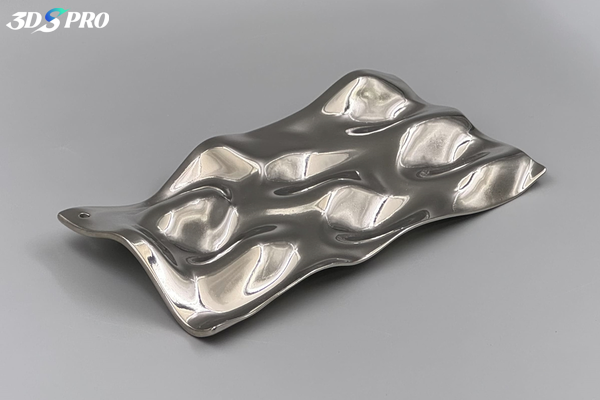
Mirror polishing is one of the most effective ways to elevate the appearance of a metal part. It can turn a rough or matte printed surface into a smooth, reflective finish with a much more polished visual impact. For customer-facing components, display pieces, luxury products, prototypes, and decorative metal parts, mirror polishing can make a major difference in how the final part is perceived.
At 3DSPRO, the mirror polishing service is designed to meet common production needs efficiently and consistently. In most cases, the standard process focuses on the outer appearance surfaces of the part. If a customer needs the entire part polished, that requirement should be clearly noted in advance so the team can evaluate the part structure and process it accordingly.
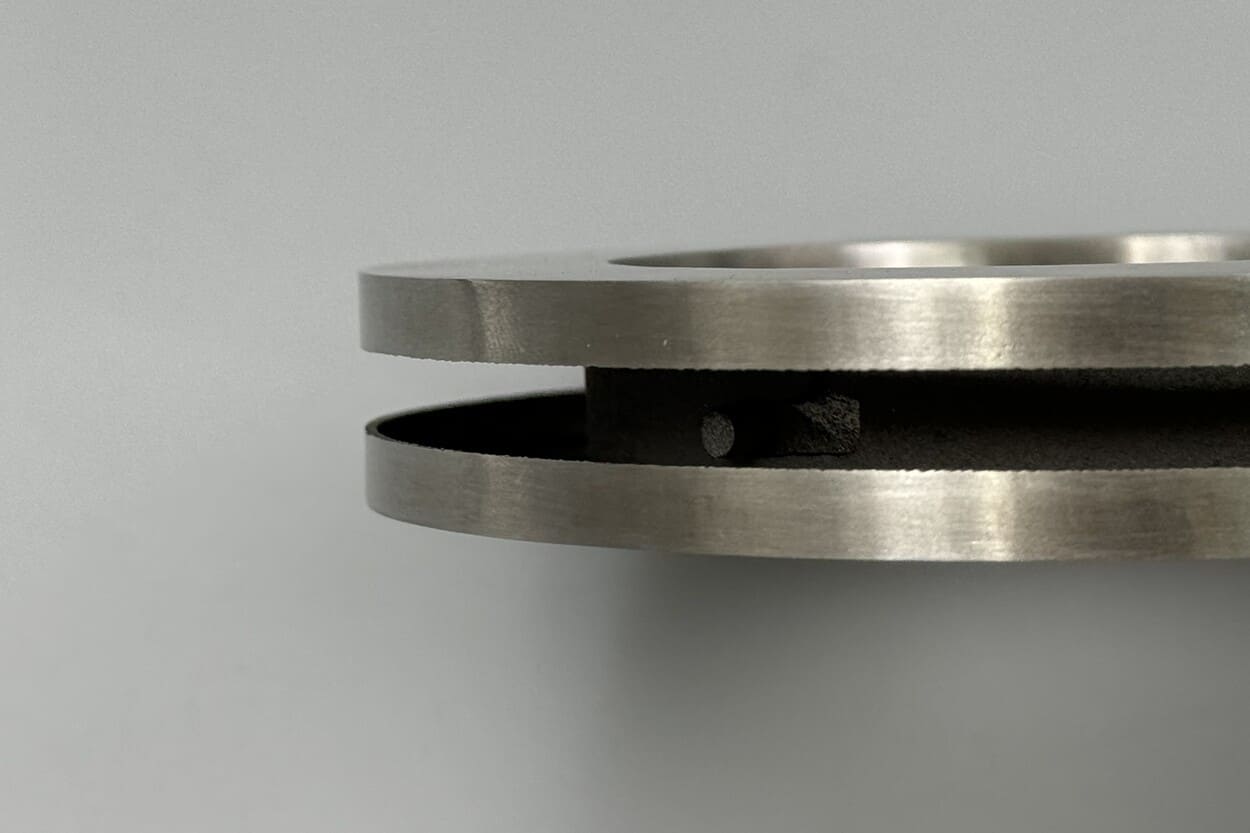
Image Source: Copyright © 3DSPRO. All rights reserved.
What 3D Plus™ Mirror Polishing Is
3D Plus™ Mirror Polishing is a finishing service for metal parts that aims to create a highly reflective, smooth surface. Compared with raw printed metal, which may show layer effects, tool marks, or a naturally textured finish, mirror polishing provides a much cleaner and more visually refined result.
Mirror polishing service is especially useful when the part will be seen up close or needs to communicate a high-end impression. It is often chosen for exhibition samples, premium product housings, design models, jewelry-related components, cosmetic hardware, and other parts where appearance matters as much as function.
It is important to understand that mirror polishing is not simply a cosmetic step. It is a controlled finishing process that requires judgment about which areas should be polished, how accessible the surfaces are, and how the geometry of the part may affect the final result. Because of this, the best polishing strategy depends on the part itself and on the customer’s intended use.
Outer-Surfaces Are Polished by Default
For 3DSPRO’s 3D Plus™ Mirror Polishing service, the default scope is the outer appearance surface. In other words, the finishing process is generally applied to the surfaces that are visible from the outside and most important for presentation.
The default approach makes practical sense for many metal parts. In most real-world applications, the outer surfaces are the ones customers see first. They define the first impression of the part and often determine whether it looks professional, clean, and complete. Polishing these areas by default helps deliver a strong visual result while keeping the process efficient and targeted.
Outer-surface polishing also helps avoid unnecessary processing on areas that may not be visible during use. Many metal parts contain internal channels, hidden cavities, or functional surfaces that do not need the same level of cosmetic treatment. By focusing on the exterior, the service can balance quality, cost, and manufacturing efficiency.
If a project only needs the visible surfaces to look excellent, the standard polishing scope is often the most suitable choice. It gives the part a premium appearance where it matters most, without adding unnecessary work to surfaces that are not part of the final presentation.
Why Outer-Surface Polishing Is the Standard Choice
There are several reasons why outer-surface polishing is the standard approach for many metal parts.
First, the outer surfaces usually carry the greatest visual importance. Whether the part is going into a product demo, a display case, or a customer sample, the outside is what people notice immediately. A smooth and reflective exterior can dramatically improve the overall impression of the part.
Second, outer surfaces are usually easier to access and polish evenly. Mirror polishing requires control and consistency, and open exterior surfaces are much more straightforward to finish than deep internal areas or complex hidden geometries, which makes the process more predictable and helps achieve a more uniform appearance.
Third, not every surface of a metal part needs a mirror finish. In many cases, internal features or non-visible areas are meant for fit, assembly, airflow, support, or structural function rather than appearance. Polishing those areas may not add value to the final application.
Finally, focusing on outer surfaces keeps the service more efficient. Customers often want a clean and attractive finish without unnecessary processing delays or extra cost. The default outer-surface approach is a practical solution that aligns with most use cases.
When Full-Part Mirror Polishing Is Needed
Although outer-surface polishing is the default, there are situations where full-part mirror polishing is the better option, which means the customer wants the entire part polished, not just the visible exterior.
Full-part polishing may be necessary when the part is displayed from multiple angles, including inside openings or recessed areas. It may also be important for parts with special design requirements, premium branding expectations, or high-visibility internal surfaces. Some parts are handled by users in a way that exposes more than just the outer shell, so a more complete finishing treatment becomes important.
In certain design projects, uniformity is the goal. A customer may want every accessible surface to share the same polished quality, even if some areas are not immediately visible. In these cases, a full-part request can help create a more consistent and elevated result.
That said, full-part mirror polishing is usually more complex than standard outer-surface polishing. Internal structures, narrow channels, deep pockets, and tightly enclosed geometries can make polishing more difficult. That is why it should not be assumed automatically. Each request needs to be reviewed based on the part design and the actual finishing requirements.
Customers Should Leave a Note for Full-Part Requests
Because full-part mirror polishing is not the default service, customers should leave a note when they need the entire part polished, which is an important step in the ordering process.
A clear note helps our production team understand the customer’s expectations from the beginning. It reduces the risk of misunderstanding and ensures the finishing plan is aligned with the intended result. If the request is not specified, our service team may reasonably proceed with outer-surface polishing only, since that is the standard scope.
A note is especially important for parts with unusual shapes, hidden surfaces, or special presentation needs. The more complex the part, the more valuable it is to communicate the finishing requirement clearly. Even a short instruction such as “please polish the full part” can make a big difference in how the order is handled.
When in doubt, being specific is always better than assuming. Mirror polishing is a finishing service where details matter, and clear communication helps the final part match the customer’s expectations.
Design and Part-Structure Considerations
The structure of a metal part has a strong effect on how mirror polishing can be applied. Some geometries are simple and open, while others include deep cavities, thin walls, narrow gaps, internal channels, or intricate contours. These features can all influence the polishing result.
Simple outer surfaces are typically easier to finish well. Broad, accessible areas can be polished more evenly and consistently, which makes them ideal for mirror finishing. On the other hand, highly complex structures may limit the tools and techniques that can be used. Some hidden areas may be difficult to reach, while others may not be suitable for the same level of surface treatment.
Design also affects how uniform the final finish will appear. If a part includes both open and enclosed areas, the visible surfaces may be highly reflective while the internal ones remain less polished. This is not necessarily a problem, but it is something customers should consider when planning the order.
For best results, customers should think about the part’s final use early in the design stage. If visual presentation is the top priority, a design that exposes the important surfaces more clearly may be easier to polish. If full-part polishing is required, the part should be evaluated carefully so the process matches the structure and the expected finish.
 0
0


COMMENTS
- Be the first to share your thoughts!