 English
  日本語
日本語  Deutsch


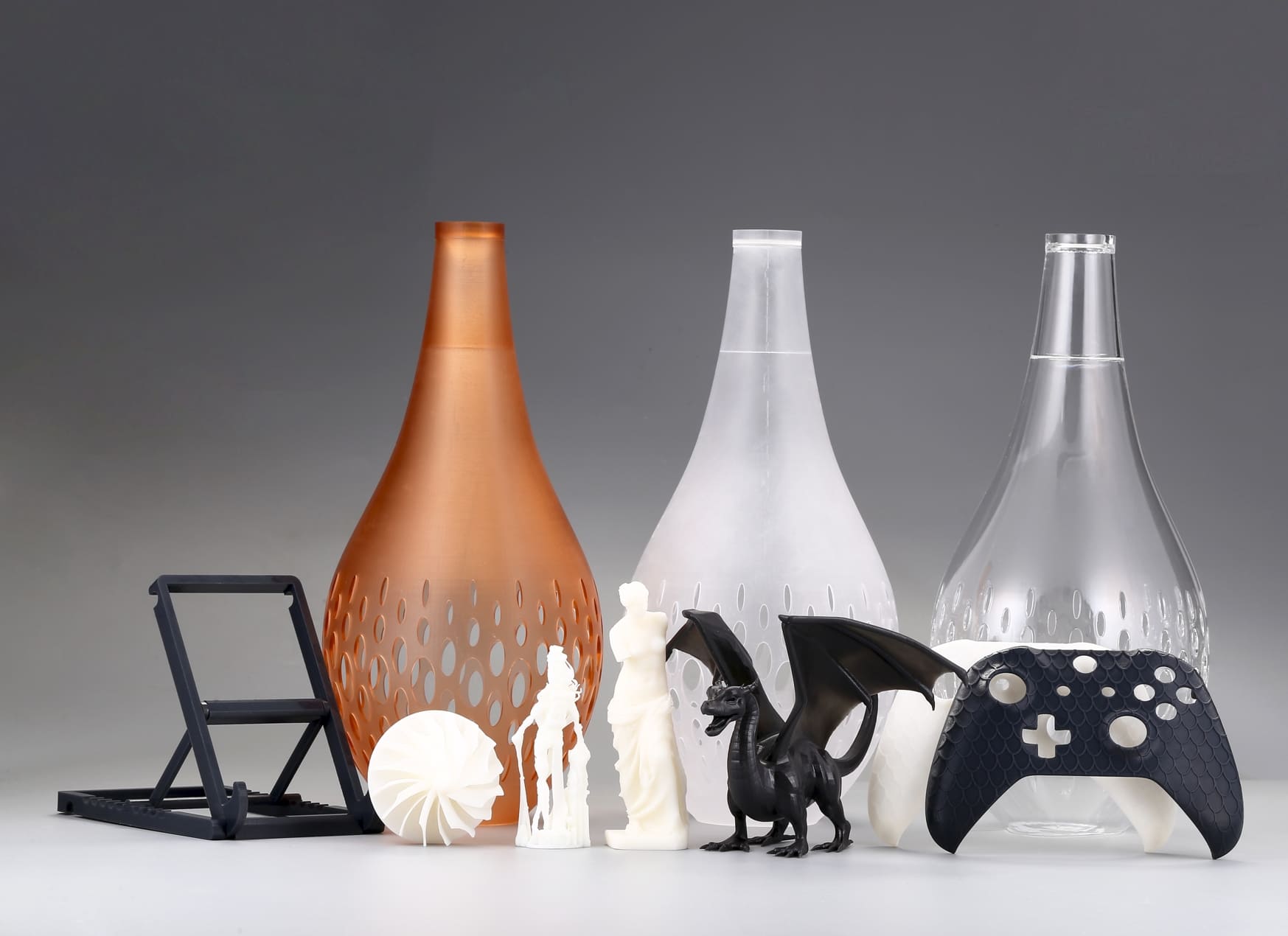
Large resin enclosures are often chosen for product housings, display components, prototype shells, and custom consumer parts because they combine good visual quality with flexible design freedom. But once a part becomes large, spray painting is no longer just a simple finishing step. The coating area, the handling process, and the visual requirements all affect how the part should be treated. For 3D Plus™ Spray Painting, the default approach for large resin enclosures is usually to paint only the outer surface. If both the inner and outer sides need to be painted, that becomes a more labor-intensive option and typically requires an extra charge.
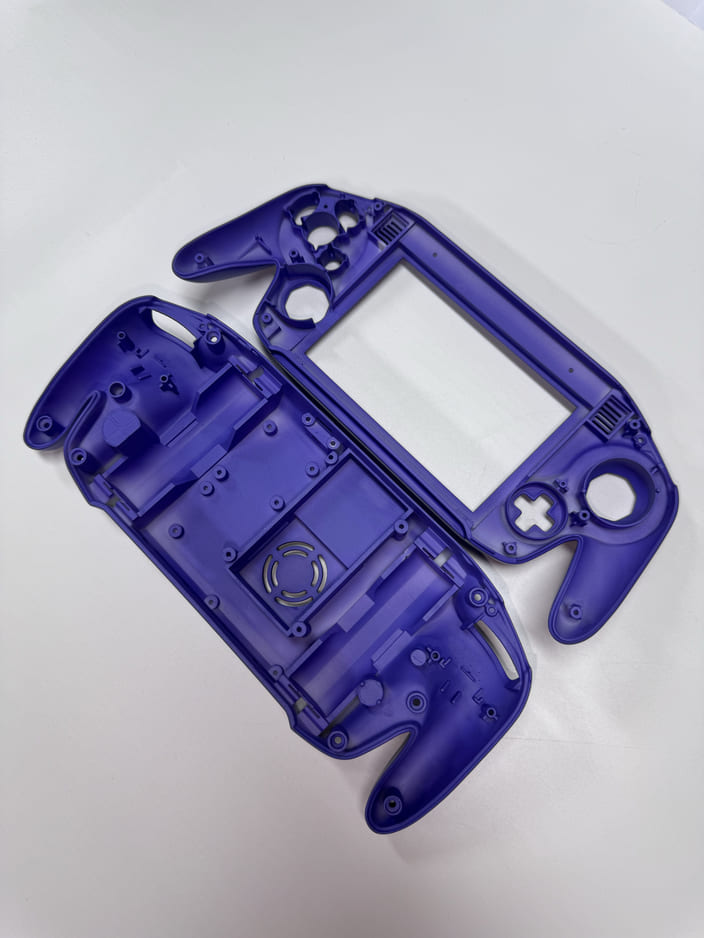
Image Copyright © 3DSPRO. All rights reserved.
What 3D Plus™ Spray Painting Covers for Large Resin Enclosures
3D Plus™ Spray Painting is designed to improve the appearance of resin parts by adding a uniform, clean, and professional finish. For large resin enclosures, spray painting service is usually focused on the visible exterior surfaces, where color, gloss, texture, and overall appearance matter most.
In practical terms, it means the coating is applied to the side that people will see after the part is assembled or installed. The approach works well for enclosure-like parts because the inside surface is often hidden, covered by components, or not important for the final presentation. By keeping the service scope clear from the start, the finishing process becomes more efficient and easier to quote accurately.
Large resin enclosures may vary in shape, but they usually share one common feature: they are functional shells rather than standalone decorative objects. Because of that, the finishing requirement is often centered on the external appearance, not on every internal wall or hidden cavity.
Why Outer-Surface Painting Is the Standard Choice
Outer-surface painting is the standard choice for large resin enclosures because it matches how these parts are typically used. In most assemblies, the exterior surface is what the end user sees. It is also the part that defines the product’s first impression. A smooth, even, well-colored outside surface can make a resin enclosure look much more polished and production-ready.
There is also a practical reason behind this default. Large parts are harder to handle than small components. Painting only the outer side reduces the amount of masking, repositioning, and inspection needed during production, which helps keep the process more predictable and cost-effective.
Another reason is consistency. When the requirement is clearly focused on the outside, the finishing team can concentrate on uniform color coverage, clean edges, and surface quality where it matters most. For many projects, outer-surface painting delivers the best balance between appearance and cost.
When Double-Sided Painting Is Required
Double-sided painting becomes necessary when the inside surface is also visible or part of the final appearance. It is more common in special assemblies, display pieces, premium products, or enclosure designs where the part is open, partially exposed, or viewed from multiple angles.
For example, if a large resin shell is used in a product that remains partially open, both surfaces may be seen by the user. In that case, only painting the exterior would leave the interior unfinished and visually inconsistent. Some designs also use the inside surface as part of the brand presentation, especially when the enclosure is meant to look refined from every angle.
Double-sided painting may also be required when a customer has a specific aesthetic standard, such as a fully finished interior for photography, exhibition, or high-end consumer use. In these cases, the painting requirement is no longer just functional. It becomes part of the product’s overall visual quality.
Why Double-Sided Spray Painting Costs More
Double-sided spray painting costs more because it takes more time, more material, and more care to complete properly. A large resin enclosure is not a small part that can be quickly turned over and sprayed from every direction without extra work. Once both sides are included, the process becomes more complex.
First, the part usually needs additional masking or protection to keep the coating clean and controlled. Second, the painting sequence may require multiple passes, careful drying, and more handling to avoid marks, fingerprints, or overspray. Third, larger parts increase the risk of surface defects, which means more inspection is needed after each step.
Material usage also increases. Coating both sides naturally consumes more paint and related finishing resources. On top of that, the part may require more support during processing because large resin pieces can be delicate and difficult to reposition safely.
In short, double-sided painting is not simply “the same job twice.” It is a more involved finishing requirement, so it is reasonable for it to carry an additional charge.
Ordering Tips for Large Resin Enclosure Projects
The best way to avoid confusion is to define the painting requirement early. Before ordering, it helps to decide whether the enclosure only needs outer-surface painting or whether both sides must be finished. The single decision can affect the quote, the workflow, and the final result.
When submitting a project, it is useful to provide clear reference images or mark the exact surfaces that need coating. If only the outside is required, say so directly. If the inside will also be visible after assembly, that should be stated clearly from the beginning. The more precise the instructions, the easier it is to match the finish to the intended use.
It is also smart to think about the final assembly stage. Some parts look like they only need exterior coating at first glance, but once installed, the inner surface may still be exposed. In that case, a double-sided finish may be the better choice from the start.
For large resin enclosures, early communication saves time. It helps avoid rework, reduces the risk of misunderstanding, and makes the finishing process smoother for both sides.
Common Questions About Spray Painting Large Resin Enclosures
Q: Is outer-surface painting always included by default?
A: For large resin enclosures under 3D Plus™ Spray Painting, the standard approach is usually to paint the outer surface only unless additional requirements are confirmed.
Q: What counts as double-sided painting?
A: Double-sided painting means both the outer and inner surfaces of the enclosure are finished, not just the visible exterior.
Q: Why not paint both sides automatically?
A: Because many enclosure parts do not need the inside surface finished. Painting only what is necessary keeps the service more efficient and cost-effective.
Q: Can the painted area be customized?
A: Yes. The finish scope can usually be adjusted according to the part’s function, assembly position, and appearance needs.
Q: How should I describe my requirement?
A: The clearest way is to state whether you need “outer surface only” or “both inner and outer surfaces.” If possible, include reference images or annotated drawings.
 0
0


COMMENTS
- Be the first to share your thoughts!