 English
  日本語
日本語  Deutsch


Reporting in Bloomberg’s Power On indicates Apple is exploring 3D printed aluminum for watch cases and potentially future iPhone and laptop enclosures. If true, the move would extend Apple’s metal 3D printing footprint, reshape supplier requirements, and open new opportunities for consumer electronics.
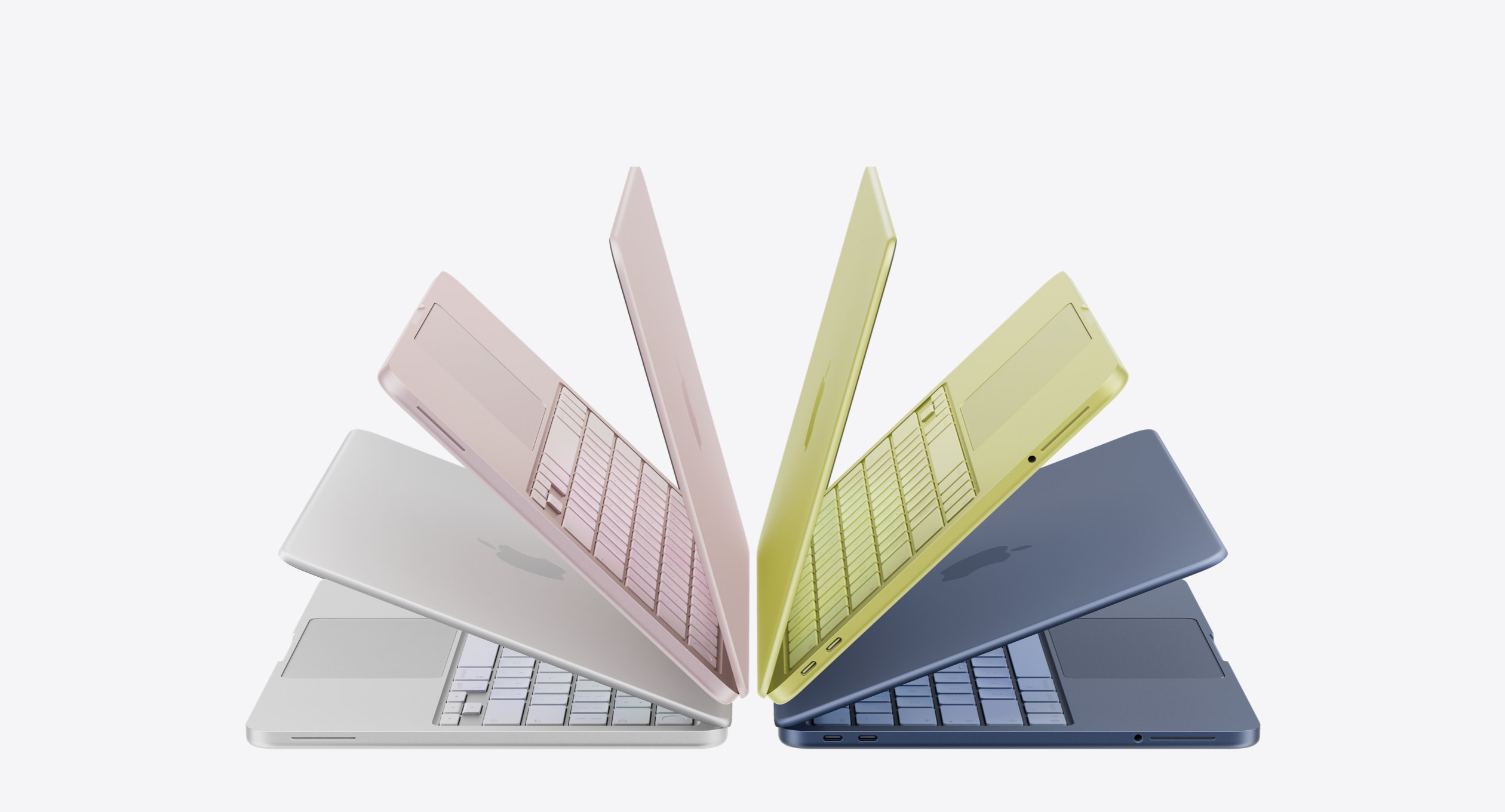
Image Source: Apple
Apple’s Existing Metal 3D Printing Footprint
Apple has already put metal 3D printing into production for premium components, most visibly with titanium Apple Watch cases and a 3D printed USB-C port used in recent iPhone models. In late 2025, the company announced that Apple Watch Ultra 3 and Series 11 titanium cases would be mass-produced using laser-based powder-bed fusion with 100% recycled aerospace-grade titanium powder, which is a milestone Apple framed as both a materials and sustainability achievement for large-volume metal 3D printing.
That prior work matters for two reasons. First, it shows Apple has already invested in industrial metal 3D printing, powder handling, and post-process inspection flows at scale. Second, it demonstrates Apple’s appetite for 3D printing when it provides real material savings and product benefits that reduce raw-material waste and enable design features that are difficult or impossible via stamping and machining.
What Bloomberg Reported
According to Mark Gurman’s recent Power On newsletter, Apple’s teams are evaluating an aluminum 3D printing process that would initially target watch casings and could later be applied to iPhone enclosures and laptop shells tied to the new MacBook Neo manufacturing experiments. The reporting frames this as an extension of the same engineering and sustainability motivations that drove the titanium work, but applied to a different alloy family with its own set of benefits and challenges.
Independent technology outlets have summarized Gurman’s report and framed it as an early-stage, strategic push rather than a near-term guarantee of aluminum on every device. Coverage across industry sites (MacRumors, 9to5Mac, AppleInsider, and others) mostly echoes Bloomberg’s core claim while emphasizing that scaling aluminum 3D printing to smartphone volumes would be a significant engineering undertaking, potentially offering benefits like lighter weight, improved durability, and design flexibility if achieved.
Why Aluminum 3D Printing is Strategically Important
Aluminum is the default structural metal in consumer electronics for a reason. It’s light, thermally conductive, easily finished, and cost-effective at scale. Moving an enclosure from stamping or CNC machining to 3D printing could deliver multiple advantages.
Material and Waste Savings
Near-net additive builds reduce the scrap associated with large subtractive runs, particularly for complex or thin-wall parts. Apple’s titanium program demonstrated how much material can be recovered by moving from forging + heavy machining to 3D printing.
Integrated Functionality
3D printing allows designers to embed ribs, channels, mounts, and internal thermal features directly into a single chassis, reducing part count and assembly steps. For thermal-sensitive devices such as phones and laptops, aluminum can enable better heat routing without adding visible bulk.
Design Differentiation
Printed textures and internal geometry previously impossible with forging give product teams new levers for feel, EMI shielding, and structural stiffness. Several write-ups on Apple’s titanium approach highlighted how 3D printing unlocked sealing and surface patterns that were previously infeasible.
But aluminum is not titanium, and that’s where the strategic complexity lies. Aluminum alloys used in 3D printing behave differently under high-energy lasers. They are more reflective, have higher thermal conductivity, and are prone to hot-cracking and porosity if parameters aren’t tightly controlled. Achieving Apple-level surface finish, color consistency, and tactile quality would require highly mature process control, powder chemistry, and advanced post-processing.
3DSPRO’s Aluminum 3D Printing Services
If Apple, or any large OEM, pushes aluminum 3D printing into mainstream consumer volumes, demand will cascade to service bureaus, powder suppliers, and downstream finishers. Here’s how 3DSPRO positions itself to serve that market shift:
1. Aluminum-Ready Design-for-AM Consulting
We help clients convert conventional thin-wall and stamped enclosures into 3D printing-friendly designs. Selecting alloy candidates, adding stress-relief features, designing for post-machining allowances, and specifying integrated mounting bosses and thermal channels that maximize stiffness while minimizing weight and powder usage.
2. Professional Batch Printing
3DSPRO provides professional batch printing designed for customers who need consistent quality across multiple aluminum parts or production runs. Using industrial metal 3D printers and optimized build layouts, parts are nested efficiently within each build to maximize machine utilization and reduce per-part cost. Standardized process parameters, controlled powder management, and strict quality inspection ensure repeatable mechanical performance and dimensional accuracy across batches.
3. Surface Finishing and Color Matching
Anodize-ready finishes, micro-blasting, vibratory polishing, and precision masking help us match consumer expectations for color, texture, and haptics. We also work with coating partners to validate adhesion and cosmetic durability on printed aluminum surfaces.
If Apple’s exploration becomes an industry trend, 3DSPRO can support OEMs and startups alike by removing the uncertainty around material performance, finish quality, and producibility at higher volumes.
Sources
1. Bloomberg, Mark Gurman, Power On (reporting on Apple exploring 3D printed aluminum).
2. Apple Newsroom, “Mapping the future with 3D printed titanium watch cases” (Apple overview of its titanium AM program).
3. Tom's Hardware, analysis of Apple’s titanium 3D printing rollout and manufacturing details.
4. MacRumors, summary coverage of Bloomberg’s report on aluminum 3D printing.
5. 9to5Mac, further reporting and commentary on Apple exploring aluminum AM for iPhone and Apple Watch enclosures.
 0
0


COMMENTS
- Be the first to share your thoughts!