 English
  日本語
日本語  Deutsch


Bryson Dechambeau Plans to Use A 3D Printed 5-Iron at the Masters
DeChambeau has long stood out as a golfer willing to experiment, but a 3D printed iron takes that reputation to a new level. According to ESPN, he said the plan was to play the Masters with a 3D printed 5-iron. ESPN also notes that this is part of a broader pattern: DeChambeau has tested different strategies over the years, from attacking Augusta National with maximum distance to becoming more conservative in recent seasons, all in pursuit of a competitive edge.
It shows 3D printing is no longer being used only to make equipment look different or feel personalized. In this case, the technology is being used to chase on-course performance. DeChambeau is exploring whether a club can be built to produce a specific result more efficiently than a traditionally manufactured one. That is a meaningful change in how athletes think about gear.
COBRA’s own 3D printed irons provide a strong example of why this approach is attractive. The company says each clubhead is fully 3D printed from 316 stainless steel powder, and that the process gives engineers design freedom. In other words, the design process is no longer limited by the old manufacturing method; instead, the method itself becomes part of the performance strategy.
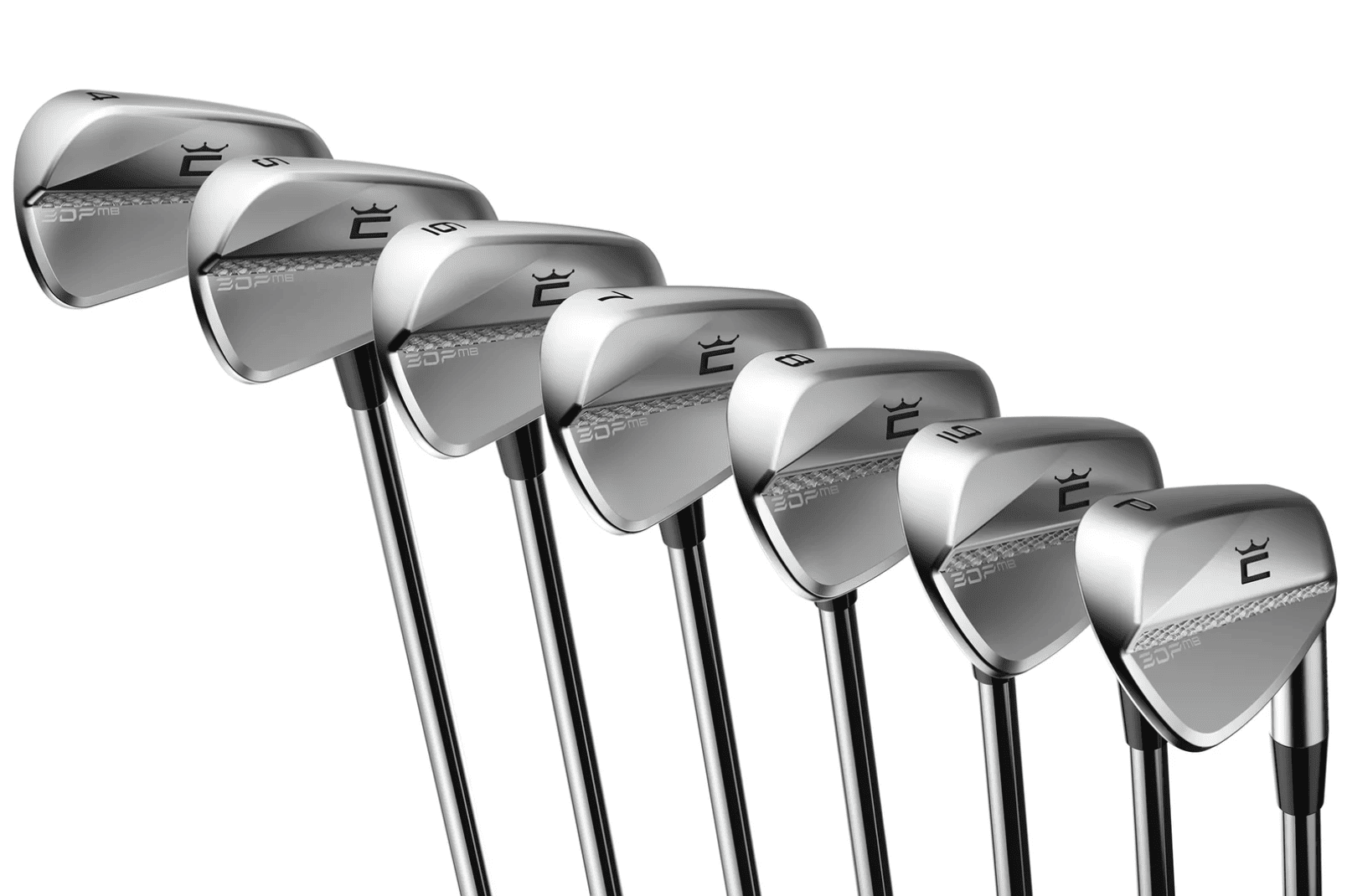
Image Source: COBRA Golf
From Custom Fit to Performance Advantage
For years, custom athletic gear mainly meant a better fit. A golfer could get a club adjusted for length, lie angle, or grip size. A runner could choose shoes that matched foot shape or cushioning preferences. A cyclist could tune the frame geometry. But 3D printing pushes custom fit into something bigger: custom performance. It allows designers to change internal structures, mass distribution, and geometry in ways that are far more difficult with conventional production methods. That is why 3D printed gear increasingly feels less like personalization and more like an engineered advantage.
Golf is a useful example because small changes can have large effects. A slight difference in head shape, center of gravity, or forgiveness can change how a club performs in the hands of a tour player. COBRA says its 3D printed clubheads are made with 2,600 layers of stainless-steel powder fused by lasers, and that the process unlocks design freedom that traditional methods cannot match. That kind of manufacturing precision is exactly why 3D printing is becoming so interesting in sports equipment. 3D printing makes performance tuning more granular.
The larger idea is simple. Traditional gear asks the athlete to adapt to the product. 3D printed gear increasingly asks the product to adapt to the athlete. That is a powerful shift, especially in elite sport, where tiny advantages matter, and players are willing to test anything that could improve consistency, feel, or confidence. DeChambeau’s club is a visible symbol of that shift.
Other 3D Printed Athletic Gears
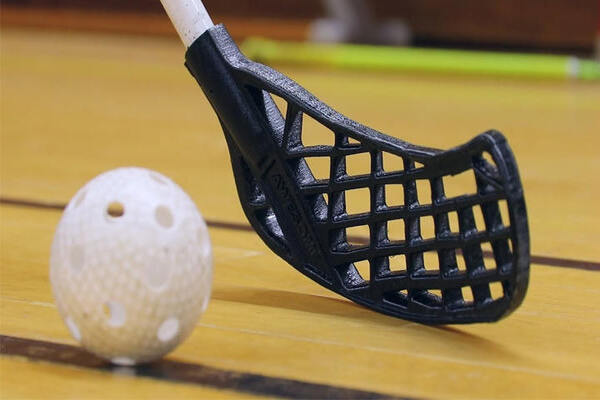
Beyond golf clubs, 3D printing is already being used across many other types of athletic gear. A major advantage of the technology is that it can support both customization and performance, which makes it useful for protective gear, footwear, equipment parts, and training tools. Examples include helmets, eye shields, pads, protectors, mouthguards, gloves, cleats, shoes, insoles, boots, bats, club heads, seats, grips, and even training aids.
The broad range matters because athletic gear is rarely just about one large product. In many sports, the most important performance gains come from smaller components: a mouthguard that fits better, a helmet liner that matches the athlete’s head shape, a glove that improves control, or an insole that changes comfort and support. 3D printing is especially valuable here because it can turn a digital design into a highly specific part without being limited by traditional mold-based production.
The footwear side is another strong example. 3D printing has been used in running shoes, insoles, and boot-related products because it allows brands to fine-tune fit and cushioning more precisely. Major brands such as Adidas, New Balance, and Nike have all explored 3D printing in footwear, showing how the technology has moved well beyond prototype work and into real product development.
Protective gear is just as important. Athletic helmets and mouthguards are among the clearest use cases because they depend on fit, comfort, and impact response. 3D printing allows manufacturers to create more personalized protective equipment, which can be especially useful in contact sports where athletes need both safety and mobility.
The Role of Rules and Approvals
As innovative as 3D printed athletic gear may be, competition sports still run on rules. In golf, equipment must conform to the Rules of Golf, and the USGA’s equipment database identifies clubs and balls that have been submitted and evaluated for conformance. The USGA also states that competition committees can require certain clubs or balls to be included on the appropriate conforming list under the rules of competition.
That matters for DeChambeau’s 3D printed club because performance innovation does not automatically equal legal competition equipment. Even if a club is custom-built and technically impressive, it still has to clear the governing body’s standards. ESPN’s reporting on DeChambeau’s 3D printed iron makes that clear by noting the club is being considered in the context of the Masters, where equipment compliance is part of the game.
The rule-based environment is actually good for the industry. It forces 3D printed gear to prove itself rather than rely on novelty. Once a product can meet the standards of elite competition, it gains credibility far beyond the tournament itself. That is how innovation moves from curiosity to category.
3DSPRO’s 3D Printing Capabilities to Make 3D Printed Athletic Gear
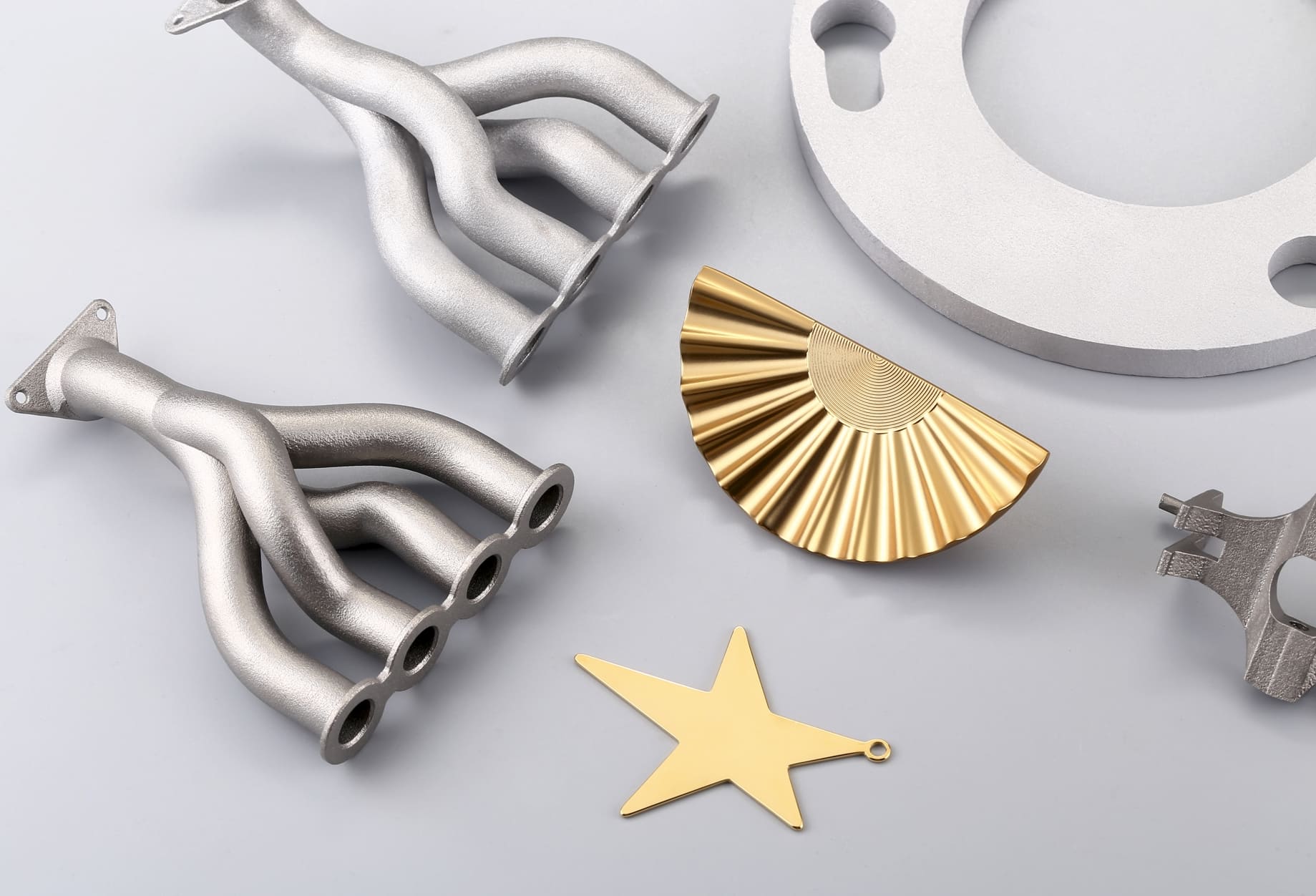
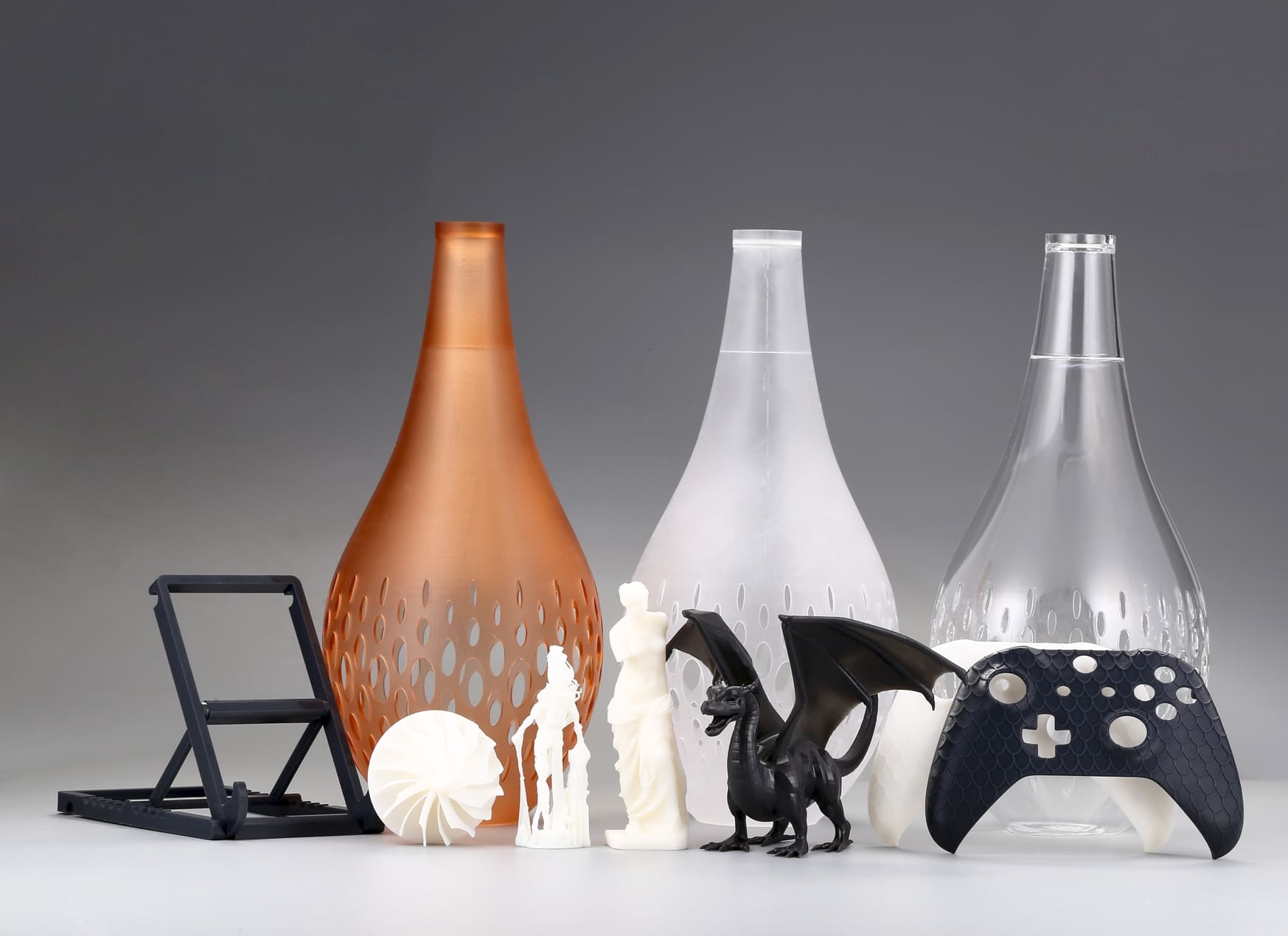
For brands exploring athletic gear development, the practical question is not whether 3D printing is interesting. It is whether a supplier can support the full path from prototype to end-use part. That is where 3DSPRO’s service model fits well. We offer metal 3D printing, SLS, MJF, and resin printing, which can produce rapid prototypes, functional parts, and end-use parts for a wide range of industries.
That mix of capabilities is especially relevant for sports applications. Metal printing is useful when strength and precision matter. SLS and MJF are strong choices for durable polymer components. Resin printing is valuable when detailed surfaces or concept validation are important. We also have support for tolerances, finish requests, and references when preparing files for printing, which is useful when a part needs to perform as well as it looks.
Surface quality and post-processing are also important in athletic gear, because gear has to function under real conditions and often needs a polished, professional finish. We offer metal finishing services and list options such as anodizing, polishing, spray painting, powder coating, and electroplating. For sports products, that kind of finishing support can help a prototype become a more credible product, or help an end-use part meet both performance and presentation needs.
Another advantage is our guarantee of intellectual property protection and price matching, which can matter when a brand is developing proprietary sports equipment. IP protection and the lowest total cost are part of our service promises. For brands investing in new athletic gear, that combination of manufacturing support and commercial practicality can make it easier to move from idea to launch. Use 3DSPRO’s S Quote System Today >>
 0
0


COMMENTS
- Be the first to share your thoughts!