 English
  日本語
日本語  Deutsch


What is Metal Stamping?
Metal stamping is a manufacturing process that uses dies and high-tonnage presses to shape sheet metal into precise components. It is one of the most widely used fabrication techniques in the manufacturing industry, enabling the mass production of parts with consistent quality and accuracy.
The process dates back to the late 19th century, when industrialization demanded faster and more efficient ways to produce metal parts. Today, stamping is indispensable in industries ranging from automotive and aerospace to consumer electronics and packaging.
At its core, stamping involves placing a flat sheet of metal into a stamping press, where a tool and die set form the material into the desired shape. Depending on the complexity, stamping may involve cutting, bending, embossing, or coining. The result is a part that meets exact specifications with minimal variation, making stamping ideal for high-volume production.
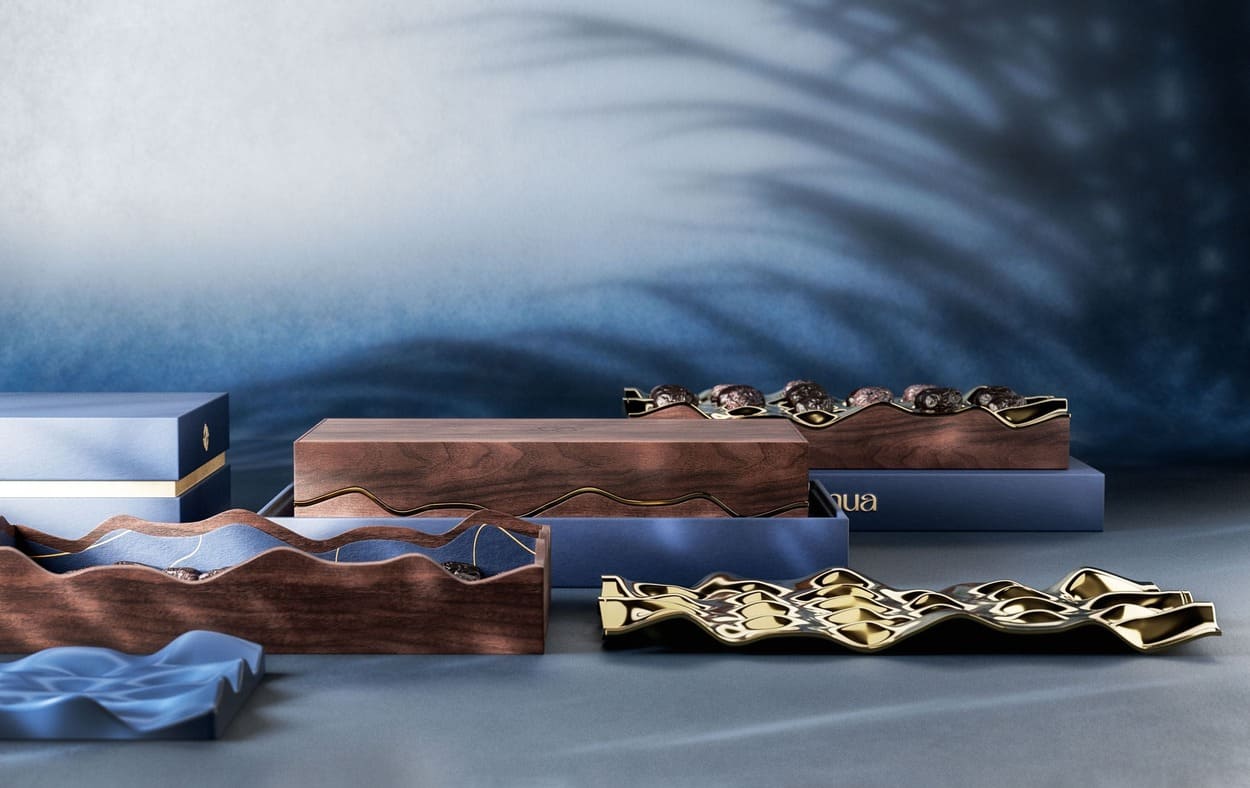
Image Source: Lazy Snail
Key Advantages
Metal stamping offers several compelling advantages that explain its dominance in manufacturing:
• Efficiency and Speed: Stamping presses can produce thousands of parts per hour, making it ideal for mass production.
• Precision and Repeatability: Once tooling is set, every part produced is nearly identical, ensuring consistency.
• Cost-Effectiveness: Although tooling requires upfront investment, the per-part cost drops significantly in large production runs.
• Material Versatility: Stamping works with a wide range of metals, including steel, aluminum, copper, and specialty alloys.
• Compatibility with Automation: Modern stamping integrates seamlessly with robotics and computer-controlled systems, reducing labor costs and errors.
Limitations
Despite its strengths, metal stamping has limitations that manufacturers must consider:
• High Tooling Costs: Designing and fabricating dies is expensive, making stamping less economical for small production runs.
• Material Waste: Processes like blanking and punching generate scrap, raising sustainability concerns.
• Design Constraints: Extremely complex geometries may require secondary machining or alternative fabrication methods.
• Maintenance Requirements: Dies and presses demand regular upkeep to maintain precision and avoid downtime.
• Skilled Labor Needs: While automation helps, engineers and technicians are still essential for setup, troubleshooting, and quality control.
Types of Metal Stamping Processes
1. Blanking: Cutting flat shapes from sheet metal.
2. Punching & Piercing: Creating holes or cutouts in the material.
3. Bending & Forming: Shaping metal into angles, curves, or complex contours.
4. Embossing & Coining: Adding textures, logos, or fine details to surfaces.
5. Progressive Die Stamping: Performing multiple operations in a single pass, ideal for complex parts.
Cold-Forming vs. Hot-Forming
Quick Comparison:
|
Aspect |
Cold-Forming |
Hot-Forming |
|
Temperature |
Room temperature |
Elevated (above recrystallization) |
|
Precision |
High |
Moderate |
|
Energy Use |
Low |
High |
|
Materials |
Softer metals |
Harder alloys |
|
Applications |
Electronics, consumer goods |
Aerospace, automotive safety parts |
Cold-Forming:
• Conducted at room temperature.
• Produces parts with excellent surface finish and dimensional accuracy.
• More cost-effective due to reduced energy consumption.
• Best for softer metals and simpler geometries.
Hot-Forming:
• Involves heating metal to high temperatures before stamping.
• Allows shaping of harder alloys and complex geometries.
• Reduces risk of cracking or stress fractures.
• Common in aerospace and automotive applications requiring high-strength components.
Applications
Automotive
Metal stamping is indispensable in the automotive industry, producing body panels, brackets, engine components, and transmission parts with high precision and consistency. Its ability to deliver lightweight yet durable parts at scale makes it critical for both performance and safety.
Aerospace
In aerospace, stamping enables the creation of lightweight, high-strength components that meet strict safety and performance standards. From structural supports to intricate fittings, stamped parts help reduce aircraft weight while maintaining reliability.
Electronics
Electronics rely heavily on stamping for connectors, enclosures, and shielding components. The process ensures miniaturized parts are produced with exact tolerances, supporting the rapid growth of consumer devices and industrial electronics.
Consumer Goods
From appliances to lighting fixtures and packaging, stamping provides cost-effective solutions for everyday products. Its versatility allows manufacturers to produce durable, aesthetically pleasing parts that meet both functional and design requirements.
Medical Devices
In the medical field, stamping is used to create surgical instruments, housings, and precision components. The process ensures biocompatibility and reliability, which are essential for patient safety and regulatory compliance.
Renewable Energy
Renewable energy systems, such as solar panels and wind turbines, depend on stamped components for efficiency and durability. Stamping supports the production of brackets, frames, and connectors that withstand harsh environmental conditions.
Case Study: Metal Stamping at 3DSPRO
3DSPRO’s collaboration on the Dunes and Stem food packaging designs illustrates how metal stamping can elevate creative concepts into premium, production-ready products. Both designs relied on stamping to achieve intricate geometries with precision and consistency. For Dunes, stamping captured the flowing ripple patterns inspired by desert landscapes, ensuring each piece reflected the design’s aesthetic while maintaining uniformity across large production runs. Stem also utilized stamping to create modular components that balanced functionality with refined appearance, demonstrating the versatility of the process in handling complex forms.
After stamping, the parts were carefully polished to enhance surface quality and highlight design details, followed by PVD titanium coating to achieve a luxurious golden finish. PVD coating not only provided scratch resistance and long-term durability but also reinforced the premium character of the packaging. The combination of stamping and advanced finishing techniques allowed the products to balance artistry with practicality, resulting in packaging that was both visually striking and structurally reliable.
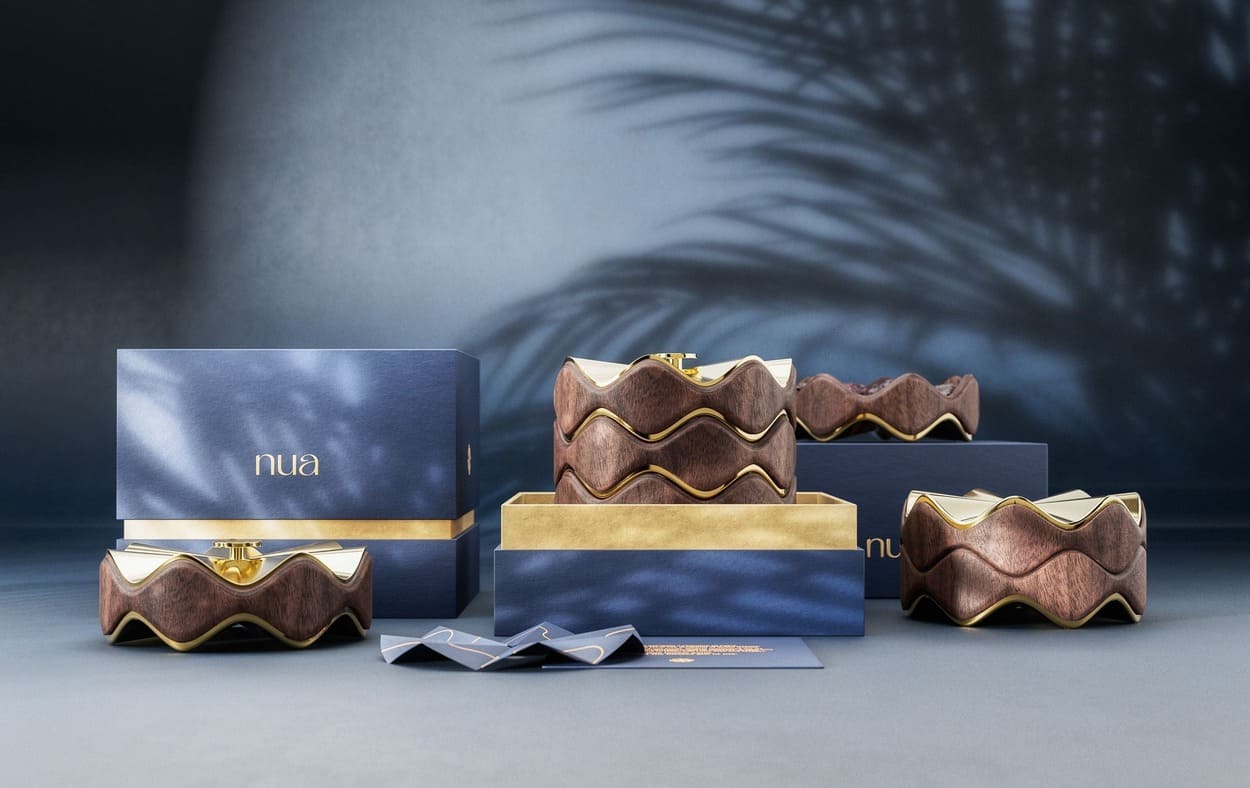
Image Source: Lazy Snail
3DSPRO Opens Manual Quotation for Metal Stamping
To further support customers, 3DSPRO has launched a manual quotation service for metal stamping projects. This initiative provides:
• Transparency: Clear breakdowns of costs, materials, and processes so clients understand exactly what they are paying for.
• Customization: Quotations tailored to specific designs, production volumes, and finishing requirements, ensuring solutions fit unique project needs.
• Efficiency: Faster turnaround times for inquiries, helping businesses move quickly from concept to production.
• Direct Communication: Clients gain access to 3DSPRO’s technical team, enabling collaborative discussions to refine designs and optimize manufacturing strategies.
• Confidence in Planning: By aligning budgets with technical requirements early, customers can make informed decisions and avoid unexpected costs.
Contact SUCCESS@3DSPRO.COM for Metal Stamping Services >>
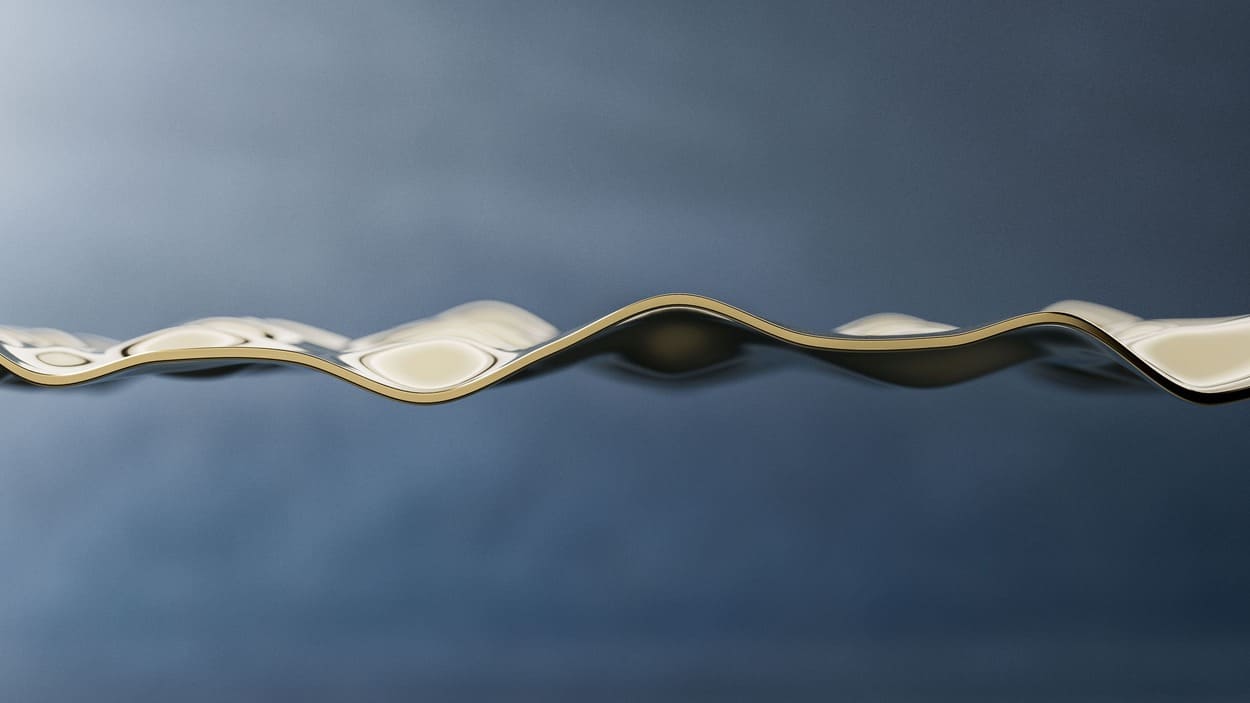
Image Source: Lazy Snail
 1
1


COMMENTS
- Be the first to share your thoughts!