 English
  日本語
日本語  Deutsch


Design Rules Before Vacuum Casting
In vacuum casting, a master model is first created, usually through 3D printing or CNC machining. The master model is then used to create a silicone mold. After the mold is prepared, liquid resin is poured into the mold under vacuum conditions to reproduce the original geometry.
Because the silicone mold must capture and release the part shape, every design feature affects mold performance. A complex geometry may look simple in a CAD model but become difficult when converted into a physical mold.
Poor vacuum casting designs can lead to several issues:
• Difficulty removing the master model from the silicone mold
• Silicone mold tearing during demolding
• Incomplete resin filling
• Surface defects caused by trapped air
• Increased mold complexity and manufacturing cost
The key principle is simple: a successful vacuum casting design should allow the mold to separate easily and allow the finished part to be removed without damaging either the part or the mold.
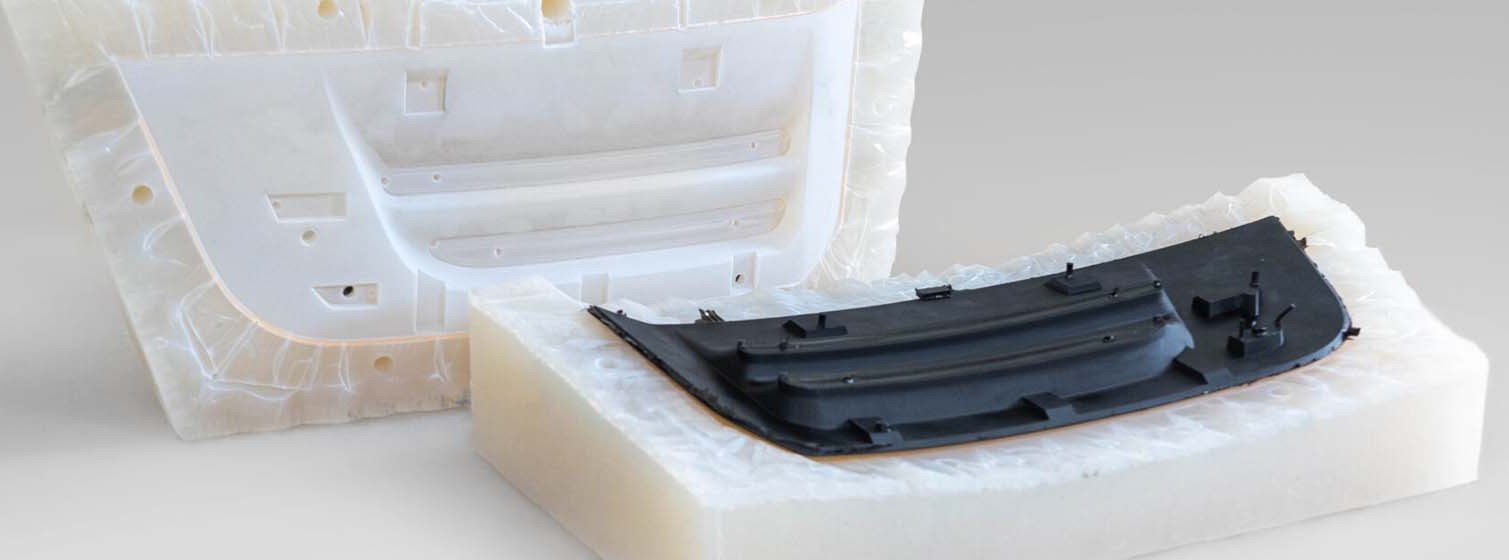
Image Source: Premium Parts
Complex and Deep Undercuts That Prevent Easy Demolding
Undercuts are one of the most common challenges in silicone molding. An undercut is a feature that prevents a mold from being opened in a simple direction because part of the geometry blocks separation.
Some simple undercuts can be handled because silicone is flexible and can stretch slightly. However, deep or complex undercuts can make the demolding process extremely difficult.
For example, deep hooks, internal clips, hidden recesses, or overlapping structures may trap the master model inside the silicone mold. To manufacture these parts successfully, the mold may need additional cuts, inserts, or multiple sections, which increases both complexity and cost.
In some cases, forcing the part out of the mold can damage the silicone, which reduces mold lifespan and affects future castings.
If an undercut is necessary for the product function, designers can consider modifying the parting line, adding removable inserts, or splitting the design into multiple assembled components. The goal is to make sure the mold has a clear path for separation.
Fully Enclosed Cavities and Hollow Structures
Fully enclosed cavities are another design feature that often creates problems in vacuum casting. While a sealed internal structure may be easy to create in CAD, it can be difficult or impossible to reproduce using a silicone mold.
The main issue is mold removal. If the master model is completely surrounded by silicone with no opening or separation path, the mold cannot be removed properly.
Common examples include enclosed hollow chambers, sealed internal tunnels, or box-like structures with inaccessible interiors. These designs may cause the master model to become trapped inside the mold or make it impossible for silicone to form correctly.
Enclosed spaces can also affect resin casting. During the filling process, trapped air may prevent resin from reaching every area, creating bubbles, incomplete features, or internal defects.
A better approach is to add openings, simplify internal structures, or divide the part into separate components that can be assembled after casting. A small design adjustment can significantly improve mold manufacturability.
Extremely Deep and Narrow Features
Very deep and narrow features can also reduce the reliability of vacuum casting. These geometries are difficult because both silicone and liquid resin need to flow into small spaces while maintaining accuracy.
Deep slots, long narrow channels, and small-diameter holes may prevent proper silicone reproduction during mold creation. They can also make resin flow more difficult during casting, increasing the risk of trapped air or incomplete filling.
Another concern is mold durability. When a thin silicone section surrounds a deep feature, repeated demolding can place stress on the mold and eventually cause tearing.
Whenever possible, designers should avoid unnecessary deep and narrow details. If the feature is required, increasing the size of the opening, reducing depth, or adding design adjustments that improve accessibility can make the casting process more stable.
Thin Walls and Fragile Details That Reduce Mold Life
Vacuum casting is capable of producing highly detailed parts, but extremely delicate features can create challenges. Thin walls and small, fragile structures are especially vulnerable during demolding.
When a silicone mold is stretched to release a part, fragile areas experience additional stress. Features that are too thin may break, deform, or damage the mold itself.
Examples include very thin shells, tiny protrusions, and unsupported details. These features may not only reduce the quality of the first casting but also shorten the usable life of the silicone mold.
Designers can improve reliability by strengthening thin sections, increasing wall thickness, and adding smoother connections between features. A slightly stronger design often produces better results in repeated casting production.
Sharp Corners and Poor Transition Areas
Sharp corners may appear simple, but they can create unexpected issues during silicone molding. Internal sharp edges are especially challenging because silicone must stretch around these areas during mold release.
Sharp transitions can increase stress concentration, making the silicone more likely to tear. They can also affect resin flow and create surface imperfections on the finished part.
Adding fillets and smoother transitions is usually a better solution. Rounded corners allow the silicone mold to release more easily and improve mold durability.
For applications where sharp edges are required, engineers should carefully evaluate whether the geometry is necessary or whether a small modification can improve manufacturing reliability.
How to Modify Designs for Successful Vacuum Casting
Before creating a silicone mold, engineers should review the model carefully and identify any features that may create molding challenges. Small adjustments made at the design stage can prevent mold damage, reduce production costs, and improve the consistency of finished parts.
Check Mold Separation Direction
Make sure the silicone mold can open and the part can be removed without being blocked by complex geometries or deep undercuts.
Avoid Trapped Structures
Enclosed cavities and inaccessible internal areas should be redesigned with openings or simplified structures whenever possible.
Strengthen fragile features
Increase the thickness of thin walls and delicate details to prevent breakage during demolding and improve mold durability.
Improve Feature Transitions
Replace unnecessary sharp corners with fillets or smoother transitions to reduce stress on the silicone mold.
Consider Production Requirements Early
If a feature requires additional mold inserts, multiple mold sections, or special handling, evaluate whether the design can be simplified.
Vacuum casting remains an effective solution for producing functional prototypes and low-volume parts with high-quality finishes. However, the best results come from designs that consider silicone mold limitations from the beginning. By applying proper vacuum casting design rules before mold creation, engineers can reduce manufacturing risks, improve part consistency, and achieve more efficient production.
 0
0


COMMENTS
- Be the first to share your thoughts!