 English
  日本語
日本語  Deutsch


Car interior parts may look simple at first glance, but they often have to do a lot of work behind the scenes. They need to fit precisely, handle repeated use, survive heat inside a parked vehicle, and still look good enough to match the cabin’s overall design. That is why choosing the right 3D printing material matters just as much as choosing the right part design.
At 3DSPRO, the best material is not always the strongest one or the cheapest one. It is the one that fits the part’s function, appearance, and operating environment. A trim cover, a dashboard clip, and a flexible grip all need different material properties.
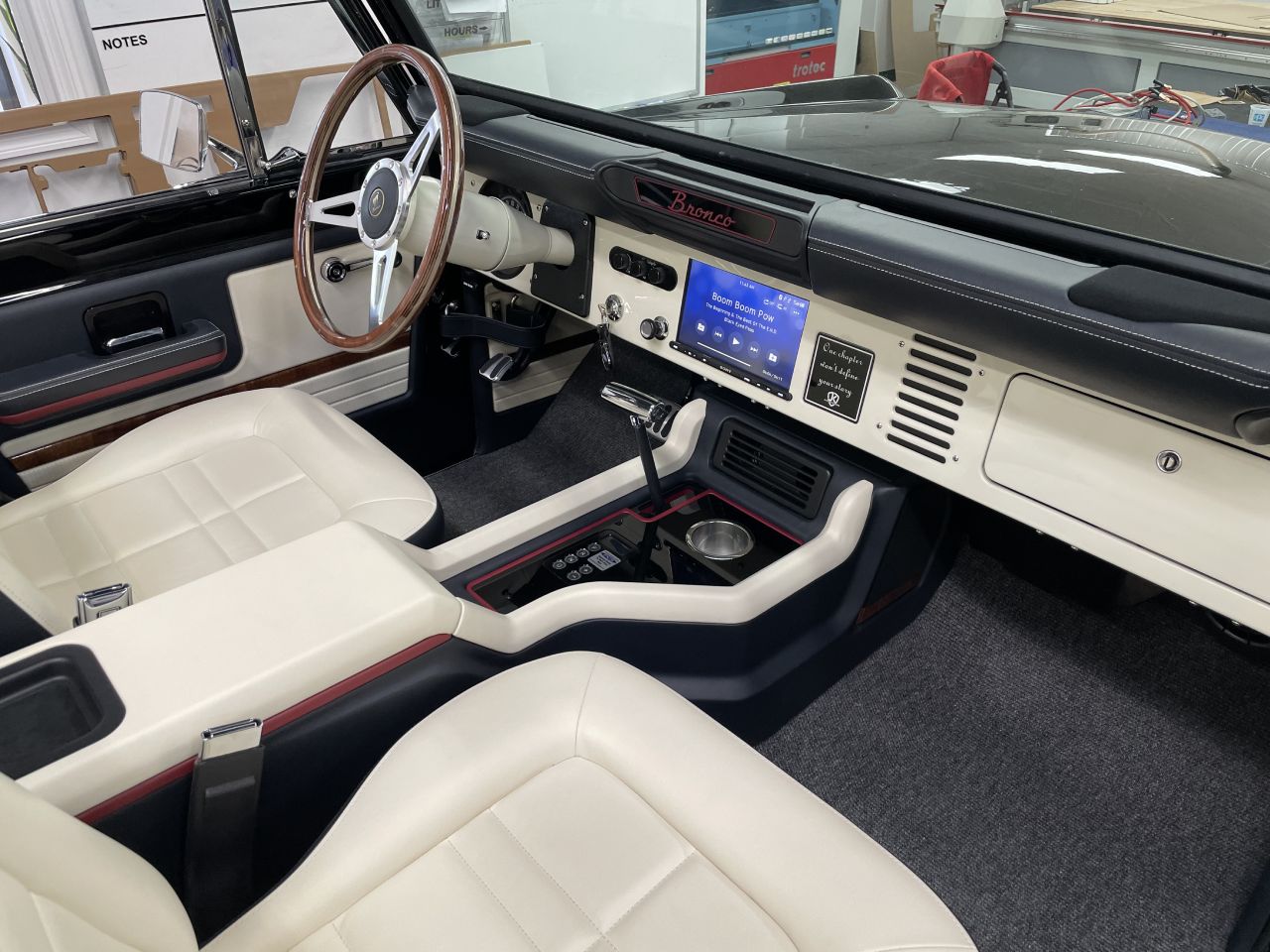
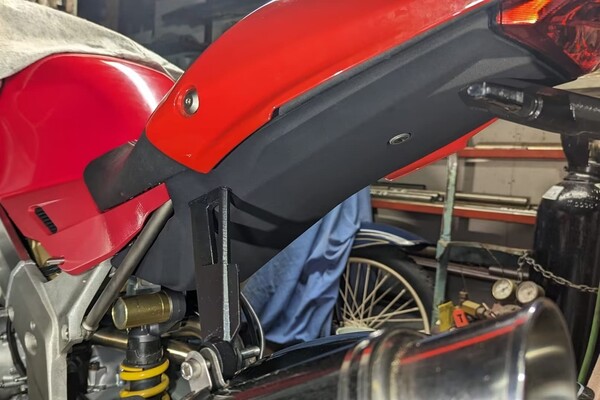
Image Source: BigRep
What Makes Car Interior Parts Different?
Car interior parts live in a demanding environment. Unlike decorative parts for a shelf or display model, automotive interior components are used every day and are expected to hold up over time. They may be touched constantly, exposed to vibration, and subject to repeated stress from installation, removal, or moving mechanisms.
Heat is another major challenge. Inside a parked car, temperatures can rise quickly, especially under direct sunlight. Parts near windows, dashboards, or center consoles may need to resist warping, softening, or surface damage when exposed to higher temperatures. That makes heat resistance an important consideration even for parts that are not near the engine.
Interior parts also have to meet visual expectations. Many components are visible to the driver and passengers, so surface quality, color consistency, and the ability to accept finishing processes matter a lot. A functional part may still be rejected if it looks rough, mismatched, or out of place in the cabin.
Examples of car interior parts that are often produced with 3D printing include clips, brackets, buttons, knobs, vent components, protective covers, custom mounts, trim pieces, and prototype housings. Each of these parts has a different balance of requirements, which is why one material does not fit every application.
Key Factors to Consider When Choosing a Material
• High heat resistance
• Strong impact resistance
• Smooth surface finish
• Balanced flexibility or rigidity
• Lightweight design
• Low cost and fast production
• Easy post-processing and painting
Best 3D Printing Materials for Car Interior Parts
ABS
ABS is a popular choice for car interior parts because it offers a strong mix of durability, heat resistance, and affordability. It is often used for functional prototypes and end-use parts that need to be tough without becoming too expensive. ABS can be a good option for housings, covers, clips, and trim components.
One of the biggest advantages of ABS is that it is widely used and well understood. It can also be post-processed relatively easily, which is useful when a part needs a cleaner finish. However, it may not be the best choice for highly visible parts unless the print quality and finishing are carefully controlled. It can also be more challenging to print than some other materials.
ASA
ASA is often considered a step up from ABS for automotive applications that may experience more sunlight exposure. It has strong heat resistance and better UV stability, which makes it a smart option for parts near windows or areas exposed to direct light.
For car interior parts, ASA is especially useful when long-term appearance and stability are important. It is a strong candidate for visible components that need to resist discoloration or surface degradation over time. If a part needs to combine performance with better outdoor-style durability, ASA is often a reliable option.
Nylon
Nylon is known for its toughness, strength, and resistance to wear. It works well for functional parts that need to flex slightly or endure repeated stress. Clips, hinges, snap features, and mechanical connectors are often good candidates for nylon.
Nylon is especially valuable when the part will be handled often or needs to survive constant loading. Its durability makes it appealing for practical automotive use. The main tradeoff is that nylon can absorb moisture and may require more attention during printing and storage. Even so, for many structural interior parts, it is one of the best-performing choices.
Polypropylene
PP is another strong option for automotive interior parts, especially when dimensional stability and reliable performance are important. It is commonly used for professional-grade functional components because it balances strength, precision, and durability.
PP is often a solid choice for door panels and connecting ventilation ducts. It can be a strong option when the goal is production-ready quality rather than simple prototyping. For many interior automotive applications, PP is one of the most dependable materials available.
TPU
TPU is a flexible material, which makes it useful for parts that need softness, grip, or vibration damping. It is not usually the best choice for rigid structural components, but it can be excellent for seals, protective caps, grips, buffers, and other parts that benefit from elasticity.
In car interiors, TPU is often chosen when comfort or protection is more important than stiffness. It may also help reduce squeaks, rattles, or impact wear in certain custom applications. Because it behaves very differently from rigid plastics, TPU is best used only when flexibility is actually needed.
Which Material Is Best for Different Interior Part Types?
For Decorative Trim Pieces
ASA or ABS are often strong choices. These materials can provide a good mix of surface quality, durability, and ease of finishing. If the part will be exposed to more sunlight, ASA may have the advantage.
For Clips, Fasteners, and Snap-Fit Components
Nylon or PP is usually a better fit. These parts need toughness and repeated stress resistance more than cosmetic appeal. A brittle material would be a poor choice here, because these parts are often installed by force and may flex during use.
For Functional Brackets and Housings
PP, ABS, or nylon are often appropriate. The final choice depends on whether the priority is fit accuracy, heat resistance, or long-term mechanical strength. A bracket that supports a dashboard accessory, for example, should stay rigid and stable under everyday use.
For Soft-Touch or Flexible Parts
TPU is generally the best option. This includes protective bumpers, grips, edge guards, and cushioning pieces. These parts benefit from flexibility rather than stiffness.
For Prototype Parts
ABS is often a practical starting point because it gives a realistic balance of strength and cost. It can be useful for checking size, fit, and assembly before moving to a more specialized production material. For end-use parts, PP, ASA, or nylon may be better depending on the part’s function and exposure conditions.
Why Choose 3DSPRO for Car Interior Part Production?
Material choice is only part of the equation. The right production partner can make the difference between a part that merely prints and a part that actually performs in the vehicle.
At 3DSPRO, customers can get human support in selecting the right material based on the part’s function, appearance, and usage environment. That matters because automotive interior parts are rarely one-size-fits-all. A good recommendation should reflect the real-world demands of the application, not just the printer’s material catalog.
3DSPRO also helps make the process more efficient. Fast quoting and streamlined production are valuable when you need to move from concept to prototype quickly or when you are working on low-volume manufacturing. For automotive projects, speed matters, but so does reliability.
Another advantage is quality consistency. Interior parts often need precise dimensions and repeatable results, especially when they must fit into existing assemblies. A dependable production workflow helps reduce the risk of poor fit, rework, or wasted time.
For parts where appearance is important, 3DSPRO can also support projects that benefit from a more polished finish. That is especially useful for visible interior pieces such as trim, covers, and custom accessories. When form and function both matter, professional production support can save time and improve results.
 0
0


COMMENTS
- Be the first to share your thoughts!