 English
  日本語
日本語  Deutsch


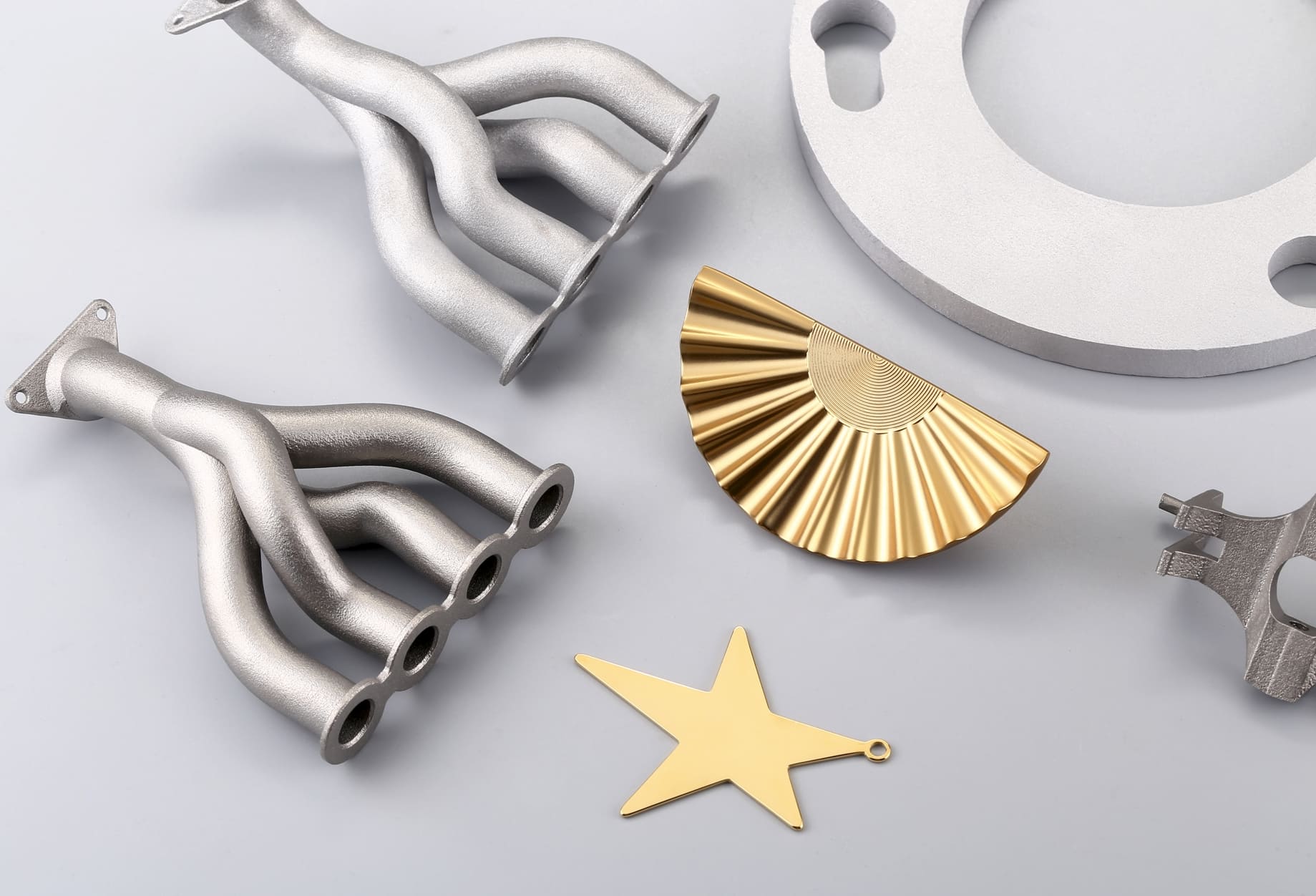
Metal parts are strong, reliable, and widely used in industrial, commercial, and consumer products. But even the toughest metal can suffer when exposed to moisture, oxygen, salt, chemicals, or other harsh conditions. Over time, these elements can lead to rust and corrosion, which weaken parts, reduce appearance, and shorten service life.
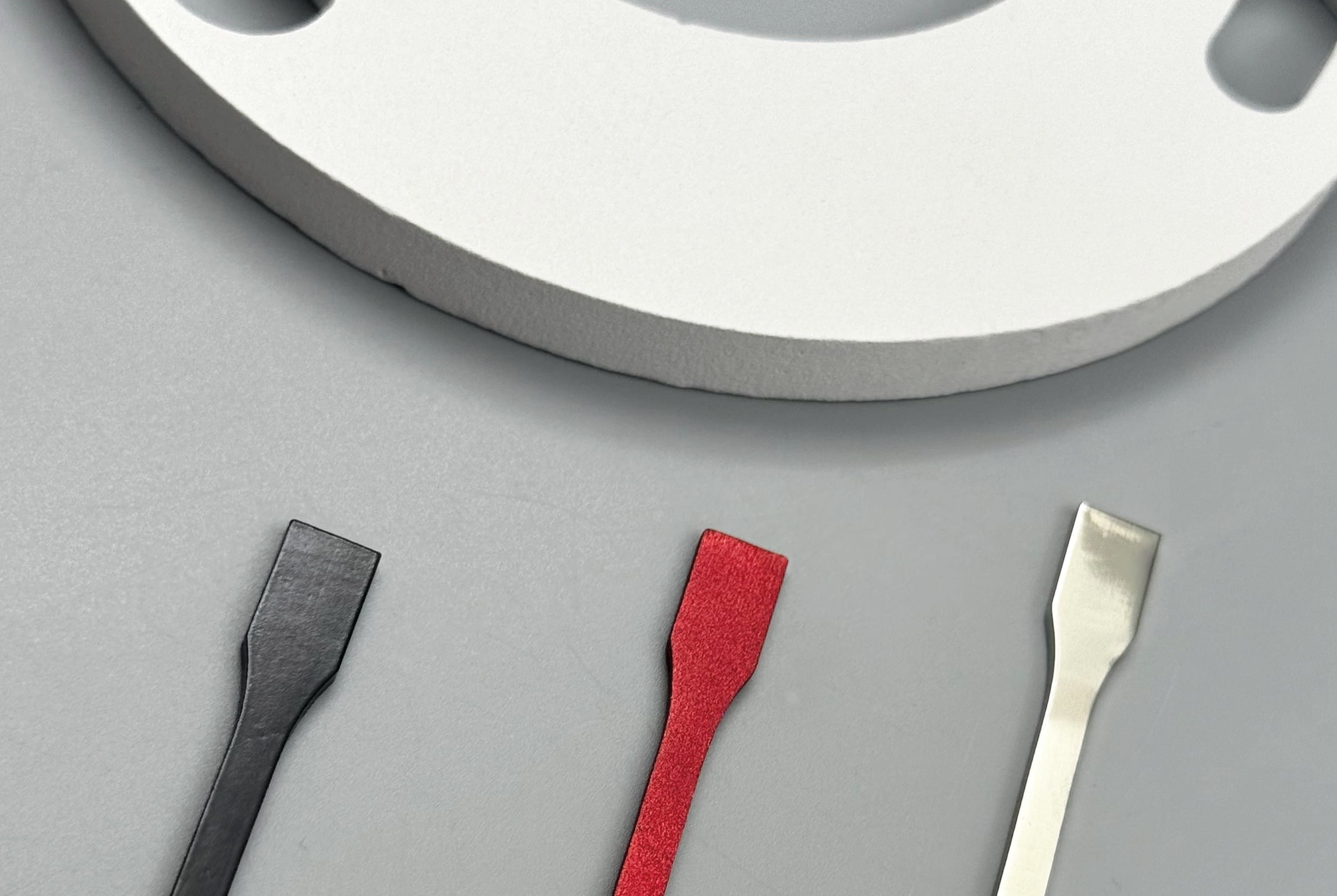
Image Copyright © 3DSPRO. All rights reserved.
What Rust-Resistant Finishes Do
Rust-resistant finishes are designed to protect metal surfaces from the conditions that cause corrosion. In simple terms, they act as a barrier between the metal and the environment. That barrier can stop moisture and oxygen from reaching the surface, or it can make the surface less reactive and easier to clean and maintain.
Some finishes are mainly protective, while others also improve durability, reduce wear, or give parts a more polished look. In many cases, a finish is chosen not only to prevent rust, but also to meet a specific functional or aesthetic goal.
For example, a machine part used in a factory may need protection from humidity and frequent handling. A part used outdoors may need stronger resistance to rain, salt air, and temperature changes. A decorative metal component may need both corrosion resistance and a smooth, attractive appearance. The right finish balances these needs.
Common Rust-Resistant Finishes for Metal Parts
There are several common finishes used to help metal parts resist rust. Each one has its own strengths, and the best choice depends on the material, environment, and performance requirements.
Powder coating is one of the most popular options. It creates a durable coating that is applied as a dry powder and then cured with heat. Powder coating forms a tough protective layer that resists moisture, scratches, and general wear. It is often used for furniture, enclosures, brackets, and many types of industrial parts.
Galvanizing is commonly used on steel. This process coats the metal with a layer of zinc, which helps prevent rust by acting as both a barrier and a sacrificial layer. If the surface is scratched, the zinc still helps protect the steel underneath. Galvanizing is especially useful for outdoor structures and hardware.
Anodizing is mainly used for aluminum parts. It strengthens the natural oxide layer on the surface, improving corrosion resistance and making the part more durable. Anodizing can also be used to add color, which makes it a good choice for parts that need both protection and appearance.
Electroplating adds a thin layer of another metal, such as nickel or chromium, onto the surface. This can improve corrosion resistance, wear resistance, and appearance. Electroplating is often used for parts where a smoother finish or decorative look is important.
Paint and protective coatings are another common option. These coatings can be tailored for specific environments and are often used when cost, color, or ease of application matters. While some paints are mainly decorative, others are formulated for better corrosion protection.
Passivation is often used for stainless steel. It removes free iron from the surface and helps strengthen the protective oxide layer. This improves corrosion resistance without changing the part’s dimensions much, which is useful for precision components.
How to Choose the Right Finish
Choosing the right rust-resistant finish depends on how the part will be used. There is no single best option for every application.
The first thing to consider is the type of metal. Some finishes work better on steel, while others are better for aluminum or stainless steel. A finish that performs well on one material may not be the right fit for another.
Next, think about the environment. Will the part be used indoors or outdoors? Will it be exposed to rain, humidity, salt spray, chemicals, or frequent cleaning? A part used in a dry indoor setting may not need the same level of protection as a part used near the ocean or in a factory with harsh conditions.
You should also consider the part’s function. Some parts need a very hard coating to resist wear. Others need a smooth surface for assembly or movement. In some cases, the finish must also allow for electrical conductivity, heat transfer, or tight dimensional tolerances.
Appearance can also matter. If the part is visible to the end user, the finish should match the product’s design and branding. Some finishes offer a matte look, while others provide a glossy or metallic effect.
Finally, think about the budget and production volume. Some finishes are more cost-effective for large batches, while others are better for custom or low-volume parts. The right choice often comes from balancing protection, performance, appearance, and cost.
Finishing Considerations for Custom Metal Parts
For custom metal parts, finishing should be considered early in the design process. Waiting until the part is already finished can create problems with fit, coating thickness, or performance.
One important factor is surface geometry. Deep recesses, sharp corners, and complex shapes can make it harder for a coating to reach every area evenly. If the finish does not cover the surface well, some spots may remain vulnerable to rust.
Tolerances are also important. Certain finishes add thickness to a part, which can affect how components fit together. If a part has tight dimensional requirements, the finishing process should be planned carefully so the coating does not interfere with assembly.
The base surface condition matters too. A smooth, clean surface usually gives better results than a rough or contaminated one. In many cases, cleaning, deburring, or other prep work is needed before finishing begins.
Another consideration is the part’s final use. A custom prototype may need a different finish than a production part. For example, a prototype might only need light corrosion protection for testing, while a production part may need a more durable, long-term solution.
Surface Finishing Services at 3DSPRO
At 3DSPRO, surface finishing is an important part of delivering high-quality metal parts. We understand that a part is not truly complete until it is ready for real use, and that often means more than just manufacturing the shape.
Our surface finishing services can help improve the appearance, durability, and corrosion resistance of custom metal parts. Depending on the project, the right finish may help protect the part from rust, improve its texture, or support a more professional final look.
For customers developing new products, finishing support can also simplify the production process. Instead of treating finishing as an afterthought, it can be built into the workflow from the beginning. That helps reduce surprises, improve consistency, and make sure the part meets both functional and visual requirements. At 3DSPRO, we help customers think through those choices so they can select a finish that fits their material, environment, and application.
 0
0


COMMENTS
- Be the first to share your thoughts!