 English
  日本語
日本語  Deutsch


A Clean 3D CAD File
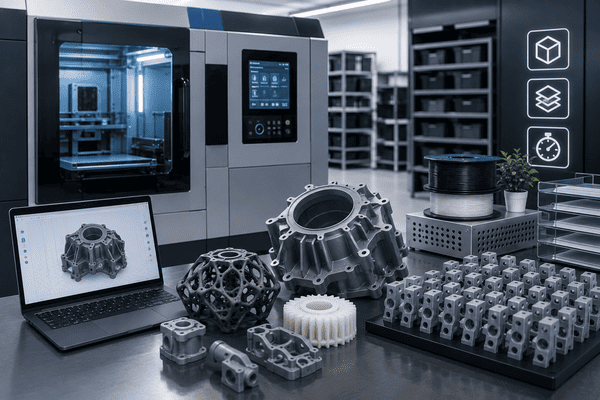
The most important factor in speeding up any quote is a clean and complete 3D CAD file. Without it, engineers cannot evaluate geometry, structure, or manufacturing feasibility.
Common issues that slow down quoting include broken meshes, flipped normals, or files exported directly from design software without checking integrity. Even small geometry errors can require manual repair, which delays the process.
If your design is still in progress, it is better to wait for a stable version before submitting for a quote rather than sending multiple incomplete iterations.

Image Copyright © 3DSPRO. All rights reserved.
Material Selection or Intended Material Range
Material choice has a direct impact on pricing, process selection, and production feasibility. Clearly stating the material, or at least the intended performance requirements, which helps engineers narrow down options immediately.
If you are unsure of the exact material, describe the functional needs such as heat resistance, flexibility, load-bearing strength, and surface quality requirements, which allows the engineering team to recommend suitable alternatives quickly instead of waiting for clarification.
A vague request like “make it strong” is not enough; specifying whether the part needs impact resistance, stiffness, or temperature stability makes a significant difference.
Quantity, Batch Size, and Production Volume
Quantity is one of the most influential pricing factors in 3D printing. A single prototype and a batch of 500 parts follow completely different production logic.
To speed up quoting, always specify:
• Prototype (1–5 pcs)
• Small batch (10–100 pcs)
• Mass production (>100 pcs)
Each category affects:
• Machine scheduling
• Material consumption planning
• Post-processing workflow
• Unit cost optimization
Even if the exact number is not fixed, providing an estimated range helps engineers choose the most efficient production strategy from the start.
Key Dimensions, Tolerances, and Critical Features
Not every dimension in a CAD model is equally important. Highlighting critical dimensions helps engineers focus on functional requirements rather than cosmetic geometry.
Different processes have different achievable tolerances, so this information directly affects process selection. For example, a design requiring high-precision fits may require post-machining or specific printing orientation strategies.
Without this detail, engineers may need to pause the quote to confirm feasibility, which slows everything down.
Surface Finish and Post-Processing Requirements
Surface finish requirements can significantly change both cost and lead time. A part used for internal testing has very different finishing needs compared to a consumer-facing product.
Common finishing requirements include:
• Basic support removal and bead blasting
• Polishing for smoother surfaces
• Spray painting or coating
• Electroplating or anodizing for metal parts
If no finishing requirements are specified, engineers will assume a standard finish, which may not match your expectations.
It is also important to clarify:
• Which surfaces are visible or cosmetic
• Whether internal surfaces need treatment
• Color requirements, if applicable
Clear finishing instructions reduce unnecessary back-and-forth during quotation review.
Functional Purpose and Application Context
One of the most overlooked but critical inputs is the intended use of the part. Understanding the application helps engineers evaluate whether the design is suitable for the chosen manufacturing process.
Key application details include:
• Is the part structural or decorative?
• Will it experience heat, pressure, or chemical exposure?
• Is it part of a moving assembly or static structure?
For example, a bracket used in an industrial machine requires very different material and process choices compared to a visual prototype used for presentation.
Providing context allows 3DSPRO to recommend better alternatives, sometimes even improving the design’s performance or reducing cost.
Delivery Location, Timeline, and Urgency Level
Logistics and production scheduling are tightly connected. A clear delivery expectation helps prioritize and plan the workflow more efficiently.
Express orders may require different production routing compared to standard timelines. Without urgency information, engineers may assume normal lead time planning, which could delay priority handling.
Even a simple note like “needed for product testing next week” helps the team adjust recommendations appropriately.
Assembly Requirements or Multi-Part Systems
Many delays in quoting happen when parts are actually part of a larger assembly but are submitted individually without context.
Assembly requirements directly affect tolerances, material selection, and even printing orientation. For example, mating parts often require controlled shrinkage compensation or post-machining.
If possible, submitting the full assembly file instead of isolated parts can significantly improve quote accuracy and reduce revision cycles.
By standardizing how you prepare quotation requests, you not only reduce communication time but also improve manufacturability outcomes and cost efficiency.
 0
0


COMMENTS
- Be the first to share your thoughts!