 English
  日本語
日本語  Deutsch


When selecting a 3D printing material, engineers often need to balance flexibility, durability, weight, and performance. While materials such as TPU and TPE are widely used for flexible parts, PEBA (Polyether Block Amide) has gained attention as a high-performance elastomer that combines excellent elasticity with outstanding mechanical properties.
PEBA is especially valuable for applications requiring repeated deformation, impact resistance, and lightweight structures. With the growth of industrial 3D printing, PEBA has become an attractive option for functional prototypes and end-use parts in industries such as sports, healthcare, automotive, and consumer products.
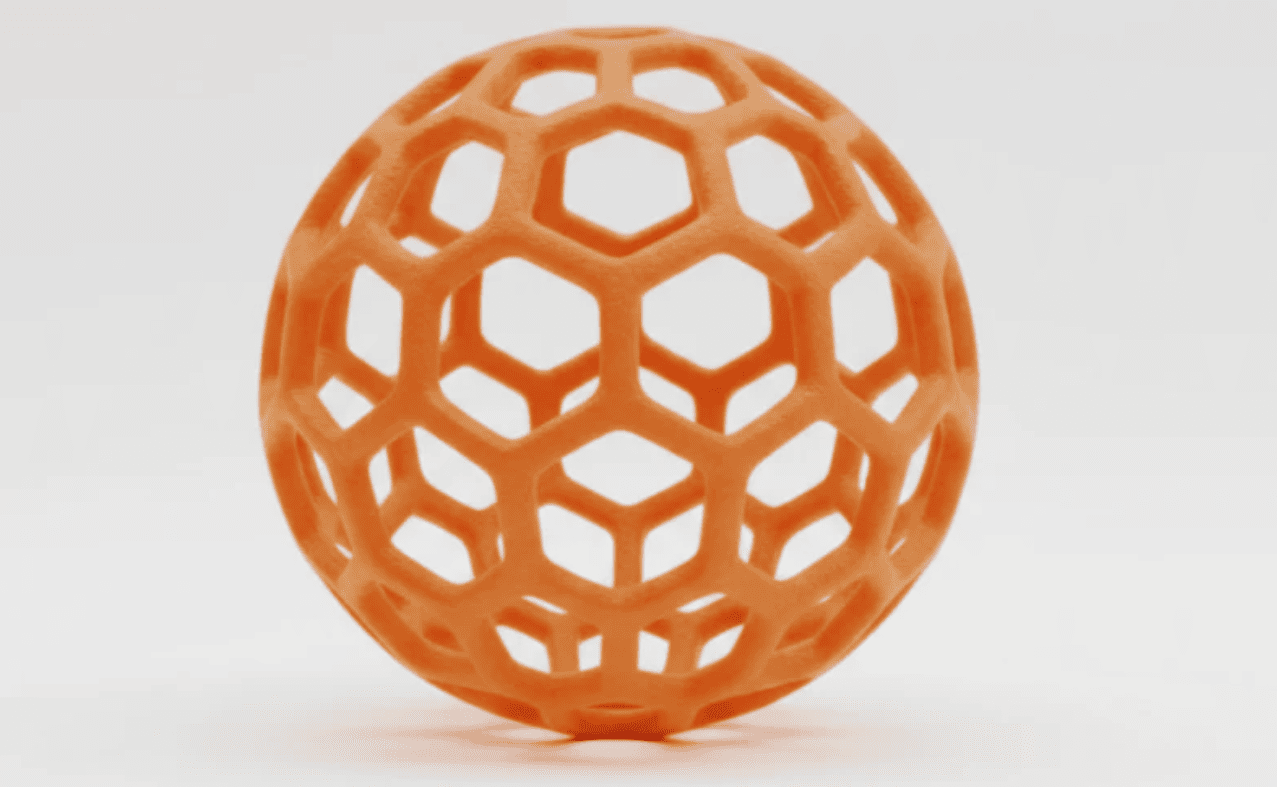
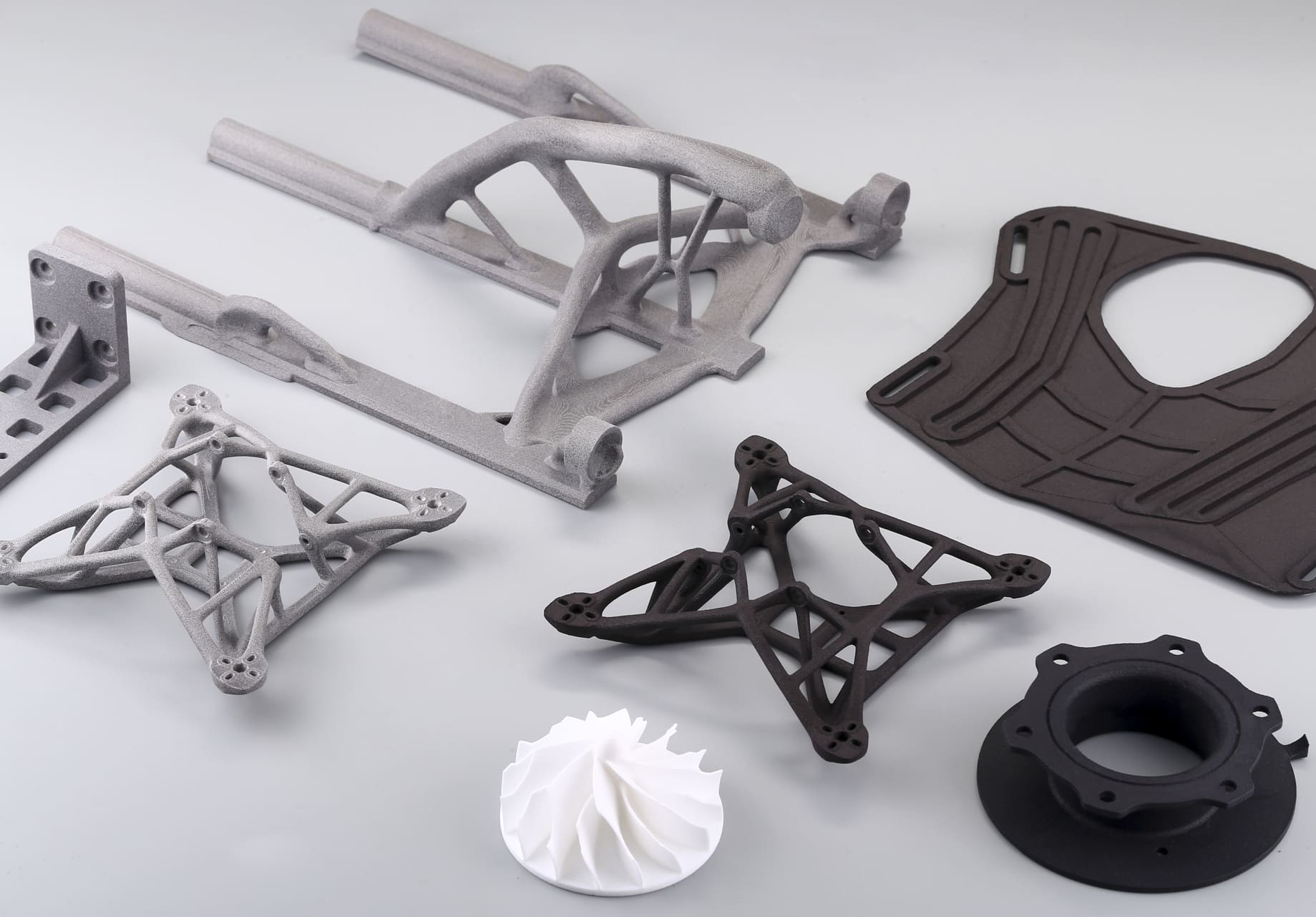
Image Source: Craftcloud
What Is PEBA in 3D Printing?
PEBA (Polyether Block Amide) is a thermoplastic elastomer made from alternating soft polyether segments and rigid polyamide segments. Its unique molecular structure allows PEBA to achieve a combination of rubber-like flexibility and plastic-like strength.
Unlike traditional rigid plastics, PEBA can bend, compress, and return to its original shape after deformation. Compared with many flexible materials, it provides better energy return, fatigue resistance, and long-term durability.
In 3D printing, PEBA is mainly used with powder-based additive manufacturing processes, especially Selective Laser Sintering (SLS). SLS allows PEBA powder particles to be selectively fused layer by layer without requiring support structures. This makes it possible to create complex flexible geometries, lightweight lattice structures, and customized designs.
PEBA is often considered a premium flexible material because it provides performance advantages beyond standard elastomers. It is suitable for applications where ordinary flexible materials may not provide enough resilience or durability.
Key Properties of PEBA 3D Printed Parts
One of the most important characteristics of PEBA is its excellent elasticity. PEBA parts can undergo repeated bending, stretching, or compression while maintaining their original shape. This makes the material suitable for components that experience continuous mechanical movement.
PEBA also offers outstanding fatigue resistance. Many flexible parts fail after repeated cycles because of cracks or permanent deformation. PEBA’s molecular structure helps it withstand repeated loading, making it ideal for applications such as cushioning components and wearable products.
Another advantage is its lightweight performance. PEBA has a relatively low density while maintaining good mechanical strength. Designers can create lightweight parts without sacrificing durability, which is especially important in industries where reducing weight improves product performance.
PEBA also provides good impact resistance and energy absorption. It can effectively absorb shocks and vibrations, making it useful for protective components and performance-oriented products.
In addition, PEBA offers good chemical resistance and low moisture absorption compared with many polyamide-based materials. These properties help maintain stable performance in environments where parts may encounter humidity, oils, or chemicals.
PEBA vs. Other Flexible 3D Printing Materials
|
Material |
Flexibility |
Strength |
Durability |
Typical Applications |
|
PEBA |
Very high |
High |
Excellent fatigue resistance |
Medical devices, sports products, functional prototypes |
|
High |
Medium to high |
Good abrasion resistance |
Phone cases, seals, wearable parts |
|
|
TPE |
High |
Medium |
Depends on formulation |
Consumer products, soft components |
Applications of PEBA 3D Printed Parts
PEBA’s combination of flexibility, durability, and lightweight performance makes it suitable for many industries.
In the sports and footwear industry, PEBA is widely used for cushioning structures and performance components. Its excellent energy return makes it attractive for applications where comfort and impact absorption are important.
In healthcare, PEBA can be used for customized wearable devices, orthotic components, and flexible medical products. Its lightweight properties and ability to create patient-specific geometries make it valuable for personalized solutions.
The automotive industry can also benefit from PEBA parts, especially for lightweight vibration-damping components, protective covers, and flexible functional prototypes. The material’s ability to absorb impact and withstand repeated stress helps improve product reliability.
For consumer products, PEBA can be used to create flexible accessories, protective components, and ergonomic designs. Designers can take advantage of SLS printing to produce complex shapes that would be difficult to manufacture using traditional methods.
Industrial applications include seals, shock-absorbing components, and specialized flexible parts that require durability under demanding conditions.
Pros and Cons of PEBA
Pros
Excellent Elasticity and Energy Return
PEBA can flex, compress, and recover its original shape repeatedly, making it ideal for parts that require cushioning or continuous movement.
Outstanding Fatigue Resistance
Compared with many other flexible materials, PEBA withstands repeated loading cycles without significant loss of performance, making it suitable for long-lasting functional parts.
Lightweight Yet Durable
Its low density allows designers to reduce part weight while maintaining excellent mechanical strength and resilience.
Good Chemical and Moisture Resistance
PEBA resists many oils, greases, and chemicals while absorbing less moisture than many traditional polyamide materials, helping maintain stable performance in various environments.
Supports Complex SLS Designs
PEBA is well suited for Selective Laser Sintering (SLS), enabling the production of intricate geometries, lattice structures, and customized components without support structures.
Cons
Higher Material Cost
PEBA is generally more expensive than commonly used flexible materials such as TPU, which can increase overall production costs.
Limited Material Availability
Compared with TPU and PA12, PEBA is offered by fewer 3D printing service providers and material suppliers.
Requires Specialized Printing Equipment
PEBA is primarily processed using industrial powder-bed fusion technologies such as SLS, making it less accessible than materials compatible with desktop FDM printers.
Not Designed for High-Rigidity Applications
Although mechanically strong for a flexible material, PEBA is not suitable for parts that require high stiffness or heavy structural load-bearing performance.
Processing Parameters Are Important
Achieving consistent part quality requires proper control of printing parameters and post-processing, especially for production-grade applications.
Overall, PEBA is an excellent choice when flexibility, lightweight performance, and long-term durability are more important than minimizing material cost. For demanding functional applications, its performance advantages often outweigh its higher price and more specialized processing requirements.
 0
0


COMMENTS
- Be the first to share your thoughts!