 English
  日本語
日本語  Deutsch


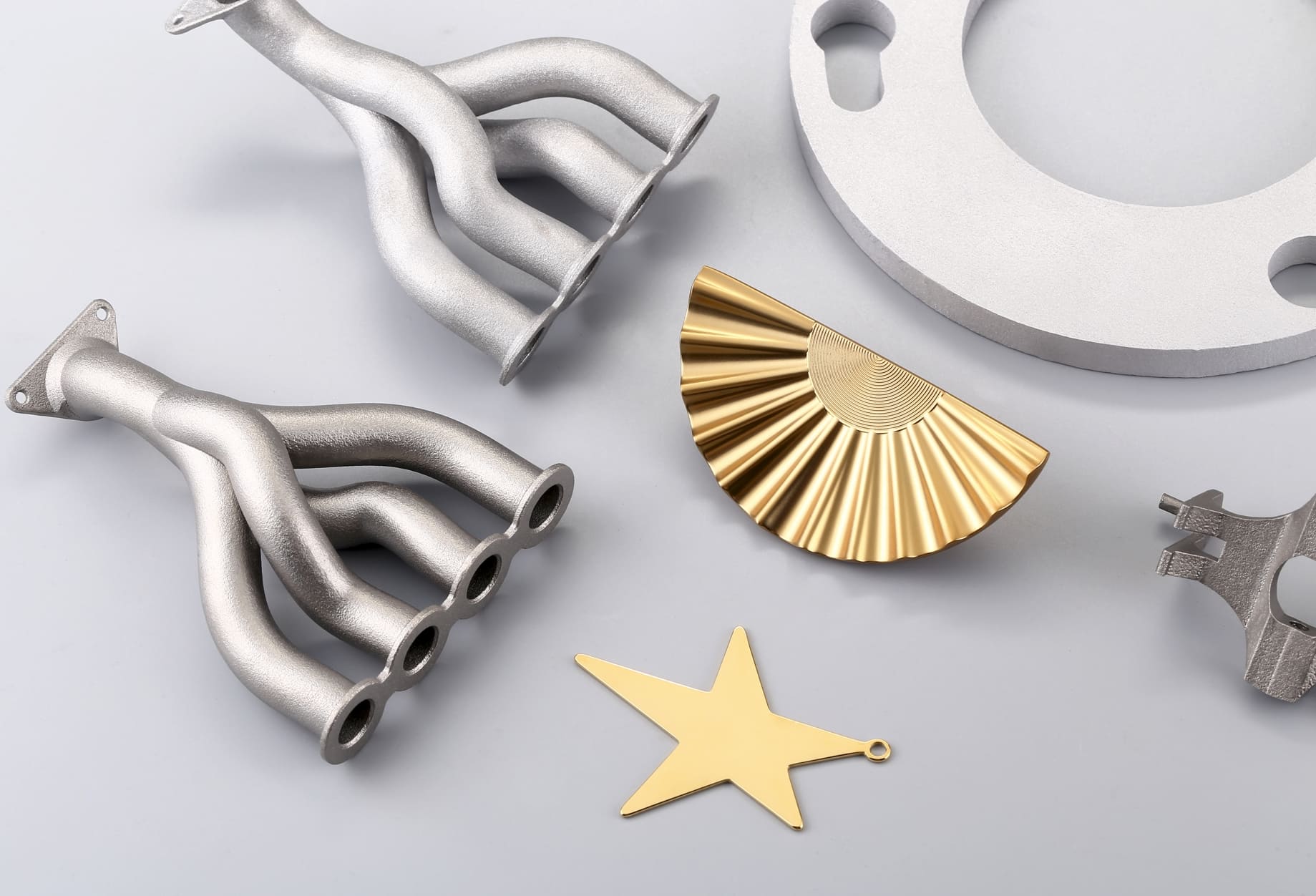
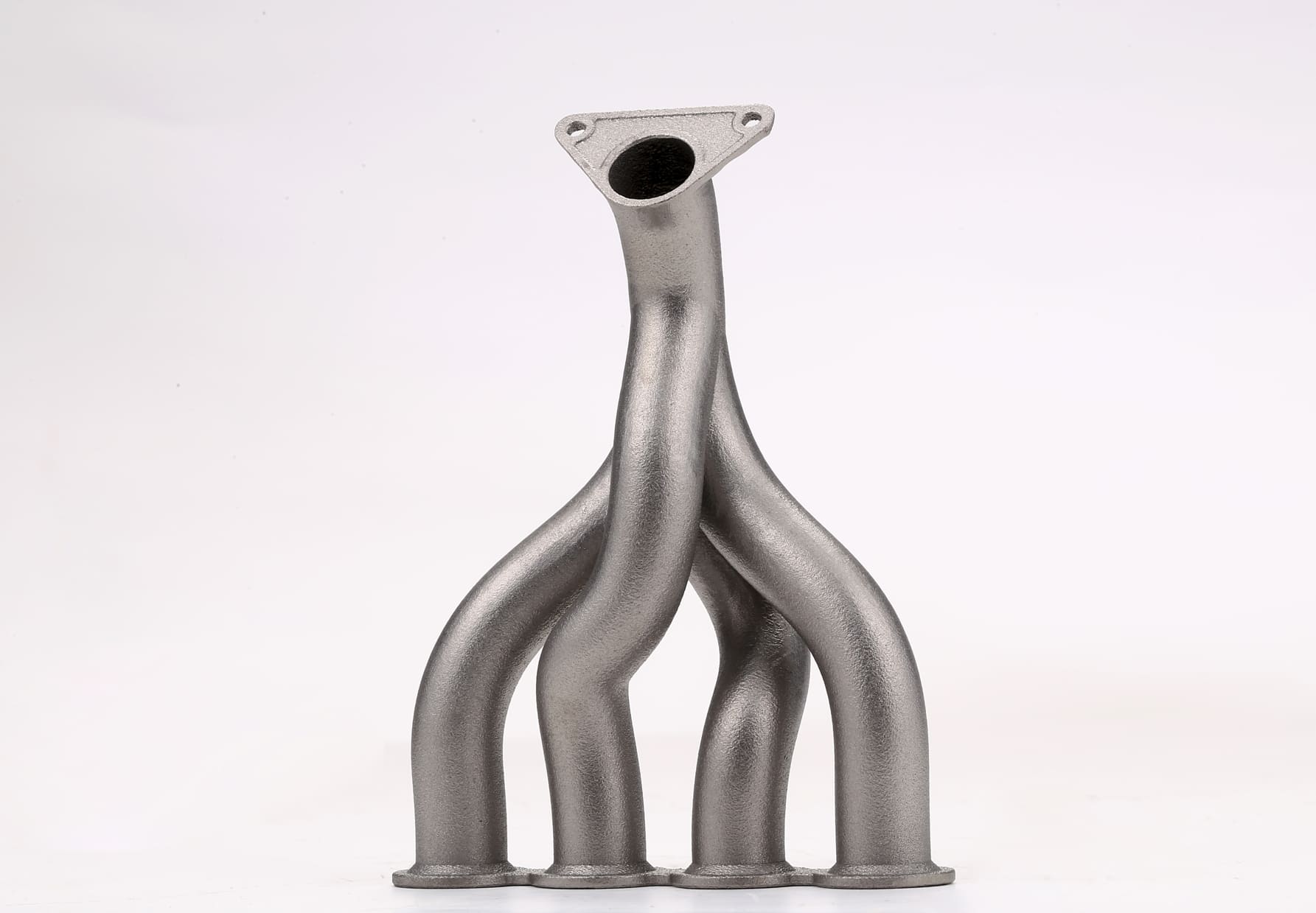
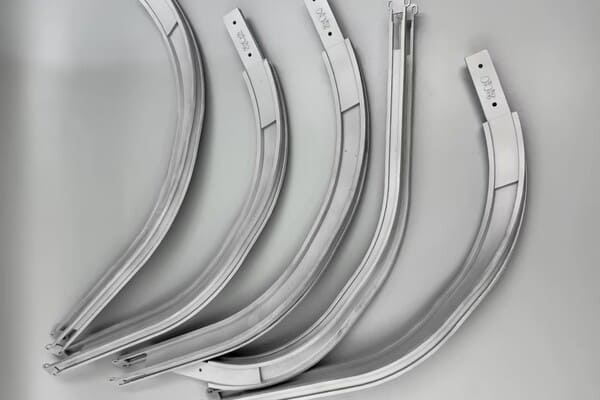
Among the many metal alloys available for 3D printing, stainless steels stand out for their balance of strength, corrosion resistance, and versatility. One particular grade, Stainless Steel 17-4 PH, has become a key material in industries ranging from aerospace to medical devices. Known for its precipitation-hardening properties, 17-4 PH combines high mechanical strength with excellent corrosion resistance, making it ideal for demanding environments.
In this article, we’ll explore what makes 17-4 PH unique, how it performs in Selective Laser Melting (SLM) 3D printing, its mechanical properties, applications, and pros and cons.
What is Stainless Steel 17-4 PH?
Stainless Steel 17-4 PH, also known as Type 630, is a precipitation-hardening martensitic stainless steel. Its name reflects its composition: approximately 17% chromium and 4% nickel, along with copper, niobium, and trace elements.
Key Characteristics:
• High strength and hardness: Achieved through heat treatment (precipitation hardening).
• Corrosion resistance: Comparable to other stainless steels, suitable for mildly corrosive environments.
• Heat treatability: Mechanical properties can be tuned by applying different heat treatment conditions (H900, H1025, etc.).
• Versatility: Used in aerospace, petrochemical, medical, and energy industries.
Unlike austenitic stainless steels such as 316L, 17-4 PH offers superior strength while maintaining good corrosion resistance, which makes it particularly attractive for parts that must withstand high stress and exposure to harsh conditions.
17-4 PH in SLM 3D Printing
Selective Laser Melting (SLM), also known as Laser Powder Bed Fusion (LPBF), is one of the most common processes for printing 17-4 PH. In SLM, a high-powered laser selectively melts layers of fine stainless steel powder to build complex geometries.
Why 17-4 PH Works Well in SLM:
• Near-wrought density: Printed parts can achieve >99% density, rivaling conventionally manufactured components.
• Dimensional stability: Maintains precision even after heat treatment.
• Complex geometries: Enable designs that are impossible with subtractive manufacturing.
• Surface finish: With optimized parameters, SLM delivers smooth surfaces suitable for functional parts.
SLM of 17-4 PH requires careful control of parameters to minimize residual stresses, porosity, and distortion. Post-processing steps such as heat treatment, machining, and polishing are often necessary to achieve final specifications.
Mechanical Properties of 3D Printed 17-4 PH
• Strength and hardness: Printed 17-4 PH offers high tensile strength and hardness, especially after heat treatment, which makes it suitable for load-bearing and high-stress applications.
• Corrosion resistance: Its resistance to corrosion is comparable to wrought stainless steels, allowing use in marine, chemical, and medical environments.
• Heat treatability: One of its standout features is the ability to tailor properties through heat treatment. Different conditions (like H900 or H1025) can adjust strength, hardness, and ductility to match specific needs.
• Density and integrity: With optimized printing parameters, parts can achieve near-full density, minimizing porosity and ensuring reliability.
• Microstructure: The fine martensitic structure formed during printing contributes to its strength, while precipitation hardening enhances toughness.
• Ductility: While strong, it is less ductile than austenitic stainless steels like 316L, meaning it sacrifices some flexibility for higher strength.
SLM 3D Printed Stainless Steel 17-4 PH Properties at 3DSPRO:
|
Properties |
Test Methods |
Parameters |
|
Hardness |
ASTM E18 |
38 HRC |
|
Relative Density |
ASTM B923 |
96.4% |
|
Tensile Strength |
ASTM E8 |
1230MPa |
|
Tensile Modulus |
ASTM E8 |
170GPa |
|
Elongation at Break |
ASTM E8 |
13% |
|
Yield Strength |
ASTM E8 |
1050MPa |
|
Corrosion |
ASTM F1089 |
PASS |
Applications of 3D Printed 17-4 PH
Aerospace
• Structural brackets and housings: Lightweight yet strong, reducing aircraft weight while maintaining reliability.
• Turbine blades and engine components: Withstand high temperatures and stresses, critical for propulsion systems.
Medical
• Surgical instruments: Corrosion-resistant tools that maintain sharpness and strength after repeated sterilization.
• Dental implants and orthodontic devices: Biocompatibility and mechanical strength make 17-4 PH suitable for long-term use.
• Custom prosthetics: Additive manufacturing allows patient-specific designs, improving comfort and functionality.
Energy
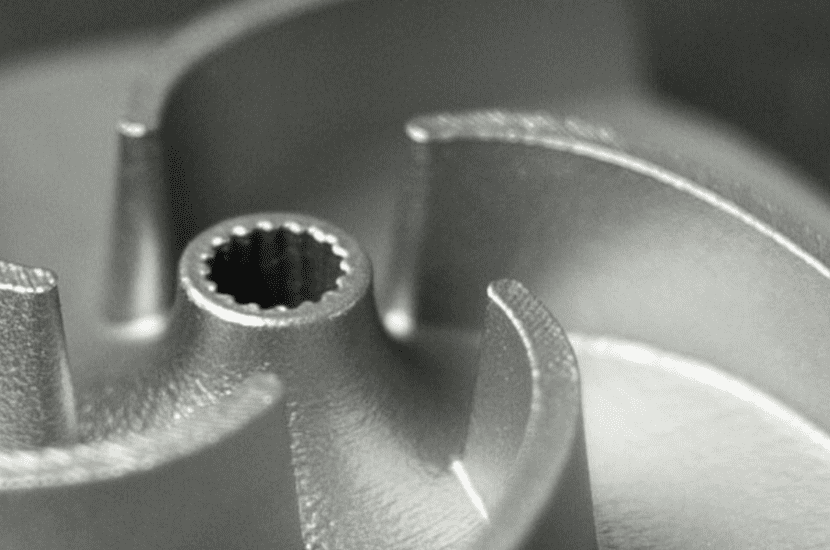
• Valves, pumps, and impellers: Operate in corrosive environments such as offshore platforms and chemical plants.
• Pipeline components: High strength and corrosion resistance extend service life in harsh conditions.
• Turbomachinery parts: Reliable under high stress and temperature, essential for power generation.
Automotive
• High-performance engine parts: Strong, heat-resistant components for racing and performance vehicles.
• Brackets, fasteners, and housings: Durable parts that withstand vibration and mechanical stress.
• Rail and marine applications: Corrosion resistance makes it suitable for coastal and humid environments.
Industrial Equipment and Tooling
• Jigs and fixtures: Strong, durable tools for manufacturing environments.
• Custom tooling: Tailored designs reduce production time and improve precision.
• Wear-resistant components: Handles repetitive stress in industrial machinery.
Pros and Cons
|
Aspect |
Pros |
Cons |
|
Strength & Hardness |
High tensile strength and hardness, especially after heat treatment |
Less ductile than austenitic stainless steels (e.g., 316L) |
|
Corrosion Resistance |
Comparable to wrought stainless steels, suitable for marine and chemical environments |
Not as resistant as specialized alloys like duplex stainless steels |
|
Heat Treatability |
Properties can be tailored through precipitation hardening (H900, H1025, etc.) |
Requires careful heat treatment to avoid brittleness |
|
Density & Integrity |
Near-wrought density (>99%) achievable with optimized SLM parameters |
Residual stresses and porosity possible if parameters are not well controlled |
|
Design Freedom |
Enables complex geometries and lightweight structures not possible with traditional methods |
Surface finish may require polishing or machining for critical applications |
|
Cost & Accessibility |
High-performance material available through additive manufacturing services |
More expensive than common stainless steels like 304 or 316L |
|
Reliability |
Stable mechanical properties after post-processing, suitable for critical industries |
Post-processing (heat treatment, machining) adds time and cost |
3D Printing Stainless Steel 17-4 PH at 3DSPRO
At 3DSPRO, we deliver advanced Selective Laser Melting (SLM) 3D printing services designed for high-performance applications, specializing in materials like 17-4 PH stainless steel for exceptional strength, durability, and corrosion resistance. Our proprietary 3D Plus™ solution enhances precision, efficiency, and consistency across complex geometries, enabling clients to achieve production-ready parts with superior mechanical properties and surface quality. Whether for aerospace, medical, or industrial innovation, 3DSPRO combines cutting-edge technology with expert engineering to transform ideas into reliable, high-value components.
Upload 3D Files to 3D Print 17-4 PH Today >>
 1
1


COMMENTS
- Be the first to share your thoughts!