 English
  日本語
日本語  Deutsch


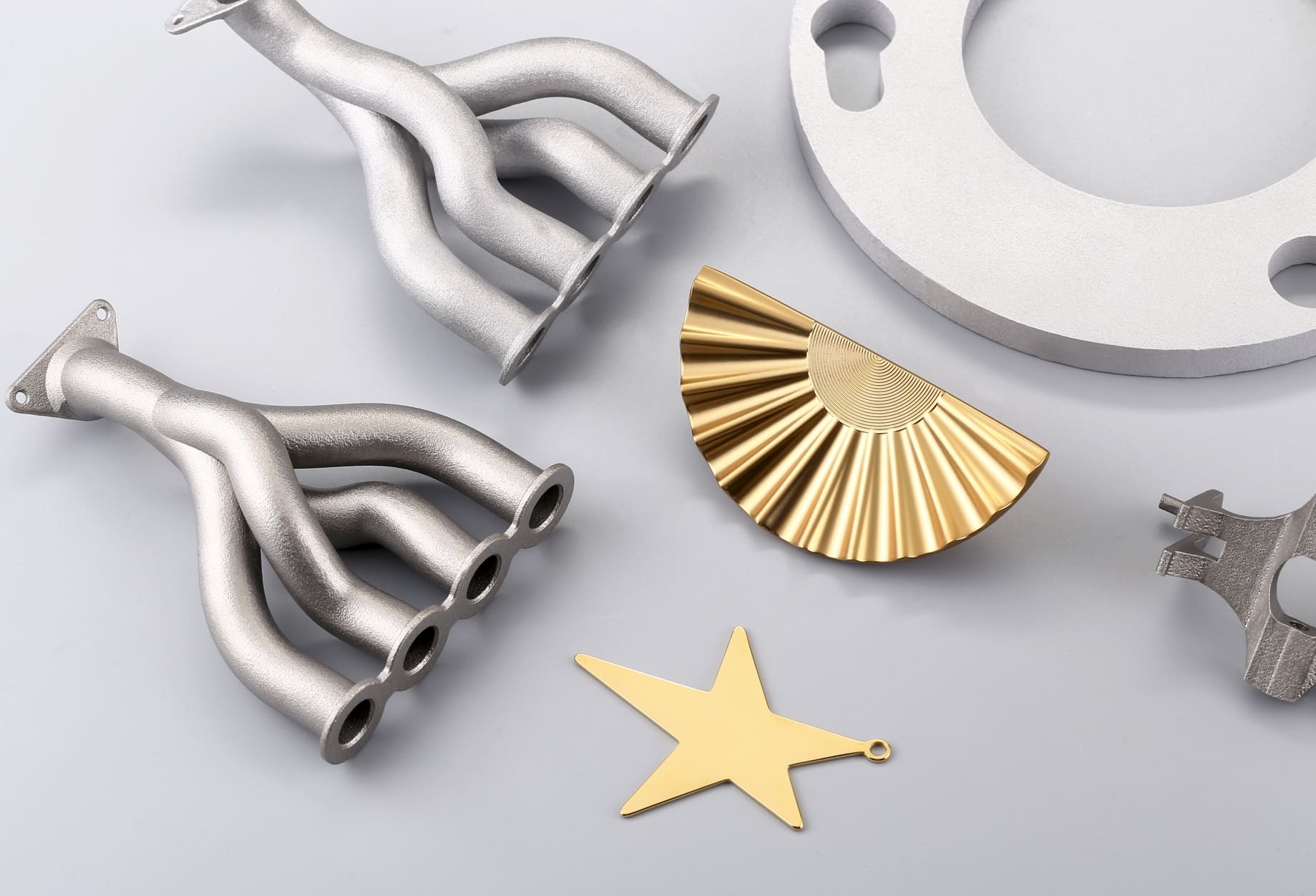
Electroplating is one option in the finishing toolbox, and it is not always the right answer for every part. In practice, people may compare it with spray coating and vacuum metallization, then decide which finish best fits the part’s appearance, durability, cost, and end use.
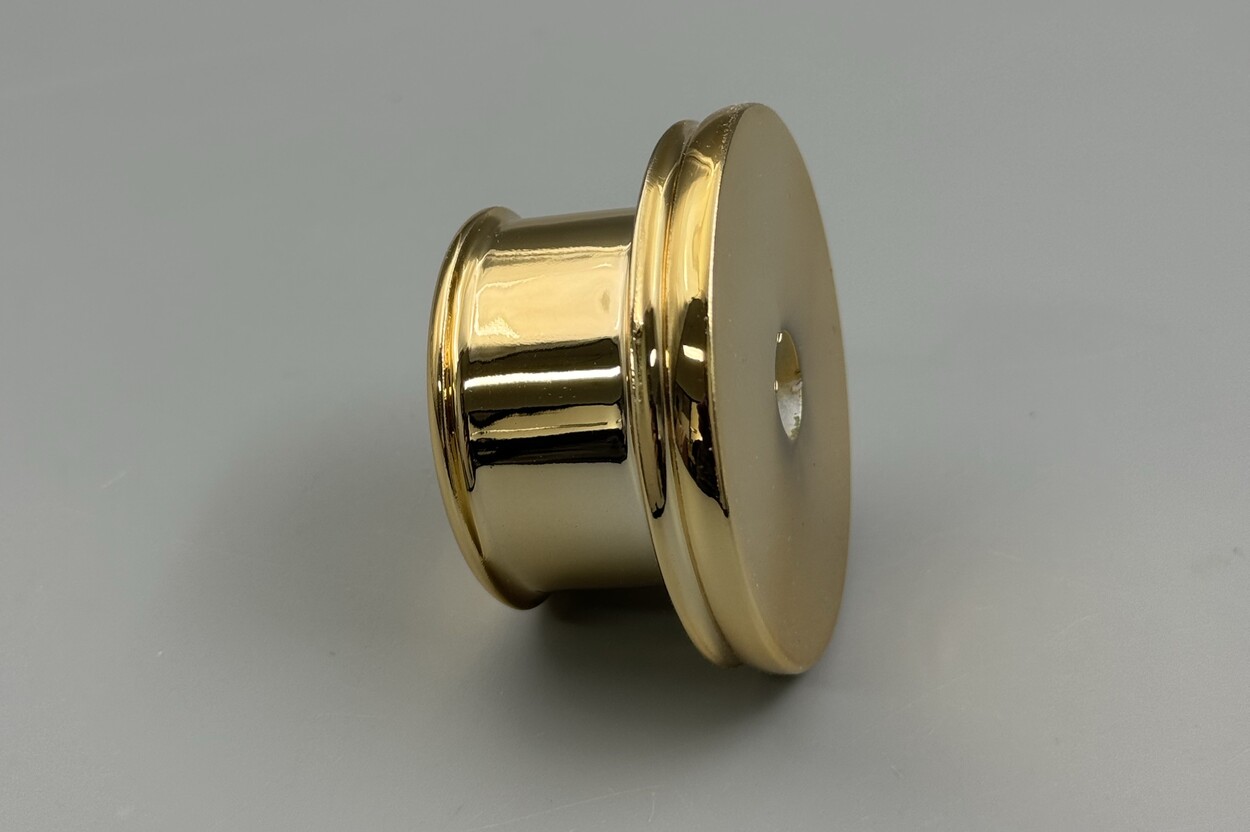
Image Copyright © 3DSPRO. All rights reserved.
Plating Methods: Spray Coating, Water Plating, and Vacuum Plating
Spray coating is a surface-coating process in which liquid or powder materials are applied to a substrate by spraying, then dried or cured. It is useful when you want coverage over large surfaces or complex shapes, but it is not the same as metal plating because it does not build a true metallic layer by electrochemical deposition.
By contrast, wet electroplating deposits metal from a liquid electrolyte bath using electrical current.
Vacuum plating usually refers to vacuum metallization or related vacuum-deposition processes. In vacuum metallization, a metal such as aluminum or copper is vaporized in a vacuum chamber and then condenses onto the substrate to form a thin coating. Because the coating is formed in a vacuum environment rather than a liquid bath, the look and performance can differ from traditional electroplating.
For customers, the practical difference is simple: spray coating is mainly a painted or coated finish, wet plating is a chemical and electrical metal deposition process, and vacuum plating is a thin-film deposition process. All three can create attractive surfaces, but they serve different goals. Spray coating is usually better when you need color and quick coverage; wet plating is better when you want a true metal finish; vacuum plating is often chosen for a metallic look on non-metallic parts.
Plating Materials: Nickel, Chrome, and Palladium
Among common plating materials, nickel is one of the most important because it offers corrosion resistance, wear resistance, brightness, and good adhesion for later coating layers. The Nickel Institute notes that nickel is often used as an undercoat, including under chromium. That is one reason nickel appears so often in decorative and functional finishing systems.
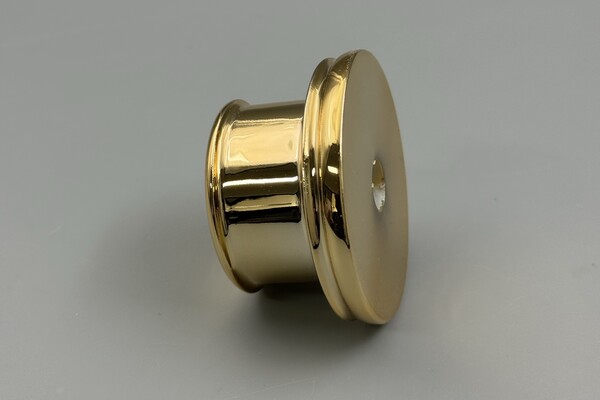
Chrome plating is widely used when a bright, durable, decorative finish is needed. The International Chromium Development Association explains that decorative chrome is thinner than hard chrome and is mainly used for appearance and protection against corrosion and wear. In many decorative systems, chrome is the top visible layer over nickel.
Palladium is a precious metal finish used more selectively, but it is valuable in both decorative and functional applications. Scientific literature notes that electroplated palladium can produce fine-grained deposits with useful properties such as hardness and high reflectivity. In practice, palladium is often chosen when a premium finish or a more specialized coating stack is needed.
Why Conventional Water Plating Often Uses Nickel + Gold
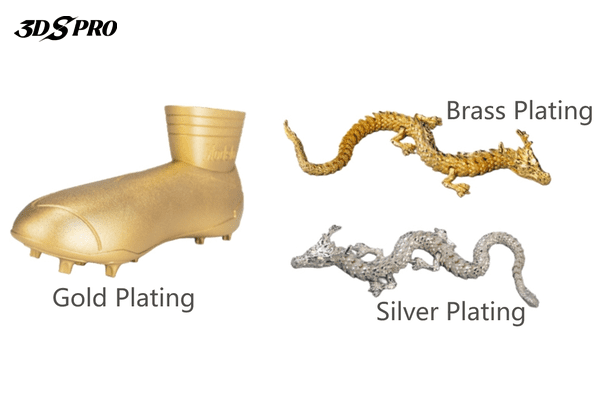
A common wet-plating stack is nickel plus gold. Nickel works well as a base layer because it provides adhesion, corrosion resistance, and wear resistance, while gold is added on top for its stable appearance and oxidation resistance. This layered approach is widely used in technical plating systems because the nickel layer supports the top finish and helps the coating perform more reliably.
In many applications, the gold layer is relatively thin while the nickel layer does much of the structural work underneath. That is why the nickel-and-gold combination is so common: gold gives the desired premium look, while nickel provides the barrier and support. In other words, gold is often the visible face of the finish, but nickel is doing much of the hidden work.
That said, the nickel-plus-gold stack is not automatically the best choice for every part. It makes sense in many decorative and electronic uses, but the final decision should still depend on function, required durability, and whether the part will touch skin or food.
Choosing the Right Plating for Jewelry
Jewelry deserves extra attention because it sits directly on the skin for long periods. Nickel allergy is the most common identifiable cause of metal-related contact dermatitis, and jewelry is one of the most common sources of exposure. For that reason, a plating choice that looks excellent on a machine part may not be the safest or most comfortable option for a ring, pendant, or bracelet.
For jewelry, the priority is often appearance plus skin compatibility. Precious-metal finishes such as gold, palladium, or other carefully selected top layers may be better choices than nickel-heavy systems when the item will be worn against the skin. The right answer depends on the design, budget, and required color tone, but skin-contact products should always be evaluated with safety in mind.
This is especially important because a finish that works well for a display piece or industrial component can still cause problems for daily-wear jewelry if nickel exposure becomes an issue. A customer may only care about color at first, but long-term comfort and user safety matter just as much.
Safety Considerations for Nickel Plating
Nickel is not “bad” in every context, but it does require caution. Nickel allergy is common enough that it should be treated as a real design and product-safety issue, particularly for consumer goods, accessories, and jewelry. The concern is not just the metal itself, but the possibility of repeated skin contact and allergic reaction over time.
When nickel is used in a plating stack, the key questions are whether the nickel layer will be exposed, how much skin contact the final product will have, and whether another top layer will fully cover it. If a part is meant for decorative use only and will not touch skin, nickel may be acceptable. If it will be worn as jewelry or handled constantly, a safer surface strategy may be needed.
This is also why “nickel-free” is not just a marketing phrase. For skin-contact products, it should reflect the actual material stack and the intended use of the item. Clear communication between the customer and manufacturer is important so that the finish is chosen for both performance and safety.
How to Choose the Right Plating Method
The best plating method depends on what the part must do. If you need a metallic surface with a strong visual appeal, wet plating with nickel, chrome, gold, or palladium may be the right direction. If you need a painted or colored finish with simpler processing, spray coating may be enough. If you need a thin metallic film on a non-metal part, vacuum metallization may fit better.
A good selection process should ask four questions: Is the part decorative or functional? Will it touch skin? Does it need a real metal layer or just a metallic look? And what level of cost and process complexity is acceptable? Those answers usually point to the right finish much faster than choosing by appearance alone.
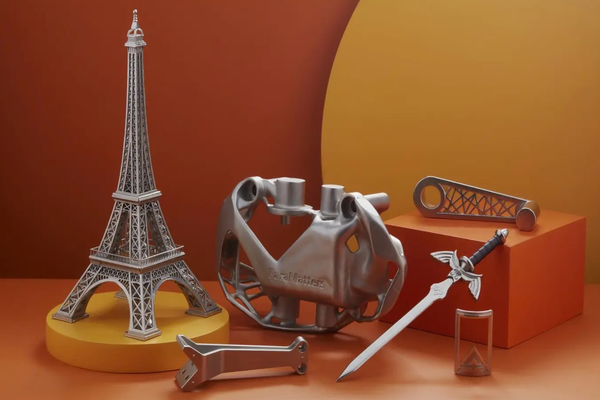
For 3D printed parts, it is also wise to discuss surface preparation before finishing. Even the best plating method will not hide a poor base surface completely, so the print quality, smoothing steps, and geometry all matter. Choosing the right method is not only about the plating bath; it is about the whole process from design to final use.
 0
0


COMMENTS
- Be the first to share your thoughts!