 English
  日本語
日本語  Deutsch


Why Electroplating Requires Special Design Considerations
Electroplating is a popular post-processing option for 3D printed parts, especially when a metallic appearance, improved durability, or enhanced surface properties are required. It can transform a standard printed component into a high-end, visually appealing product.
Unlike basic finishing processes such as painting or dyeing, electroplating involves immersing parts in a series of chemical baths while applying an electrical current. The process deposits a thin metal layer, such as nickel, chrome, or gold, onto the surface of the part.
Because of this, the geometry, structure, and surface condition of your part play a critical role in determining the outcome. Electroplating does not “fix” design flaws; instead, it tends to highlight them. Irregular surfaces, weak structures, and poor drainage designs can all lead to visible defects or functional problems after plating.
Additionally, the process requires physical handling, including attaching the part to fixtures and moving it through multiple stages, which means your design must account for mechanical stress during processing.
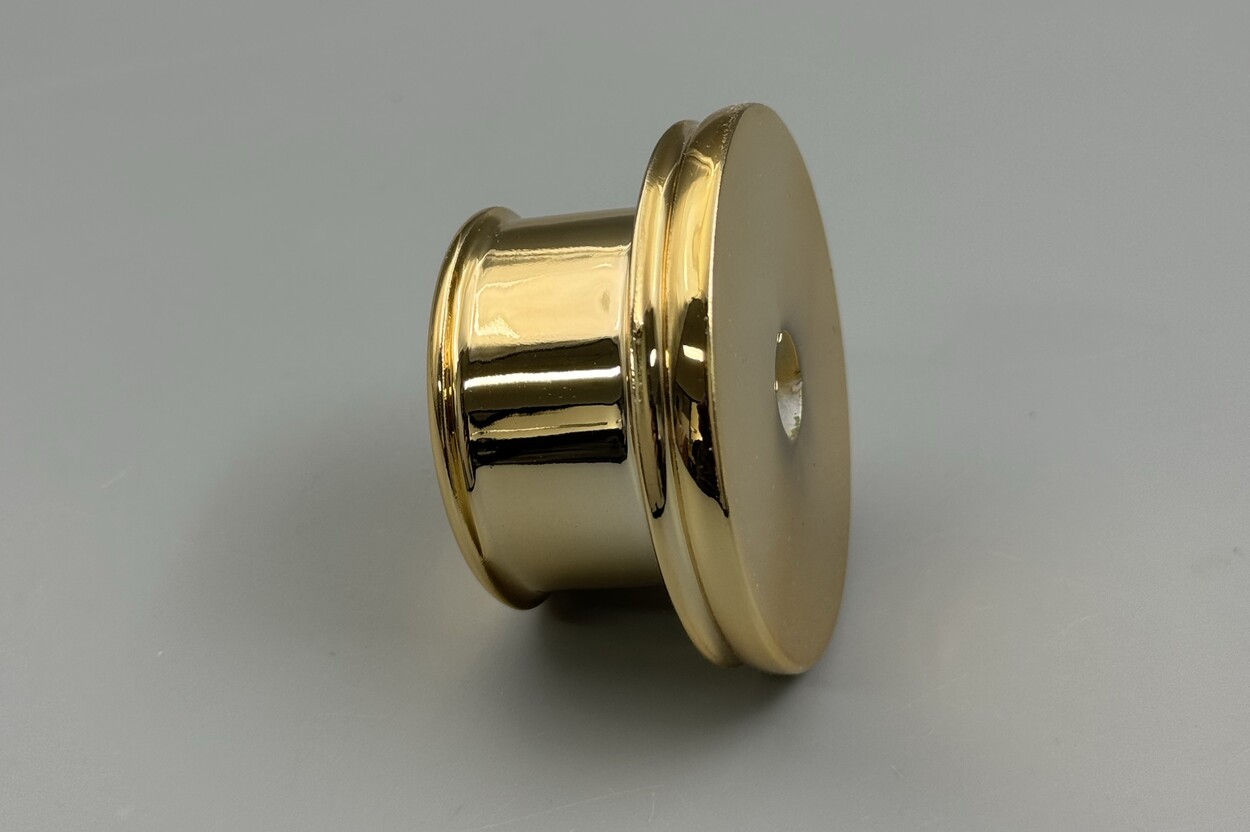
Image Copyright © 3DSPRO. All rights reserved.
Hanging Points: A Necessary but Overlooked Factor
One of the most important yet often overlooked aspects of electroplating is the need for hanging points (also known as contact points). During the plating process, parts must be securely attached to a rack or fixture to ensure proper electrical conductivity and positioning.
These hanging points create physical contact areas on the part, which can vary in size depending on the design and requirements. While necessary, they introduce several challenges.
First, the contact area may leave slight marks or inconsistencies on the surface after plating. For this reason, it’s important to position hanging points in non-critical or less visible areas of the part whenever possible.
Second, and more importantly, the structural integrity of the hanging area must be carefully considered. During electroplating, parts may undergo movement such as agitation or spinning to ensure even coating. If the hanging point is too thin or fragile, it can break during processing. This not only damages the part but can also disrupt the entire batch.
To avoid these issues, designers should:
• Ensure hanging areas are strong enough to support the part throughout the process.
• Avoid extremely thin connectors or delicate features at contact points.
• Plan for minor surface imperfections at the contact location.
Hollow and Lattice Structures: Risk of Residual Liquid
Hollow and lattice structures are common in 3D printing, especially for lightweighting or complex internal geometries. However, these designs can create serious challenges during electroplating.
The process involves multiple immersion steps in different chemical solutions, followed by rinsing and drying. For parts with internal cavities, enclosed spaces, or intricate lattice structures, it can be difficult to completely remove these liquids.
Even when cleaning holes are included, residual liquid may still remain trapped inside the part. This can lead to several problems:
• Leakage of chemicals after processing
• Long-term corrosion or material degradation
• Contamination that affects part performance or safety
In some cases, trapped liquid may not be immediately visible, which makes the issue even more problematic over time.
To minimize these risks, consider the following design guidelines:
• Include adequately sized drainage and cleaning holes.
• Avoid fully enclosed cavities when possible.
• Simplify internal geometries if electroplating is required.
• Ensure that all internal channels allow for proper fluid flow.
Surface Finish: The Foundation of Good Electroplating
Surface quality is one of the most critical factors in achieving a successful electroplated finish. A common misconception is that electroplating can hide surface imperfections. In reality, it does the opposite—it amplifies them.
Any roughness, layer lines, or defects present on the original 3D printed part will remain visible, and in some cases become even more pronounced after plating. Additionally, poor surface conditions can affect coating adhesion, leading to uneven or unreliable results.
For example, parts produced with standard 3D printing processes often exhibit visible layer lines. If these are not properly smoothed before plating, the final metallic surface may appear uneven or textured rather than sleek and polished.
To achieve high-quality results, pre-processing is essential. This may include:
• Sanding to remove layer lines
• Polishing to create a smooth base surface
• Applying intermediate coatings or primers if needed
The smoother the original surface, the better the final electroplated finish will be. Investing time in proper surface preparation can make a significant difference in both appearance and performance.
Practical Design Tips for Better Electroplating Results
To ensure your 3D printed parts are well-suited for electroplating, it’s helpful to follow a set of practical design guidelines. These recommendations can help you avoid common pitfalls and achieve more consistent results.
1. Plan for Hanging Points Early
Designate strong, non-critical areas for fixture contact. Avoid placing them on visible or functional surfaces whenever possible.
2. Reinforce Structural Integrity
Ensure that thin features or delicate sections can withstand handling and movement during processing.
3. Optimize for Drainage
Incorporate sufficient drainage holes in hollow parts. Make sure internal cavities are accessible and allow fluid to flow freely.
4. Simplify Complex Geometries
Highly intricate designs may increase the risk of uneven plating or trapped chemicals. Simplifying geometry can improve reliability.
5. Prioritize Surface Preparation
Aim for the smoothest possible surface before plating. Consider additional finishing steps as part of your production plan.
6. Collaborate with Your Manufacturing Partner
Working with an experienced service provider like 3DSPRO early in the design phase can help identify potential issues and optimize your part for electroplating.
When Electroplating Is (and Isn’t) the Right Choice
Electroplating offers clear advantages, but it is not always the best solution for every application. Understanding when to use it and when to consider alternatives can save time, cost, and frustration.
Electroplating is a good choice for:
• Decorative parts requiring a metallic appearance
• Components that benefit from improved surface hardness or wear resistance
• Products where visual quality and finish are a priority
Electroplating may not be ideal for:
• Parts with highly complex internal geometries
• Designs with extremely fine or fragile features
• Components that cannot accommodate hanging points or drainage requirements
In these cases, alternative finishing methods such as painting, vapor smoothing, or coating technologies may provide better results with fewer risks.
 0
0


COMMENTS
- Be the first to share your thoughts!