 English
  日本語
日本語  Deutsch


What Counts as an Optical Part?
An optical part is any component designed to transmit, reflect, guide, diffuse, or shape light. These parts are used in everything from consumer electronics to industrial tools, medical devices, lighting systems, and imaging equipment.
Common optical parts include:
• Lenses
• Light guides
• Diffusers
• Transparent covers
• Protective windows
• Camera or sensor housings
• Display elements
• Lighting components
• Prototype parts for optical assemblies
Some optical parts need true transparency. Others only need controlled light behavior, such as spreading light evenly or blocking glare. In many projects, the part is not a lens in the strict sense, but it still affects how light behaves inside the system. That means even a small surface defect or dimensional error can create a visible problem.
Therefore, optical parts are judged not only by shape, but also by clarity, smoothness, consistency, and how well they perform under real-world conditions.
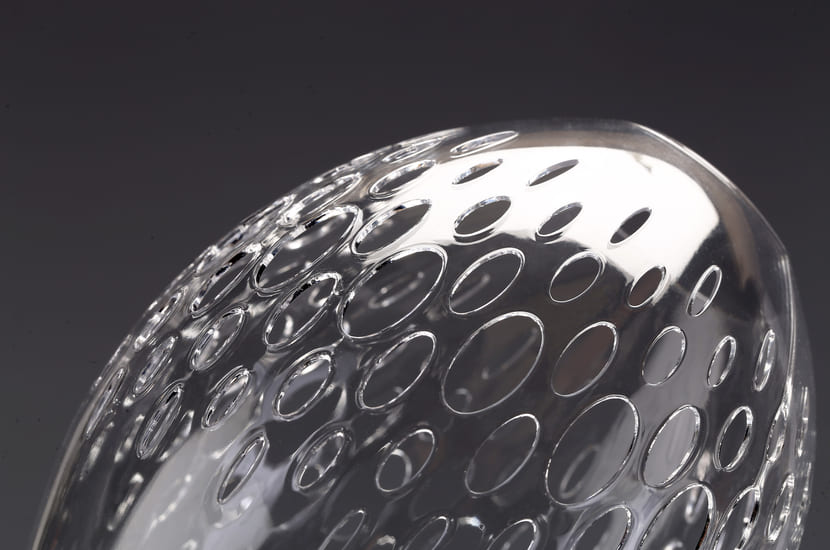
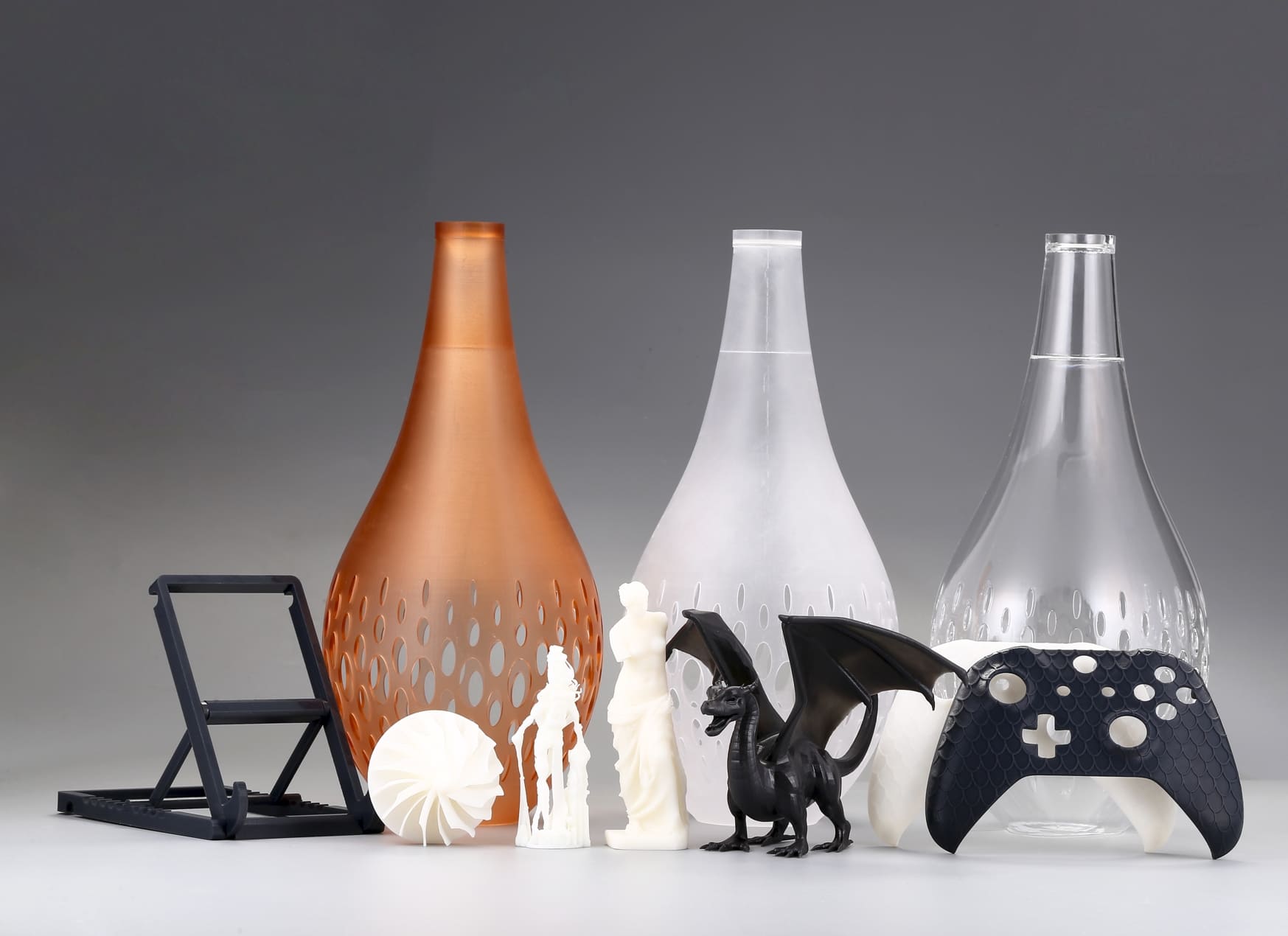
Image Copyright © 3DSPRO Limited. All rights reserved.
What Matters Most in Optical Part Production
When making optical parts, several factors matter more than they do in ordinary plastic parts.
Clarity and Light Transmission
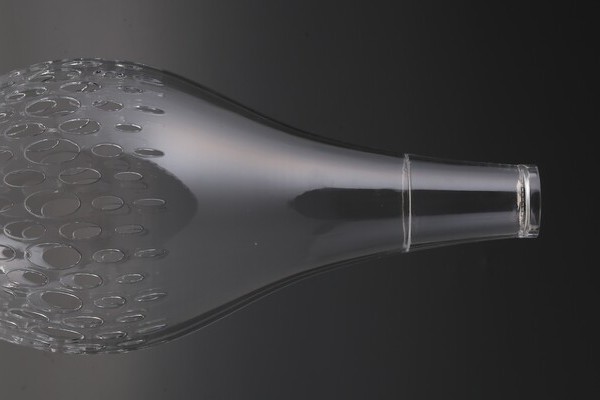
If the part needs to let light pass through, clarity is critical. Any cloudiness, streaking, or internal defect can reduce performance.
Surface Finish
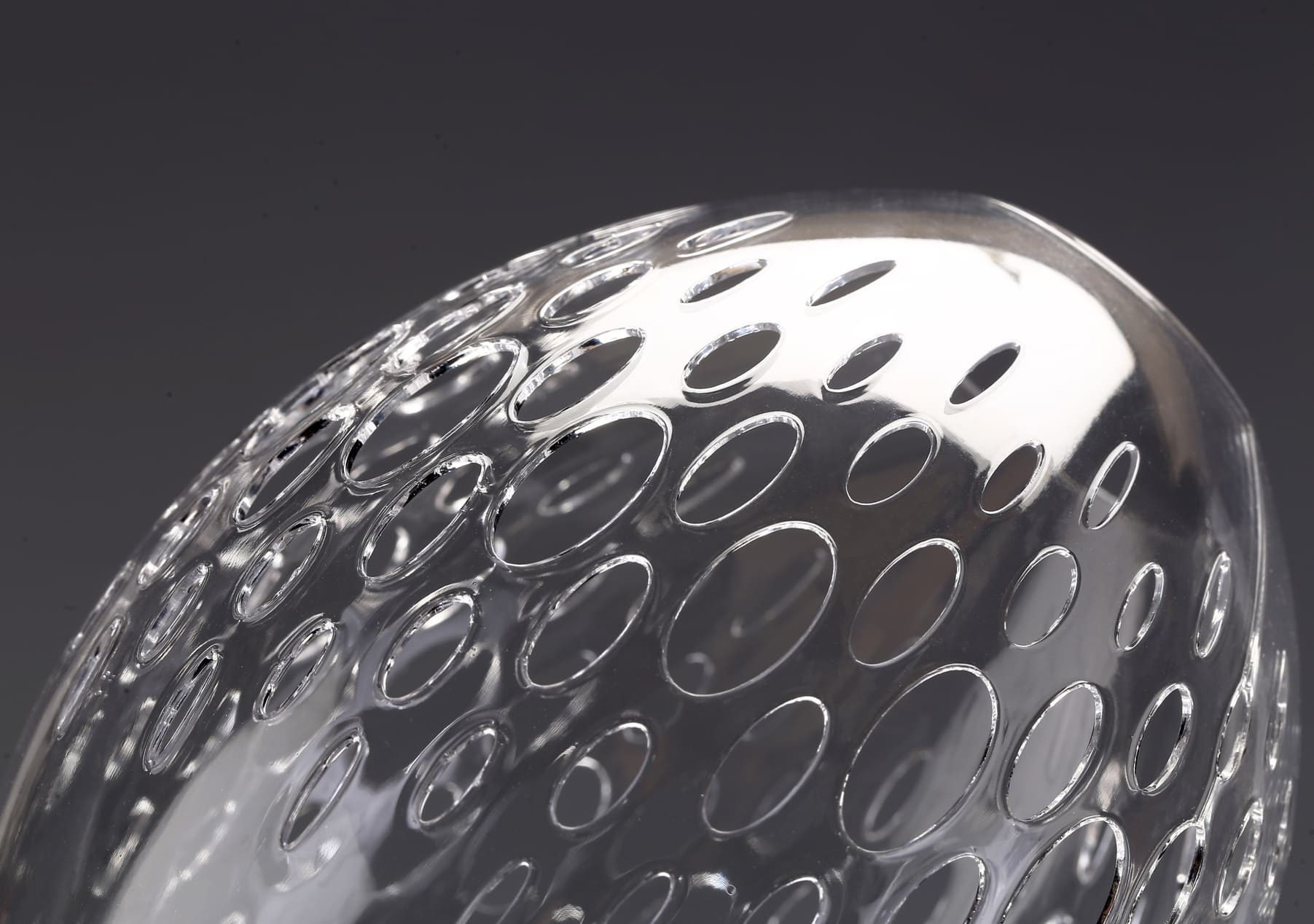
Surface quality has a major effect on optical behavior. Even if a part has the right geometry, a rough surface may scatter light in unwanted ways.
Dimensional Accuracy
Optical components often need to align precisely with LEDs, sensors, lenses, or other assemblies. A small dimensional shift can change the optical result.
Repeatability
If every part needs to behave the same way, consistency matters just as much as the first sample.
Material Stability
Optical parts may be exposed to heat, UV light, moisture, or physical stress. Over time, the material must keep its shape and appearance.
Production Volume
A process that works well for ten prototype parts may not be the best choice for ten thousand finished parts.
When 3D Printing Is a Better Choice
3D printing is often the better choice during development, customization, and low-volume production. It gives teams speed and flexibility, which are especially useful when the design is still changing.
1. Early-Stage Prototyping
If the optical part is still in development, 3D printing is a practical way to test form, fit, and function. Designers can quickly revise wall thickness, geometry, mounting features, or internal channels without waiting for tooling changes.
For optical projects, speed is valuable. It lets teams evaluate whether the part fits correctly inside the assembly and whether the light path behaves as expected before investing in higher-cost manufacturing.
2. Low-Volume Production
3D printing works well for short runs, custom orders, and limited-production parts. If only a small number of pieces are needed, there is no need to pay for a mold.
This is especially useful for specialized equipment, laboratory devices, custom lighting fixtures, or one-off industrial applications.
3. Complex Geometry
Some optical parts have shapes that are difficult or expensive to mold. Internal channels, unusual contours, lattice structures, and integrated mounting features can often be produced more easily with 3D printing.
This does not mean every complex optical part should be printed, but it does mean the design freedom is much greater.
4. Fast Design Changes
When an optical design is still being refined, 3D printing helps teams move quickly. A design can be printed, tested, adjusted, and reprinted in a short time. That makes it easier to improve performance without locking into a final production method too early.
5. Custom or Specialized Parts
If every part needs to be slightly different, or if the component is meant for a niche use, 3D printing is often the most efficient option. It is especially useful for tailored fixtures, prototypes, or experimental optical systems.
In short, 3D printing is best when flexibility, speed, and low setup cost matter most.
When Injection Molding Is a Better Choice
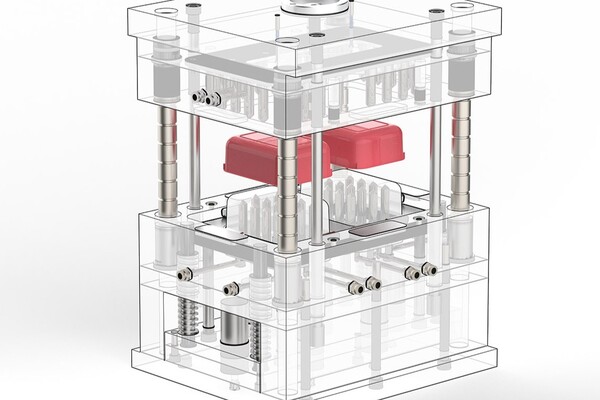
Injection molding is usually the better choice when the goal is high-volume production, strong consistency, and lower cost per part at scale.
1. High-Volume Production
Once a design is finalized and large quantities are needed, injection molding becomes very attractive. Although tooling requires an upfront investment, the cost per part drops significantly as production volume increases.
For consumer products, lighting components, and commercial devices, this can be the most economical long-term solution.
2. Strong Repeatability
Injection molding is known for producing parts that are highly consistent from one piece to the next. That is important when optical performance must stay stable across a production run.
If every unit must fit into the same housing, align the same way, or produce the same optical effect, molding is often the safer choice.
3. Better Production-Ready Surface Quality
For many applications, injection molding can produce a smoother and more refined finish right out of the tool. That can reduce the amount of post-processing required and help achieve a more polished final appearance.
This is especially important for visible parts in consumer products, displays, and lighting systems.
4. Long-Term Programs
If a product will be manufactured for a long period, the initial mold cost becomes easier to justify. Over time, the process can become more efficient and more cost-effective than producing each part individually.
5. Stable Final Design
Injection molding is best when the design is already mature. Because changing the mold later can be expensive, it makes sense only after the geometry, tolerances, and material choice are mostly settled.
So, injection molding is the stronger option when volume, consistency, and production efficiency are the priorities.
Side-by-Side Comparison
|
3D Printing |
Injection Molding |
|
Best for prototypes and low-volume production |
Best for high-volume production |
|
Fast turnaround |
Higher upfront tooling cost |
|
No mold required |
Lower unit cost at scale |
|
Easy to change designs |
Strong repeatability |
|
Good for complex or custom shapes |
Good surface quality for production parts |
|
Often better for early testing |
Best for stable, finalized designs |
Material Considerations for Optical Parts
Material choice is just as important as the manufacturing method.
For optical parts, you may need materials that offer:
• High clarity
• Good light transmission
• UV resistance
• Heat resistance
• Impact resistance
• Low yellowing over time
Some materials are excellent for prototypes but may not hold up well in long-term use. Others are more durable but harder to process or finish. The right material depends on the part’s role in the system.
For example, a prototype light guide may only need to demonstrate how light moves through the design. A final production part, however, may need to survive heat from LEDs, exposure to sunlight, or repeated handling.
That is why material selection should always be tied to the final use case, not just the shape of the part.
Surface Finishing
Surface finishing can make a big difference in optical performance. Even a well-made part may need additional processing to improve appearance, smoothness, or clarity.
Common finishing methods include:
• Sanding
• Coating
• Post-processing for transparency
The exact method depends on the material and the final effect needed. For optical parts, the goal is often to reduce visible layer lines, remove surface defects, and improve how light passes through or across the part.
In some cases, finishing is essential. A printed transparent part may look acceptable at first, but a rough finish can scatter light and reduce optical quality. On the other hand, a carefully finished part can perform much better and look far more professional.
How 3DSPRO Helps with Optical Parts
At 3DSPRO, we understand that optical parts require more than just basic manufacturing. They need thoughtful process selection, careful material consideration, and attention to detail at every step.
We help customers by:
• Evaluating whether 3D printing or injection molding is the better choice
• Supporting prototype development and design testing
• Assisting with low-volume and custom production
• Helping with material selection based on optical and mechanical needs
• Advising on surface finish and post-processing
• Turning complex part requirements into practical manufacturing plans
If your optical part is still in development, 3D printing can help you move quickly and test ideas with less risk. If your part is ready for production and needs consistency at scale, injection molding may be the better path. In many projects, the smartest approach is to start with 3D printing and move to molding after the design is confirmed.
 0
0


COMMENTS
- Be the first to share your thoughts!