 English
  日本語
日本語  Deutsch


Motorsports is one of the most demanding industries in the world. Every part, every second, and every decision can affect performance on the track. Teams are constantly looking for ways to make cars faster, lighter, more reliable, and easier to maintain. That is where 3D printing has become a powerful tool.
In the past, motorsports development often depended on traditional machining, molding, and manual fabrication. These methods are still important, but they can be slow and expensive when teams need to test new ideas quickly. 3D printing gives engineers, designers, and racing teams a faster and more flexible way to turn concepts into working parts. It supports motorsports by helping teams innovate faster, reduce development time, create lightweight components, and produce custom parts that fit specific race conditions.
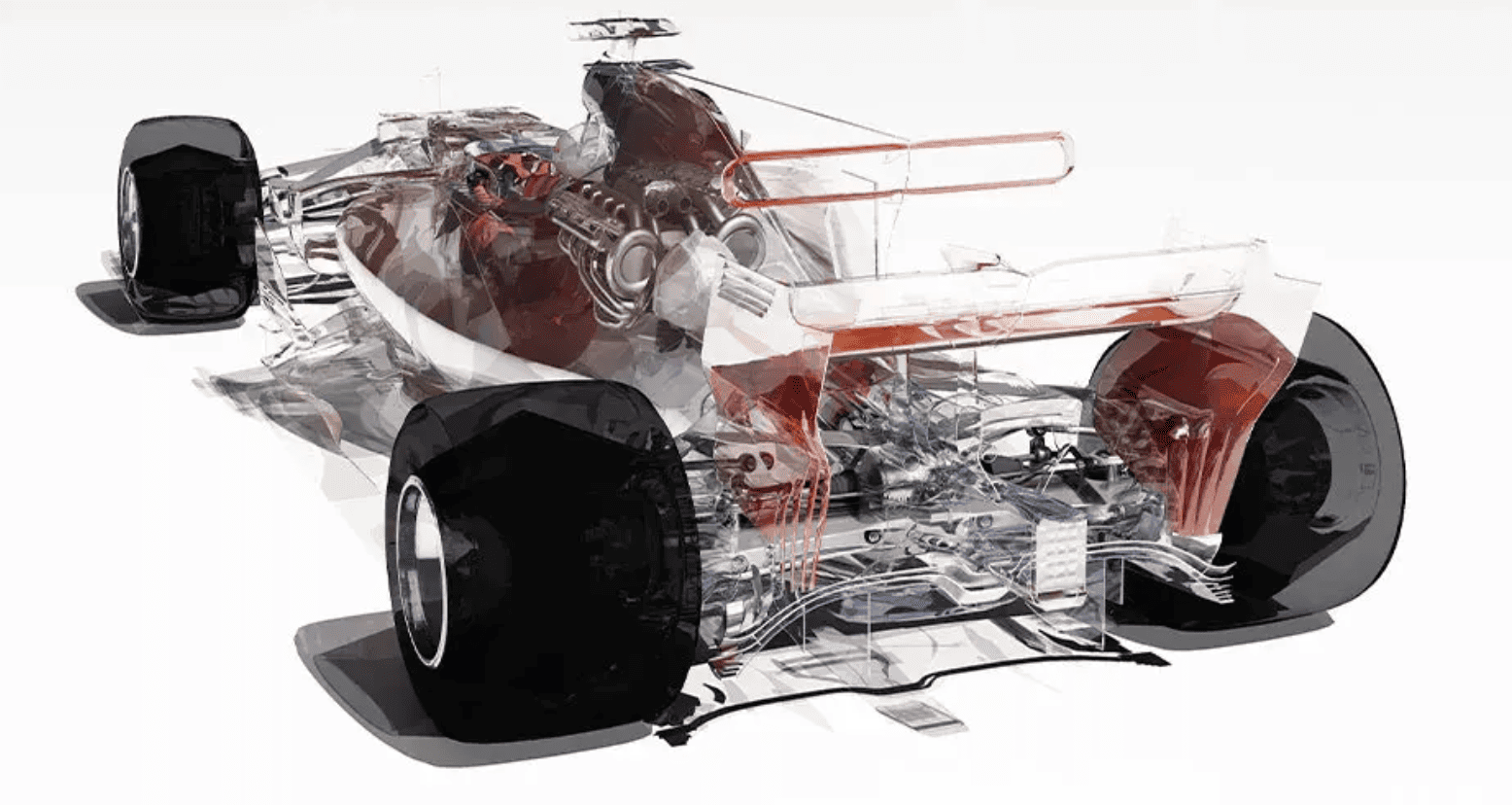
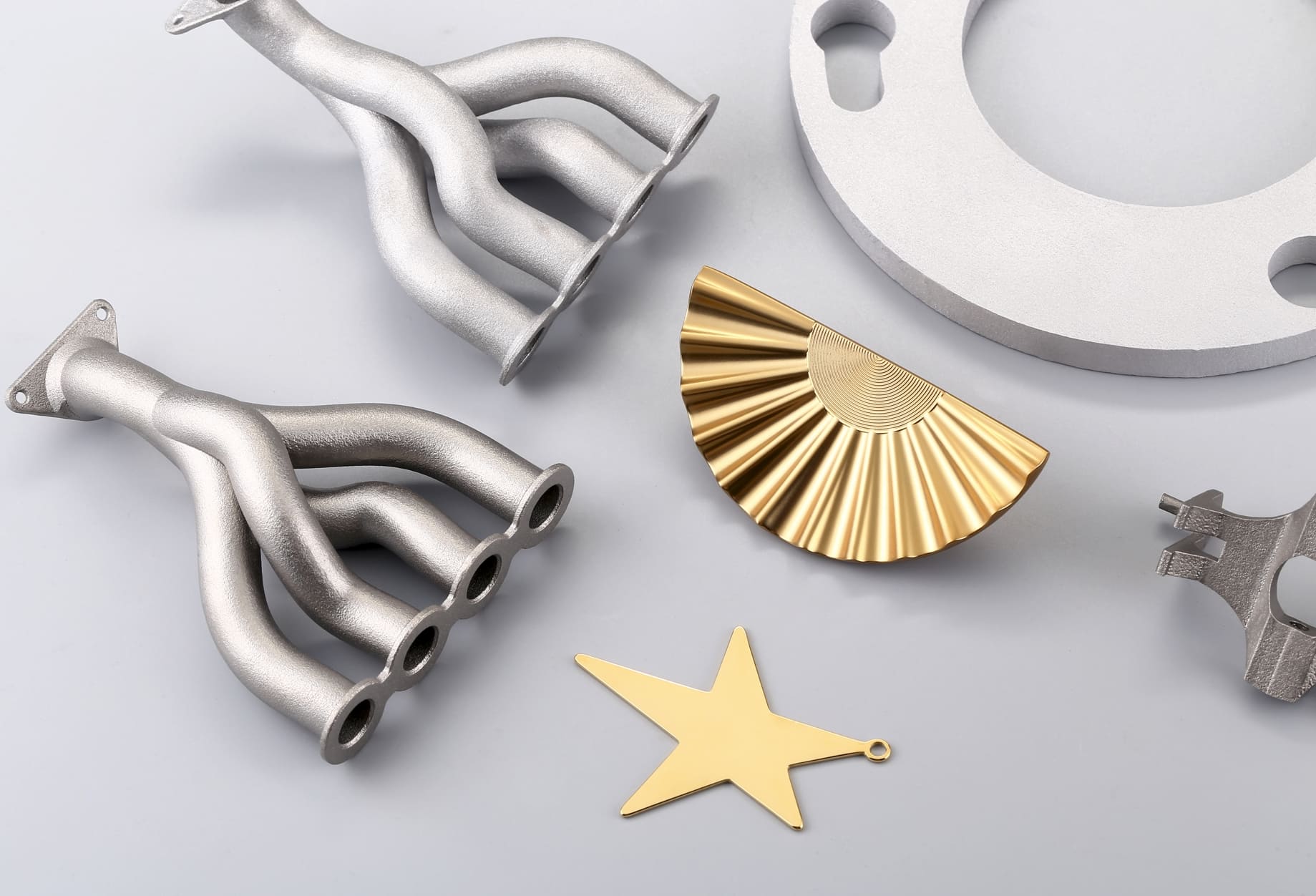
Image Source: 3D SYSTEMS
Motorsports Needs Fast Innovation
Motorsports moves fast in every sense. Races happen on tight schedules, vehicle regulations change, and performance demands never stop increasing. In this environment, even a small improvement can make a noticeable difference. A slightly better airflow channel, a lighter bracket, or a more efficient mounting solution may help a team gain an advantage.
This is why innovation speed matters so much in racing. Teams cannot afford long delays when they are testing new concepts. If a design takes weeks or months to manufacture using traditional methods, the opportunity to test and refine it may be lost. Race teams need to iterate quickly, especially during a season when every update can influence results.
3D printing helps solve this problem. Instead of waiting for tooling or outside manufacturing processes, teams can move from CAD design to a physical part in a much shorter time. That speed allows engineers to test multiple versions of a component, compare results, and improve the design faster than before.
Motorsports also demand constant problem-solving. A team may discover an issue during testing and need a new solution immediately. With 3D printing, parts can often be designed and produced on a short timeline, which supports the fast-paced development cycle that racing requires.
How 3D Printing Speeds Up Prototyping
Prototyping is one of the biggest advantages of 3D printing in motorsports. Before a part is approved for track use, engineers usually want to test several versions of it. They may need to check fit, strength, airflow, weight, or how the part interacts with other vehicle systems. Traditional prototyping can take a lot of time and money, especially if multiple revisions are needed.
3D printing makes prototyping much more efficient. Once a digital model is ready, a team can print a physical prototype and evaluate it right away. If the first version is not ideal, the design can be adjusted and reprinted without starting from scratch. This makes the development process more flexible and less expensive.
For motorsports teams, fast prototyping has several benefits. It allows them to:
• test ideas earlier in the design process
• identify problems before production
• reduce wasted time and material
• refine part geometry more effectively
• experiment with multiple concepts in parallel
Lightweight Parts for Better Performance
Weight reduction is a major priority in motorsports. In racing, lighter vehicles often accelerate faster, handle more responsively, and place less strain on mechanical systems. Reducing weight is not just about speed; it can also improve efficiency, balance, and durability under racing conditions.
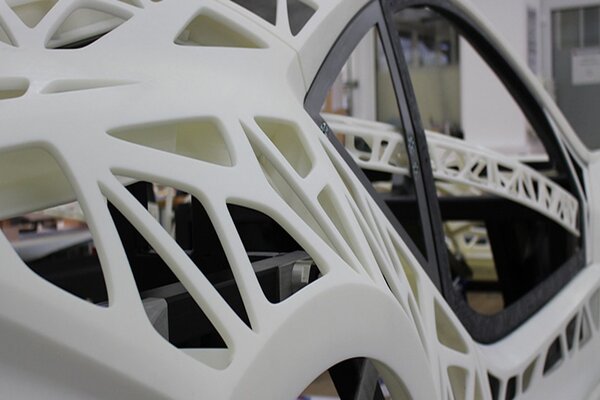
3D printing helps teams create lightweight parts by enabling optimized designs that use material only where it is needed. Instead of relying on bulky shapes made for easy machining, engineers can design parts that are more efficient in form and structure. Internal lattice patterns, hollow sections, and shape optimization can all reduce weight while maintaining the strength needed for the application.
This is especially useful for non-structural or semi-structural components such as brackets, ducts, cable guides, clips, sensor mounts, and trim pieces. These parts may seem small, but in motorsports, small weight savings can add up across an entire vehicle.
3D printing also supports topology optimization, a design approach that removes unnecessary material while preserving performance. In some cases, teams use 3D printing to replace heavier conventional parts with custom lightweight alternatives. Even when the printed part is only used for prototyping, it can help engineers evaluate how weight reduction affects the overall design before moving into final production.
Custom Components for Race Cars
Race cars are rarely one-size-fits-all machines. Each team may have its own setup, strategy, driving style, and technical requirements. That means custom parts are often necessary. Motorsports frequently involves low-volume, highly specialized components that may not be practical to mass-produce.
This is another area where 3D printing stands out. It makes it easier to produce custom components quickly and cost-effectively, especially when only a few units are needed. Instead of investing in expensive tooling, teams can manufacture parts directly from digital files.
Custom 3D printed components in motorsports may include:
• air ducts
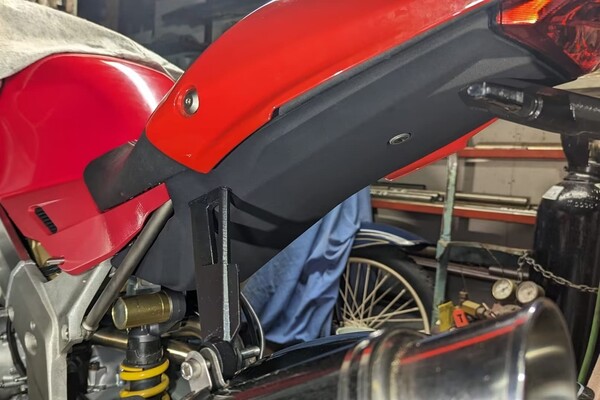
• bracket systems
• sensor holders
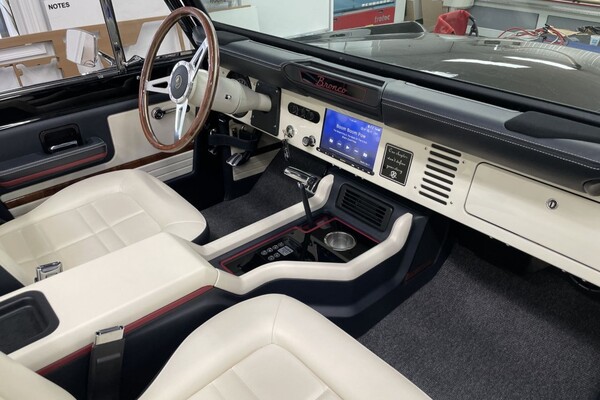
• dashboard mounts
• cable management parts
• cooling system components
• aerodynamic test pieces
• workshop fixtures
3D Printing in Racing
3D printing is used throughout the racing workflow, not just in prototype development. It supports engineering, testing, maintenance, and even track-side problem solving. As motorsports teams continue to search for every possible advantage, additive manufacturing has become a practical part of the racing toolbox.
In engineering departments, 3D printing helps teams validate concepts before committing to expensive production methods. In workshops, it supports the creation of jigs, fixtures, and assembly aids that make work faster and more accurate. During testing, it allows teams to replace broken or outdated parts more quickly.
Racing teams value speed, precision, and adaptability, and 3D printing supports all three. It gives engineers the freedom to test ideas with less risk, helps reduce development cycles, and makes custom parts easier to produce. It also fits well with the experimental nature of motorsports, where small refinements can lead to important gains.
Of course, 3D printing is not a complete replacement for traditional manufacturing. Some parts still need metal machining, composite fabrication, or other conventional methods to meet strength, heat, and safety requirements. But for many applications, additive manufacturing is an ideal complement to those processes. It helps teams work faster, test smarter, and design more creatively.
 0
0


COMMENTS
- Be the first to share your thoughts!