 English
  日本語
日本語  Deutsch


3D printing can save time, reduce development costs, and help teams move from idea to physical part quickly. But that speed depends on how well the project is prepared. Many delays happen not because the printer is slow, but because the project arrives with unclear files, incomplete requirements, or late feedback. The good news is that most of these problems are preventable.
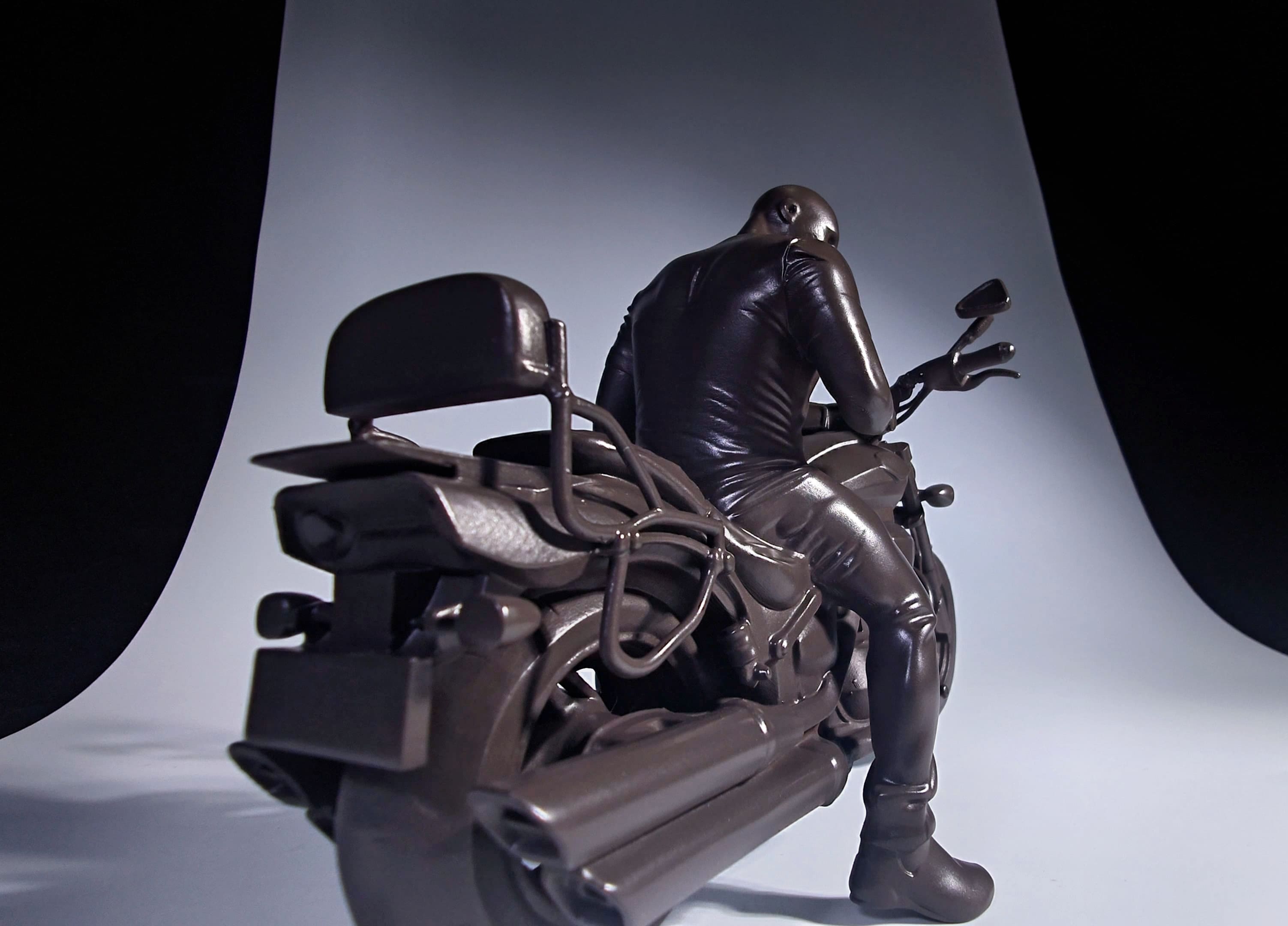
Image Copyright © 3DSPRO. All rights reserved.
Prepare the 3D File Properly
A well-prepared 3D file is one of the biggest factors in keeping a project moving. When the file has errors, the supplier may need to stop and ask for corrections before quoting or printing can begin.
Before submitting a file, make sure it is complete and printable. Common issues include missing surfaces, holes in the model, non-manifold geometry, and incorrect file scale. Even simple mistakes can create confusion during review and lead to back-and-forth communication.
It also helps to use the right file format. STL is common for printing, while STEP files are often useful when a design needs closer inspection or editing. Whatever format you use, confirm that the model opens correctly and matches the intended size. A clean file means faster review, fewer questions, and a smoother start to production.
Choose the Right Material Early
Material choice has a major impact on production time. Some materials are easier to print, while others may require more setup, special handling, or post-processing. If the material changes late in the process, the project may need to be reviewed again from the beginning.
The best way to avoid this delay is to decide early what the part needs to do. Should it be strong, flexible, heat-resistant, lightweight, or visually polished? Each of these goals may point to a different material. A prototype for visual checking may not need the same material as a functional part used in real testing.
It also helps to think about the final use of the part. A material that works well indoors may not be the best choice for outdoor exposure, and a part that looks good may not be durable enough for mechanical stress. When the material is selected early, the supplier can quote and produce the part with fewer interruptions.
Communicate Key Requirements Clearly
Clear communication saves time. When important details are missing, the supplier has to pause and ask questions before moving forward. Even one unclear point can lead to delays if it affects size, material, finish, or delivery expectations.
When submitting a project, include the part’s purpose, dimensions, quantity, color preference, finish preference, and target deadline. If the part needs to fit with another component, mention tolerances or assembly requirements as well. The more specific the instructions are, the fewer assumptions the supplier has to make.
It is especially important for custom projects. A 3D print order is not just about printing a shape. It is about producing a part that fits a real need. If the supplier understands the need clearly from the beginning, the project can move forward with less risk of revision later.
Review the Quote Information Carefully
Once the supplier sends a quote, take time to review all the details before approving it. A rushed approval can create problems later if the material, finish, quantity, or lead time is not exactly what you expected.
Check whether the quote matches your file, your intended use, and your project deadline. Confirm the process type, material selection, post-processing steps, and shipping estimate. If something seems unclear, ask questions before giving approval. It is much easier to correct details early than to fix them after production has already started.
This step is also useful for managing expectations internally. If you are working with a team, make sure everyone agrees on the quoted specifications before moving ahead. A careful review at the quote stage can prevent costly schedule changes later.
Approve Design Feedback Quickly
Many 3D printing projects require a file check before production begins. This is a valuable step because it helps catch issues before printing starts. But it can also become a source of delay if the customer takes too long to respond.
If the supplier asks for corrections or offers design feedback, try to review it quickly. Fast feedback keeps the project active and reduces idle time between steps. If the revision is simple, approve it right away. If changes are needed, respond with clear instructions so the next version can be updated without another round of confusion.
Delays often happen when a project sits in a waiting stage. A prompt reply may save more time than any technical improvement. In many cases, the fastest project is the one with the fastest decisions.
Plan for Post-Processing Time
Printing is only part of the total timeline. Many parts also need post-processing, such as support removal, sanding, polishing, painting, curing, or assembly. These steps improve the final result, but they also add time to the project.
If you need a smooth surface or presentation-quality finish, make sure to include that in the schedule from the start. A part that looks simple in the file may require more finishing work than expected once it is printed. That is why it is important to ask how long the full workflow will take, not just the print itself.
Planning for post-processing helps set realistic deadlines. It also prevents disappointment when the printed part is finished but still needs additional work before it can be used. By accounting for every step, you get a more accurate delivery timeline.
Order Early for Urgent Projects
Last-minute orders are the most vulnerable to delays. Even when a supplier is efficient, there is still time needed for file review, quoting, printing, finishing, and shipping. If the deadline is close, there is much less room for error.
The best approach is to place the order as early as possible, especially for launch events, demonstrations, product testing, or production schedules that cannot be moved. Early ordering gives the supplier time to identify issues and solve them before they affect the deadline.
It also gives you more flexibility. If a revision is needed, you still have time to make changes. If the first material choice is unavailable, another option can be discussed without causing a crisis. Early planning is one of the simplest ways to protect a project from delay.
3DSPRO Delivers Reliable 3D Printing Services
A reliable 3D printing partner can make the entire process easier. At 3DSPRO, the focus is not only on producing parts, but also on helping customers move through the process smoothly from file submission to final delivery.
That means supporting customers with clear communication, file review, material guidance, and practical production planning. When a project is handled with care from the beginning, there are fewer surprises later. Customers can move forward with better confidence in both timing and quality.
For businesses, startups, and individual customers, dependable service matters just as much as print quality. A good result is important, but a good result delivered on time is even better. By working with a team that understands both the technical and scheduling sides of 3D printing, customers can reduce delays and keep projects on track.
 0
0


COMMENTS
- Be the first to share your thoughts!