 English
 日本語
日本語 Deutsch


Selective Laser Melting (SLM) enables the production of complex metal parts with excellent mechanical properties and design flexibility. However, when manufacturing large or highly complex components, a single-piece build may not always be the most practical solution. In some cases, designers choose to split a part into multiple sections and weld them together after printing.
While welding can expand the possibilities of metal 3D printing, it also introduces additional challenges. Factors such as material selection, joint design, dimensional accuracy, and post-processing requirements can significantly affect the final part quality.
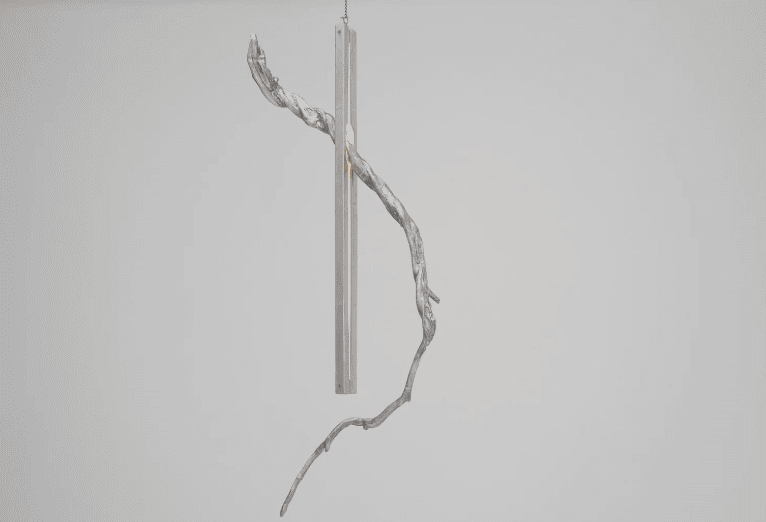
Image Source: Batten & Kamp
Why SLM Metal 3D Printed Parts May Require Welding
One of the main reasons SLM metal parts may require welding is that the part size exceeds the available build volume of the metal 3D printer. Although SLM machines can produce highly complex geometries, the maximum printable dimensions are limited by the machine’s build chamber. For large components, splitting the design into smaller sections can make production possible.
Welding can also be a practical solution when a part contains different functional areas that are easier to manufacture separately. For example, one section may require complex internal channels, while another may need a simpler structure optimized for strength or machining.
Compared with traditional manufacturing methods, splitting an SLM part can still provide advantages, including reduced material waste and greater design freedom. However, the welding process must be considered during the design stage because the joint area becomes an important factor affecting the final performance of the part.
The choice of welding method and material compatibility can influence structural strength, dimensional accuracy, surface appearance, post-processing requirements, and overall manufacturing cost.
Therefore, welding should not be treated as a simple assembly step. It is part of the overall manufacturing strategy.
How Different Metals Affect Welding Results
Aluminum Alloy
Aluminum alloys are widely used in lightweight applications because of their excellent strength-to-weight ratio. However, compared with stainless steel, aluminum alloys are generally more challenging to weld.
One major reason is aluminum’s high thermal conductivity. Heat spreads quickly through the material, making it more difficult to control the welding area, which can increase the risk of distortion and require careful adjustment of welding parameters.
Another challenge is the oxide layer naturally formed on aluminum surfaces. Aluminum oxide has a much higher melting point than the base material, so proper surface preparation is essential before welding.
Because of these characteristics, welded aluminum SLM parts often require more process control and experience to achieve consistent results.
Stainless Steel
Stainless steel is generally easier to weld compared with aluminum alloys. Its lower thermal conductivity allows heat to remain more concentrated around the welding area, making the process easier to manage.
SLM stainless steel parts, such as 316L stainless steel components, are commonly used in applications requiring corrosion resistance and mechanical strength. Welding can be performed successfully when proper parameters are selected to maintain material properties.
However, stainless steel welding still requires attention. Excessive heat input may affect the heat-affected zone (HAZ), surface quality, and corrosion resistance.
Other Metal Alloys
Other SLM materials, such as titanium alloys and nickel-based alloys, may require specialized welding conditions. Their high-performance characteristics often come with stricter requirements for heat control, shielding, and post-weld inspection.
Design Considerations Before Splitting SLM Parts for Welding
Select Appropriate Welding Locations
The location of weld joints can significantly affect part performance. Weld seams should ideally be placed in areas with lower mechanical stress and away from critical functional surfaces. For load-bearing components, placing welds in high-stress regions may reduce reliability. Engineers should evaluate the expected forces and operating conditions before deciding where to divide the part.
Add Machining Allowance
Welding can introduce heat-related deformation and dimensional changes. If the final part requires tight tolerances, additional material may need to be reserved around welded areas for post-weld machining, which allows manufacturers to restore critical dimensions after welding and achieve the required accuracy.
Design Proper Joint Structures
The interface between split sections should be designed with welding in mind. Poorly designed joints can increase welding difficulty and affect alignment. Features such as locating surfaces, alignment pins, or reference structures can help ensure accurate assembly before welding.
Consider Final Surface Requirements
If the final part requires a high-quality surface finish, designers should consider how weld areas will be treated afterward. Weld seams may require grinding, polishing, or additional finishing operations to achieve the desired appearance.
Challenges After Welding SLM Metal Parts
Dimensional Changes
The heat generated during welding can cause local expansion and contraction. As the material cools, shrinkage or distortion may occur, affecting the final dimensions. For precision components, additional inspection and machining may be required to ensure the part meets specifications.
Surface Finish Differences
The welded area often has a different appearance compared with the original printed surface. Depending on the application, additional finishing may be necessary to create a consistent surface.
Changes in Mechanical Properties
The heat-affected zone created during welding may have different characteristics from the surrounding printed material. For critical applications, additional testing may be required to confirm the part meets performance requirements.
How to Reduce Welding Risks in SLM Projects
To minimize welding-related issues, manufacturers and designers should consider welding requirements early in the project.
First, evaluate whether splitting the part is truly necessary. In some cases, optimizing the design may allow the component to be printed as one piece.
If welding is required, material selection should consider both the application requirements and welding behavior. A material that performs well during printing may not always be the easiest option for post-processing.
Designers should also communicate important requirements before production, including required tolerances, functional surfaces, load conditions, operating environment, and surface finish expectations.
Early collaboration between designers and manufacturers helps identify potential risks before they affect production schedules or costs.
3DSPRO Helps with SLM Metal Part Design and Manufacturing
Choosing the right approach for SLM metal parts requires consideration of the entire manufacturing process, including printing, welding, machining, and finishing.
3DSPRO helps customers evaluate whether a part should be manufactured as a single piece or split into multiple sections. Our engineering team can provide guidance on material selection, part orientation, welding considerations, and post-processing requirements.
For applications involving large metal components, understanding welding challenges before production can help improve part quality and reduce unnecessary costs. Whether using aluminum alloy, stainless steel, titanium, or other metal materials, proper planning is essential for successful SLM manufacturing.
By considering welding requirements during the design stage, customers can take full advantage of metal 3D printing while achieving reliable and cost-effective results.
 0
0


COMMENTS
- Be the first to share your thoughts!