 English
 日本語
日本語 Deutsch


When requesting a 3D printing service, customers often expect the final price to match the initial quote. However, in some cases, the quotation may change after a detailed engineering review. This does not necessarily mean there are unexpected charges. Instead, additional costs usually come from extra manufacturing steps, increased production risks, or special requirements needed to achieve the desired result.
A 3D printing quote is typically generated based on the information available from the uploaded model, selected material, manufacturing process, and finishing options. Once engineers review the design in detail, they may identify factors that were not fully reflected in the initial estimate.
Understanding the common reasons behind additional costs can help customers prepare better designs, avoid unnecessary revisions, and achieve more predictable production results.
AI Generated Image
Why 3D Printing Quotes May Change After Design Review
Many online 3D printing platforms provide instant quotes based on uploaded CAD files. These automated estimates are useful for quickly comparing options, but they may not consider every manufacturing detail.
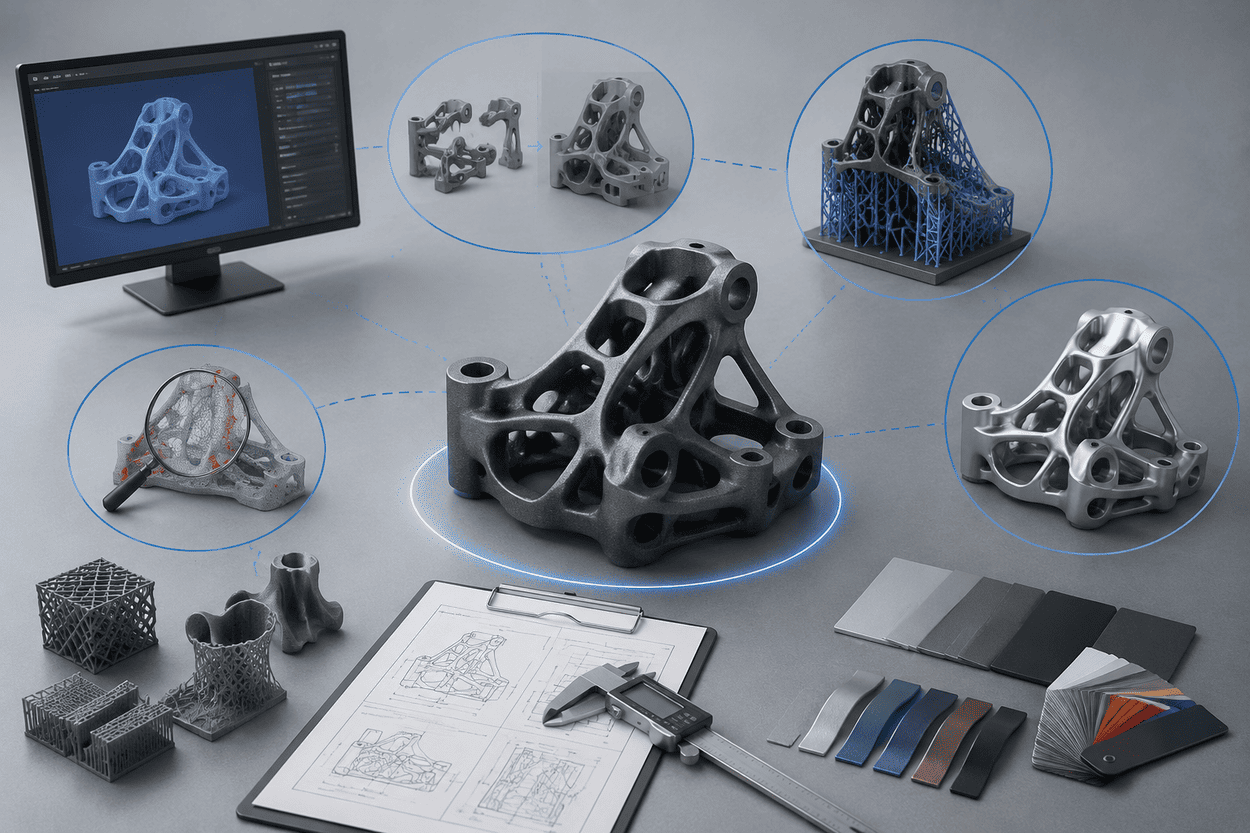
During a professional design review, engineers evaluate factors such as model structure and file quality, support requirements, surface finishing difficulty, and dimensional accuracy requirements.
For example, two parts with similar sizes may have very different manufacturing costs if one has a simple geometry while the other requires complex support structures or additional post-processing.
A quotation adjustment usually reflects the actual work required to successfully produce the part. By reviewing the model before production, manufacturers can reduce printing failures, improve quality, and ensure that the final part meets customer expectations.
Multiple Shells and Incorrect Model Structures
One common reason for additional costs is an issue with the 3D model itself. CAD files that are not properly prepared for manufacturing may require additional engineering work before production.
For example, a customer may upload a file containing several separate components but expect it to be treated as a single part. Before manufacturing, engineers may need to separate, repair, or modify the file to ensure accurate production.
These additional preparation steps can affect the final cost because they require extra engineering time and may change the estimated material usage or production process.
To avoid these issues, customers should upload clean, manufacturing-ready files and clearly indicate whether the model represents a single part or a multi-part assembly.
Design Modifications After Quotation
Another common reason for price changes is modifying the design after receiving the initial quotation. Even small design changes can influence manufacturing costs.
A quotation is calculated based on a specific design version. When the geometry changes, factors such as material volume, printing time, support requirements, and finishing processes may also change.
For instance, increasing wall thickness may improve part strength but also increase material consumption and production time. Adding complex features may require additional support structures or more detailed post-processing.
To minimize unexpected costs, customers should confirm the final design before production begins. If modifications are necessary, sharing the updated file as early as possible allows engineers to evaluate the impact and provide an accurate quotation.
Complex Geometries
Complex part designs often require additional preparation and manufacturing effort. While 3D printing enables the production of highly customized shapes, some geometries are more challenging to process than others.
These designs may require additional engineering analysis to determine the best production approach.
For example, support structures may be necessary to prevent deformation during printing. In SLA or DLP printing, additional supports can increase preparation and post-processing time. In metal 3D printing processes such as SLM, support structures are especially important because they help control heat distribution and maintain printing stability.
Additional costs may apply when engineers need to spend more time optimizing the build orientation, designing supports, or performing extra processing steps.
Special Surface Finishing Requirements
Surface finishing is another factor that can affect the final cost of a 3D printed part. While basic finishing may be included in some services, more demanding appearance or performance requirements may require additional work.
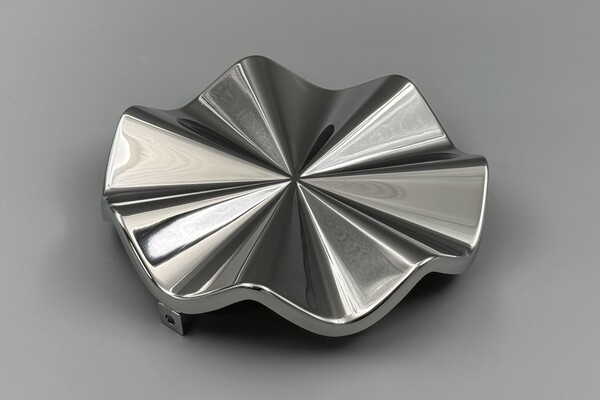
Polishing, for example, requires more than simply removing visible layer lines. Complex parts with deep cavities, sharp edges, or delicate features require careful manual processing to avoid damaging the geometry.
In some cases, polishing may also result in material removal from the surface. For precision parts, excessive polishing can affect dimensions and critical features, requiring additional care and inspection.
Similarly, coating and painting may require extra preparation, masking, or handling depending on the part’s shape and requirements.
Providing clear finishing requirements during the quotation stage helps manufacturers estimate the necessary labor and avoid cost adjustments later.
Large Parts and Difficult-to-Process Designs
Large or difficult-to-process parts may also require additional costs due to increased manufacturing challenges.
Large parts may occupy more machine space and require additional production planning. Fragile or complex designs may need extra care during printing, support removal, cleaning, inspection, and packaging.
For example, a large resin enclosure may require careful handling after printing to prevent deformation. A metal part with complex structures may require additional support removal and surface preparation.
These additional efforts help protect part quality and reduce the risk of production issues.
3DSPRO Helps You Understand Every Cost Before Production
At 3DSPRO, additional costs are not simply added without explanation. Each cost adjustment is related to a specific manufacturing requirement, such as additional engineering preparation, support structures, complex finishing, or special handling.
Before production, 3DSPRO’s engineers review designs to identify potential challenges and help customers understand:
• Why the original quotation may change?
• Which manufacturing steps require additional work?
• How design adjustments can reduce costs?
• Which solutions can achieve the required quality?
Providing accurate design files and detailed requirements allows engineers to create more reliable quotations from the beginning.
By understanding how design complexity, processing requirements, and finishing needs affect pricing, customers can make better decisions and avoid unexpected costs during production.
With professional engineering support and transparent communication, 3DSPRO helps customers turn complex designs into high-quality 3D printed parts with predictable results.
 1
1


COMMENTS
- Be the first to share your thoughts!