
STAY INSPIRED

Sign up for 3DSPRO Newsletter and get InSpiration with our content, news and exclusive offers.

Binder Jetting 3D Printing Service

3d printing services_binder jetting

Our Binder Jetting 3D Printing Capabilities

Lead Time

5 Days/7 Days

Maximum Printing Size

100mm*100mm*100mm

Tolerance

± 300μm or 0.3%mm

Machines Operating

2

binder jetting 3d printing service capabilities

Compare All Metal Materials

  • Materials
  • Tensile strength
  • Elongation at Break
  • Hardness
  • Color
  •  
  • Stainless Steel 316L
  • 583MPa
  • 60%
  • 68 HRB
  • Metallic Gray Grainy
  • Learn More >>

3D Plus™ Solutions for Binder Jetting 3D Printed Parts

  • Anodizing
  • Anodizing
  • Bead Blasting
  • Bead Blasting
  • Electrocoating
  • Electrocoating
  • Electroplating
  • Electroplating
  • Polishing
  • Polishing
  • Powder Coating
  • Powder Coating
  • Sand Blasting
  • Sand Blasting
  • Screen Printing
  • Screen Printing
  • Spray Painting
  • Spray Painting
  • Tapping
  • Tapping
  • Threading
  • Threading
  • Tumbling
  • Tumbling
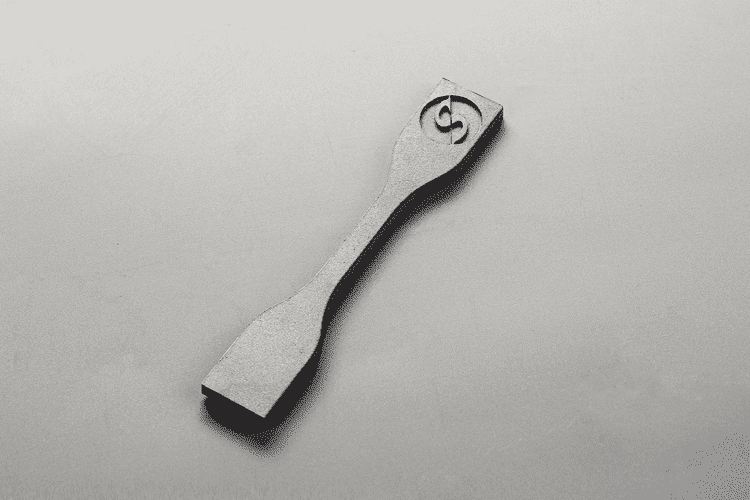
Surface Finish Before Post-processing
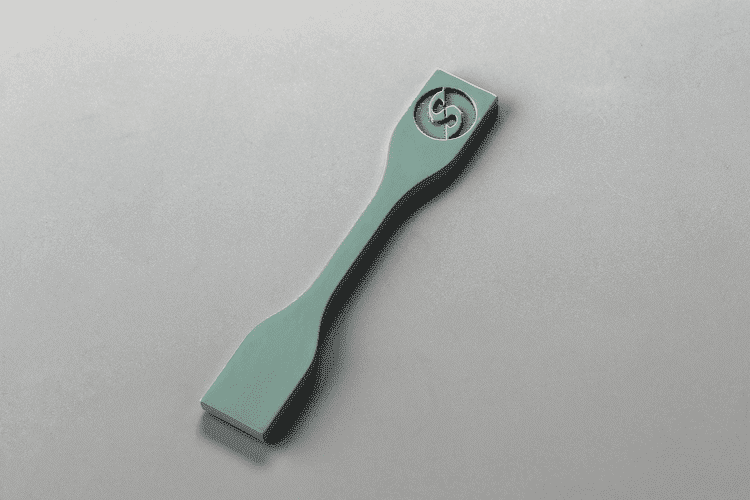
Surface Finishes After Post-processing
what is binder jetting
What is Binder Jetting 3D printing?

Binder Jetting is a powder-based additive manufacturing process that uses a printhead to selectively deposit a liquid binding agent onto layers of metal powder. The binder joins the powder particles together according to the 3D model, forming the part layer by layer without melting the metal during printing.

For metal Binder Jetting, the printed part is initially a fragile “green part.” After printing, the part undergoes curing, depowdering, debinding, and sintering by default. The part shrinks during sintering, so the design and manufacturing process must account for dimensional changes.

what is binder jetting
How does Binder Jetting 3D printing work?

Binder Jetting 3D printing creates metal parts by selectively applying a binding agent to layers of metal powder and then sintering the printed parts. Here are the processes of Binder Jetting 3D printing at 3DSPRO:

Process: Printability check.
white_arrow_hollowImport files and prepare the parts for Binder Jetting.
white_arrow_hollowSpread a thin layer of metal powder.
white_arrow_hollowSelectively deposit the liquid binding agent onto the powder.
white_arrow_hollowRepeat the powder spreading and binder deposition process layer by layer.
white_arrow_hollowCure the printed parts.
white_arrow_hollowRemove the parts from the powder bed and clean unbound powder.
white_arrow_hollowDebind the printed parts.
white_arrow_hollowSinter the parts to achieve their final metal properties.
white_arrow_hollowHeat treatment or post-processing, if required.
white_arrow_hollowQuality inspection.
white_arrow_hollowPacking and shipping.
how does binder jetting 3d printing work

SLM 3D Printing Applications

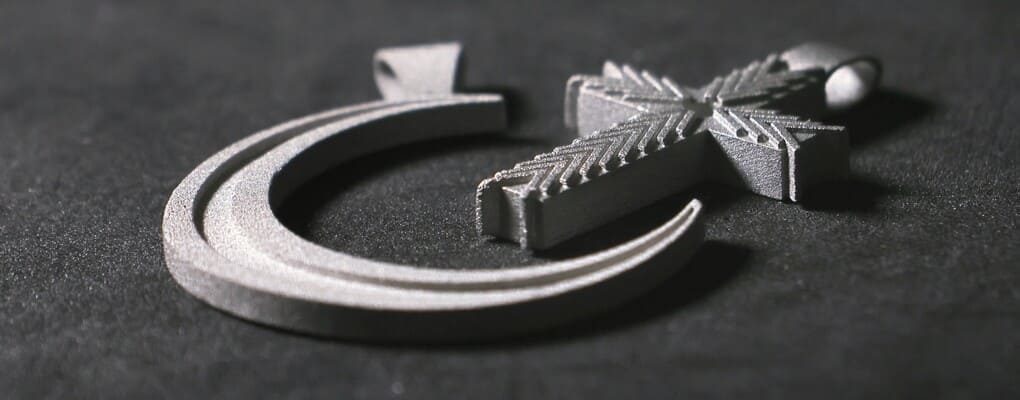
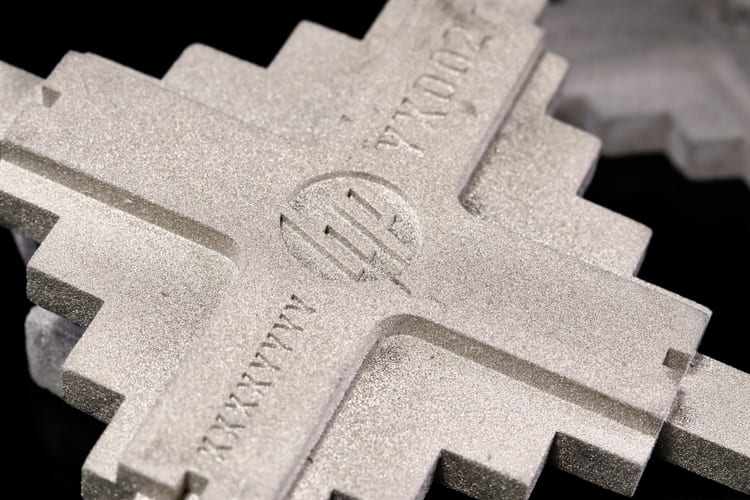
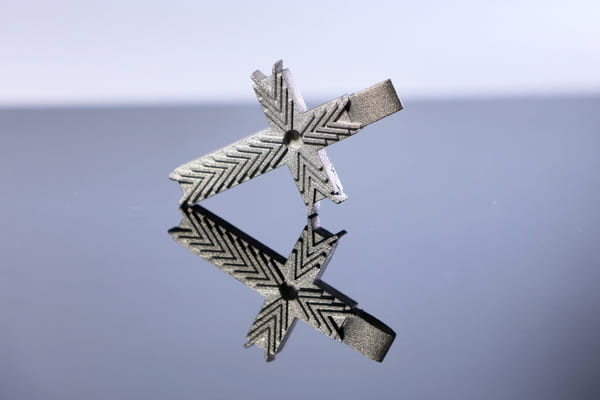
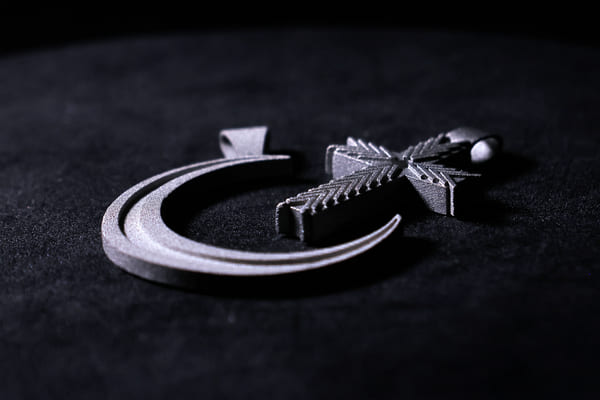
binder jetting 3d printed jewelry_cross pendant
Cross Pendant
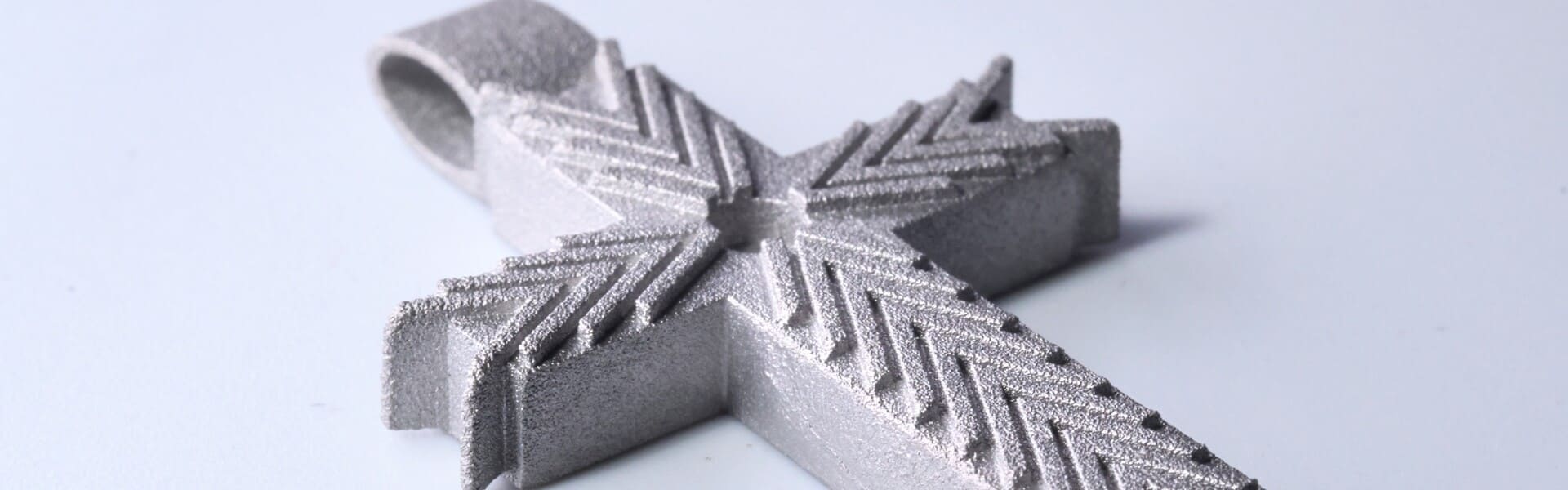
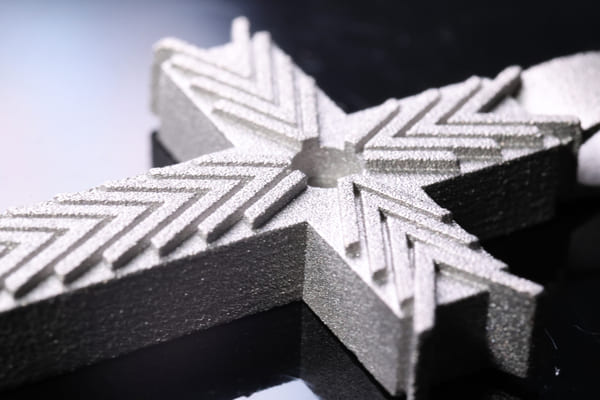
binder jetting 3d printed jewelry_cross pendant details
Cross Pendant Details
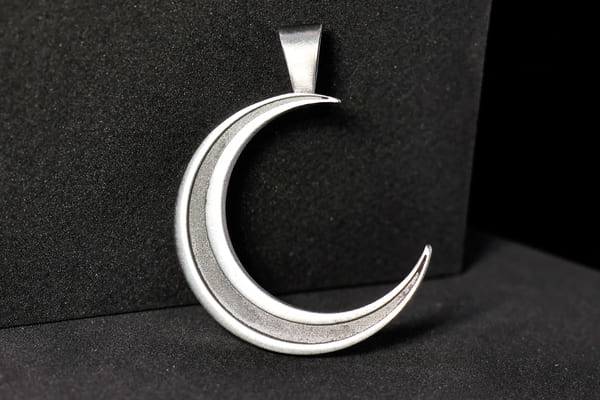
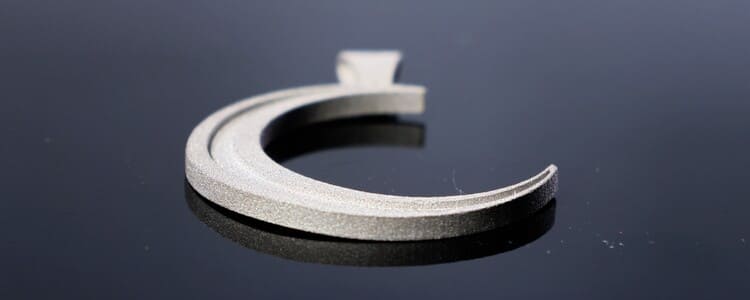
binder jetting 3d printed jewelry_moon shaped pendant
Moon-Shaped Jewelry Pendant
binder jetting 3d printed jewelry collection
Jewelry Collection
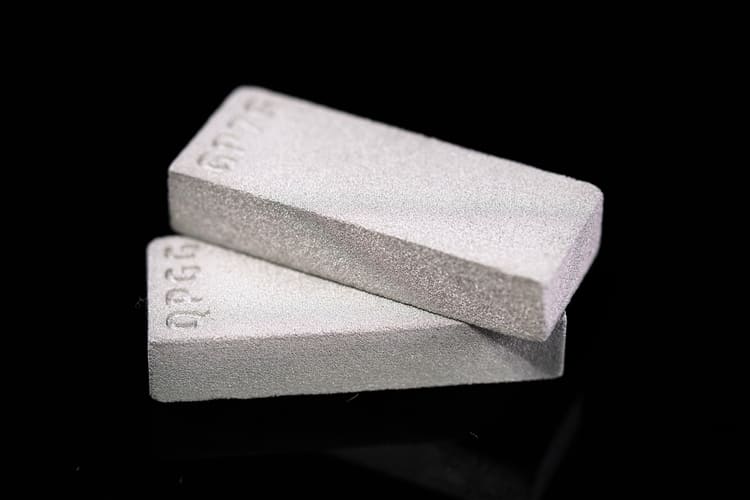
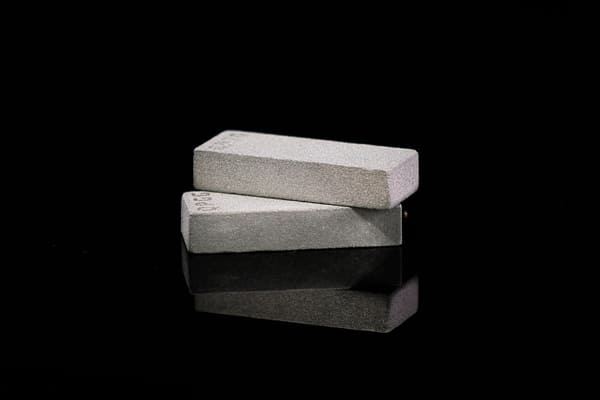
binder jetting 3d printed stainless steel 316l
Brick

Pros and Cons of Binder Jetting 3D Printing

binder jetting 3d printing advantages
Pros

1. Does not generally require dedicated support structures during printing because the surrounding powder supports the parts.

2. Allows multiple parts to be produced simultaneously, making it suitable for batch production.

3. Does not melt the metal during the printing stage, reducing the thermal effects associated with laser-based metal powder bed fusion.

4. Can produce complex geometries and intricate features without conventional support structures.

5. Offers high packing efficiency by allowing parts to be arranged throughout the powder bed.

binder jetting 3d printing disadvantages
Cons

1. Requires additional post-processing, including curing, debinding, and sintering.

2. Sintering causes dimensional shrinkage, which must be considered during design and production.

3. Surface roughness may require additional post-processing for specific applications.

4. Material availability is more limited than some other metal 3D printing technologies.

5. Final dimensional accuracy depends on the complete printing, debinding, and sintering process.

Quote
Cookie Policy

3DSPRO collect cookies on your computer to provide more personalized services to you. By using this website, you consent to the cookies we use and our Privacy Policy

Accept