- Can 3DSPRO Help Me?
- Capabilities
- Materials
- 3D Plus™ Solutions
- Guarantee
- Industries
- Resources

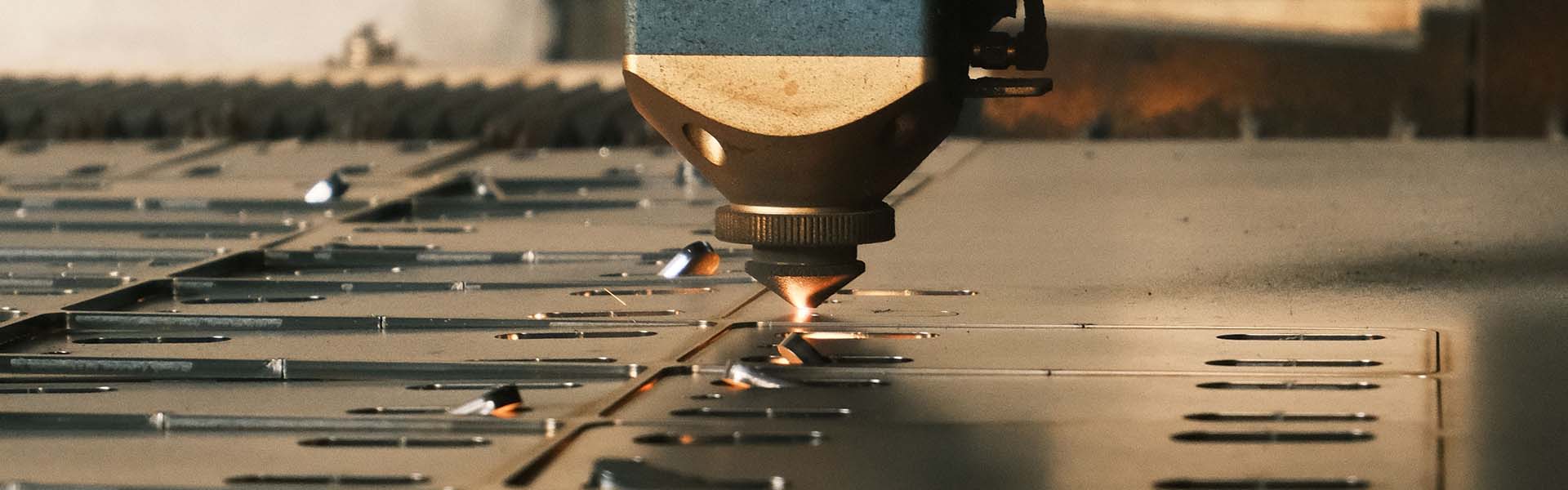
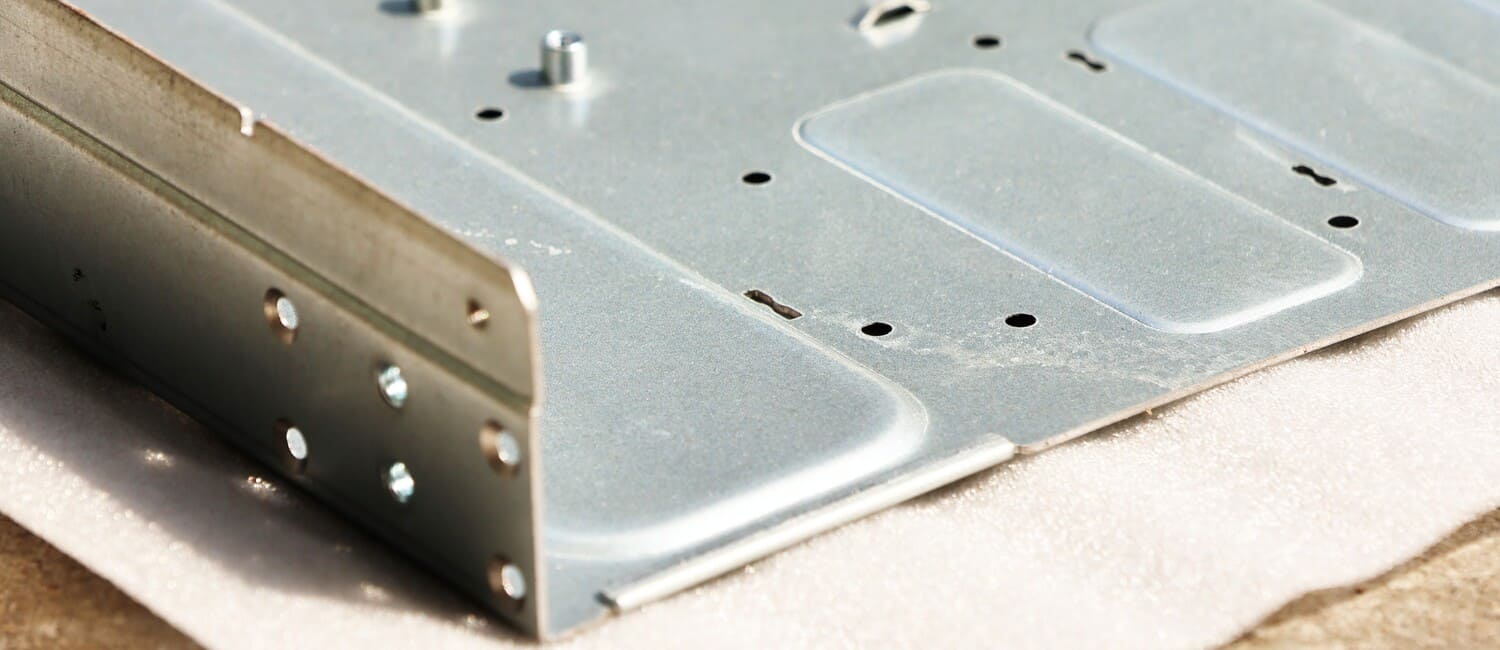
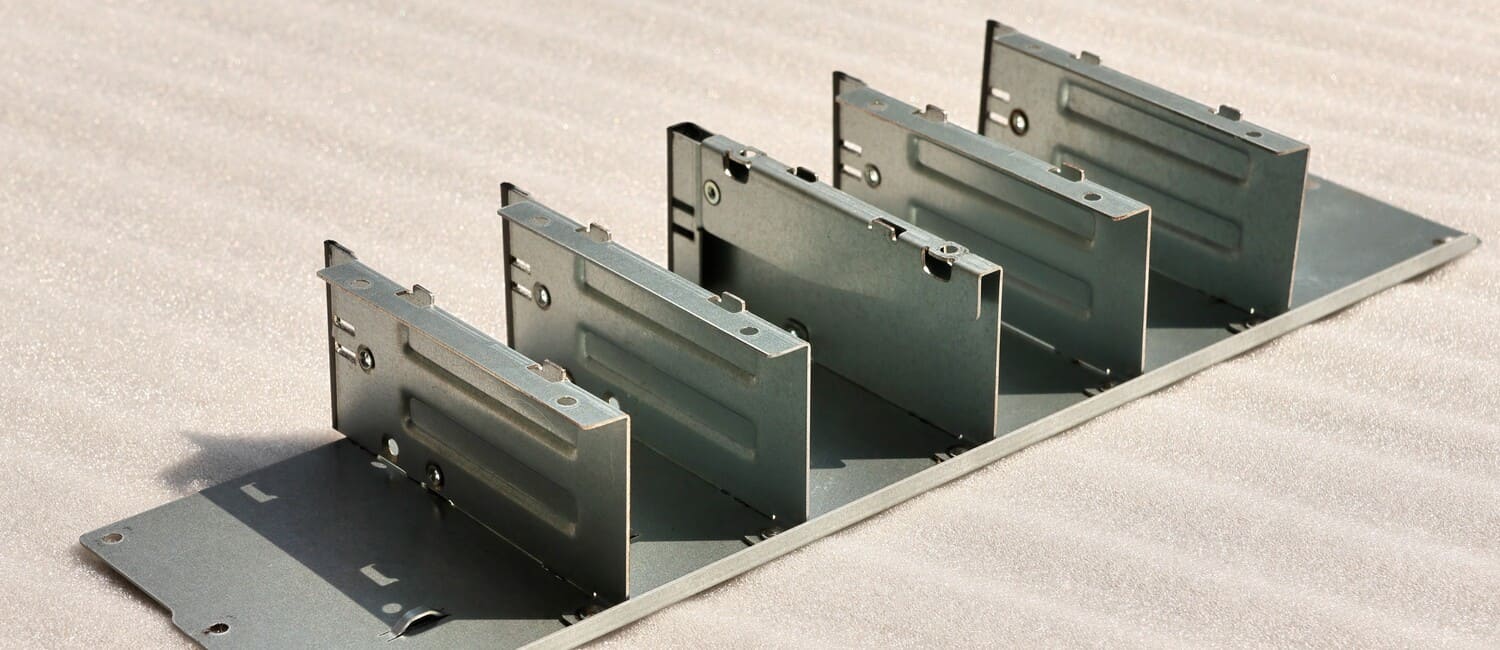
Aluminum sheet metal fabrication transforms aluminum sheets into custom components through processes such as laser cutting, metal bending, and welding. Known for its lightweight structure, natural corrosion resistance, and good formability in suitable grades, aluminum is widely used for enclosures, panels, brackets, covers, and structural components. Different aluminum alloys offer varying levels of strength, formability, weldability, and thermal and electrical conductivity, making aluminum sheet metal fabrication suitable for a wide range of industrial and commercial applications.
Aluminum 1100, also known as AA 1100 or UNS A91100, is a commercially pure aluminum alloy with excellent corrosion resistance, high thermal and electrical conductivity, and excellent formability.
Tensile Strength
Hardness
Elongation at Break
Aluminum 5052, also known as AA 5052 or UNS A95052, is a non-heat-treatable aluminum alloy containing magnesium as its principal alloying element. It is known for its good corrosion resistance, moderate strength, excellent formability, and good weldability.
Tensile Strength
Hardness
Elongation at Break
Aluminum 6061, also known as AA 6061 or UNS A96061, is a heat-treatable aluminum alloy containing magnesium and silicon as its principal alloying elements. It is known for its good combination of strength, corrosion resistance, machinability, weldability, and moderate formability.
Tensile Strength
Hardness
Elongation at Break










3DSPRO collect cookies on your computer to provide more personalized services to you. By using this website, you consent to the cookies we use and our Privacy Policy
AcceptAccelerate a personalized 3D Printed journey


Answering these questions to get more relevant material recommendations, design tips, 3D printing knowledges, and $10 worth of 3DSPRO credit.
 Individual
 Business
 Academic
Sign in to chat with 3DSPRO Customer Success Manager for Pricing, Lead Time and Analysis.
We provide 3D printing service.
Individual
Business
Academic
Pick the option that matches you best and we’ll take it from there.


 English
 日本語
 Deutsch