
STAY INSPIRED

Sign up for 3DSPRO Newsletter and get InSpiration with our content, news and exclusive offers.

Metal Bending Service

metal bending service

Our Metal Bending Capabilities

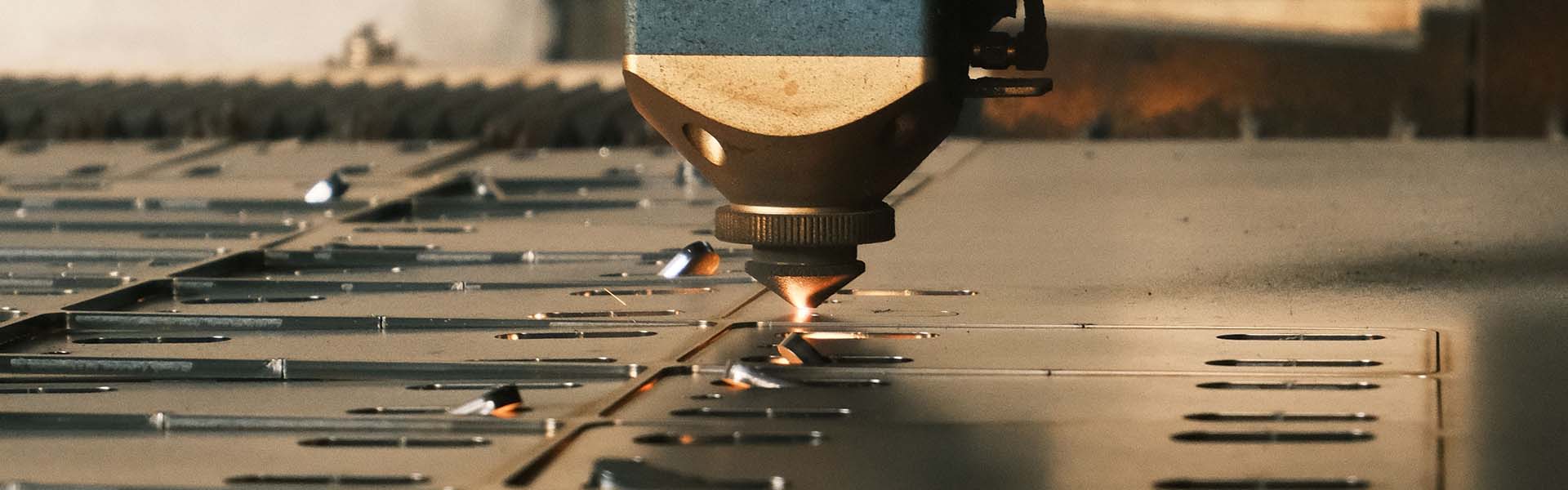
Machines Operating

23

Process Features

Precise Forming, Repeatable Bends

Typical Geometry

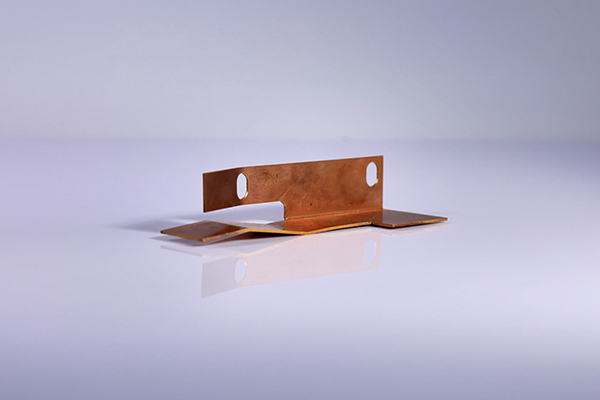
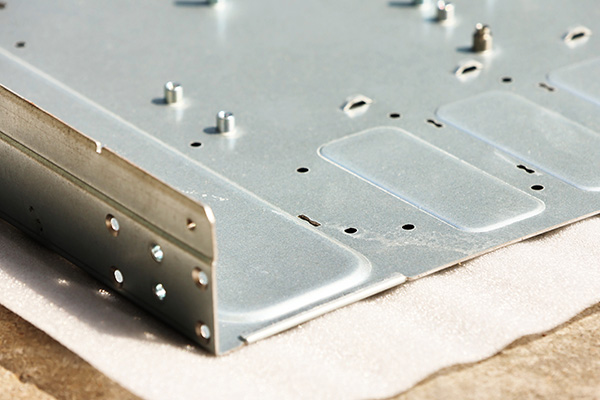
Bent / Formed Parts

Typical Applications

Brackets, Housings, Frames

metal bending capabilities

Surface Finishing Solutions for Metal Bent Parts

  • Anodizing
  • Anodizing
  • Bead Blasting
  • Bead Blasting
  • Electrocoating
  • Electrocoating
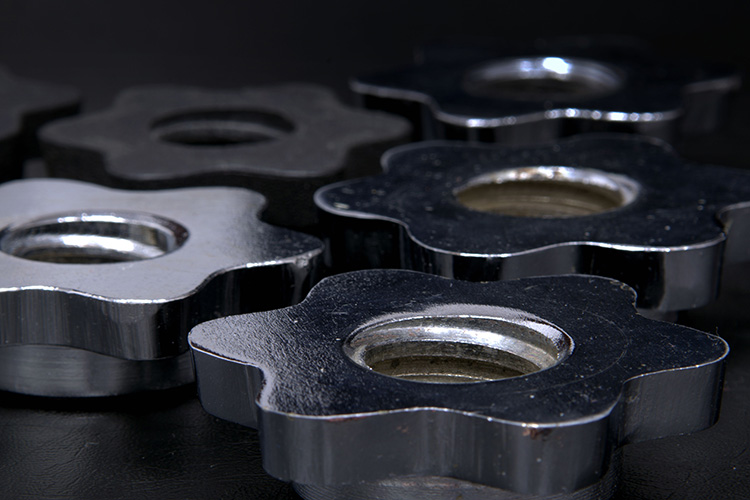
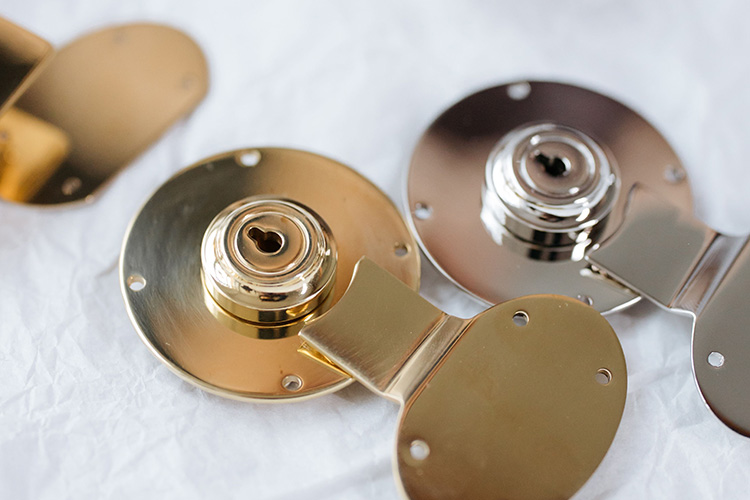
  • Electroplating
  • Electroplating
  • Polishing
  • Polishing
  • Powder Coating
  • Powder Coating
  • Sand Blasting
  • Sand Blasting
  • Tumbling
  • Tumbling
Before Surface Finishing
After Surface Finishing
what is metal bending?
What is Metal Bending?

Metal bending is a sheet metal fabrication process that uses controlled force to deform a flat metal sheet into a desired angle or shape without removing material. A press brake and a suitable set of punches and dies are commonly used to create accurate bends according to the part geometry.

Metal bending can produce simple bends as well as multiple-angle and multi-bend components.

what is metal bending?
How does Metal Bending work?

Metal bending forms sheet metal through controlled deformation using a press brake or other forming equipment. Here are the processes of metal bending at 3DSPRO:

Process: Manufacturability check.
white_arrow_hollowImport the CAD file and review the part geometry.
white_arrow_hollowDetermine the material, sheet thickness, bend angles, and bend radii.
white_arrow_hollowSelect the appropriate bending method, tooling, and machine.
white_arrow_hollowCalculate the bending sequence and optimize the setup.
white_arrow_hollowPosition and secure the sheet metal.
white_arrow_hollowMetal bending machine operating.
white_arrow_hollowInspect bend angles and critical dimensions.
white_arrow_hollowPerform deburring and other secondary operations if required.
white_arrow_hollowWelding or assembly (optional).
white_arrow_hollowSurface finishing (optional).
white_arrow_hollowQuality inspection.
white_arrow_hollowPacking and shipping.
how does metal bending work

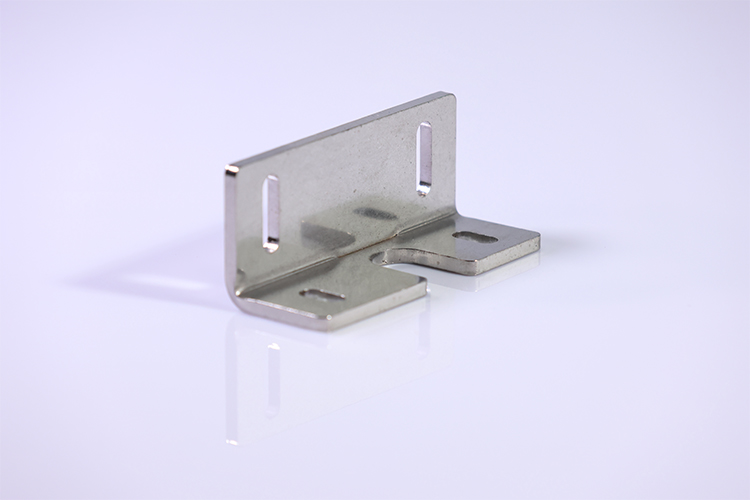
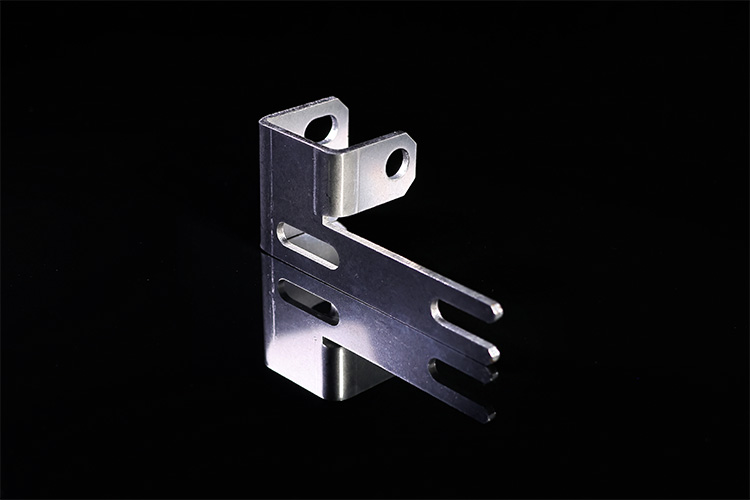
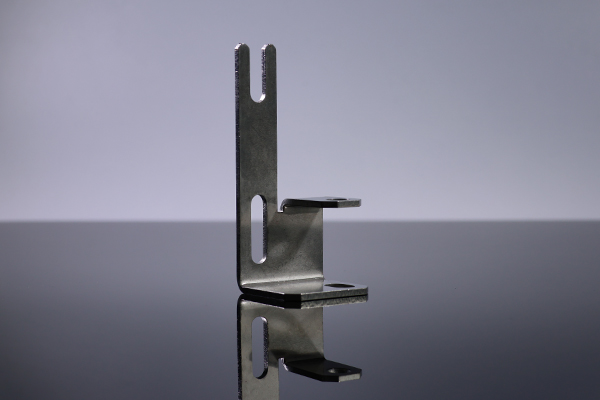
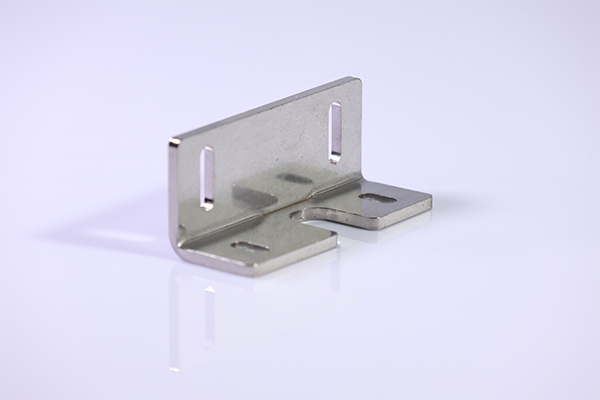
Metal Bending Applications

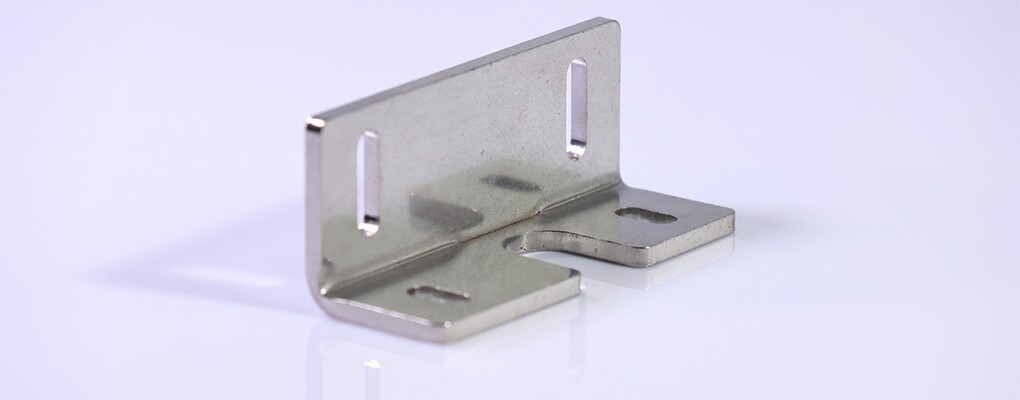
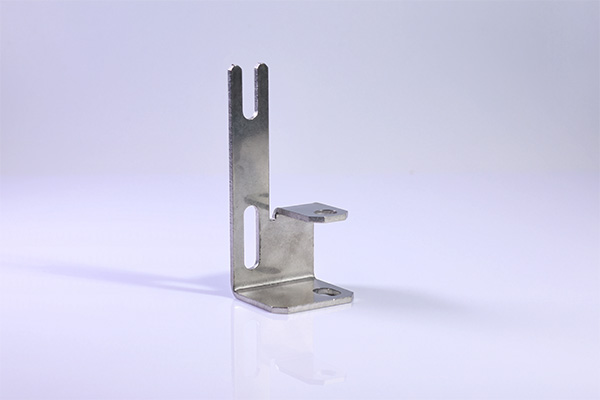
metal bent bracket_1
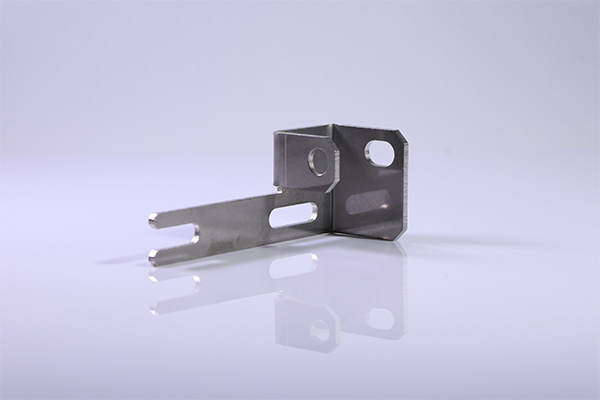
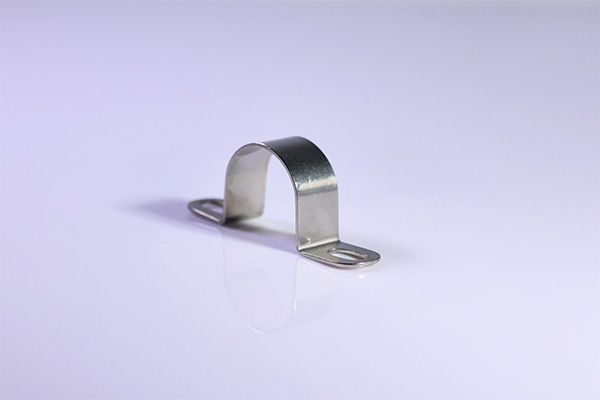
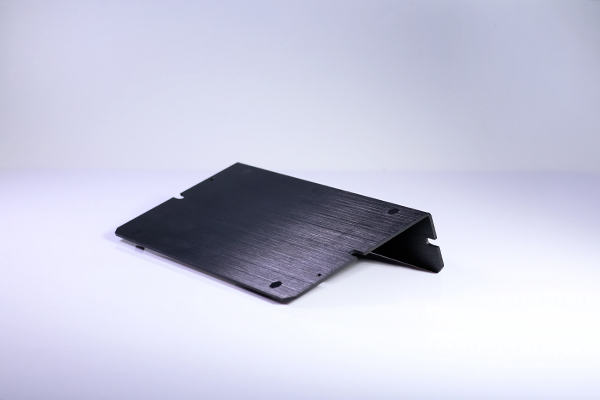
Adjustable Bracket
metal bent bracket_2
Bracket
metal bent bracket_3
Adjustable Bracket

Pros and Cons of Metal Bending

metal bending advantages
Pros

1. Produces three-dimensional sheet metal parts without removing significant material.

2. Can create precise angles, bends, and formed profiles.

3. Suitable for brackets, panels, enclosures, frames, and structural components.

4. Supports a wide range of commonly used sheet metal materials.

5. Can be combined with laser cutting, welding, and surface finishing to manufacture complete parts.

metal bending disadvantages
Cons

1. Bend geometry is limited by the available tooling, machine capacity, and material properties.

2. Springback can affect the final bend angle and may require process compensation.

3. Very complex geometries may require multiple setups or specialized tooling.

4. Certain materials or thicknesses may require specialized bending equipment and tooling.

Quote
Cookie Policy

3DSPRO collect cookies on your computer to provide more personalized services to you. By using this website, you consent to the cookies we use and our Privacy Policy

Accept