STAY INSPIRED

Sign up for 3DSPRO Newsletter and get InSpiration with our content, news and exclusive offers.

Waterjet Cutting Service

waterjet cutting service

Our Waterjet Cutting Capabilities

Machines Operating

2

Process Features

Cold Cutting, No Heat-Affected Zone

Typical Geometry

Complex 2D Profiles

Typical Applications

Thick Plates, Complex Profiles

sheet metal waterjet cutting, abrasive waterjet cutting

Surface Finishing Solutions for Waterjet Cut Parts

  • Anodizing
  • Anodizing
  • Bead Blasting
  • Bead Blasting
  • Electrocoating
  • Electrocoating
  • Electroplating
  • Electroplating
  • Polishing
  • Polishing
  • Powder Coating
  • Powder Coating
  • Sand Blasting
  • Sand Blasting
  • Tumbling
  • Tumbling
Before Surface Finishing
After Surface Finishing
what is waterjet cutting
What is Waterjet Cutting?

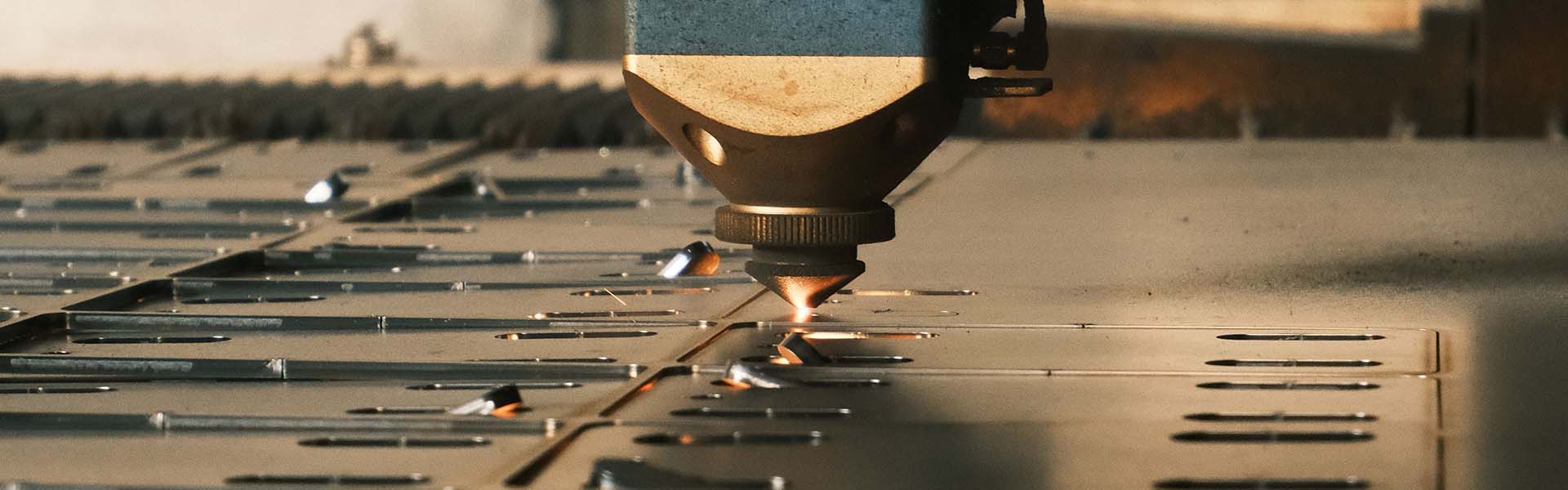
Waterjet cutting is a sheet metal fabrication process that uses a high-pressure stream of water to cut materials into precise shapes and profiles. Abrasive particles can be added to the water stream when cutting harder materials such as metals.

Unlike thermal cutting processes, waterjet cutting does not rely on a heat source to melt or burn through the material.

what is waterjet cutting
How does Waterjet Cutting work?

Waterjet cutting creates parts by directing a high-pressure water stream through a small cutting nozzle along programmed toolpaths. Here are the processes of waterjet cutting at 3DSPRO:

Process: Manufacturability check.
white_arrow_hollowImport the CAD file and review the part geometry.
white_arrow_hollowSelect the appropriate material and sheet thickness.
white_arrow_hollowDetermine the suitable waterjet cutting method and abrasive requirements.
white_arrow_hollowGenerate and optimize cutting paths.
white_arrow_hollowPosition and secure the sheet metal.
white_arrow_hollowWaterjet cutting machine operating.
white_arrow_hollowRemove the cut parts from the cutting bed.
white_arrow_hollowInspect and clean the cut edges and surfaces.
white_arrow_hollowDeburring or other secondary operations if required.
white_arrow_hollowBending, welding, or surface finishing (optional).
white_arrow_hollowQuality inspection.
white_arrow_hollowPacking and shipping.
how does waterjet cutting work

Waterjet Cutting Applications

sheet metal waterjet cutting_1
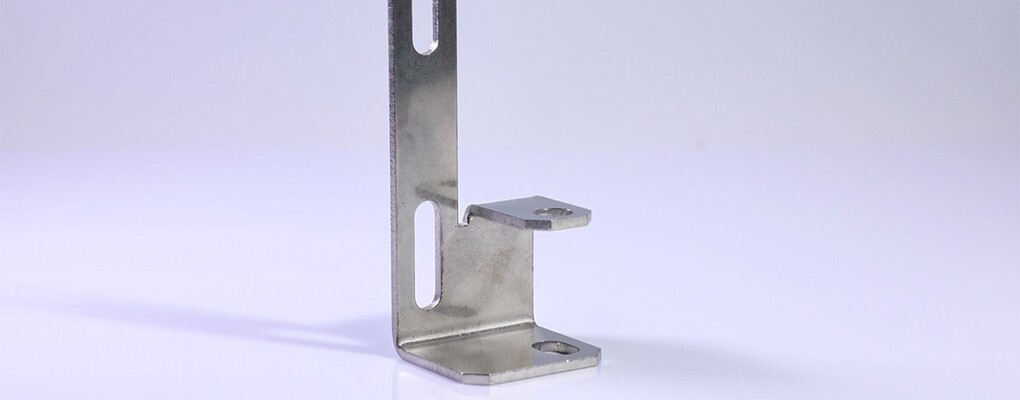
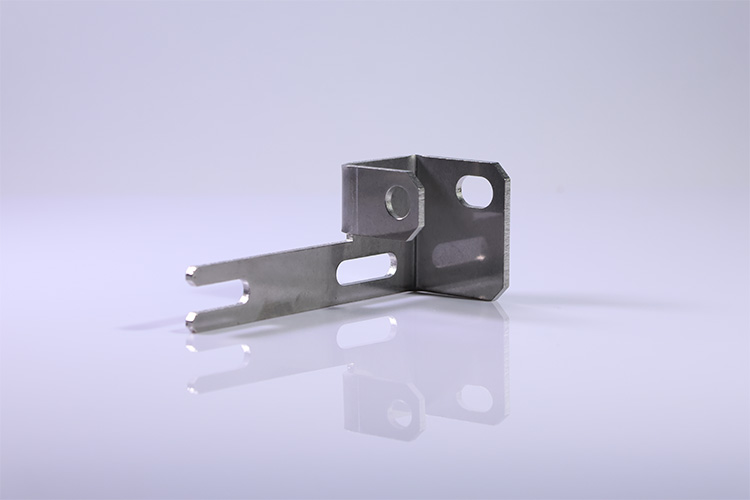
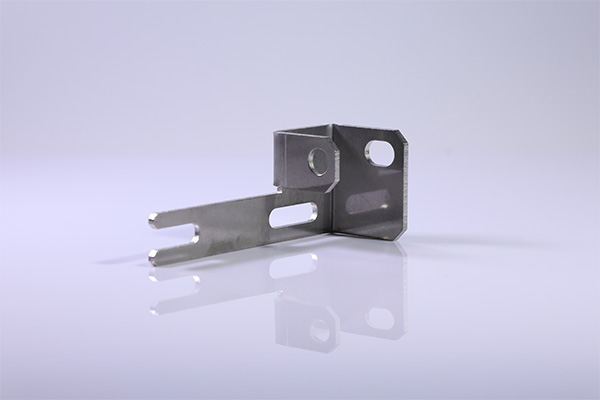
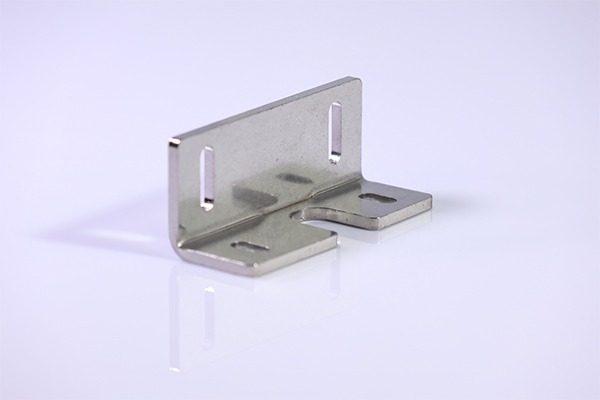
Custom Stainless Steel Part
sheet metal waterjet cutting_2
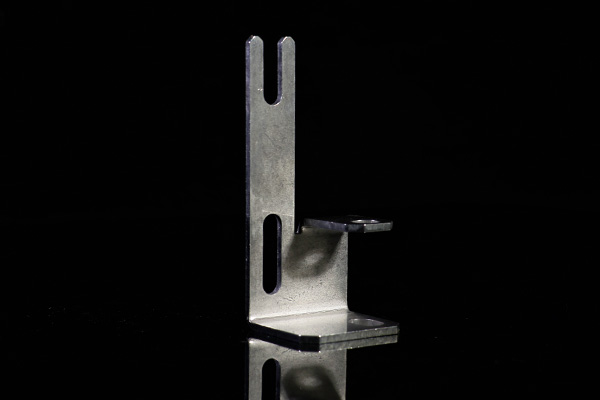
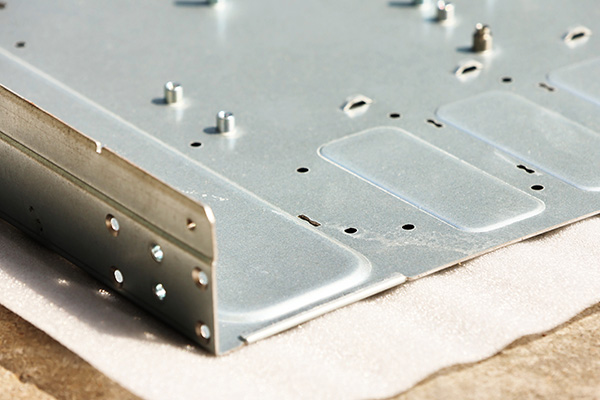
Custom Stainless Steel Part
sheet metal waterjet cutting_3
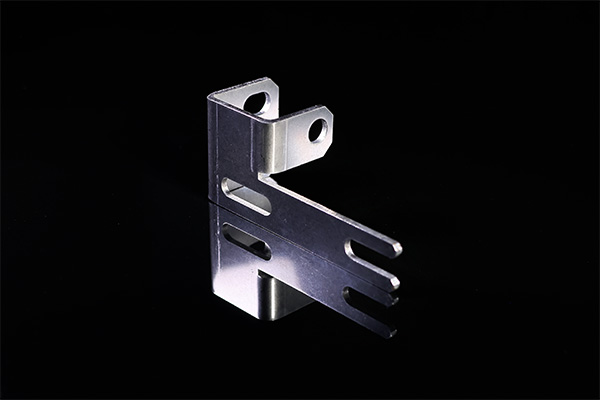
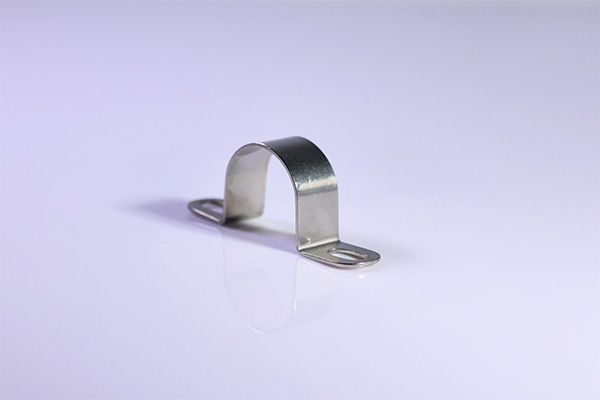
Custom Stainless Steel Part

Pros and Cons of Waterjet Cutting

waterjet cutting advantages
Pros

1. Produces complex profiles without significant heat input.

2. Minimizes heat-affected zones compared with thermal cutting methods.

3. Can process a wide range of metals and material thicknesses.

4. Suitable for intricate contours, openings, slots, and custom profiles.

5. Does not require dedicated cutting dies, making it suitable for prototypes and custom parts.

waterjet cutting disadvantages
Cons

1. Cutting speeds can be slower than some thermal cutting methods for certain applications.

2. Abrasive waterjet cutting consumes abrasive media during operation.

3. Equipment and operating costs can be higher for some projects.

4. The cutting process uses significant amounts of water and requires appropriate waste management.

Quote
Cookie Policy

3DSPRO collect cookies on your computer to provide more personalized services to you. By using this website, you consent to the cookies we use and our Privacy Policy

Accept