
21
Low to Medium Volume
1370mm * 700mm * 600mm
Large / Oversized Components
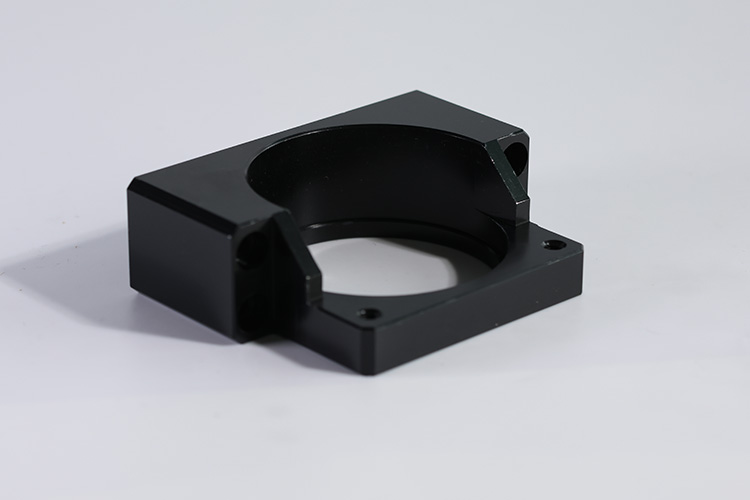
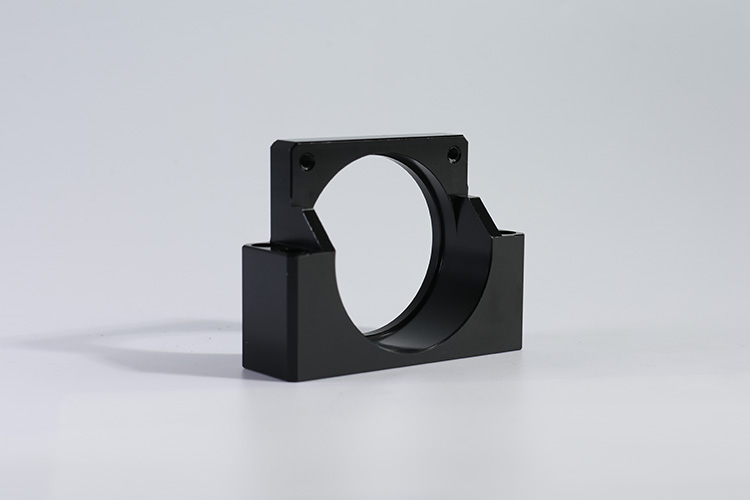
Large part CNC machining is a subtractive manufacturing process for producing oversized components that require a larger machining envelope than conventional CNC equipment.
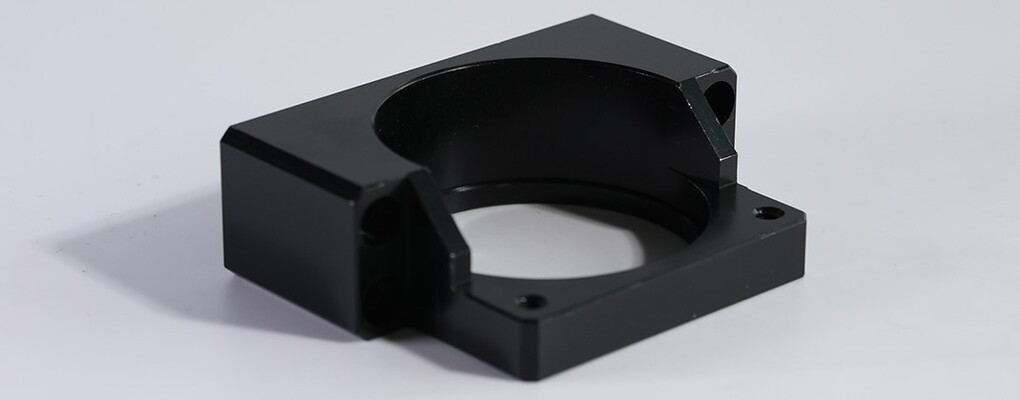
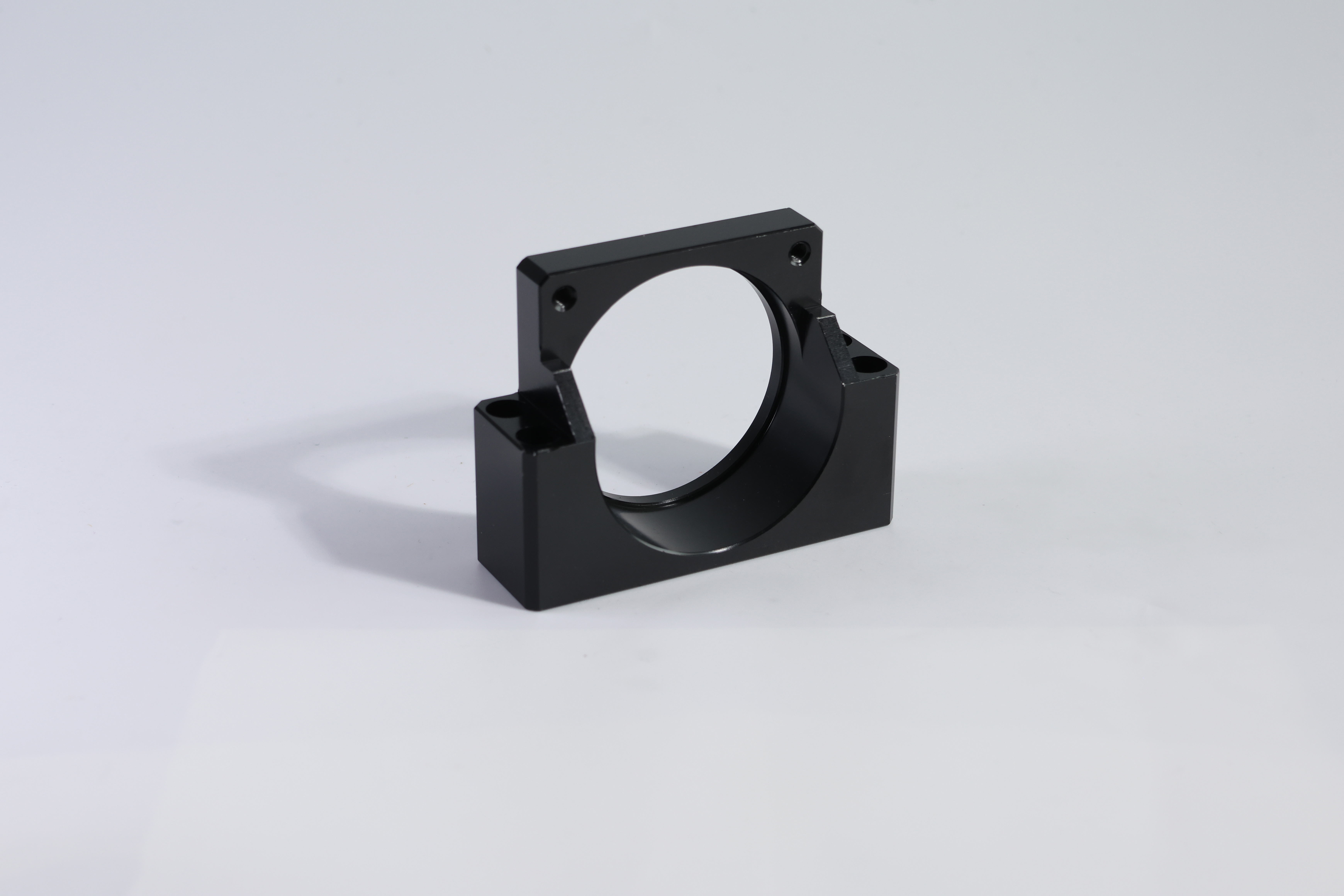
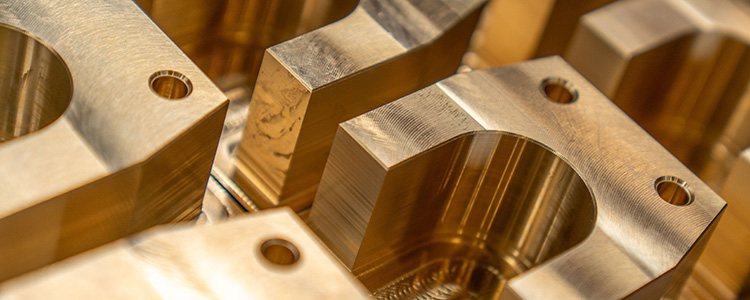
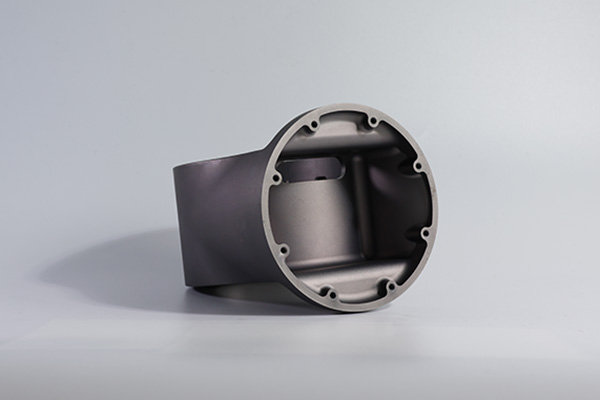
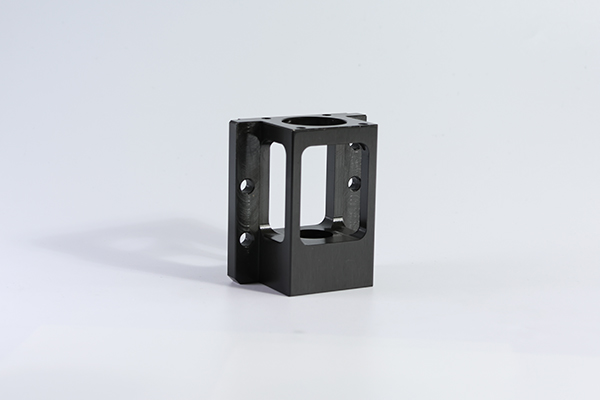
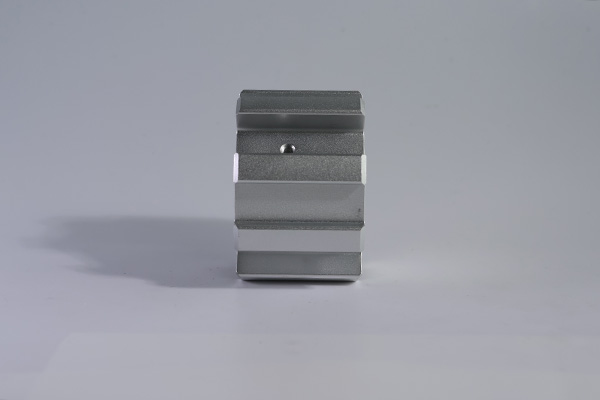
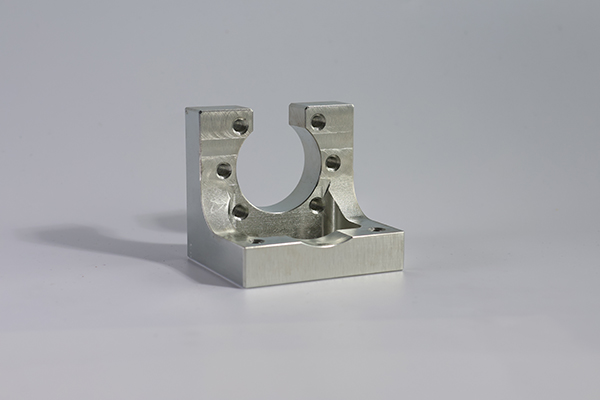
Large part CNC machining can produce large frames, structural components, machine bases, housings, panels, molds, and other oversized parts. It is particularly suitable for applications where the overall part size is a key manufacturing requirement while accurate features and repeatable machining quality are still required.
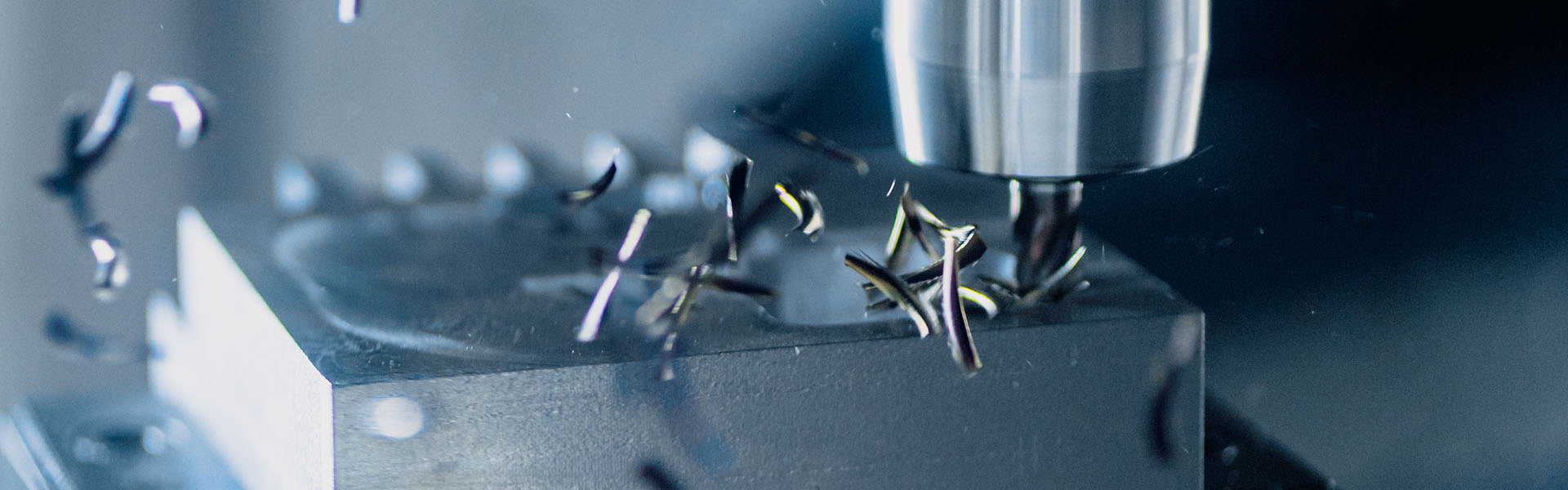
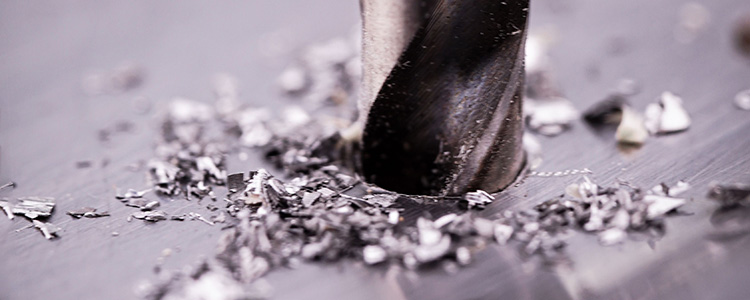
Large part CNC machining uses controlled material removal, appropriate fixturing, and carefully planned machining operations to produce oversized components. Here are the processes of large part CNC machining at 3DSPRO:
Import the CAD file and review the overall dimensions and part geometry.
Identify critical features, tolerances, and machining requirements.
Select the appropriate machine, material, tooling, and workholding method.
Plan machining setups and optimize toolpaths.
Secure the workpiece on the CNC machine.
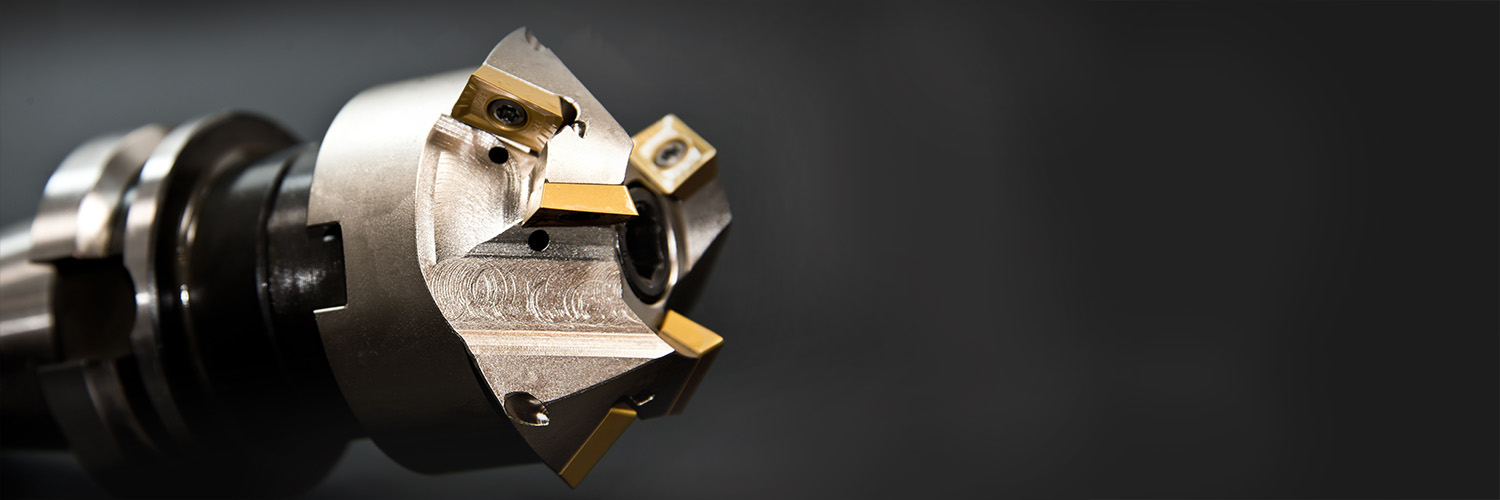
Large part CNC machining machine operating.
Perform additional setups when required for features outside the initial machining range.
Measure critical dimensions and inspect machined features.
Perform deburring and other secondary operations if required.
Surface finishing (optional).
Quality inspection.
Packing and shipping.
1. Can manufacture oversized components that exceed the working range of standard CNC machines.
2. Suitable for large structural, industrial, and functional parts.
3. Supports a wide range of metals and engineering plastics.
4. Can maintain accurate critical features across large components through controlled machining and inspection.
5. Suitable for prototypes, custom components, and production parts.
1. Large workpieces generally require more material handling and specialized fixturing.
2. Machining time and costs can increase with part size.
3. Very large or complex parts may require multiple setups.
4. Maintaining dimensional consistency across an oversized workpiece can require careful process planning and inspection.
5. Complex internal features may require additional machining.
3DSPRO collect cookies on your computer to provide more personalized services to you. By using this website, you consent to the cookies we use and our Privacy Policy
Accept