
STAY INSPIRED

Sign up for 3DSPRO Newsletter and get InSpiration with our content, news and exclusive offers.

CNC Machining Service

Turn your digital designs into precise, production-ready parts with CNC machining. From rapid prototypes and functional components to low- and medium-volume production, 3DSPRO provides CNC machining services with a wide selection of engineering metals and plastics, multiple machining processes, and professional surface finishing options to meet your project requirements.
What Is CNC Machining

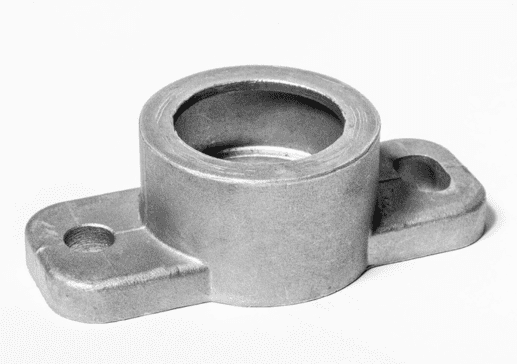
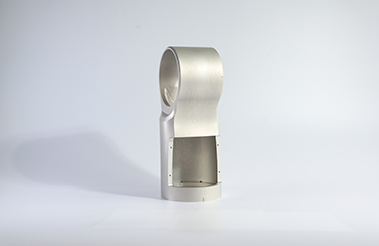
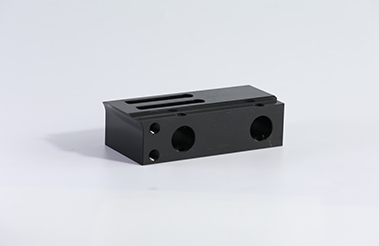
CNC machining is a computer-controlled subtractive manufacturing process that removes material from a solid workpiece using precision cutting tools. Based on a digital CAD model, CNC machines can mill, turn, drill, tap, and cut materials into accurate and repeatable parts. Unlike additive manufacturing, CNC machining starts with a solid block, rod, or sheet and removes material until the desired geometry is achieved, which makes it particularly suitable for applications requiring tight tolerances, high strength, excellent dimensional stability, and smooth surface finishes.

What Can CNC Machining Do

More Real Examples >

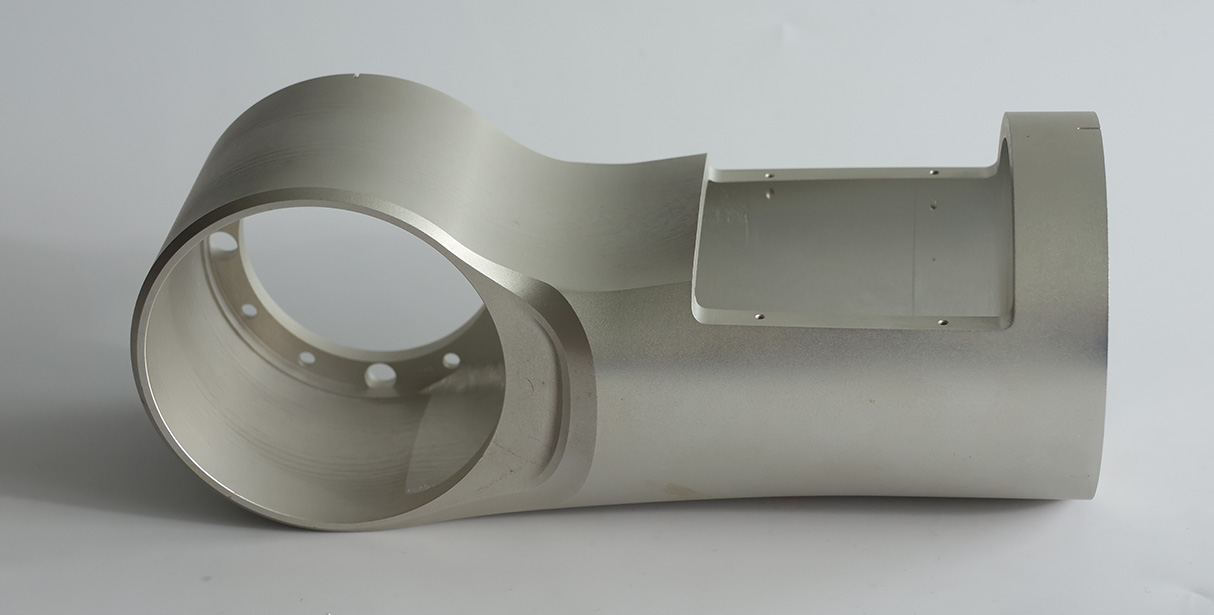
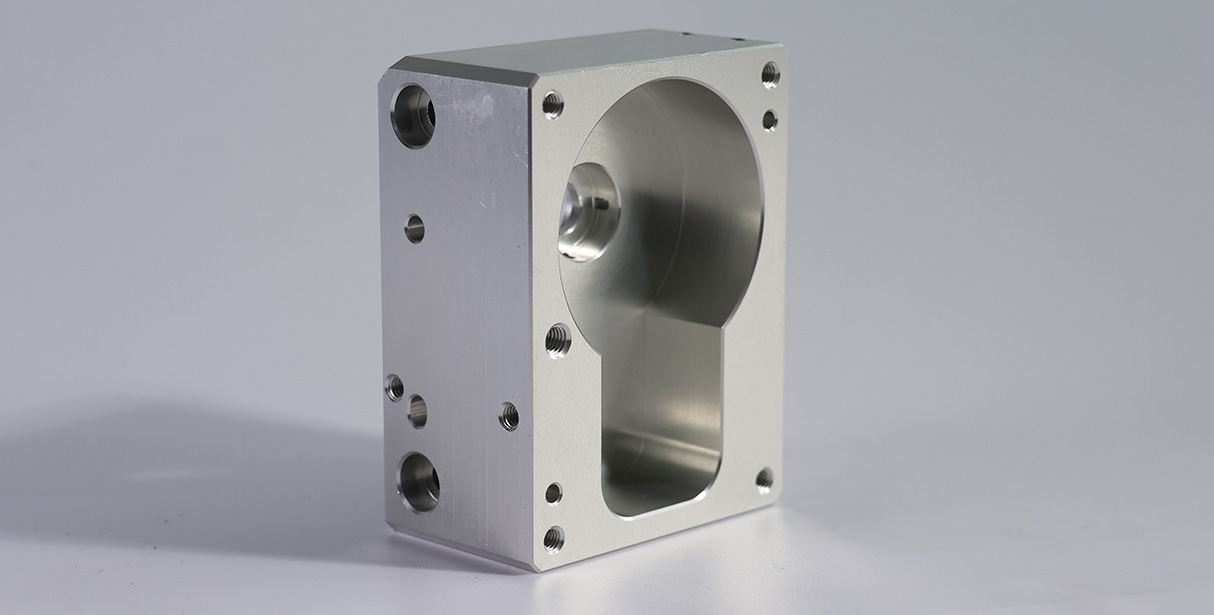
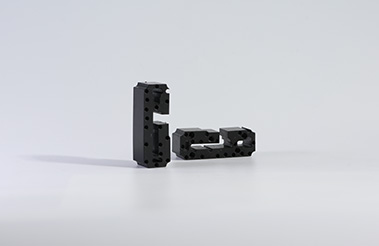
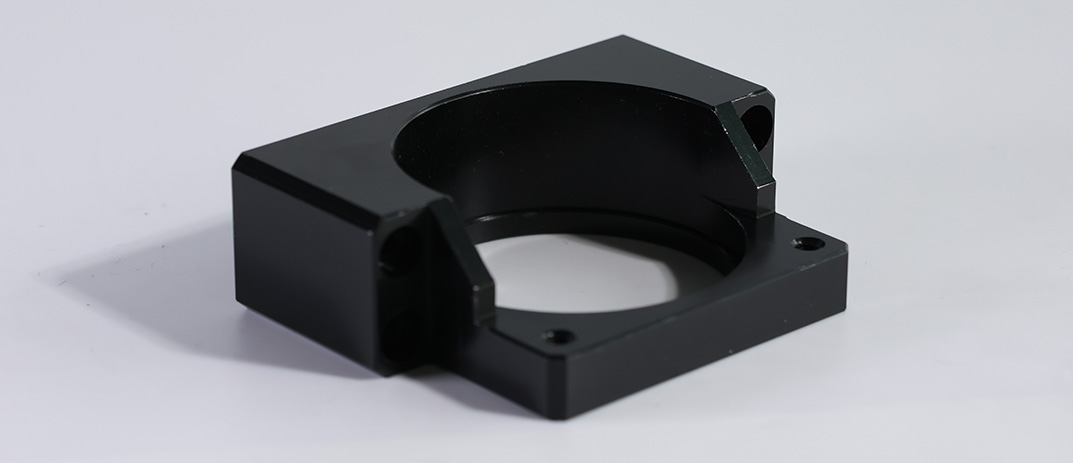
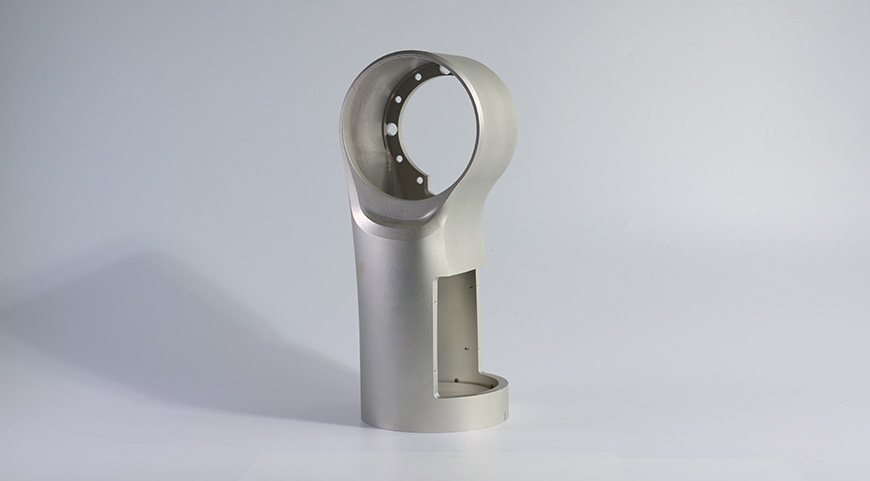
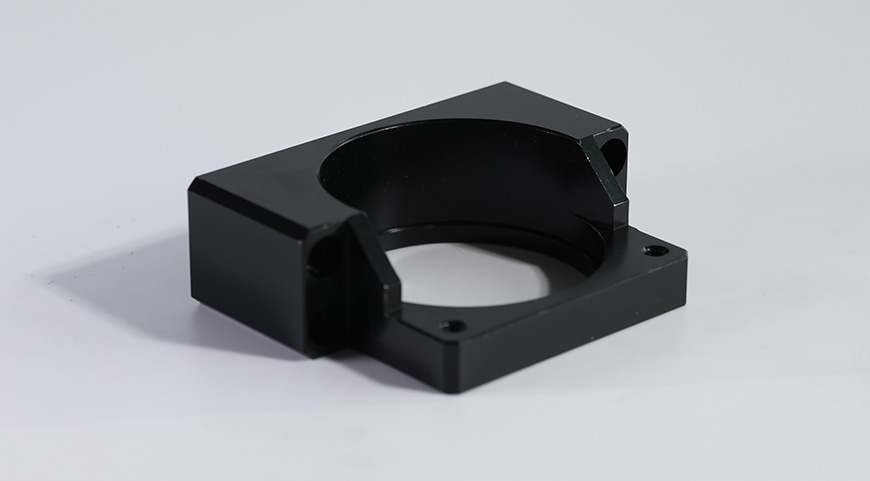
cnc machined precision part
Precision Machined Parts

CNC machining can produce highly accurate components with tight dimensional tolerances.

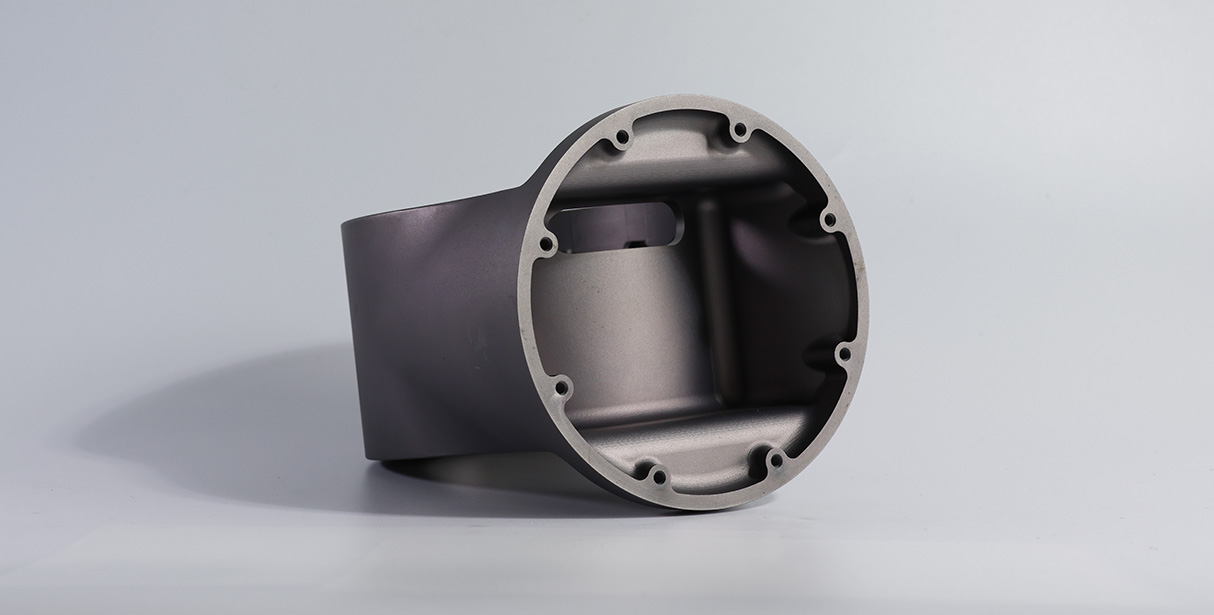
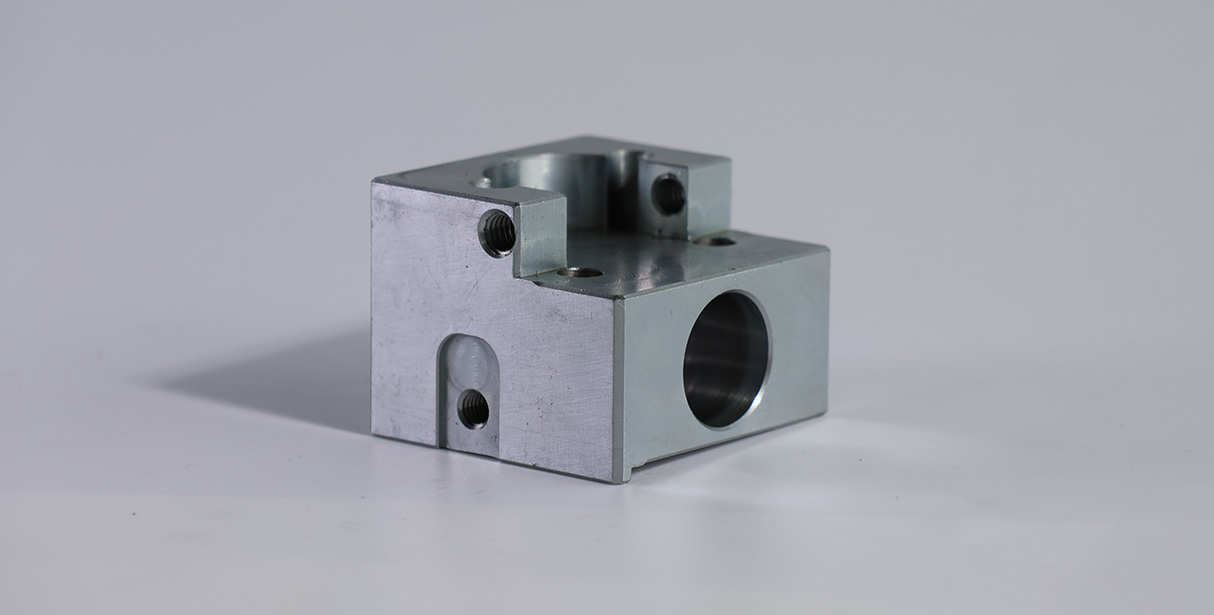
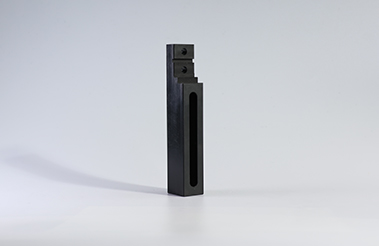
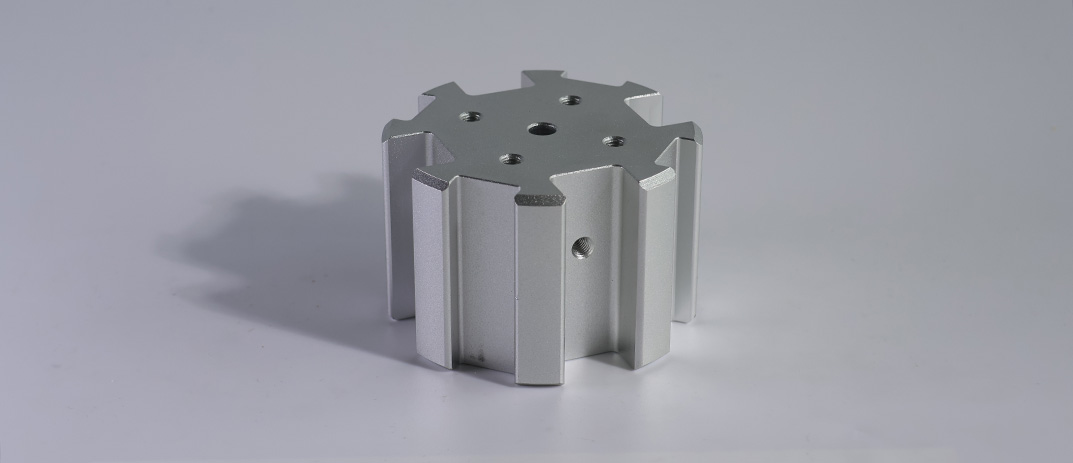
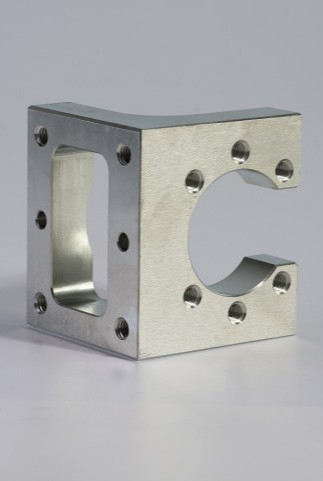
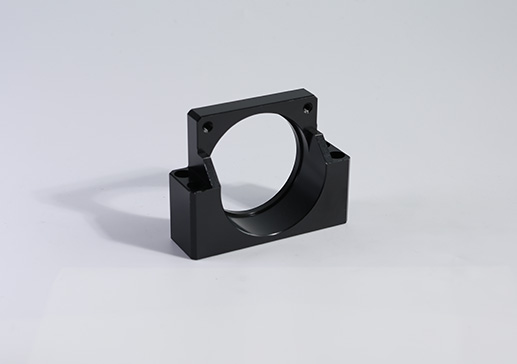
cnc machined functional component
Functional Components

CNC machined parts retain the mechanical properties of the selected engineering material.

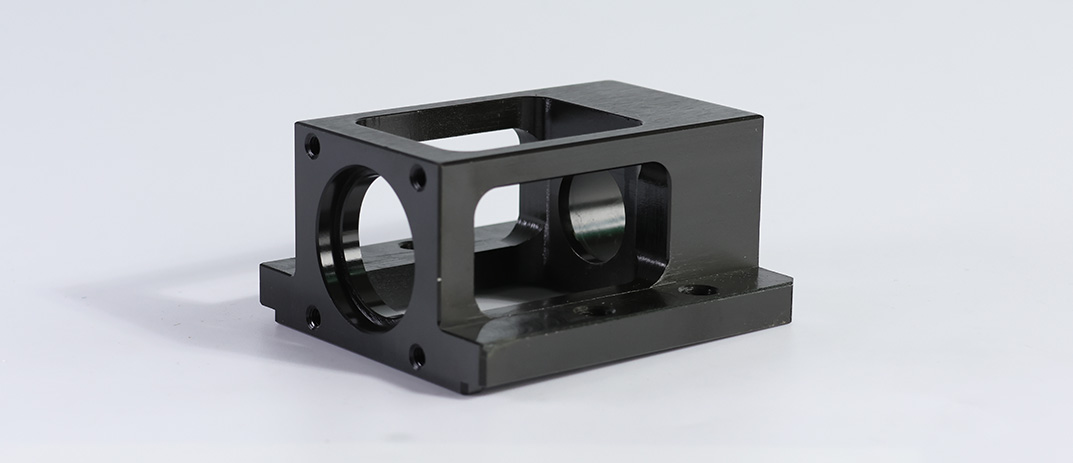
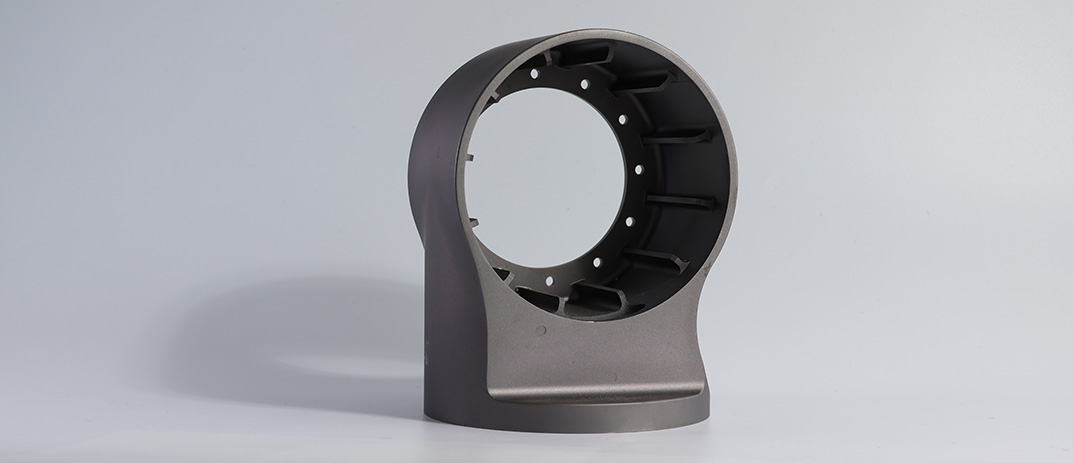
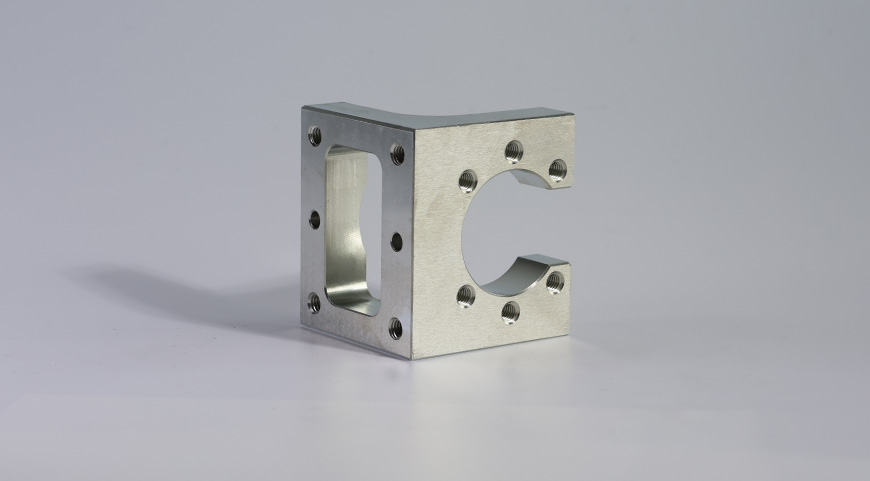
cnc machined part with smooth surface finish
Smooth Surface Finishes

CNC machining naturally produces a clean and consistent machined surface.

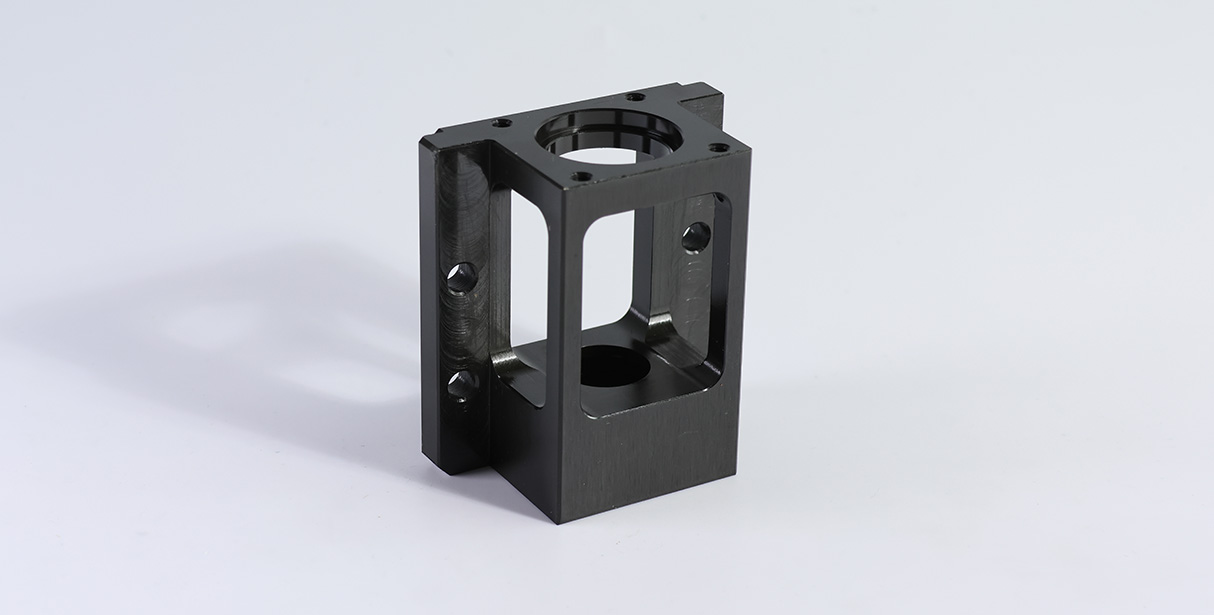
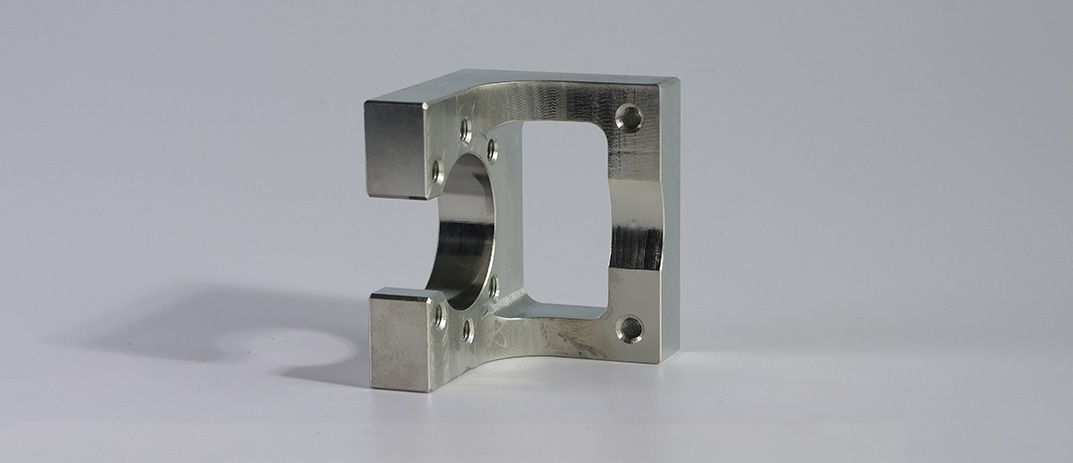
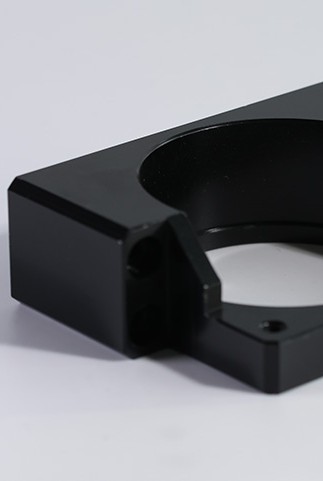
cnc machined metal
Metal Components

CNC machining is well suited to various engineering metals.

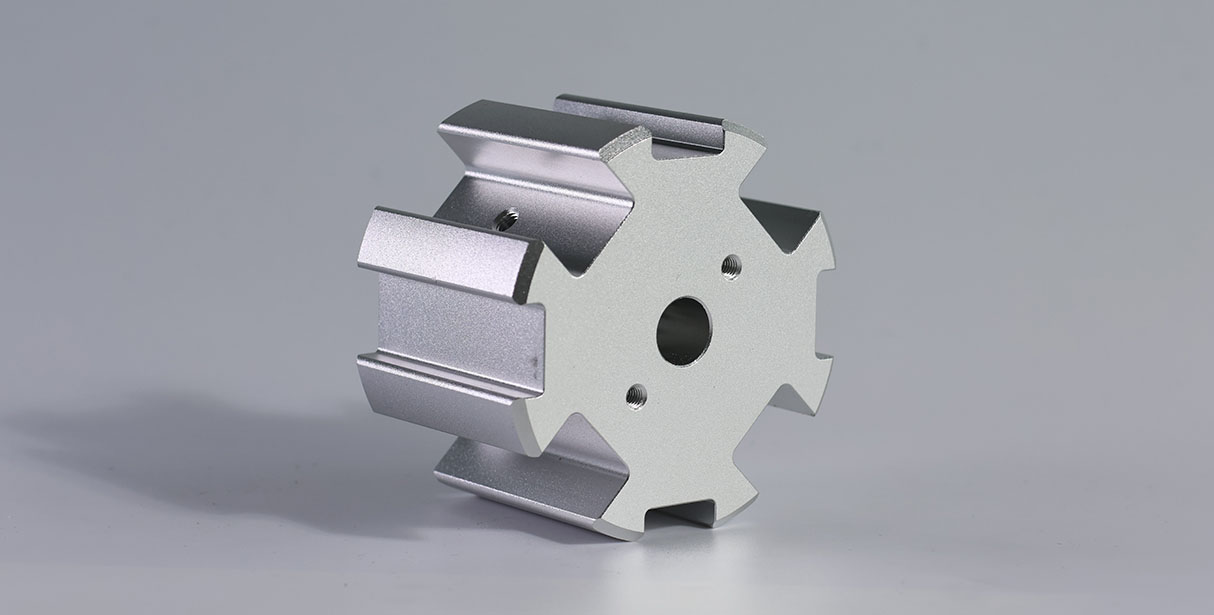
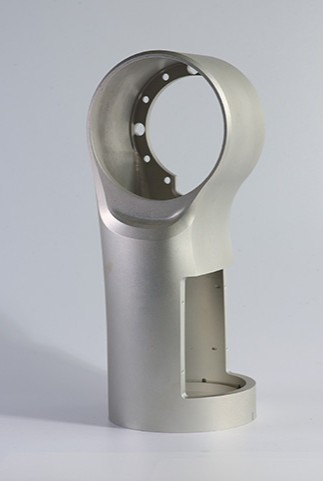
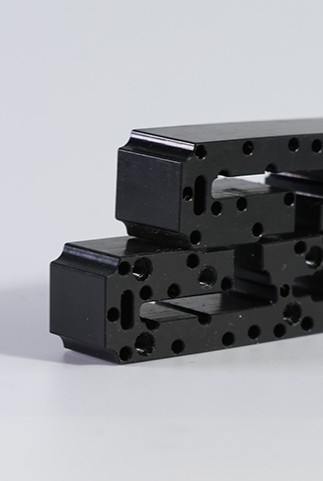
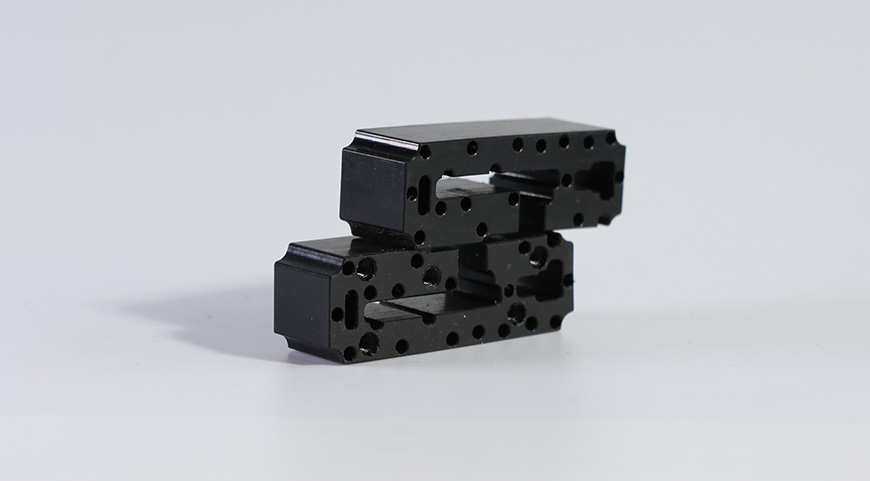
cnc machined complex parts
Complex Geometries

Multi-axis CNC machining can access multiple surfaces of a workpiece and produce complex features.

cnc machined prototype
Production Prototypes

CNC machining can produce prototypes from the same or comparable production-grade materials.

How Does CNC Machining Work

Once customers upload their CAD files and place an order, we review the design, select the appropriate machining process and material, manufacture the parts, inspect them, and prepare them for shipment.

  • Process step connector
    review cnc machining files

    Review

    Our engineers review the CAD model and technical requirements to identify potential manufacturability issues.

  • Process step connector
    setup machining toolpaths

    Programming and Setup

    The approved design is prepared using CAM software to generate machining toolpaths and machine instructions.

  • Process step connector
    cnc machining

    Machining

    The CNC machine follows the programmed toolpaths to remove material from the workpiece.

  • Process step connector
    surface finishing for cnc machined parts

    Surface Finishing

    After machining, parts can receive additional surface treatments

  • inspect cnc machined parts

    QC and Shipping

    Finished parts are inspected to verify dimensions, appearance, and other specified requirements.
Types of CNC Machining

cnc machining_cnc milling
CNC Milling

CNC milling uses computer-controlled cutting tools to remove material from a solid workpiece and create precise shapes and features. It can produce complex 3D geometries, holes, pockets, slots, and contoured surfaces with high accuracy. CNC milling is suitable for a wide range of prototype and production parts.

Learn More
cnc machining_cnc turning
CNC Turning

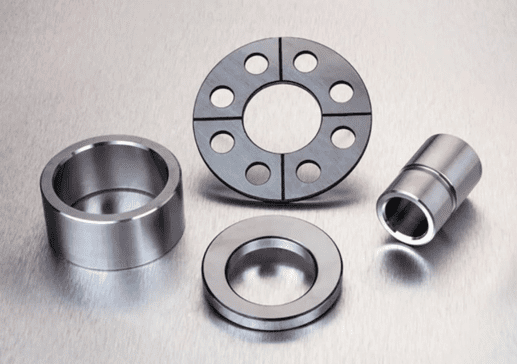
CNC turning rotates a workpiece while a cutting tool removes material to create cylindrical and rotational features. It is commonly used for shafts, pins, bushings, sleeves, and other round components. CNC turning can produce accurate diameters, threads, grooves, and other features with consistent quality.

Learn More
cnc machining_cnc routing
CNC Routing

CNC routing uses a computer-controlled router to cut, engrave, and shape materials along programmed paths. It is particularly suitable for large or flat workpieces and can efficiently produce panels, plates, templates, and other components with two-dimensional or relatively simple three-dimensional geometries.

Learn More
cnc machining_precision machining
Precision Machining

Precision machining focuses on producing components with tight dimensional tolerances and highly accurate features. Advanced CNC equipment, appropriate tooling, and controlled machining processes can achieve consistent results for parts that require precise fits, critical dimensions, and fine surface finishes.

Learn More
cnc machining_large part machining
Large Part CNC Machining

Large part CNC machining is used to manufacture oversized components that require large working envelopes and stable machining processes. It can produce large frames, structural components, housings, molds, and other parts while maintaining dimensional consistency across the workpiece.

Learn More

Types of CNC Machining Materials

Learn More About Our CNC Machining Materials >

Learn More About Our CNC Machining Materials >

What Are the Differences Between CNC Machining and Other Manufacturing Technologies

CNC Machining vs 3D Printing
CNC Machining vs Injection Molding
CNC Machining vs Sheet Metal Fabrication
CNC Machining vs Metal Casting
cnc machining vs 3d printing_cnc machining

CNC machining is a subtractive process that removes material from a solid workpiece, while 3D printing builds parts layer by layer. CNC machining generally provides superior dimensional accuracy, surface finish, and mechanical properties from production-grade materials.

cnc machining vs 3d printing_3d printing

3D printing offers greater geometric freedom and is often more efficient for highly complex shapes, internal structures, and certain low-volume applications.

cnc machining vs injection molding_cnc machining

CNC machining does not require expensive production tooling and can therefore be more practical for prototypes, customized parts, and low- to medium-volume production.

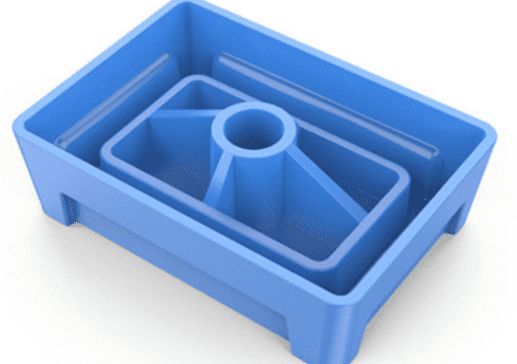
cnc machining vs injection molding_injection molding

Injection molding becomes more economical for large quantities of identical plastic parts once tooling costs are distributed across a high production volume.

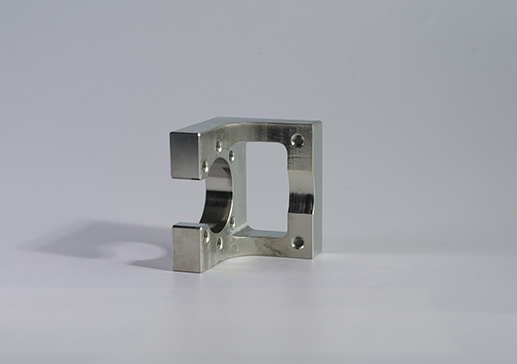
cnc machining vs sheet metal fabrication_cnc machining

CNC machining removes material from a solid workpiece to create precise three-dimensional components. CNC machining is generally better suited to solid parts, tight tolerances, and intricate machined features.

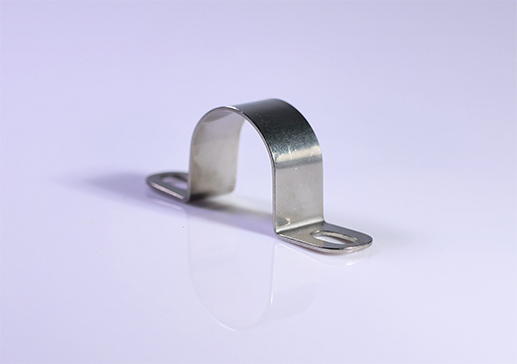
cnc machining vs sheet metal fabrication_sheet metal fabrication

Sheet metal fabrication forms relatively thin metal sheets through processes such as cutting, bending, and forming.

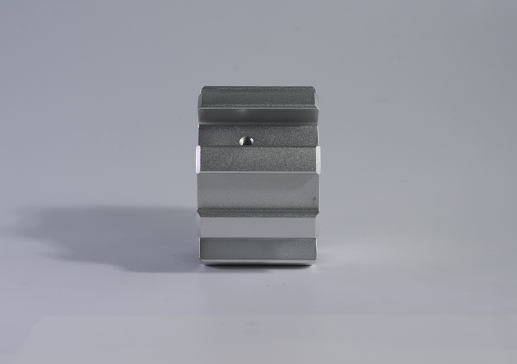
cnc machining vs metal casting_cnc machining

CNC machining produces parts directly from solid stock and can achieve excellent dimensional control and surface quality without casting molds.

cnc machining vs metal casting_metal casting

Metal casting is more suitable for larger or highly complex metal components and high-volume production, particularly when near-net-shape manufacturing can reduce machining requirements.
It's easy to get in,

Quote Now
Quote
Cookie Policy

3DSPRO collect cookies on your computer to provide more personalized services to you. By using this website, you consent to the cookies we use and our Privacy Policy

Accept