
8
Prototypes to Low Volume
500mm * 310mm * 200mm
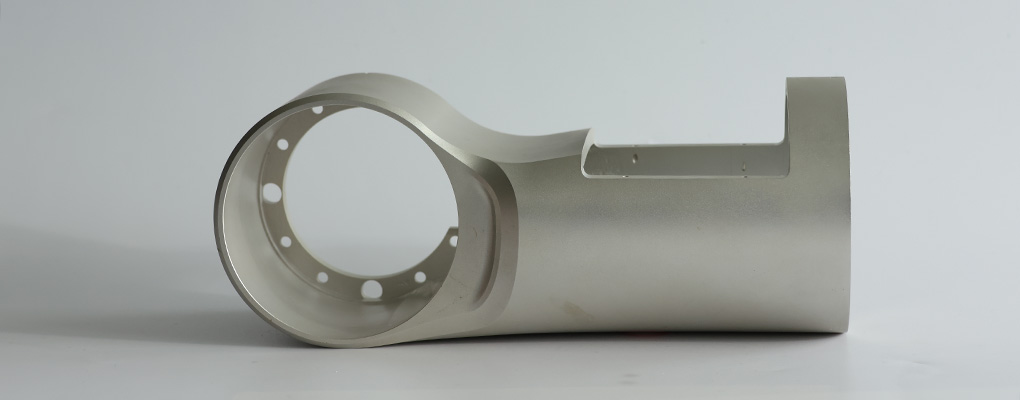
Complex, Tight-tolerance Parts
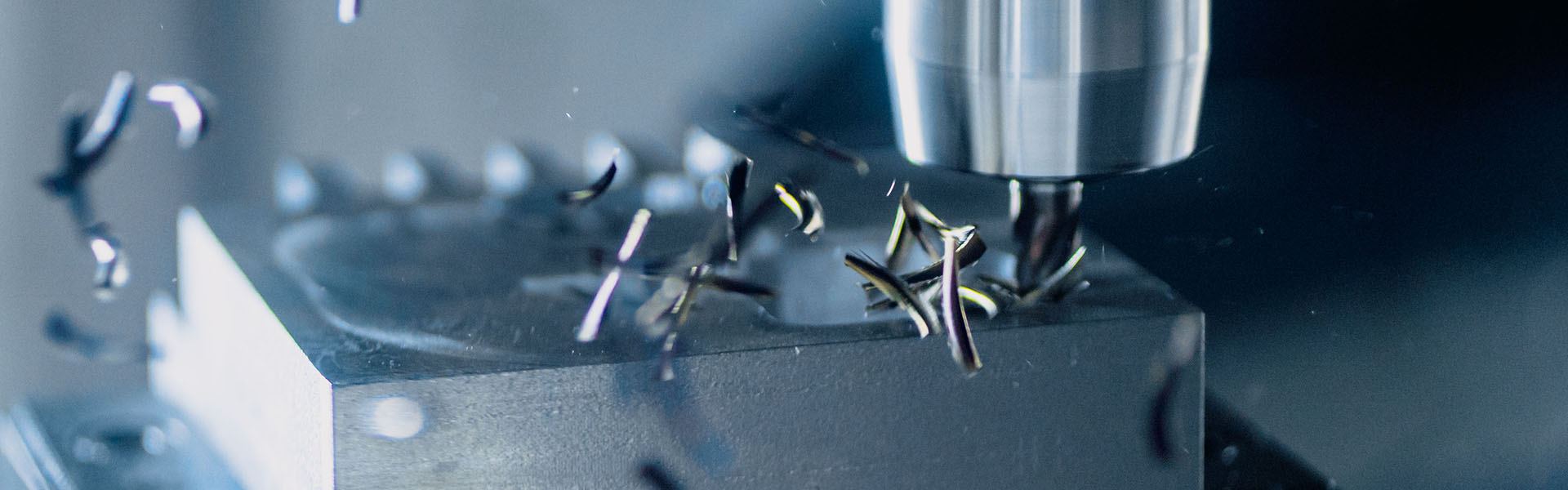
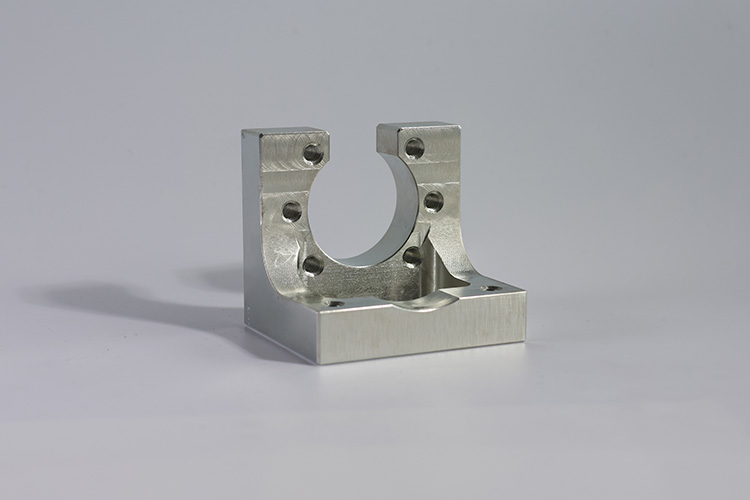
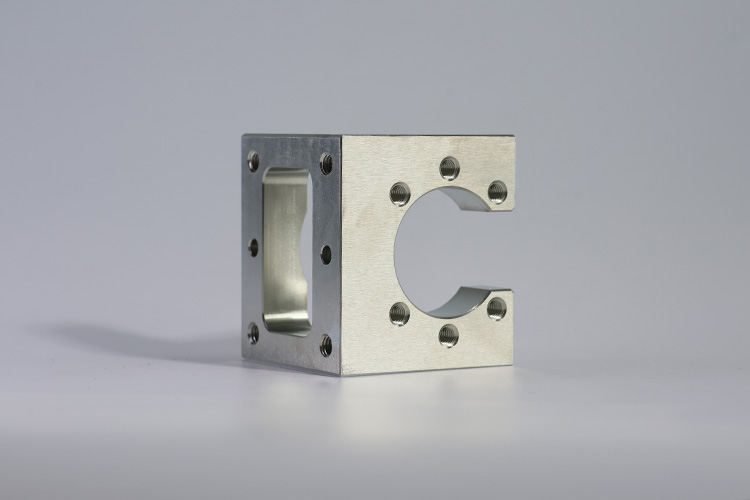
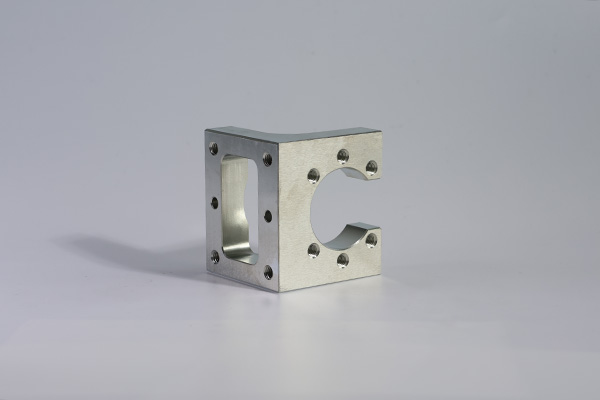
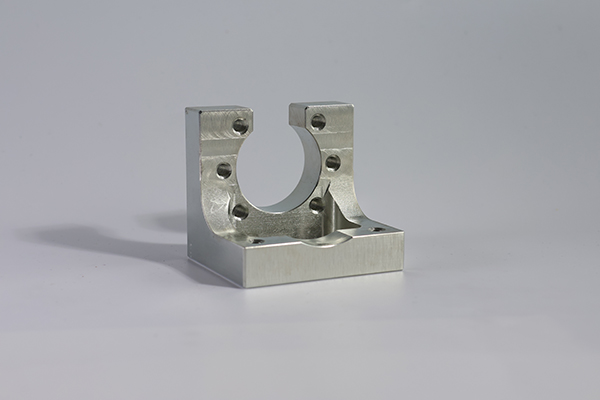
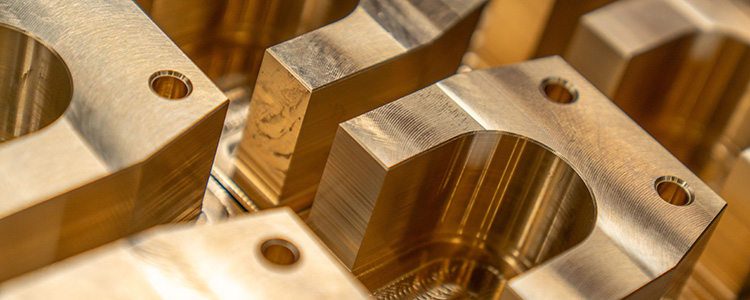
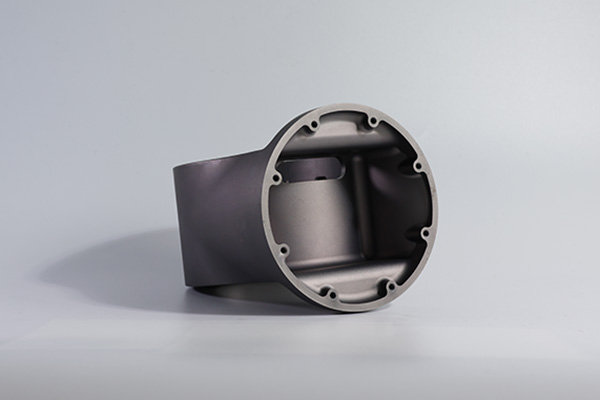
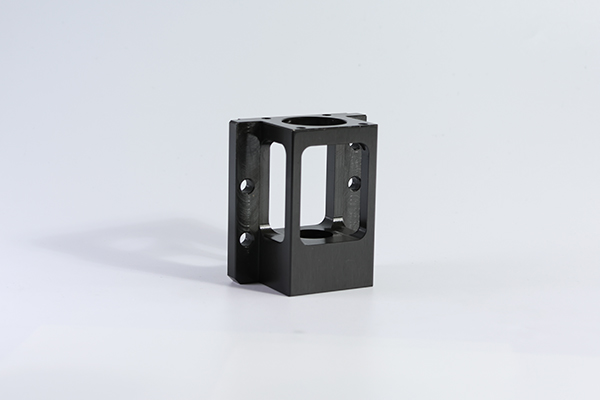
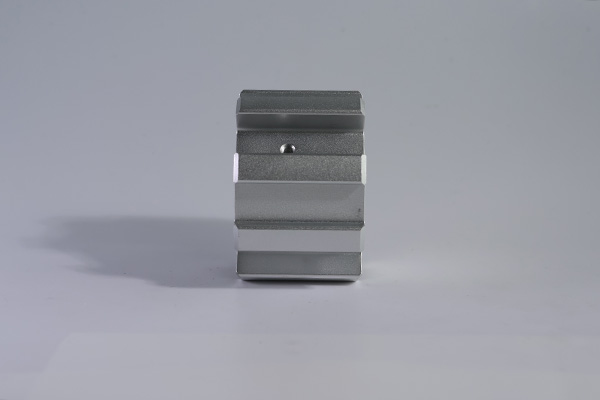
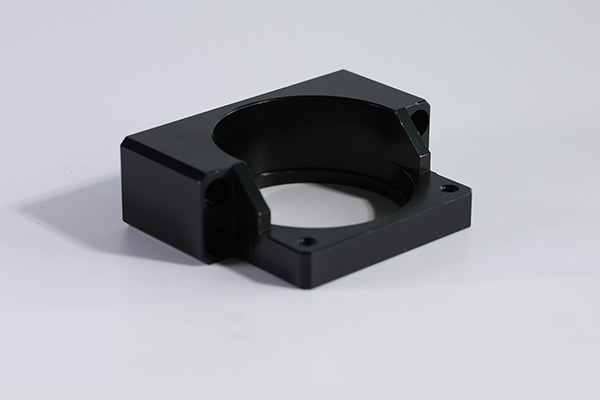
Precision machining is a manufacturing process focused on producing parts with tight dimensional tolerances, accurate geometries, and consistent feature quality.
Precision machining is used when standard machining tolerances are not sufficient for the application. It can produce critical features such as precise holes, bores, threads, mating surfaces, and complex contours that require reliable dimensional control.
Precision machining creates parts through carefully controlled material removal, tooling, fixturing, and inspection. Here are the processes of precision machining at 3DSPRO:
Import the CAD file and review critical dimensions and features.
Identify required tolerances and machining requirements.
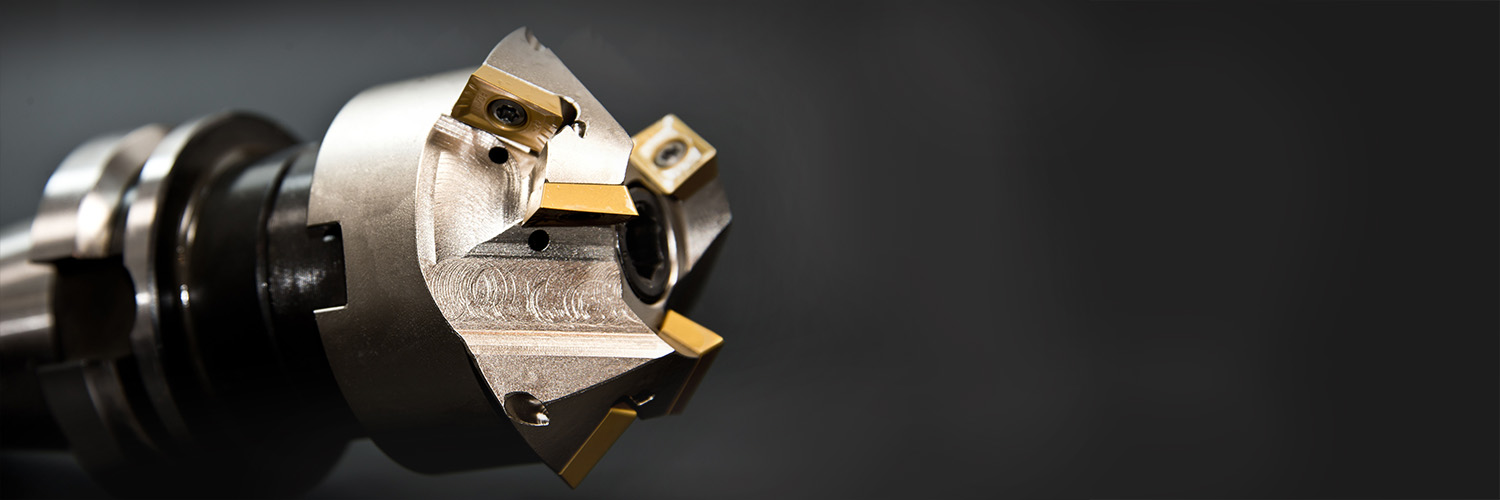
Select the appropriate material, machine configuration, and cutting tools.
Generate and optimize machining toolpaths.
Secure the workpiece using appropriate precision fixturing.
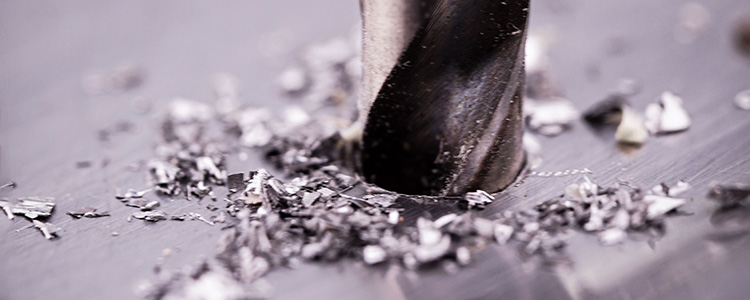
Precision machining machine operating.
Measure critical dimensions during or after machining.
Perform deburring and other secondary operations if required.
Surface finishing (optional).
Quality inspection.
Packing and shipping.
1. Produces parts with tight dimensional tolerances and high repeatability.
2. Provides accurate machining of critical features.
3. Supports a wide range of metals and engineering plastics.
4. Suitable for components with demanding functional requirements.
5. Can be combined with secondary machining processes.
1. Tighter tolerances can increase machining time and production costs.
2. Complex parts may require specialized machines, tooling, and fixturing.
3. Material is removed from a solid workpiece, resulting in material waste.
4. Some geometries may require multiple setups or additional machining processes.
3DSPRO collect cookies on your computer to provide more personalized services to you. By using this website, you consent to the cookies we use and our Privacy Policy
Accept