
STAY INSPIRED

Sign up for 3DSPRO Newsletter and get InSpiration with our content, news and exclusive offers.

Sheet Metal Fabrication Service

Turn your ideas into reality with precision sheet metal fabrication. Whether you need prototypes, functional components, custom enclosures, or production parts, we provide a wide range of sheet metal fabrication processes and materials to meet your project’s specific requirements.
What Is Sheet Metal Fabrication

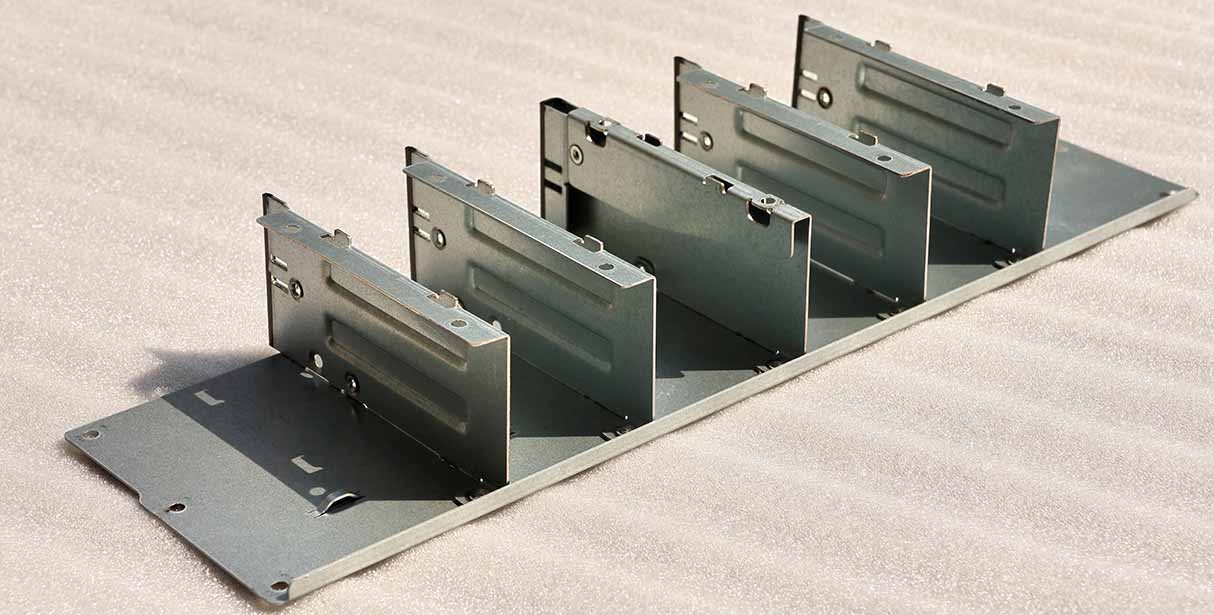
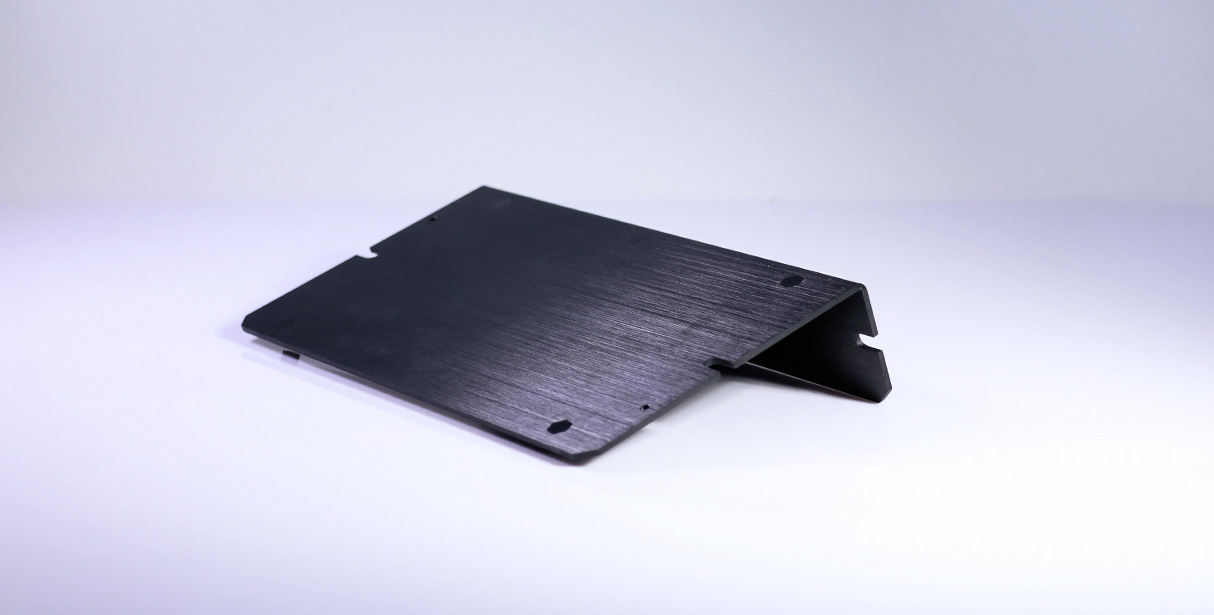
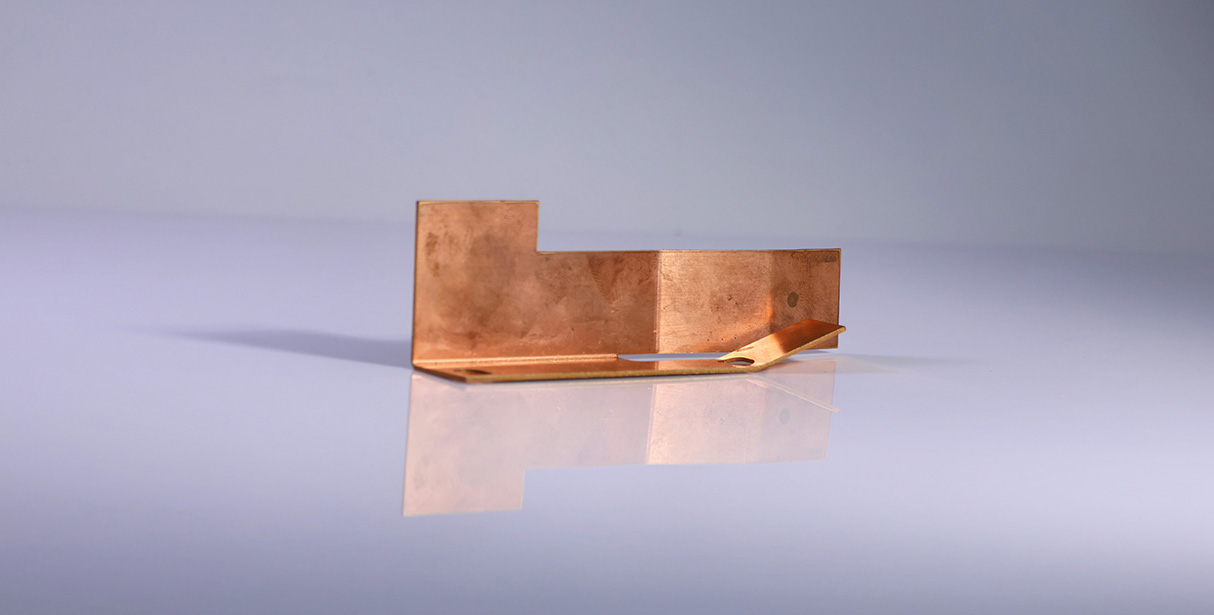
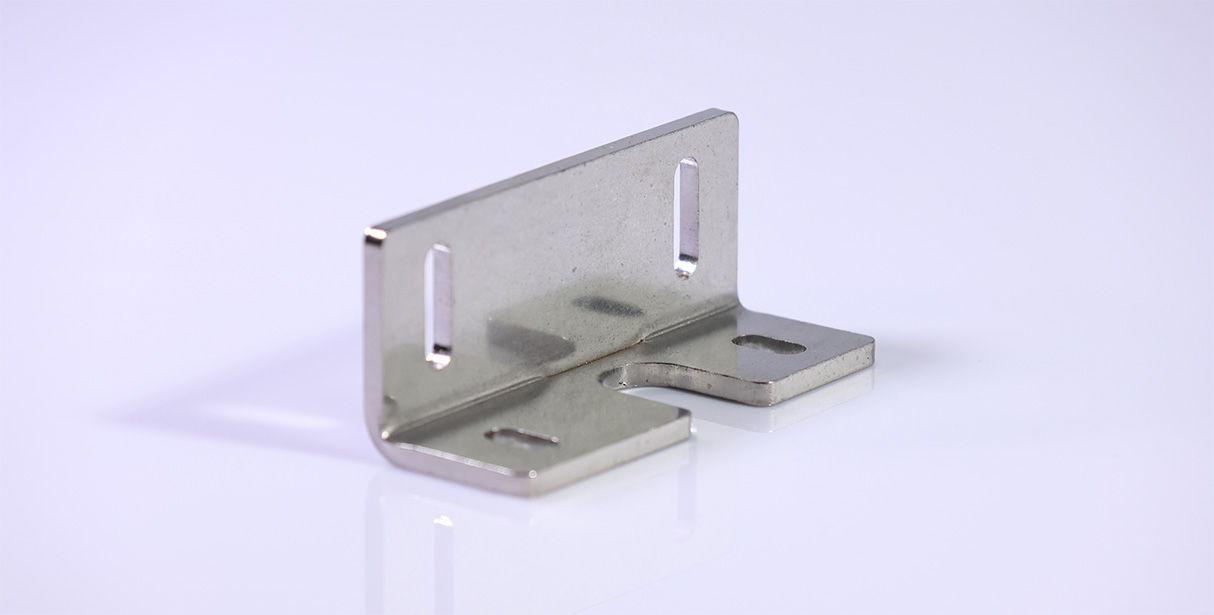
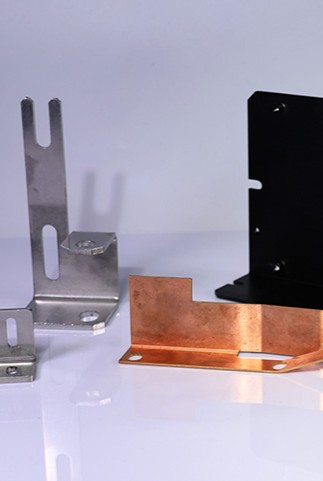
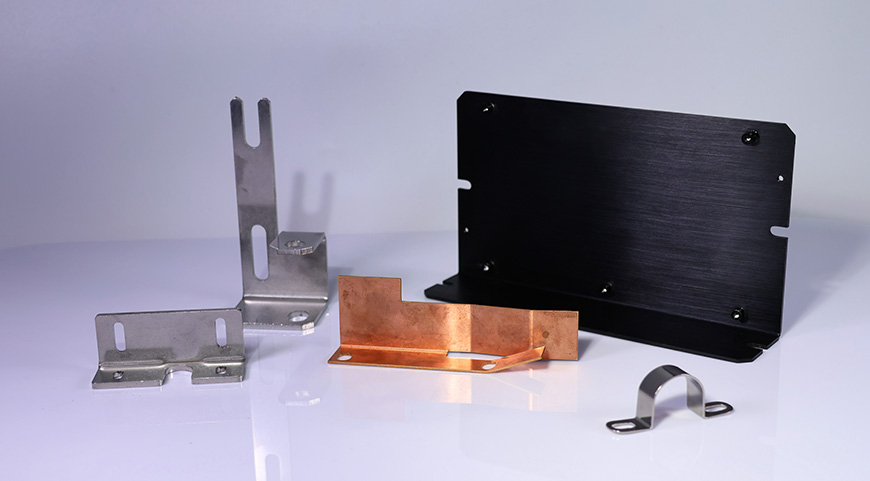
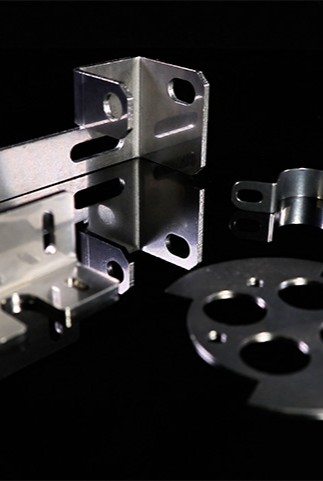
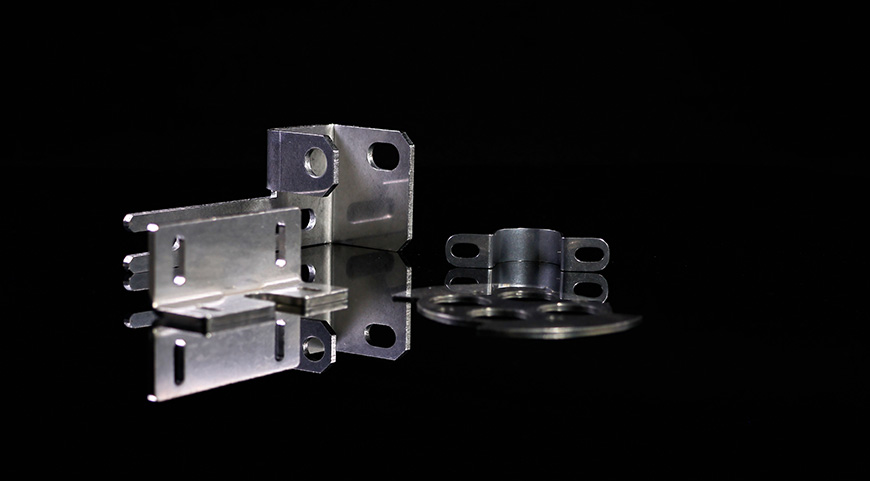
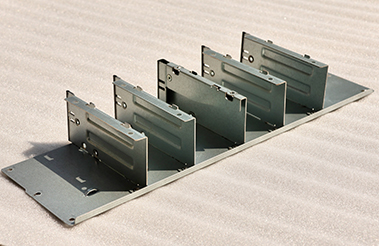
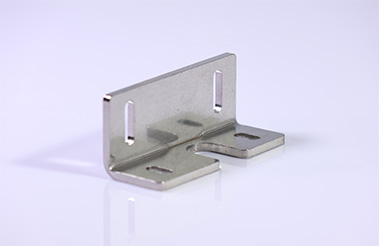
Sheet metal fabrication is a manufacturing process that transforms flat metal sheets into functional parts and assemblies through cutting, forming, bending, joining, and finishing. Using processes such as laser cutting, punching, press braking, and welding, sheet metal can be formed into precise and durable components for a wide range of industrial and commercial applications.

What Can Sheet Metal Fabrication Do

More Real Examples >

sheet metal fabrication part_1
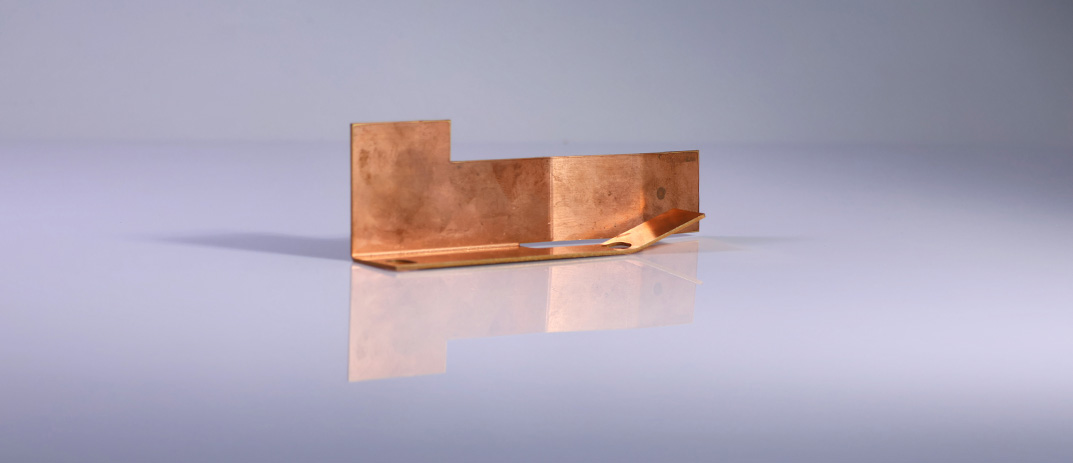
Custom Enclosures

Sheet metal fabrication can produce custom enclosures, housings, cabinets, and covers.

sheet metal fabrication part_2
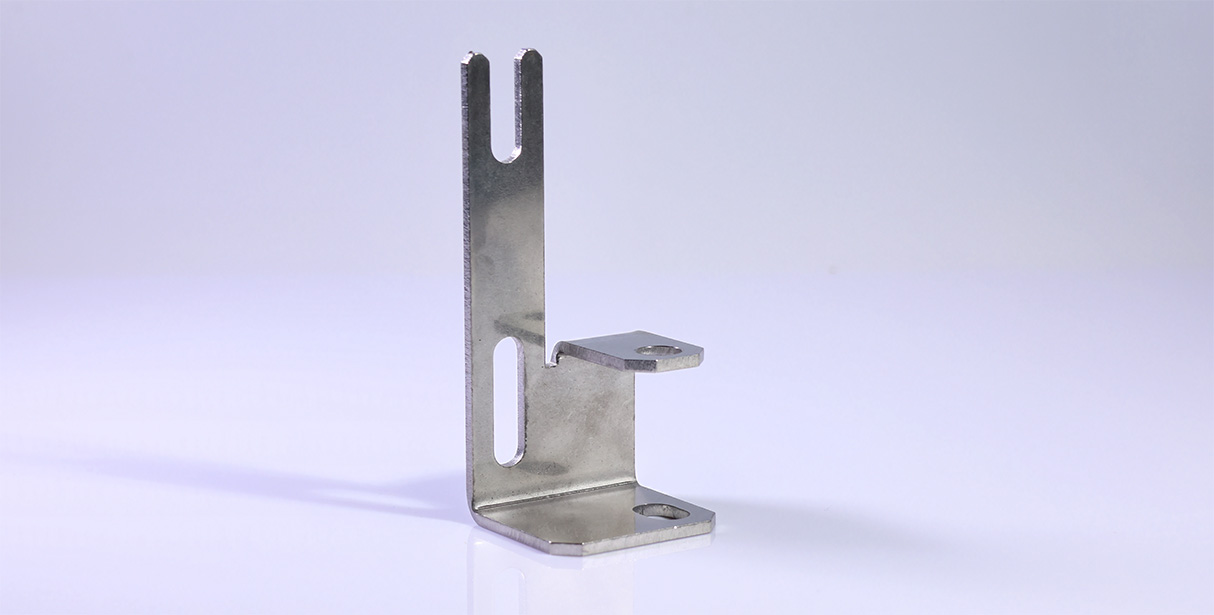
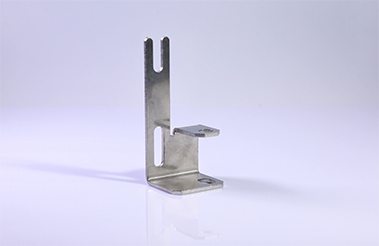
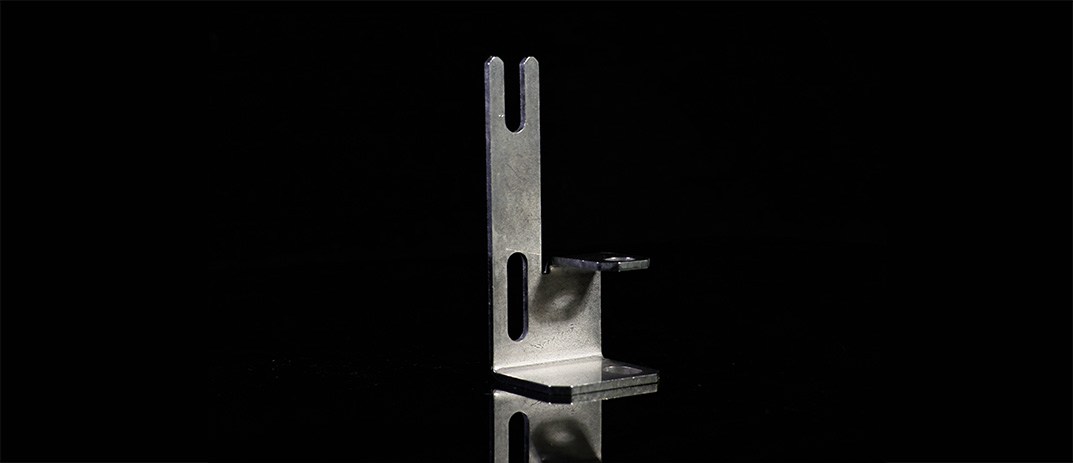
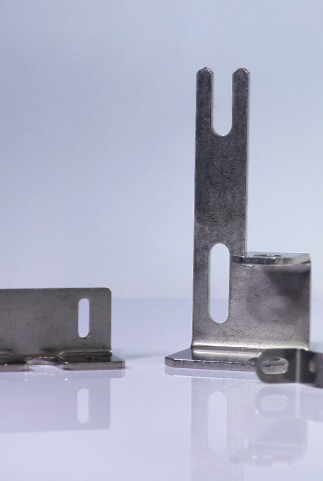
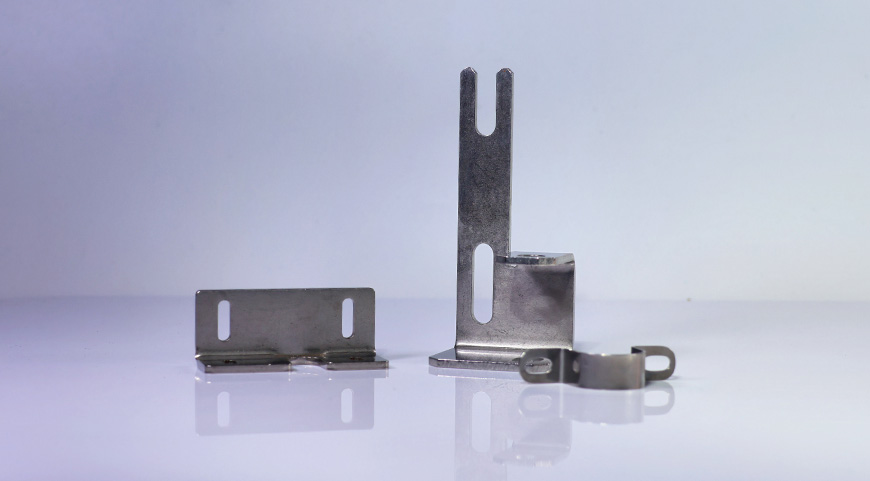
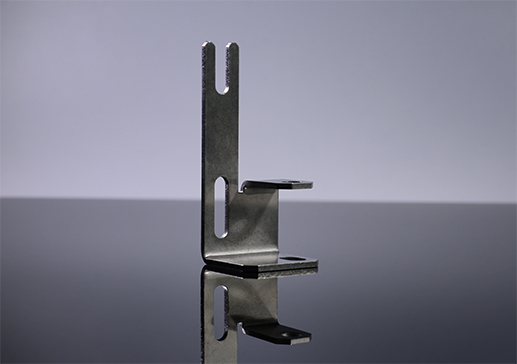
Precise Brackets

Sheet metal fabrication can produce brackets, mounting plates, and support components.

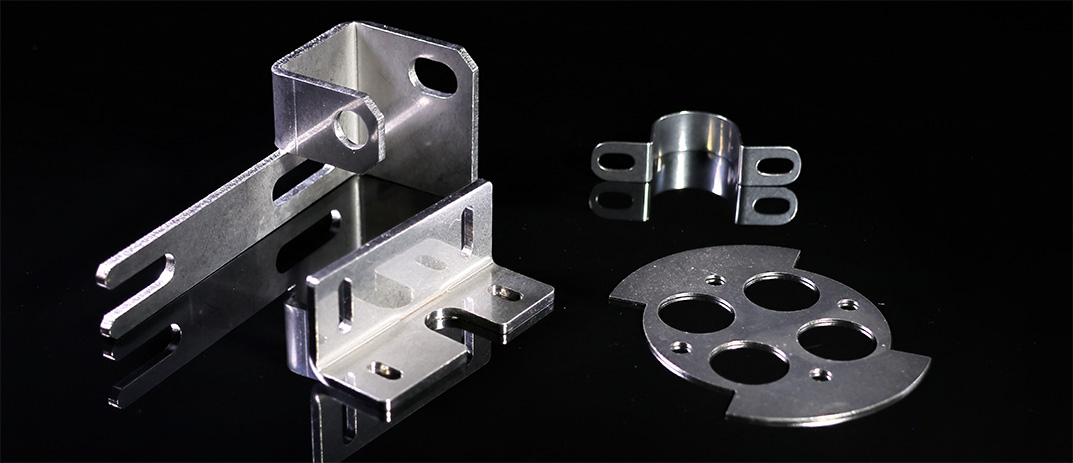
sheet metal fabrication part_3
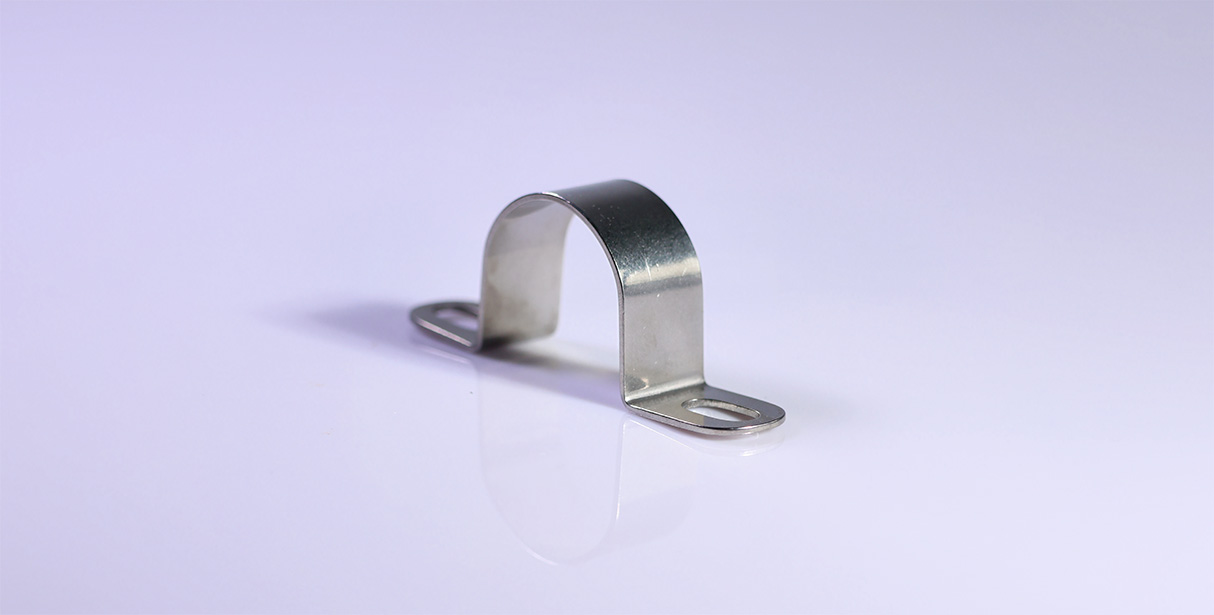
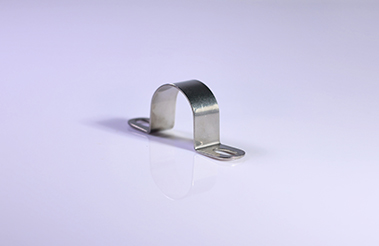
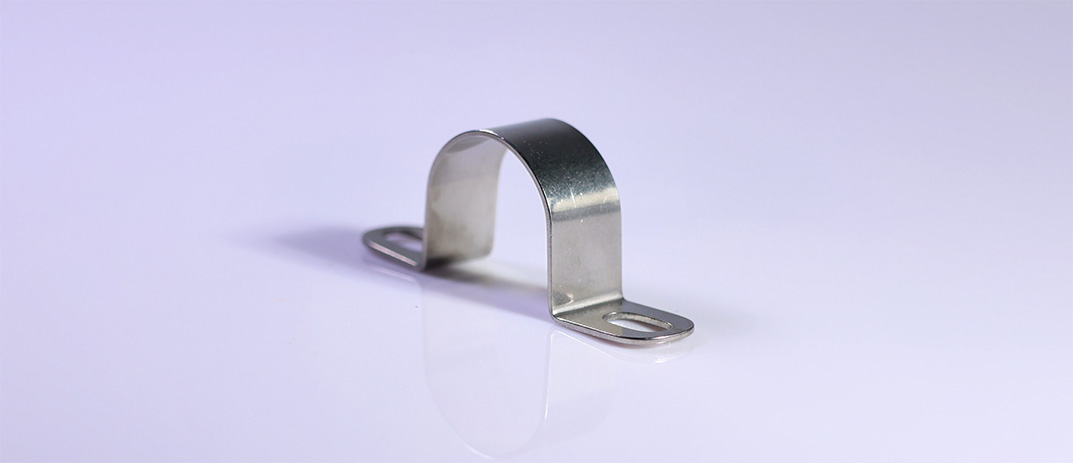
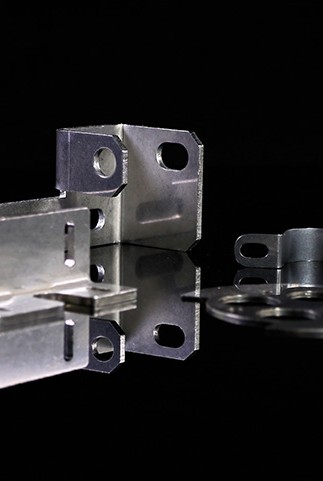
Complex Bends

Sheet metal can be bent into a wide range of angles and profiles.

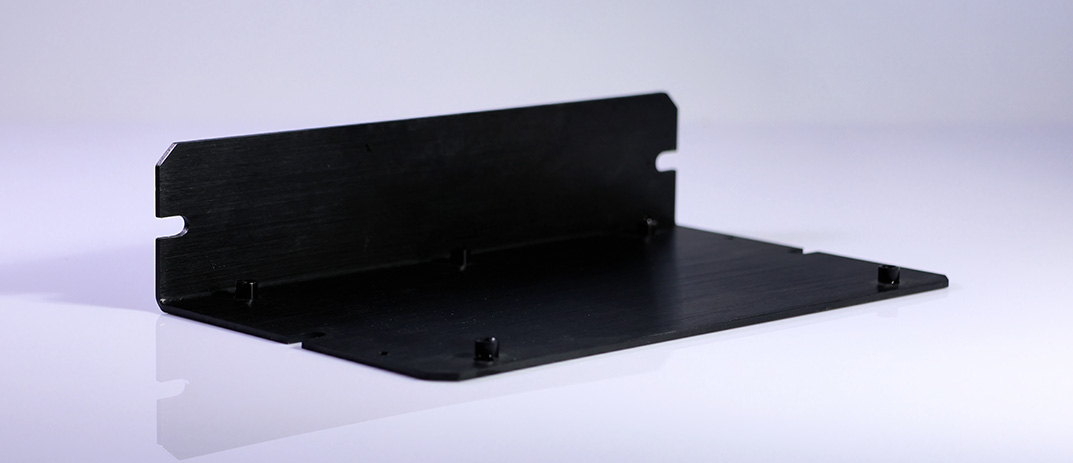
sheet metal fabrication part_4
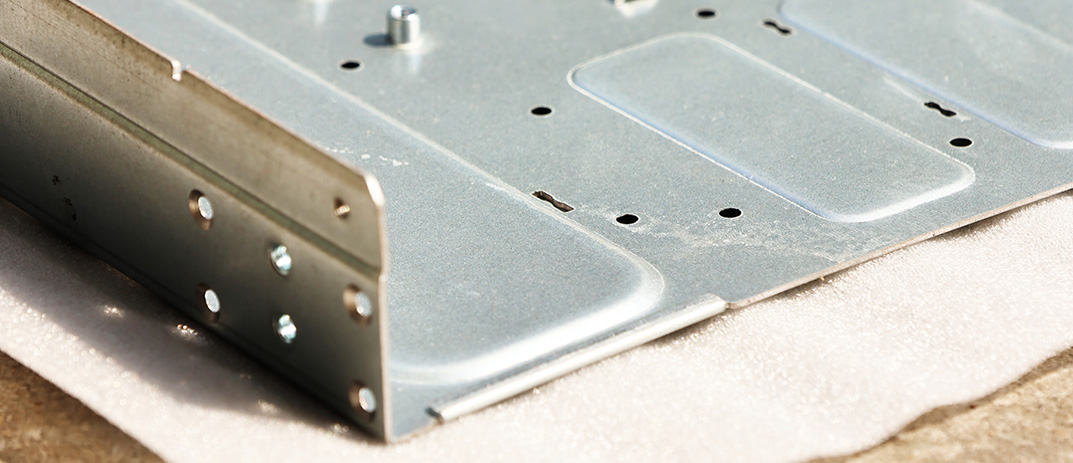
Large Panels

Sheet metal fabrication can produce large panels, covers, frames, and structural components.

sheet metal fabrication part_5
Functional Assemblies

Sheet metal parts can be joined through welding, riveting, or other fastening methods.

sheet metal fabrication part_6
High-Precision Parts

Sheet metal fabrication can produce high-precision parts with accurate dimensions.

How Does Sheet Metal Fabrication Work

Once customers upload their designs to our quoting system and place an order, we follow these steps:

  • Process step connector
    review sheet metal parts

    Review

    Using CAD and manufacturing software, we review the customer’s design to identify potential fabrication issues and confirm manufacturability.

  • Process step connector
    cutting sheet metal parts

    Cutting

    The sheet metal is cut to the required shape using processes such as laser cutting or CNC punching.

  • Process step connector
    forming sheet metal parts

    Forming

    The cut sheet is bent or formed to achieve the required angles, dimensions, and three-dimensional geometry.

  • Process step connector
    assemble sheet metal parts

    Assembly and Finishing

    Individual sheet metal components can be welded, riveted, or fastened together, followed by finishing processes such as deburring, painting, or polishing.

  • inspect sheet metal parts

    QC and Shipping

    We inspect the finished parts for dimensional accuracy, forming quality, surface condition, and visible defects before packing and shipping.

Types of Sheet Metal Fabrication

sheet metal fabrication_laser cutting
Laser Cutting

Laser cutting uses a focused laser beam to cut sheet metal into precise shapes and profiles. It can create clean edges, detailed contours, holes, and slots with high accuracy. Laser cutting is suitable for prototypes and production parts with flat or two-dimensional geometries.

Learn More
sheet metal fabrication_metal bending
Metal Bending

Metal bending uses a press brake to form sheet metal into precise angles and three-dimensional shapes. It can produce brackets, housings, panels, and other formed components with consistent dimensions. Different bending methods and tooling can be selected according to the material and part geometry.

Learn More
sheet metal fabrication_welding
Welding

Welding joins two or more metal components to create a strong and permanent assembly. Common welding methods include TIG, MIG, and spot welding, which can be selected based on the material, thickness, and application. Welding is suitable for structural parts, enclosures, frames, and complex assemblies.

Learn More
sheet metal fabrication_waterjet cutting
Waterjet Cutting

Waterjet cutting uses a high-pressure stream of water, often mixed with abrasive particles, to cut sheet metal without generating a heat-affected zone. It can process a wide range of metals and produce complex contours, sharp corners, and intricate profiles. Waterjet cutting is suitable for materials and applications where heat-affected areas need to be minimized.

Learn More
sheet metal fabrication_tube laser cutting
Tube Laser Cutting

Tube laser cutting uses a laser to cut, drill, and process metal tubes and pipes with high precision. It can create holes, slots, notches, and complex profiles on round, square, and rectangular tubing. Tube laser cutting is ideal for frames, supports, structural components, and tubular assemblies.

Learn More
sheet metal fabrication_custome enclosure
Custom Enclosure

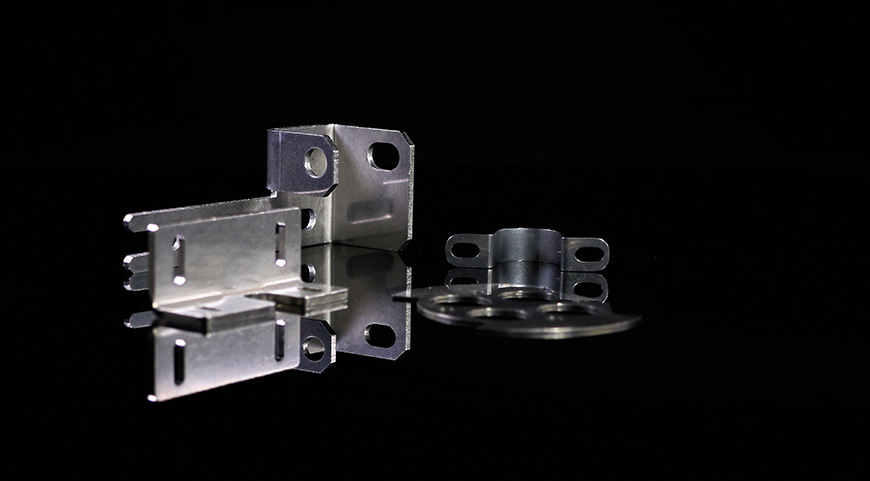
Custom enclosure fabrication combines cutting, bending, joining, and finishing processes to produce metal housings for electronic and mechanical components. Enclosures can be manufactured with customized dimensions, openings, mounting features, and finishing options to meet specific application requirements.
Learn More

Types of Sheet Metal Fabrication Materials

Learn More About Our Sheet Metal Fabrication Materials >

Learn More About Our Sheet Metal Fabrication Materials >

What Are the Differences Between Sheet Metal Fabrication and Other Manufacturing Technologies

Sheet Metal Fabrication vs. CNC Machining
Sheet Metal Fabrication vs. 3D Printing
Sheet Metal Fabrication vs. Injection Molding
Sheet Metal Fabrication vs. Metal Casting
sheet metal fabrication vs cnc machining_sheet metal fabrication

Sheet metal fabrication is well suited for thin-walled parts, panels, brackets, enclosures, and components made from sheet stock. It can be more economical when the part geometry relies mainly on cutting and bending.

sheet metal fabrication vs cnc machining_cnc machining

CNC machining is better suited for solid blocks, complex 3D geometry, tight tolerances, and features that cannot be produced efficiently from sheet metal.

sheet metal fabrication vs 3d printing_sheet metal fabrication

Sheet metal fabrication is generally more suitable for durable metal panels, brackets, enclosures, and folded structures that use standard sheet thicknesses. It can also offer faster production and lower costs for many conventional thin-walled metal parts.

sheet metal fabrication vs 3d printing_3d printing

3D printing provides greater geometric freedom and can produce complex internal structures, lattice features, and shapes that are difficult to fabricate from flat sheet metal.

sheet metal fabrication vs injection molding_sheet metal fabrication

Sheet metal fabrication is suitable for metal parts, prototypes, enclosures, and low-to-medium volume production without the need for dedicated injection molds. For metal components, sheet metal fabrication is often the more direct manufacturing method.

sheet metal fabrication vs injection molding_injection molding

Injection molding is primarily used for high-volume plastic production and can achieve low per-part costs once tooling has been created.

sheet metal fabrication vs metal casting_sheet metal fabrication

Sheet metal fabrication starts with flat metal stock and forms it into the required shape through cutting, bending, and joining. It is often preferable for lightweight structures, panels, enclosures, and parts with relatively uniform wall thickness.

sheet metal fabrication vs metal casting_metal casting

Metal casting pours molten metal into a mold and is better suited for thick, bulky, or highly three-dimensional components.

It's easy to get in,

Quote Now
Quote
Cookie Policy

3DSPRO collect cookies on your computer to provide more personalized services to you. By using this website, you consent to the cookies we use and our Privacy Policy

Accept