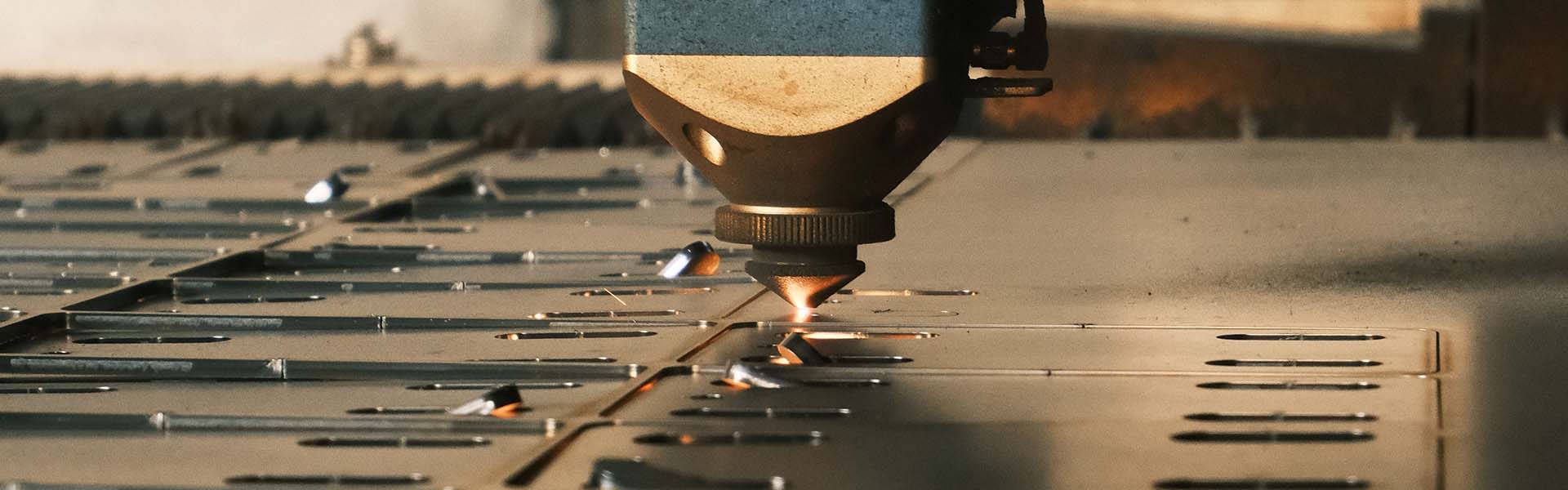
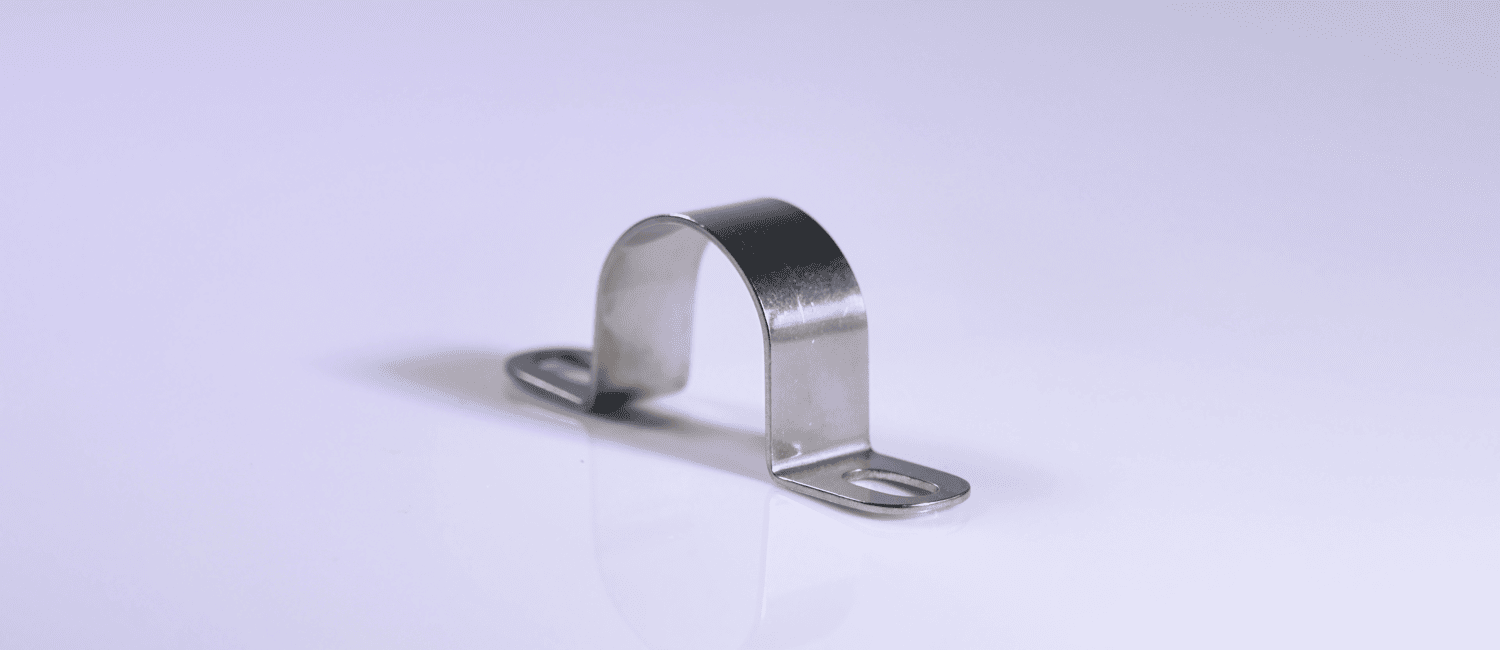
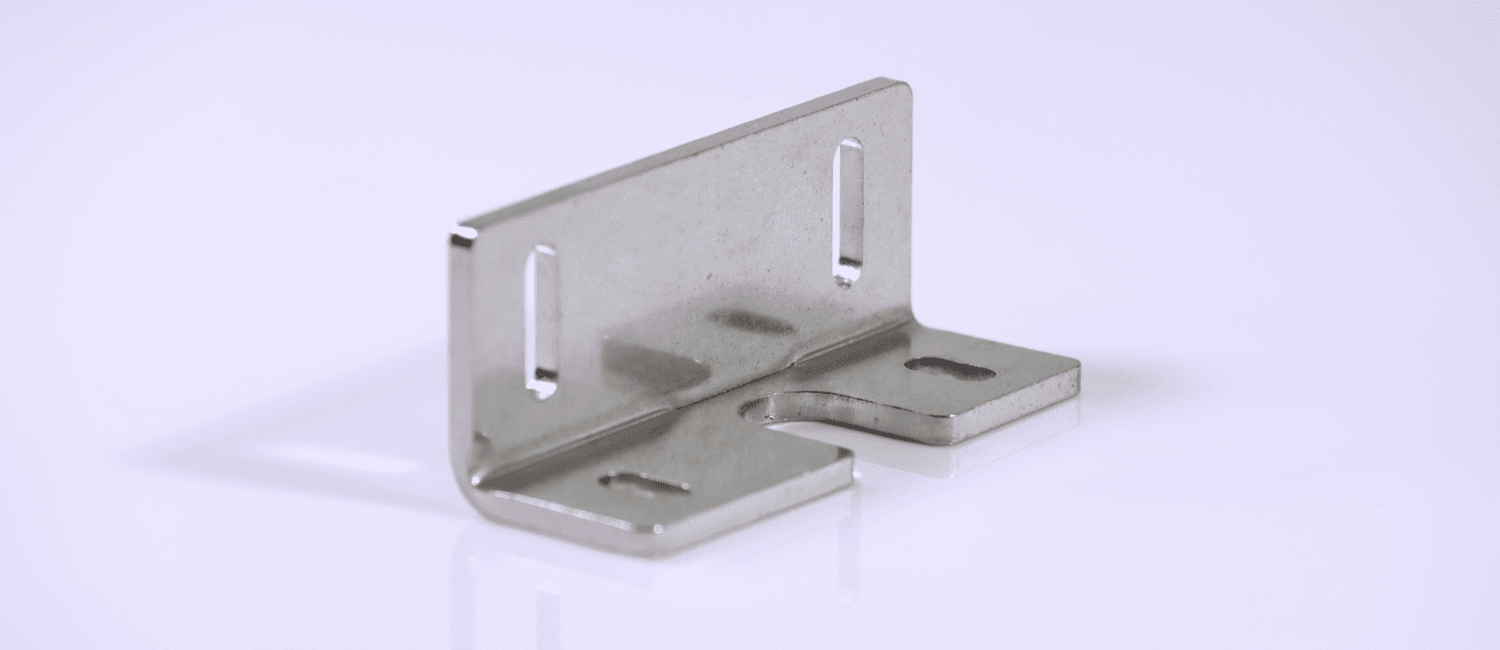
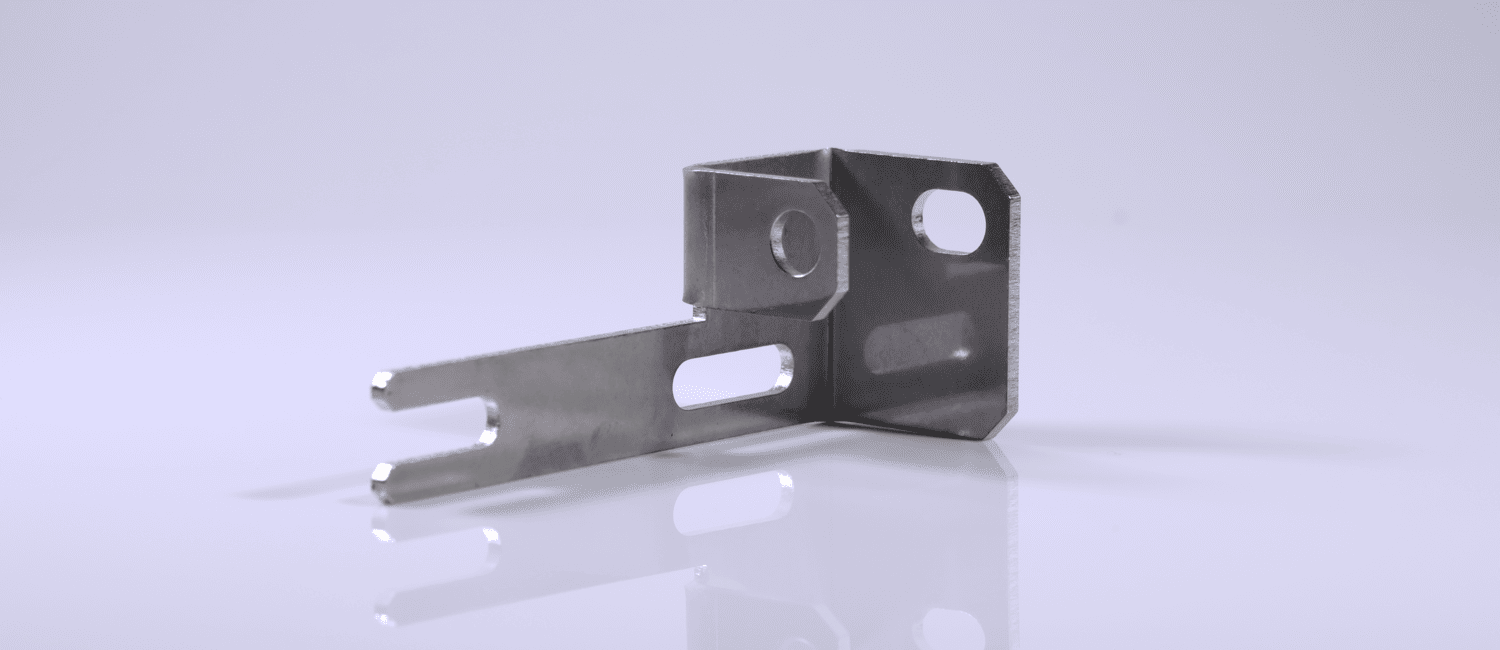
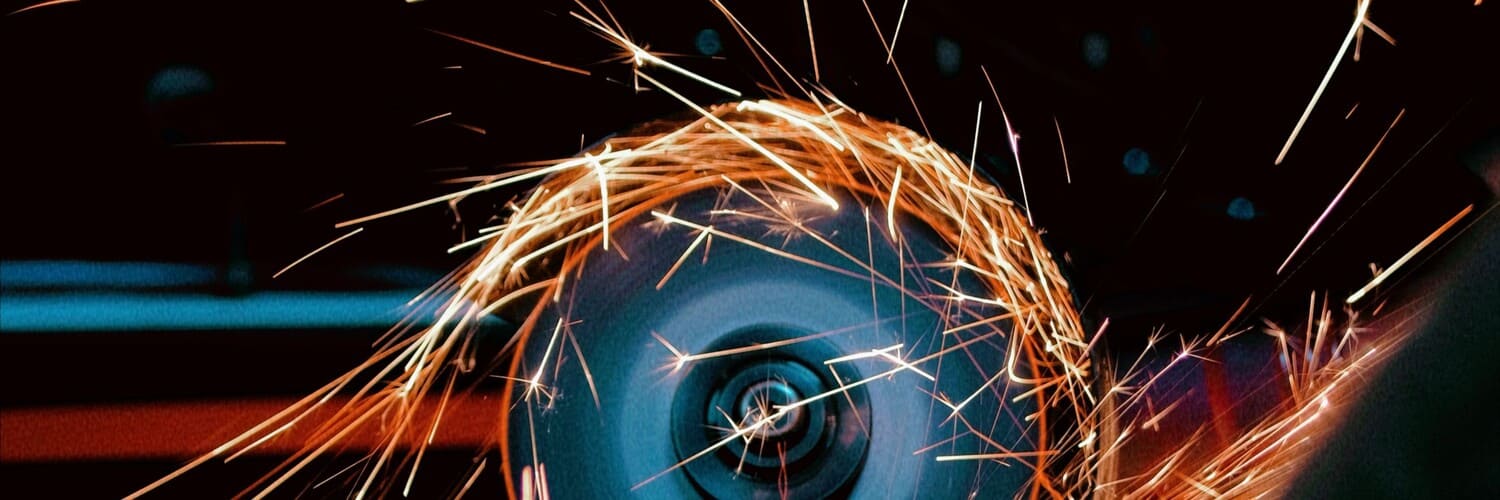
Known for its excellent corrosion resistance, high strength, and durability, stainless steel is widely used in manufacturing enclosures, panels, brackets, kitchen equipment, medical equipment, and industrial components. Different stainless steel grades offer varying levels of corrosion resistance, formability, weldability, and heat resistance, making stainless steel sheet metal fabrication a versatile solution for applications that require reliable performance, structural integrity, and long-term durability.
Advantages of Stainless Steel Sheet Metal Fabrication
Excellent Corrosion Resistance
High Strength and Durability
Good Formability
Good Weldability
Heat and Oxidation Resistance
Low Maintenance Requirements
Available Stainless Steel Types
Stainless Steel 301
Stainless Steel 301, also known as AISI 301 or UNS S30100, is an austenitic chromium-nickel stainless steel known for its high work-hardening capability, good corrosion resistance, and good formability. Its strength can increase significantly through cold working, allowing different temper conditions to provide a wide range of strength and ductility.
Stainless Steel 304, also known as AISI 304 or UNS S30400, is an austenitic chromium-nickel stainless steel known for its excellent corrosion resistance, good formability, and good weldability. It is one of the most widely used stainless steel grades and can be readily cut, bent, stamped, and formed into a variety of sheet metal components.
Stainless Steel 316, also known as AISI 316 or UNS S31600, is a molybdenum-alloyed austenitic stainless steel known for its excellent corrosion resistance, good formability, and good weldability. The addition of molybdenum improves its resistance to pitting and crevice corrosion, particularly in chloride-containing environments, compared with Stainless Steel 304.
Stainless Steel 316L, also known as AISI 316L or UNS S31603, is a low-carbon molybdenum-alloyed austenitic stainless steel known for its excellent corrosion resistance, good formability, and good weldability. The addition of molybdenum improves resistance to pitting and crevice corrosion, while the low carbon content helps reduce the risk of sensitization during welding.
3DSPRO collect cookies on your computer to provide more personalized services to you. By using this website, you consent to the cookies we use and our Privacy Policy
Accept
LOGIN TO YOUR ACCOUNT
Welcome Back to Your 3D Printed Journey!
Or sign up with
Login Or Sign Up To See The Price
Or sign up with
Your Academic Benefits Are Waiting!
CREATE A 3DSPRO ACCOUNT
Accelerate a personalized 3D Printed journey
Or sign up with
Verify Your Email
There is one last step before you can start your journey with 3DSPRO.Please check the inbox of the email address above for a verification email.Don't see an email? Check your spam box or click this buttom.ResendStill don't see the email? Please contact [email protected] and we will response in 24 hours.
ONE LAST THING
Ready to Go
We got you! By knowing more about you, we can now make sure your 3D printed journey is planned and assisted according to your specific requirements. Glad that we can help you better! Thanks! And the credit will be added to your account within a week! Feel free to contact [email protected] for more information.
We got you! By knowing more about you, we can now make sure your 3D printed journey is planned and assisted according to your specific requirements. Glad that we can help you better! Thanks! And the credit will be added to your account within a week! Feel free to contact [email protected] for more information.





 English
 日本語
 Deutsch