
10
Prototypes to Medium Volume
1300mm * 2500mm * 150mm
Flat, Sheet-like, Large-format Parts
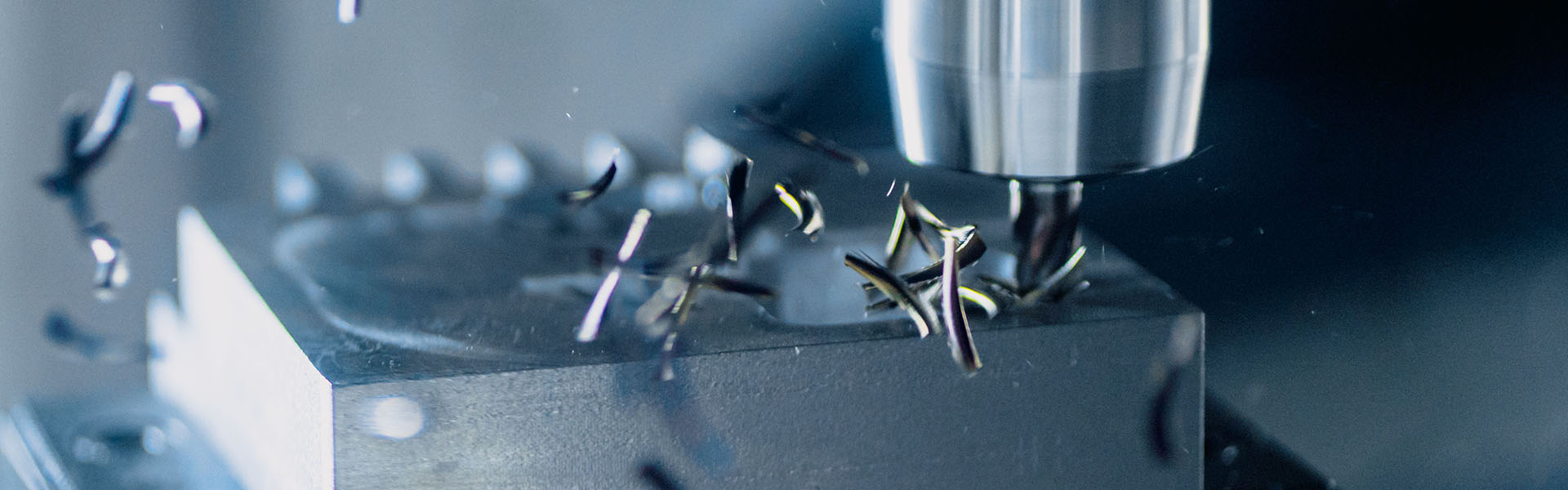
CNC routing is a subtractive manufacturing process that uses a computer-controlled rotary cutting tool to cut, shape, and engrave a workpiece according to a programmed toolpath. The router follows digital design data to produce precise profiles, cutouts, pockets, slots, and other features.
CNC routing is particularly suitable for large or flat workpieces and materials that can be efficiently processed with high-speed rotary cutting tools.
CNC routing creates parts by moving a rotating cutting tool along programmed paths to remove material from the workpiece. Here are the processes of CNC routing at 3DSPRO:
Import the CAD file and review the part geometry.
Select the appropriate material and routing method.
Generate and optimize CNC toolpaths.
Secure the workpiece on the CNC routing machine.
CNC routing machine operating.
Remove the routed part from the machine.
Perform deburring, trimming, and other secondary operations if required.
Surface finishing (optional).
Quality inspection.
Packing and shipping.
1. Suitable for large and flat workpieces.
2. Can efficiently produce profiles, cutouts, pockets, slots, and engraved features.
3. Supports a variety of plastics, wood-based materials, composites, and selected metals.
4. Provides fast material removal for relatively large parts.
5. Suitable for prototypes, custom parts, and production runs.
1. Best suited to relatively flat parts and simpler three-dimensional geometries.
2. Deep cavities and complex undercuts may require other machining methods.
3. Tool access can limit certain internal features and geometries.
4. Material is removed during machining, which can result in material waste.
5. Very tight tolerances may require precision CNC milling instead.
3DSPRO collect cookies on your computer to provide more personalized services to you. By using this website, you consent to the cookies we use and our Privacy Policy
Accept