 English
  日本語
日本語  Deutsch


For consumer products, moving from an initial concept to mass production requires more than a functional design. Manufacturers need to ensure that every detail, from material selection to structural features, is suitable for the final production process.
mokka to go, a portable coffee system designed for outdoor enthusiasts, developed the PP Mug as part of its product ecosystem. To transform the early-stage design into a production-ready product, mokka to go collaborated with 3DSPRO to validate the design, optimize manufacturing details, and prepare the product for injection molding.
Through a combination of 3D printing prototypes, material evaluation, and Design for Manufacturing (DFM) analysis, 3DSPRO helped mokka to go successfully transition from an SLS 3D printed prototype to a final injection-molded PP mug.
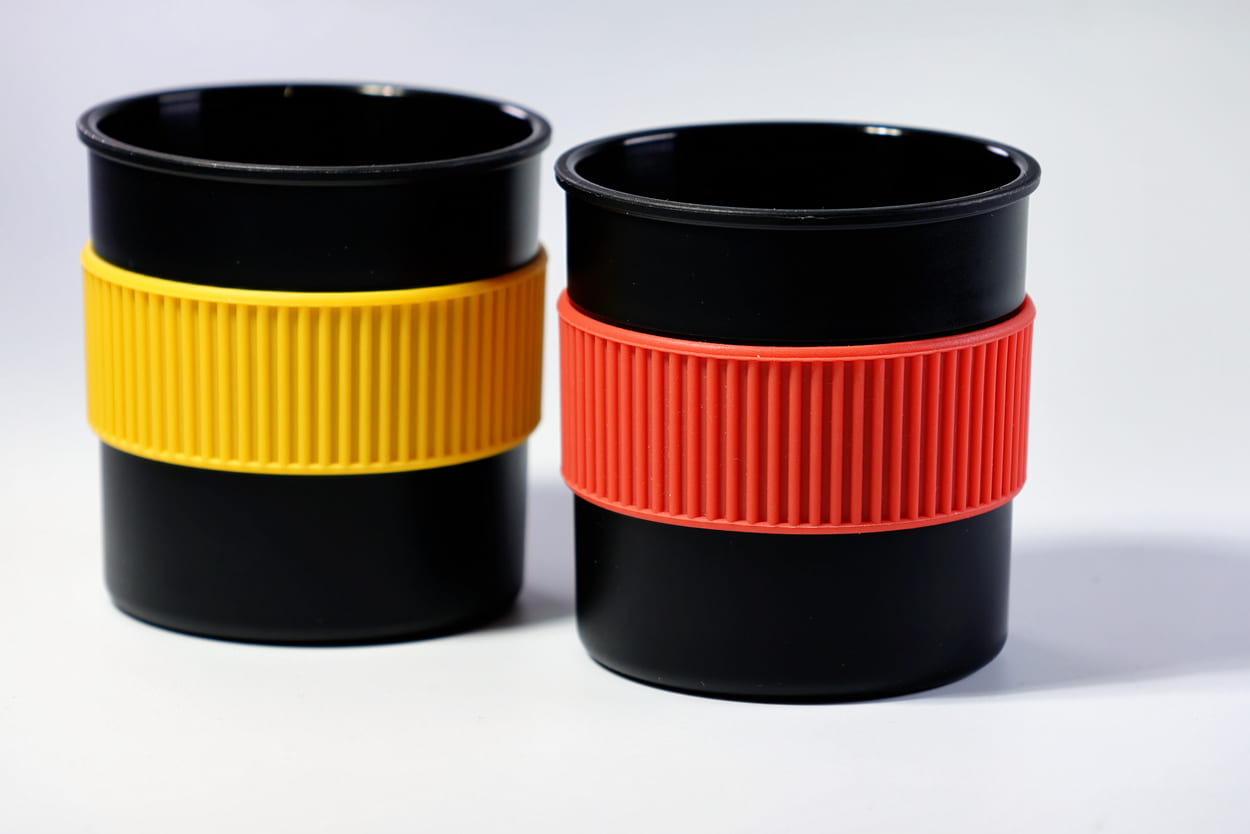
Image Credit: 3DSPRO
Project Challenge: Bridging Prototype Validation and Mass Production
Before entering injection molding production, mokka to go needed to verify that the mug design could meet both functional requirements and manufacturing expectations.
Although the original 3D model represented the intended product concept, several questions needed to be answered before investing in injection molds:
• Could the mug structure be manufactured successfully?
• Would the selected materials provide the desired user experience?
• Were the design details suitable for injection molding?
• Could the mug ring provide sufficient grip and heat protection?
For injection-molded products, design changes after tooling can be costly and time-consuming. Therefore, validating the product design before mold production was a critical step.
Instead of directly moving from CAD design to injection molding, mokka to go used 3D printing as a flexible and efficient way to evaluate the product. The prototype stage allowed the team to test the physical form, identify potential manufacturing challenges, and improve the design before committing to mass production.
In this project, 3D printing was not only used to create a visual model. It played an important role as a functional validation tool that connected early design concepts with production-ready manufacturing.

Image Credit: mokka to go
Prototype Development: Validating the Mug Design with SLS PA12 and TPU
SLS Nylon PA 12 Mug Prototype
During the prototype stage, the mug body was manufactured using:
• Manufacturing Process: Selective Laser Sintering (SLS)
• Material: Nylon PA 12
SLS was selected because it provides high-quality functional prototypes with good dimensional accuracy and mechanical performance. Unlike appearance-only prototypes, SLS Nylon PA 12 parts can better simulate the characteristics of final products, making them suitable for evaluating real-world usability.
The PA 12 prototype allowed mokka to go and 3DSPRO to verify key aspects of the mug design, including overall dimensions and shape, product ergonomics, assembly relationships, structural details, and user handling experience.
At this stage, the goal was not to replicate the final production material but to confirm whether the design concept could work effectively as a functional product.
By testing a physical prototype before tooling, potential issues could be identified and addressed earlier, reducing risks during the transition to injection molding.
SLS TPU Mug Ring Prototype
In addition to the mug body, the mug ring was prototyped separately using:
• Manufacturing Process: Selective Laser Sintering (SLS)
• Material: TPU
The flexible TPU prototype was used to evaluate the grip function and user interaction of the cup ring.
During the initial design stage, the mug ring was relatively thin. While the thin structure provided basic anti-slip functionality, prototype evaluation showed opportunities for improvement in terms of handling comfort and heat protection.
Based on the prototype feedback, the mug ring design was modified into a wider structure for the final production version. The larger contact area improved grip stability, holding comfort, heat insulation performance, and overall product usability.
The design evolution demonstrated the value of functional prototyping. By testing the physical part before production, the team was able to improve the product experience rather than simply reproduce the original CAD design.
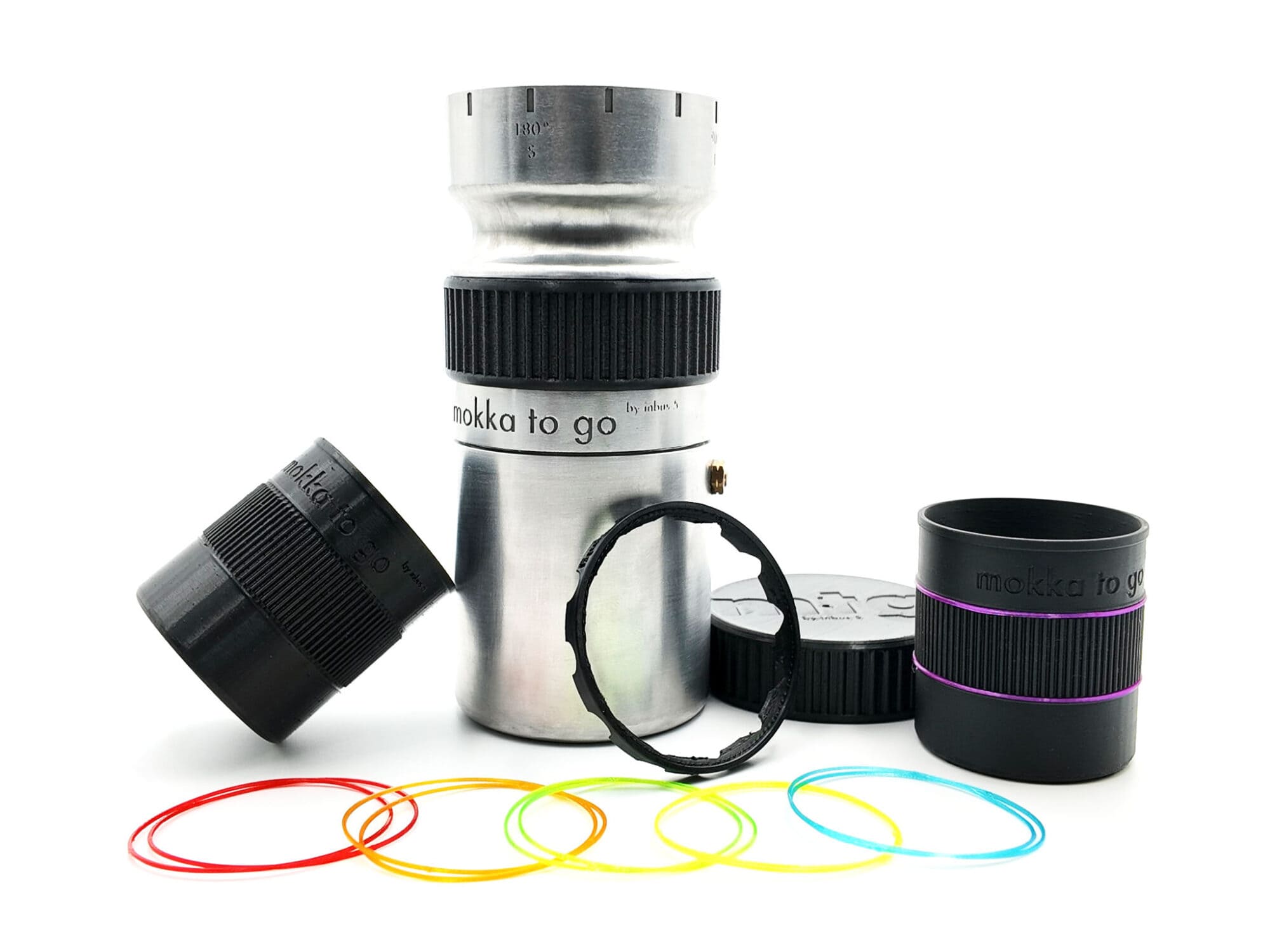
Image Credit: mokka to go
Design Optimization for Injection Molding Production
After prototype validation, 3DSPRO conducted a detailed manufacturability review to prepare the mug design for injection molding.
The purpose of the DFM analysis was to ensure that the product was not only printable but also suitable for efficient and reliable mass production.
Optimizing the Mug Ring Structure
One of the key improvements involved the transition from the prototype mug ring to the production version.
• The prototype used: SLS TPU
• The final product uses: Injection-molded silicone
Because silicone molding requires different considerations compared with TPU 3D printing, the mug ring geometry was optimized accordingly. The updated wider ring design provided a better user experience while also improving its suitability for production.
Improving Injection Molding Feasibility
During the DFM review, 3DSPRO analyzed the original 3D model and provided recommendations related to injection molding requirements.
Key areas included:
Undercut Analysis
Certain undercut features can increase mold complexity and create challenges during part ejection. 3DSPRO reviewed the geometry and suggested modifications to reduce unnecessary undercuts, helping simplify the mold structure and improve manufacturing reliability.
Logo Detail Optimization
Small design details, such as embossed or recessed logos, require careful consideration during injection molding. 3DSPRO evaluated logo depth, font spacing, and feature definition.
Adjustments were recommended to ensure that the logo could be reproduced clearly and consistently during molding. These improvements helped balance visual appearance with manufacturing limitations.
Injection Gate and Mold Filling Considerations
A comprehensive DFM analysis was also performed to evaluate important injection molding factors, including injection gate location, material flow direction, wall thickness consistency, potential molding defects, and ejection considerations. By reviewing these factors before tooling, potential production problems could be identified earlier.
The goal was to reduce trial-and-error during mold development and create a smoother path from prototype validation to mass production.
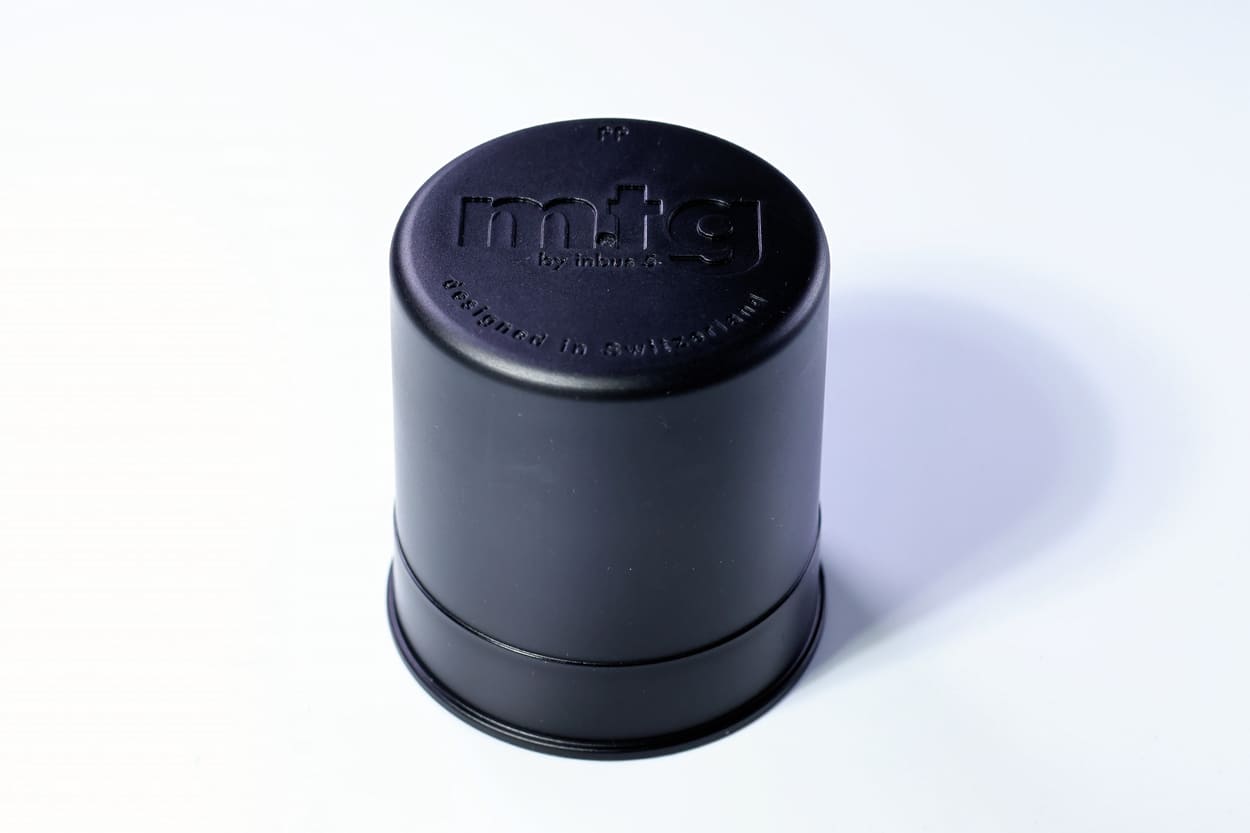
Image Credit: 3DSPRO
Final Production: Injection Molded PP Mug and Silicone Mug Ring
After completing the prototype evaluation and design optimization process, the PP Mug entered final production.
The Mug
• Manufacturing Process: Injection Molding
• Material: Polypropylene (PP)
PP was selected for the final mug because it provides lightweight performance, good durability, chemical resistance, and suitability for high-volume production. Compared with the SLS Nylon PA12 prototype, injection-molded PP enabled consistent production quality and efficient scalability.
The Mug Ring
• Manufacturing Process: Injection Molding
• Material: Silicone
The final silicone cup ring replaced the earlier TPU prototype. Compared with the prototype version, the production cup ring features a wider gripping area, improved heat protection, enhanced comfort, and better long-term durability. The transition from SLS TPU to injection-molded silicone allowed the final product to achieve both functional performance and production efficiency.
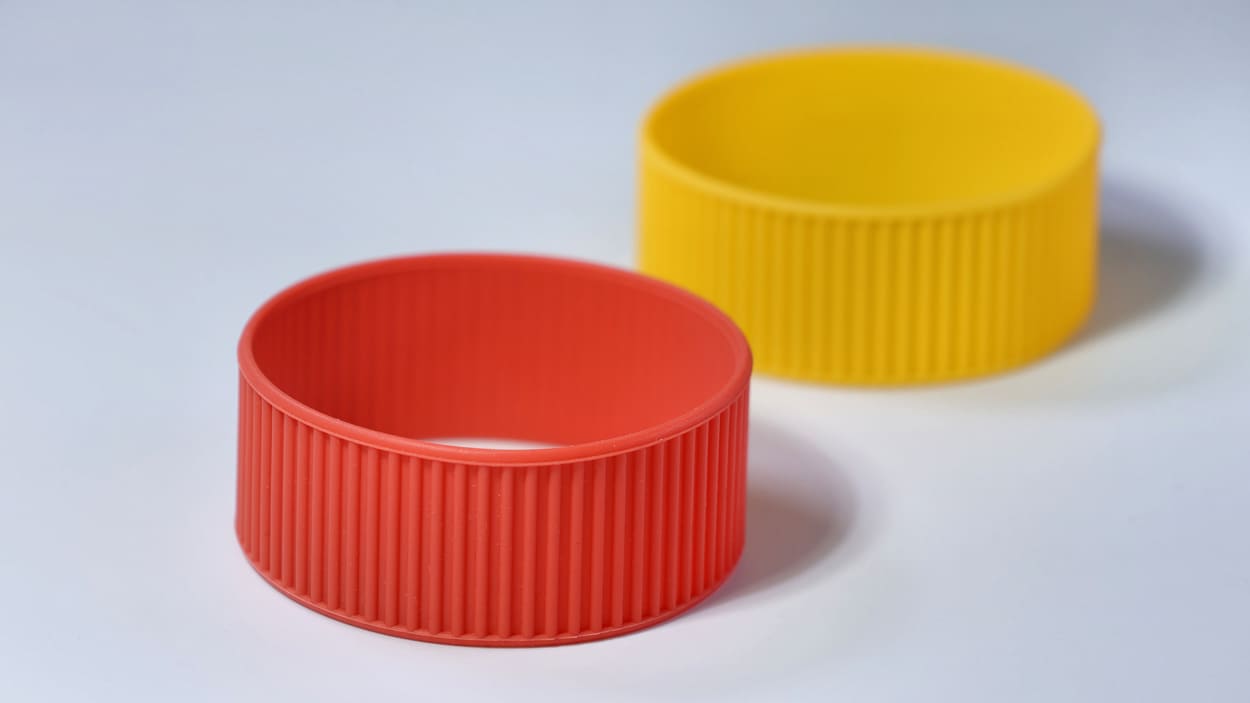
Image Credit: 3DSPRO
Results: From Prototype Validation to Successful Production
Through iterative prototyping and manufacturing analysis, 3DSPRO supported mokka to go in transforming the PP Mug from an early-stage concept into a production-ready consumer product.
|
Stage |
Component |
Process |
Material |
|
Prototype |
Mug |
SLS |
Nylon PA12 |
|
Prototype |
Mug Ring |
SLS |
TPU |
|
Production |
Mug |
Injection Molding |
PP |
|
Production |
Mug Ring |
Injection Molding |
Silicone |
By combining rapid prototyping with DFM optimization, 3DSPRO helped mokka to go:
• Validate product functionality before tooling.
• Identify and resolve manufacturing challenges early.
• Optimize design details for injection molding.
• Improve user experience through product refinement.
• Successfully transition from prototype development to mass production.
The mokka to go PP Mug highlights the importance of choosing the right manufacturing solution at each stage of product development. By using SLS Nylon PA 12 and SLS TPU for the prototype phase, the team was able to quickly validate the design, evaluate functionality, and make improvements before committing to production tooling.
Once the design was finalized, the project transitioned to injection molding with PP Mugs and TPU mug rings to meet the requirements of final production, including consistency, scalability, and cost efficiency.
The successful transition from prototype to production demonstrates how 3DSPRO supports customers throughout the entire product development journey. By combining rapid prototyping capabilities with production-ready manufacturing solutions, 3DSPRO helps businesses reduce development risks, accelerate time to market, and bring innovative products from concept to reality.
 1
1


COMMENTS
- Be the first to share your thoughts!