English
 日本語
 Deutsch


Sheet metal fabrication is widely used to produce brackets, enclosures, panels, frames, and industrial components. However, the final cost of a fabricated part depends on more than the price of the metal itself. Design complexity, material utilization, manufacturing operations, tolerances, surface finishing, and production quantity can all influence the total expense.
Reducing sheet metal fabrication costs does not necessarily mean choosing cheaper materials or compromising product quality. By improving part design, selecting appropriate manufacturing processes, and planning production more efficiently, engineers and purchasing teams can achieve a better balance between cost, performance, and manufacturability.
What Determines Sheet Metal Fabrication Costs?
Several factors contribute to the total cost of a sheet metal fabrication project. Understanding them helps identify the most effective opportunities for savings.
|
Cost Factor |
How It Affects Cost |
|
Material Selection |
Material grade, thickness, availability, and price determine raw material expenses. |
|
Design Complexity |
Numerous bends, intricate cutouts, and specialized features may increase processing time. |
|
Material Utilization |
Inefficient cutting layouts create more scrap and increase material consumption. |
|
Manufacturing Processes |
Cutting, bending, welding, and assembly require machine time and labor. |
|
Tolerances and Inspection |
Tight tolerances and additional quality checks may increase production costs. |
|
Surface Finishing |
Painting, powder coating, plating, and other treatments add processing expenses. |
|
Production Quantity |
Setup costs and production efficiency affect the cost per part. |
These factors are interconnected. For example, a complicated design may require additional bends, more machine setups, and longer inspection time. Likewise, a material that costs less per sheet may require more extensive finishing or prove difficult to form.
The most effective cost-reduction strategy considers the entire manufacturing process rather than optimizing a single expense in isolation.
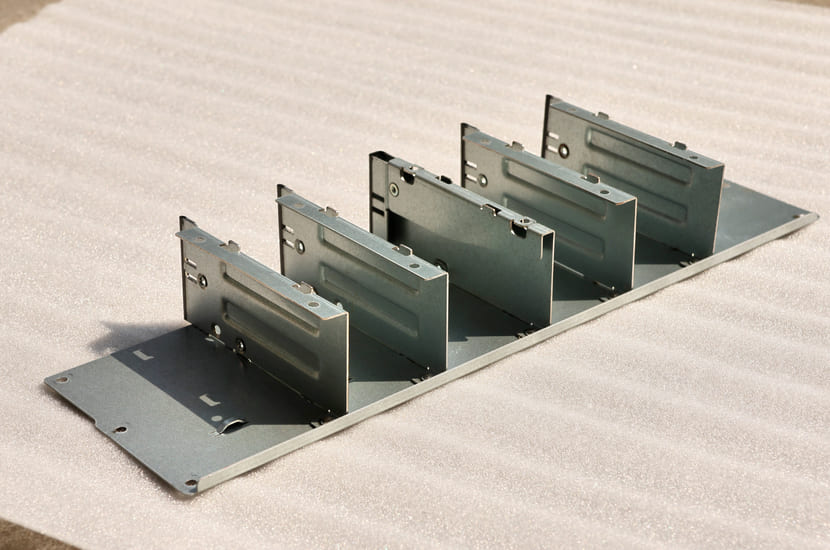
Image Copyright © 3DSPRO. All rights reserved.
Optimize Material Selection and Utilization
Material selection is one of the first opportunities to control fabrication costs. Aluminum, carbon steel, stainless steel, copper, and brass each offer different combinations of strength, weight, corrosion resistance, and formability. The right choice depends on the component's operating environment and functional requirements.
Avoid specifying premium materials when a more economical grade can meet the same requirements. For example, a component used indoors in a relatively mild environment may not require the same corrosion resistance as one exposed to moisture or chemicals. However, material substitutions should always account for structural loads, durability, and applicable safety requirements.
Material thickness also deserves careful consideration. Using unnecessarily thick sheet metal increases material consumption and may add weight, while reducing thickness too much can compromise rigidity or load-bearing capacity. Evaluate thickness against the part's actual performance requirements.
Improving material utilization can generate additional savings. Manufacturers arrange flat patterns on sheet stock through a process called nesting. Efficient nesting reduces unused space between parts and minimizes scrap. Standard sheet sizes, coordinated part dimensions, and compatible cutting layouts can improve material utilization across an order.
Whenever possible, consider standard, readily available material grades and thicknesses. They may reduce procurement delays and avoid the additional expense associated with sourcing less common specifications.
Simplify Part Design to Reduce Manufacturing Operations
Design decisions made before production can have a significant influence on fabrication costs. A part that is easy to cut, bend, and assemble generally requires fewer manufacturing steps and less specialized handling.
Start by reviewing the number and complexity of bends. Each bend introduces processing time and must remain compatible with the fabricator's tooling and machine capabilities. Standardizing bend angles and radii across a design can simplify production, provided the resulting geometry still meets functional requirements.
Review holes, slots, and cutouts as well. Small or intricate features may increase cutting time without providing meaningful functional benefits. Removing unnecessary openings or simplifying complex profiles can make parts easier to manufacture.
Consider whether multiple components can be consolidated into a single folded part. Reducing the number of separate pieces may decrease welding, fastening, alignment, and assembly requirements. However, consolidation is not always beneficial if it makes forming more difficult or complicates maintenance and replacement.
Designers should also consider manufacturing access and bend reliefs. Appropriate clearances around bends and practical flange dimensions help prevent interference, deformation, and rework.
Applying design for manufacturability (DFM) principles early in the project is usually more efficient than correcting avoidable design problems after fabrication has begun.
Specify Practical Tolerances and Surface Finishes
Tight tolerances can increase manufacturing costs because they may require more precise setups, additional measurements, and stricter process control. Specify tolerances according to each feature's functional importance rather than applying the tightest possible requirements to every dimension.
For example, mounting holes and mating surfaces may need close dimensional control to ensure correct assembly. Other dimensions that do not affect fit or performance may be able to use more practical tolerances. Always confirm critical requirements with the manufacturer before relaxing specifications.
Bending and welding can introduce dimensional variation, so designs should account for material behavior and the capabilities of the selected process. Clearly identifying critical dimensions helps manufacturers focus inspection efforts where they matter most.
Surface finishing is another area to review. Powder coating, painting, plating, and other treatments can improve appearance, corrosion resistance, or functionality, but they also add cost. Select the finish according to the part's environment and intended use. Hidden internal surfaces may not need the same cosmetic treatment as visible exterior panels.
Finishing requirements should also account for dimensional effects. Coatings can change final dimensions, particularly around holes, mating surfaces, and assembled components. Specify these requirements where they are necessary, rather than adding expensive finishing operations without a clear benefit.
Choose Cost-Effective Fabrication Processes
Selecting the right manufacturing process helps control machine time, secondary operations, and production costs. The lowest-cost option depends on material, thickness, geometry, required quality, and order quantity.
|
Process |
Cost-Reduction Strategy |
|
Simplify cutting paths and remove unnecessary features to reduce processing time. |
|
|
Use when its ability to cut without conventional heat input justifies the associated cost. |
|
|
Standardize bends and design parts around practical tooling capabilities. |
|
|
Simplify joint designs and avoid unnecessary welds or cosmetic finishing. |
|
|
Coordinate tube profiles and cut features to reduce secondary machining and handling. |
For flat components, laser cutting can efficiently produce detailed profiles and cutouts. Waterjet cutting may be preferable for applications where minimizing heat-related effects is important, although its operating cost and cutting speed vary with material and thickness.
For folded parts, a design that uses practical bend configurations may reduce setup complexity. Welding requirements should also be evaluated carefully because weld preparation, distortion control, grinding, and inspection can add to the total cost.
Choose processes according to the complete part requirements, not simply the advertised price of an individual operation. A slightly more expensive primary process may reduce secondary operations and lower the final production cost.
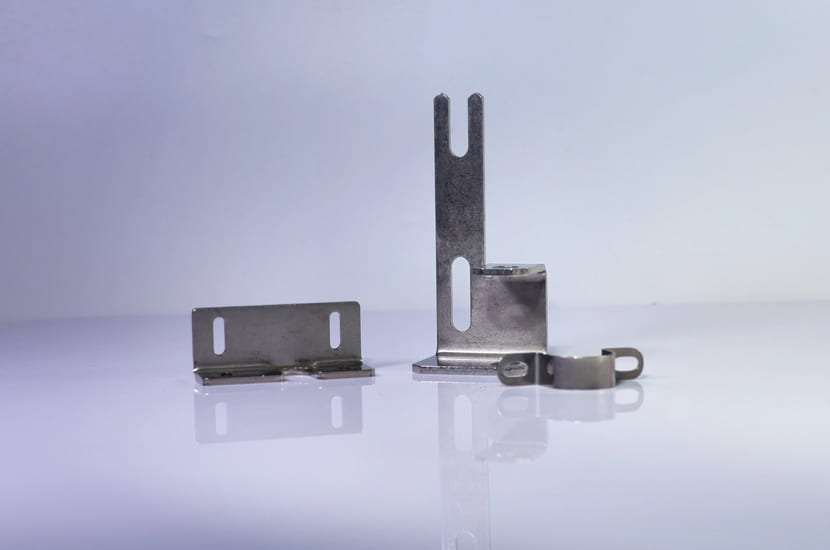
Image Copyright © 3DSPRO. All rights reserved.
Reduce Assembly Costs and Plan Production Quantities
The cost of a fabricated component includes more than the part itself. Assembly, hardware installation, finishing, inspection, packaging, and handling can all contribute to the total project expense.
Reducing unnecessary components and fasteners may simplify assembly. Where appropriate, standardizing hardware and reusing common component designs across product families can also reduce purchasing complexity. However, any changes must preserve structural integrity, serviceability, and safety.
Production quantity is another important consideration. Small orders may carry a higher unit cost because setup, programming, and preparation expenses are distributed across fewer parts. Larger orders can sometimes reduce the cost per unit by spreading these fixed expenses over more components.
Nevertheless, ordering more parts than necessary can increase inventory, storage costs, and working capital requirements. Compare the unit price with the total cost of ownership, including storage and the possibility of design changes or unused stock.
Providing a realistic demand forecast and consolidating compatible orders may help improve production efficiency without creating unnecessary inventory.
Reduce Sheet Metal Fabrication Costs with 3DSPRO
Reducing sheet metal fabrication costs starts with a design that meets functional requirements while remaining practical to manufacture. Material optimization, simplified geometry, appropriate tolerances, and carefully selected processes can all help control expenses without compromising part quality.
3DSPRO offers custom sheet metal fabrication services, including laser cutting, waterjet cutting, metal bending, welding, tube laser cutting, and custom enclosure fabrication. These capabilities support the production of brackets, panels, housings, enclosures, and other custom metal components.
To request a quote, prepare your CAD files or engineering drawings and specify the material, thickness, required quantity, critical dimensions, and surface finishing requirements. Providing complete information helps the manufacturing team assess the design and identify potential fabrication considerations.
Explore 3DSPRO's Sheet Metal Fabrication Solutions to find suitable manufacturing options for your next project and request a quote for custom sheet metal parts.
 0


COMMENTS
- Be the first to share your thoughts!