 English
  日本語
日本語  Deutsch


Quality control in manufacturing is not something that starts after parts are produced. For custom-manufactured parts, many quality problems can be prevented before production by clearly defining what the supplier needs to make and inspect.
For buyers, the goal is not to inspect every possible feature or create unnecessarily complicated requirements. Instead, you should identify the specifications that affect fit, function, appearance, and performance, then make sure they are clearly communicated before production begins.
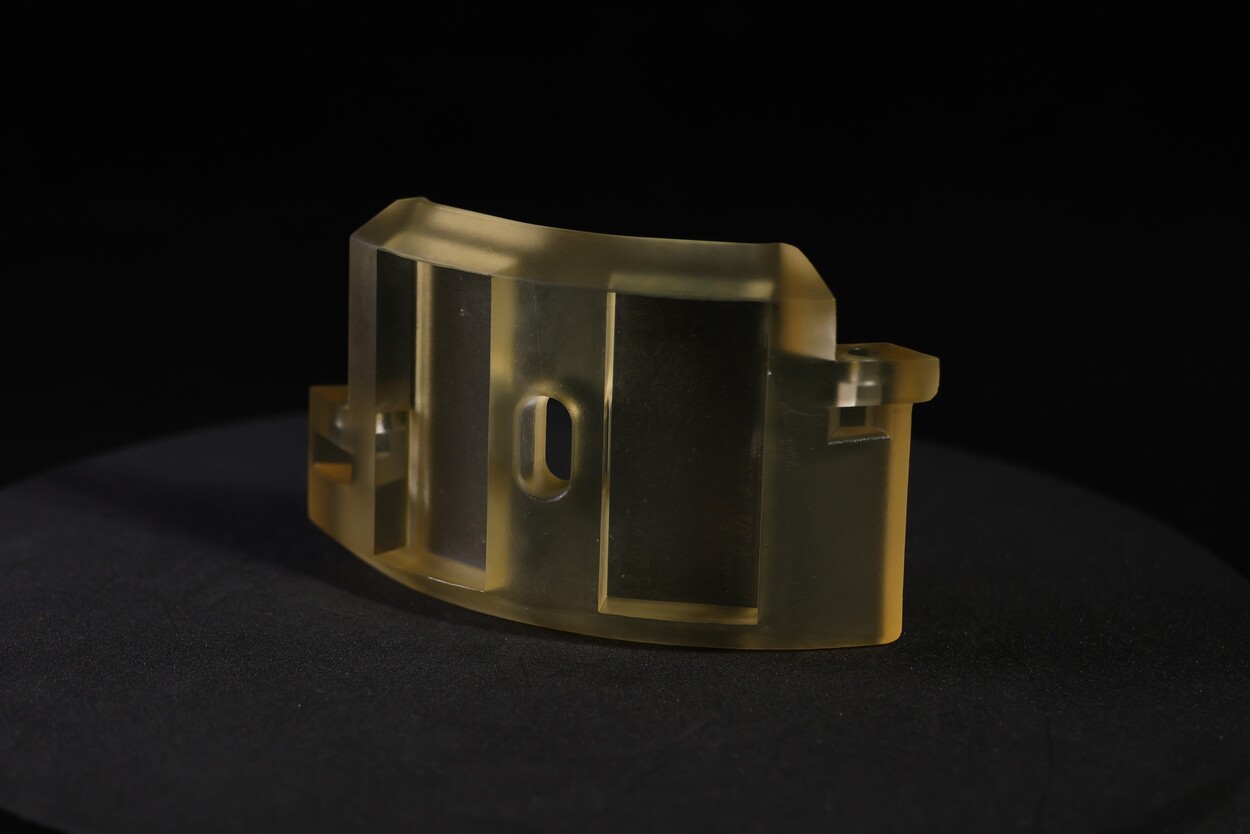
Image Copyright © 3DSPRO. All rights reserved.
What Is Quality Control in Manufacturing?
Quality control (QC) is the process of checking whether manufactured parts meet defined requirements. These requirements can include material, dimensions, tolerances, appearance, surface finish, functionality, and other customer specifications.
In custom manufacturing, quality control can take place at several stages: material → production → post-processing → inspection → packaging
This is important because not every quality issue can be detected at the end of production. For example, using the wrong material cannot be corrected through final dimensional inspection. Likewise, an incorrect surface finish requirement may be difficult to resolve after parts have already been processed.
Buyers should therefore think of quality control as a process of defining, verifying, inspecting, and documenting requirements rather than simply checking finished parts.
Quality control also does not mean that every dimension must have an extremely tight tolerance. Overly strict requirements can increase manufacturing difficulty and cost without improving the actual function of a part. The better approach is to identify which characteristics are truly important and communicate them clearly。
What Should Buyers Confirm Before Production?
1. Material
Specify the exact material or material grade whenever possible. For example, “stainless steel” is less specific than “316L stainless steel,” while “nylon” may need further clarification regarding the specific grade or printing material.
Material selection can affect strength, flexibility, heat resistance, chemical resistance, appearance, and dimensional stability. If a material certificate or other documentation is required, this should also be agreed upon before production.
2. Dimensions and Tolerances
Identify critical dimensions and define the required tolerances. Not every feature needs the same tolerance. A mounting hole, mating surface, or shaft diameter may require tighter control than a non-functional exterior surface.
Providing a technical drawing with critical dimensions and tolerances can help the manufacturer understand which measurements require particular attention.
3. Surface Finish and Appearance
Appearance requirements should be defined before production, especially for visible or customer-facing parts.
Depending on the project, this may include:
• Surface roughness
• Color
• Painting or coating
• Polishing
• Visible layer lines
• Scratches or cosmetic defects
• Texture requirements
The more specific the requirement, the easier it is to determine whether the finished part meets expectations.
4. Functional Features
Identify the features that affect assembly or performance. These may include:
• Threads
• Holes
• Snap-fits
• Mounting interfaces
• Mating surfaces
• Sealing surfaces
A part can meet general dimensional requirements and still fail during assembly if one of these functional features is not manufactured correctly.
5. Inspection Requirements
Define what needs to be inspected and whether an inspection report is required.
For example, you may want critical dimensions to be measured for every part, while less important dimensions may be checked through sampling. Requirements should be agreed upon before production rather than after the parts are completed.
6. Packaging
Packaging is also part of quality protection. Thin, polished, painted, or delicate parts can be damaged during transportation even when they passed final inspection.
Specify any special packaging requirements when necessary, particularly for fragile or cosmetic parts.
What Should Be Defined as “Critical to Quality”?
Not every feature of a manufactured part has the same level of importance. Critical to Quality (CTQ) refers to characteristics that have a direct effect on the part’s function, performance, assembly, safety, or appearance.
Typical CTQ features may include critical dimensions, threaded holes, mounting holes, mating surfaces, sealing surfaces, functional interfaces, and key cosmetic surfaces.
For example, a housing may have dozens of dimensions, but only the mounting holes and mating surfaces may determine whether it can be assembled correctly. These features deserve more attention than dimensions that have little impact on function.
Clearly marking CTQ features on a technical drawing or specification can help the manufacturer prioritize inspection and reduce misunderstandings.
A practical rule is simple: If a feature can cause the part to fail its intended function, it should be clearly identified as important before production.
Which Quality Documents Should Buyers Request?
|
Quality Document |
What It Confirms |
When to Request It |
|
Material Certificate |
Confirms the material type and grade used for production |
When material specifications are critical |
|
Inspection Report |
Shows actual measurement results for specified dimensions or features |
When dimensional accuracy is important |
|
First Article Inspection (FAI) |
Confirms that the first production part meets the approved specifications |
For new parts, new suppliers, or major design changes |
|
Certificate of Conformity (CoC) |
Confirms that the delivered parts conform to the agreed requirements |
When customers or projects require formal compliance documentation |
A Simple Pre-Production Quality Checklist
Before approving a manufacturing order, buyers can use the following checklist:
✅ Material Grade and Specification Confirmed
✅ Part Quantity Confirmed
✅ Latest Drawing or 3D Model Revision Provided
✅ Critical Dimensions Identified
✅ Required Tolerances Defined
✅ Surface Finish Requirements Confirmed
✅ Color or Cosmetic Requirements Defined
✅ Functional Features Identified
✅ CTQ Characteristics Clearly Marked
✅ Inspection Requirements Agreed
✅ Required Quality Documents Specified
✅ Packaging Requirements Confirmed
A clear checklist helps prevent problems caused by incomplete information. It also gives buyers and manufacturers a shared reference before production starts.
 0
0


COMMENTS
- Be the first to share your thoughts!