 English
  日本語
日本語  Deutsch


Small 3D printed parts are useful for prototypes, assemblies, mechanisms, and detailed product components. However, extremely small parts can create additional handling and delivery risks that are easy to overlook when placing an order. Although the printing process itself may not take much longer for a small part, handling the part after printing can require considerably more care.
For customers working with tight project schedules, understanding these risks is important. Small parts may need additional sorting, inspection, counting, packaging, or even reprinting if an individual component cannot be located. These steps can affect the overall delivery timeline.
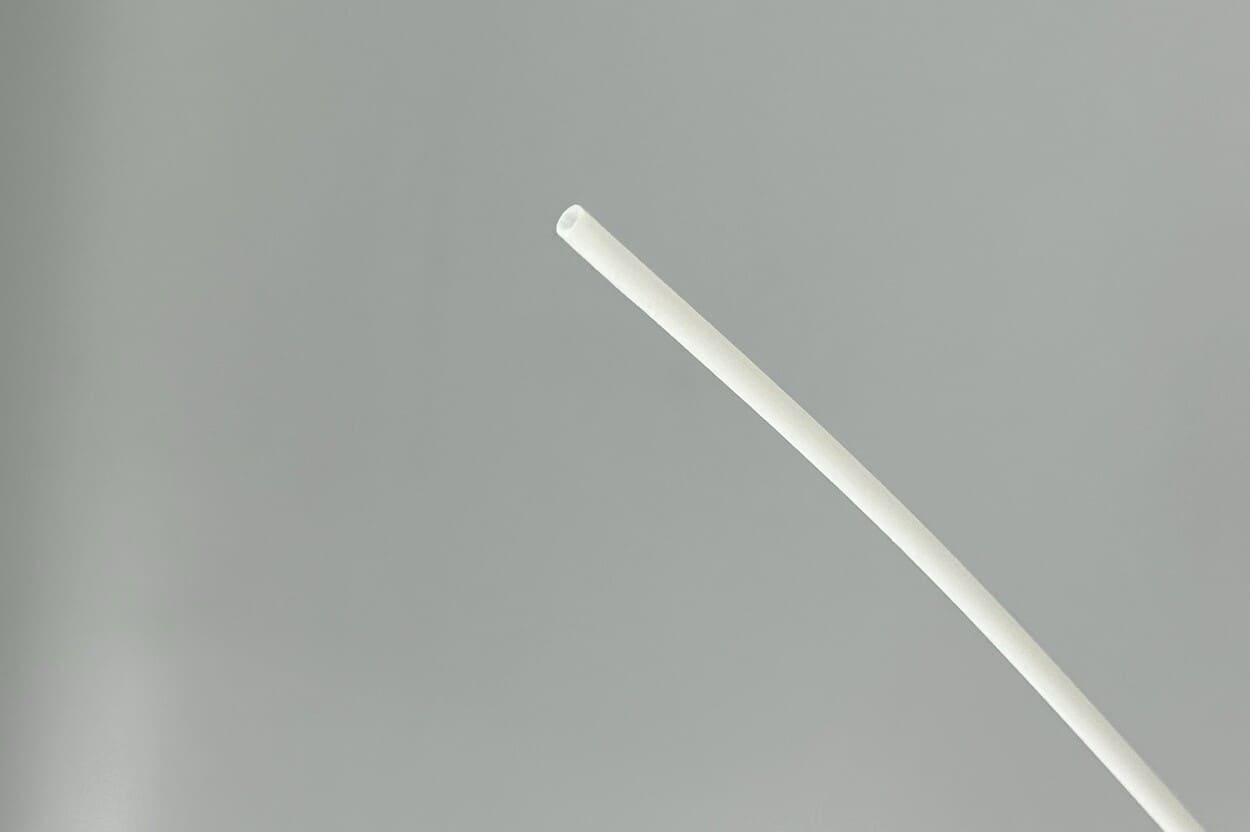
Image Copyright © 3DSPRO. All rights reserved.
Small 3D Printed Parts Are More Difficult to Handle
The smaller a 3D printed part is, the more challenging it can become to handle throughout the production and fulfillment process. While large parts are relatively easy to identify, inspect, count, and package, extremely small components can require much more attention.
One challenge is part identification. If an order contains multiple small parts with similar shapes, it can be difficult to distinguish them during sorting and inspection. This becomes especially important when a project includes many individual components that must be delivered together.
Small parts can also be more difficult to count and organize. A large component can usually be checked visually at a glance, while dozens or hundreds of tiny components may need to be individually counted or carefully separated. If parts have similar geometries, the process becomes even more demanding.
Post-processing can create another challenge. Depending on the 3D printing technology and material, parts may require cleaning, support removal, surface finishing, or other post-processing operations. Extremely small components can be more difficult to manipulate during these steps.
Packaging is another consideration. Small parts need to be contained securely so that they do not become mixed together or overlooked during handling. Proper packaging and labeling are therefore important for maintaining order accuracy.
Small 3D Printed Parts Can Lead to Delivery Delays
The main delivery concern with extremely small parts is not necessarily the printing time. Instead, delays can occur during post-processing, inspection, sorting, counting, and packaging.
For example, if a customer orders a large quantity of tiny components, the service provider may need additional time to verify that the correct number of parts has been processed and packed. If one or more parts cannot be accounted for during final inspection, additional handling or production may be required before the order can be shipped.
A missing component can be particularly inconvenient when the order contains many parts that are intended to be used together. Even if only one small part is missing, the entire shipment may need to be checked again to determine whether the component was misplaced or whether it needs to be reproduced.
Reprinting the missing part can also affect the schedule. Although the physical printing time for a tiny component may be short, the part still needs to go through the necessary processing and inspection steps before it can be included with the shipment.
For this reason, customers should not assume that extremely small parts will always be delivered faster simply because they require less printing material or shorter machine time.
How to Reduce Delivery Risks for Small 3D Printed Parts
Customers can take several steps to reduce potential delivery risks when ordering very small 3D printed parts.
First, provide accurate quantities and clearly identify the parts in the submitted files. If an order contains multiple similar components, clear file organization and naming can make production and fulfillment easier to manage.
Second, communicate important requirements before production begins. If every component must arrive together for an assembly or testing process, tell the 3D printing service provider that the complete quantity is critical to your project schedule.
Third, discuss packaging requirements for particularly small parts. Depending on the component size, geometry, quantity, and application, appropriate packaging can help keep parts organized and reduce the possibility of components being overlooked.
It is also worth considering whether the parts are unnecessarily small or fragile. If a component can be slightly enlarged without affecting its function, increasing its overall size may make it easier to handle. However, any dimensional change should only be made when it remains acceptable for the intended application.
For large quantities of tiny components, customers should also confirm whether additional sorting, counting, or inspection is required. Communicating these requirements early helps the supplier plan the order more effectively.
Allow Extra Time When Ordering Extremely Small Parts
When extremely small parts are critical to a project, customers should leave sufficient time between the expected delivery date and the actual project deadline.
A standard lead time generally covers the expected production and fulfillment process, but additional time may be needed if small components require extra inspection, sorting, packaging, or handling. If a part is missing or needs to be reproduced, having no schedule buffer can create problems for downstream assembly, testing, or product development.
It is especially important for customers working toward a fixed launch date, trade show, engineering test, or manufacturing milestone. A small delay in receiving one component can potentially delay an entire project.
Instead of scheduling downstream work immediately after the expected delivery date, consider adding reasonable buffer time. The appropriate amount depends on factors such as part size, order quantity, production technology, post-processing requirements, and project urgency.
If the parts are exceptionally small or the deadline is critical, confirm the expected lead time with the 3D printing service provider before placing the order, which allows both sides to understand the handling requirements and potential risks.
Tips for Ordering Small 3D Printed Parts
Clearly identify each part: Use organized files and descriptive names when an order contains multiple small components.
• Confirm the quantity: Make sure the required number of parts is clearly communicated, particularly for orders containing many tiny components.
• Discuss special handling: Ask the service provider whether the part size or quantity requires additional sorting, inspection, or packaging.
• Consider packaging: Small parts should be packaged in a way that helps prevent them from being overlooked, mixed together, or lost during handling.
• Communicate deadlines early: Tell the supplier if the parts are required for a specific assembly, test, launch, or manufacturing milestone.
• Confirm lead time: Do not assume that a very small part will automatically have a shorter overall delivery time.
• Leave schedule buffer: Allow extra time for potential inspection, sorting, repackaging, or reprinting.
• Order earlier for critical projects: If a missing component could stop downstream work, placing the order earlier can significantly reduce schedule pressure.
 0
0


COMMENTS
- Be the first to share your thoughts!