 English
  日本語
日本語  Deutsch


3D Printing Copper
Copper is one of the most useful metals when electrical and thermal performance matters. Its combination of high electrical conductivity, high thermal conductivity, corrosion resistance, and ductility makes it attractive for heat exchangers, electrical components, induction coils, and other specialized parts. However, copper is also one of the more demanding metals to process with metal additive manufacturing because it reflects infrared laser energy efficiently and transfers heat rapidly.
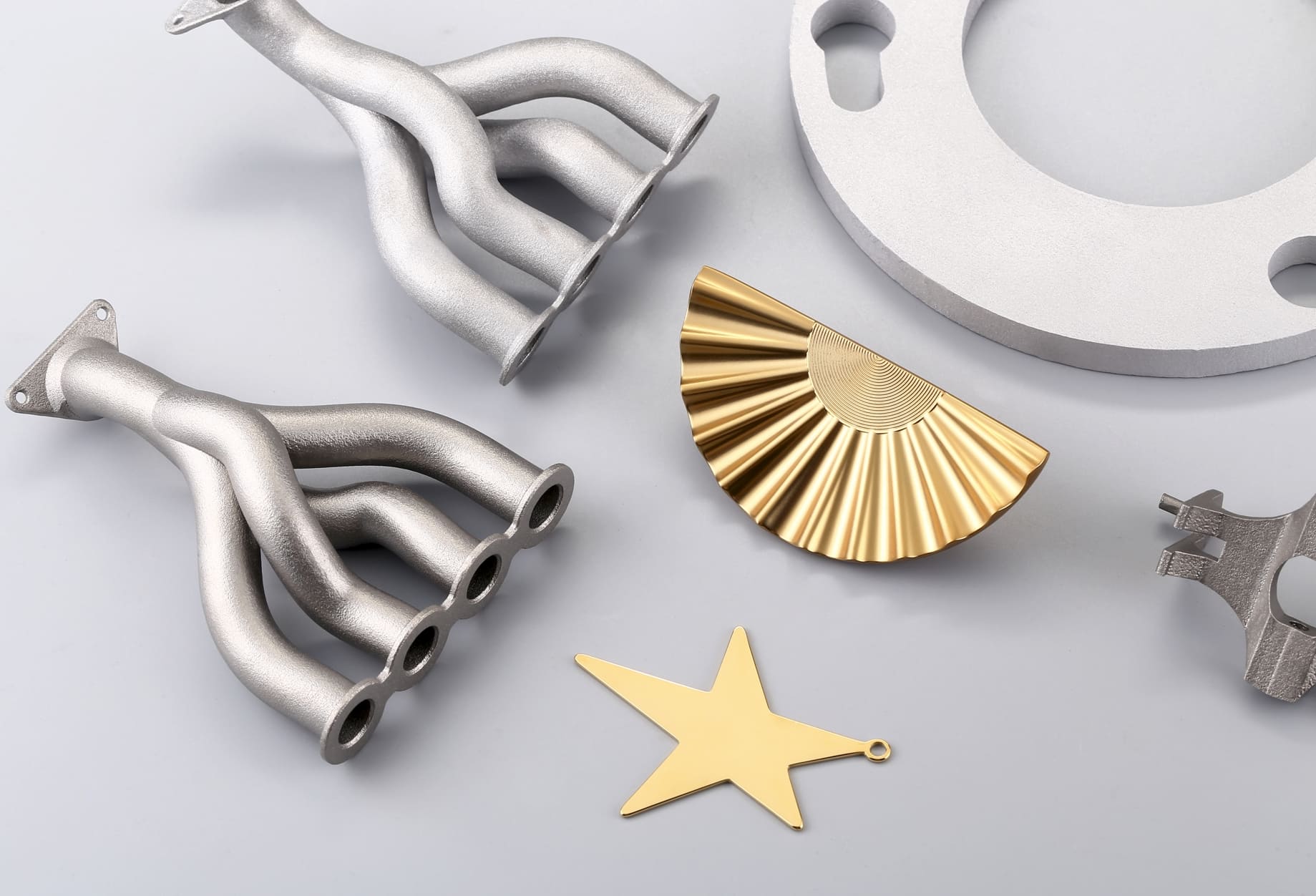
Today, both commercially pure copper and copper alloys can be processed by metal 3D printing. Modern additive manufacturing systems have developed qualified processes for high-purity copper and alloys such as CuCr1Zr, making copper 3D printing a practical option for selected industrial applications.
Copper 3D printing refers to producing copper or copper-alloy components layer by layer from metal powder. The most common approach for complex industrial components is laser powder bed fusion (LPBF), also called selective laser melting (SLM) in some industry contexts.
Copper alloys can be selected when greater mechanical strength is needed without losing the main benefits of copper. CuCr1Zr, for example, combines electrical and thermal conductivity with higher strength and is used for heat exchangers, cooling systems, induction coils, and conductive contacts.
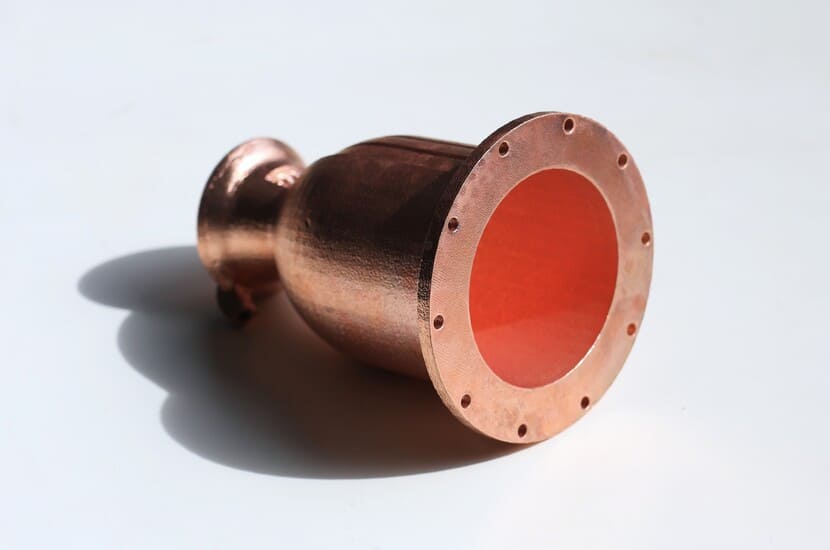
Image Copyright © 3DSPRO. All rights reserved.
Key Properties of 3D Printed Copper
Excellent Electrical Conductivity
Copper has very high electrical conductivity, making it suitable for conductive components such as busbars, electrical contacts, motor components, and other applications where minimizing electrical resistance is important.
High Thermal Conductivity
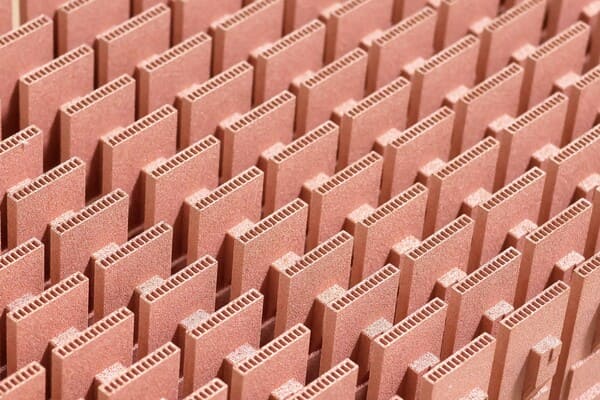
Copper transfers heat efficiently, which makes it particularly valuable for heat exchangers, heat sinks, cooling components, and other thermal management applications.
Good Corrosion Resistance
Copper offers good resistance to corrosion in many environments, which can contribute to long-term component durability.
Good Ductility
Copper is relatively ductile compared with many high-strength engineering metals. This allows it to withstand certain forms of deformation without becoming immediately brittle.
Moderate Mechanical Strength
Pure copper generally has lower mechanical strength than materials such as stainless steel, titanium, and nickel-based alloys. When higher strength is required, copper alloys such as CuCr1Zr may be a better choice.
High Reflectivity
Copper reflects a significant amount of conventional infrared laser energy. Combined with its thermal conductivity, this makes pure copper more challenging to process using standard metal laser powder bed fusion systems.
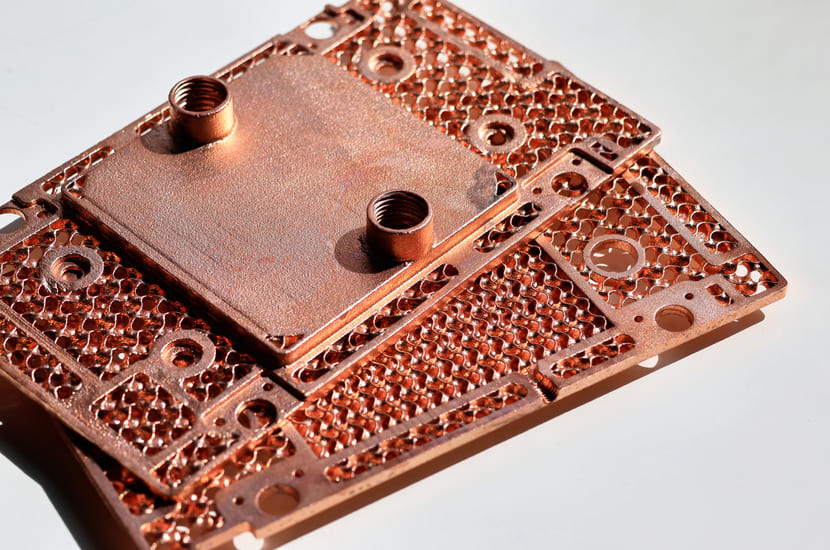
Image Copyright © 3DSPRO. All rights reserved.
How Is Copper 3D Printed?
Copper parts are commonly produced using LPBF/SLM. A thin layer of copper powder is spread across the build platform, and a laser selectively melts the material according to the digital model. The process is repeated layer by layer until the component is complete.
The major challenge is copper’s high reflectivity at conventional infrared laser wavelengths combined with its high thermal conductivity, which makes it harder to couple enough laser energy into the material and maintain a stable melt pool.
Manufacturers address this challenge through optimized laser power, scanning parameters, powder specifications, machine settings, and process control. Some systems also use different laser wavelengths. Atmosphere control is also important. Copper powder can be sensitive to oxygen pickup, which may affect conductivity and part quality.
After printing, copper components may require support removal, heat treatment, machining, polishing, or other finishing processes depending on the application.
Pros and Cons of Copper 3D Printing
|
Pros |
Cons |
|
Copper is an excellent choice for conductive components, electrical contacts, motors, busbars, and related applications. |
Copper’s reflectivity and thermal conductivity make the process more demanding than printing many other metals. |
|
Copper can efficiently transfer heat, making it valuable for heat exchangers, heat sinks, and cooling components. |
Stable results depend heavily on qualified machine, material, and process combinations. |
|
3D printing can create internal channels, integrated structures, and customized geometries that may be difficult or expensive to manufacture conventionally. |
Pure copper may not be the best option when high mechanical strength is the primary requirement. |
|
Multiple components can sometimes be combined into a single printed part, reducing assembly requirements. |
Supports, machining, heat treatment, and finishing can add cost and production time. |
Applications
Copper 3D printing is most valuable when its conductivity and geometric flexibility provide a clear performance advantage.
1️⃣ Heat exchangers and heat sinks: Complex internal channels can increase heat-transfer efficiency while reducing part count. High-conductivity copper and copper alloys are already used for heat-management applications.
2️⃣ Induction coils: 3D printing allows manufacturers to produce customized coil geometries that can improve access, cooling, and integration. Copper materials are used for induction coils in industrial applications.
3️⃣ Electrical components: Busbars, conductive contacts, motor components, and other electrical parts can benefit from copper’s conductivity.
4️⃣ Aerospace and propulsion: Copper alloys are used in demanding thermal-management and combustion-related applications, including rocket engine components.
5️⃣ Electronics and RF components: High-purity copper can be used for electronics, antennas, RF shielding, and waveguide-related applications.
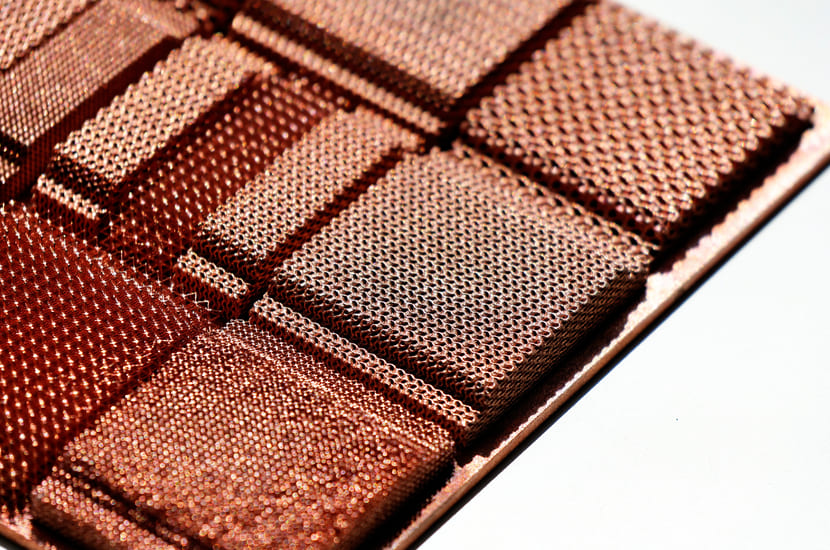
Image Copyright © 3DSPRO. All rights reserved.
Copper vs. Other Metal 3D Printing Materials
|
Material |
Main Strength |
Electrical/Thermal Conductivity |
Mechanical Strength |
Best For |
|
Excellent electrical and thermal conductivity |
Excellent |
Moderate |
Heat exchangers, electrical components, induction coils |
|
|
Conductivity with improved strength |
Very good |
Moderate to high |
Heat-management components, conductive parts, induction tooling |
|
|
Low weight and good thermal conductivity |
Good |
Moderate to high |
Lightweight heat sinks, aerospace parts, structural components |
|
|
High strength and corrosion resistance |
Low |
High |
Structural, industrial, and corrosion-resistant components |
|
|
High strength-to-weight ratio |
Low |
Very high |
Aerospace and lightweight structural parts |
|
|
Excellent high-temperature performance |
Low |
Very high |
Aerospace, combustion, and high-temperature industrial components |
 19
19


COMMENTS
- Be the first to share your thoughts!