 English
  日本語
日本語  Deutsch


Apple’s Growing Use of 3D Printing
Apple’s latest products build on a manufacturing strategy that has been developing over several product generations.
In 2025, Apple introduced a 3D printed titanium enclosure for the USB-C port on iPhone Air. According to Apple, the new port was designed to be thinner and stronger while using 33 percent less material than a conventional forging process.
Apple has also expanded metal 3D printing into Apple Watch production. In a 2025 report on its manufacturing process, Apple explained that 3D printed titanium cases for Apple Watch Ultra 3 and titanium versions of Apple Watch Series 11 used about half the raw material of their previous-generation counterparts. Apple estimated that the process could save more than 400 metric tons of raw titanium in 2025.
The newest generation takes that approach further. Apple now identifies 3D printing in three prominent products: the titanium hinge cover of iPhone Duo and the titanium cases of Apple Watch Series 12 and Apple Watch Ultra 4.

Image Source: Apple
Where Apple Is Using 3D Printing in Its Newest Devices
iPhone Duo: 3D Printed Titanium Hinge Cover
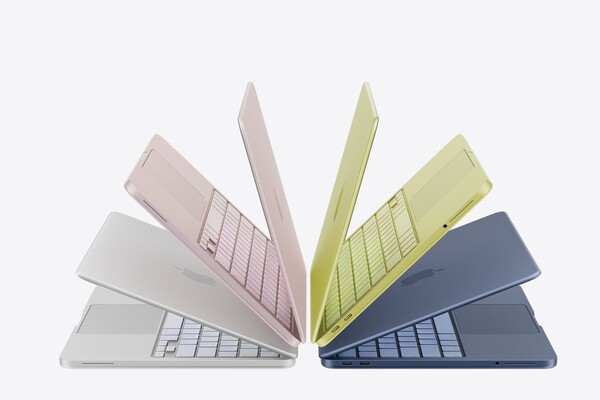
The most distinctive example is the iPhone Duo, Apple’s first foldable iPhone. Its precision hinge contains more than 100 components and is designed to support the center of the display while controlling the opening and closing motion. Apple uses a 3D printed hinge cover with a contrasting micro-blasted finish as part of this structure.
The hinge cover is made from 100 percent recycled titanium, while the device enclosure itself uses grade 5 titanium. Apple says iPhone Duo contains 35 percent recycled content overall.
It is an important application because foldable devices place unusual demands on compact mechanical components. The hinge area must fit within a very limited space while maintaining strength, precision, and a consistent exterior finish. 3D printing gives Apple another way to produce a highly controlled titanium component without relying entirely on traditional manufacturing methods.
Apple Watch Series 12: 3D Printed Titanium Case
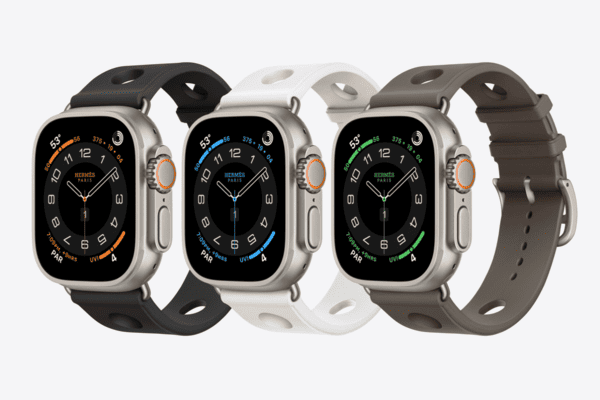
Apple Watch Series 12 continues Apple’s use of 3D printing for titanium watch cases. The new titanium case is 3D printed using 100 percent recycled titanium, and Apple reports that the watch contains 40 percent recycled material overall.
Unlike a hidden internal component, the case is both structural and cosmetic. That means the manufacturing process must satisfy demanding requirements for appearance, dimensional consistency, durability, and surface quality.
Apple Watch Ultra 4: 3D-Printed Titanium Case
The same approach appears in Apple Watch Ultra 4, which is available in natural and black titanium. Apple states that its 3D printed titanium case uses 100 percent recycled titanium, while the product contains 45 percent recycled material overall.
The use of 3D printing across both standard and Ultra Apple Watch models shows that the technology is becoming part of a broader manufacturing platform rather than a one-off experiment.
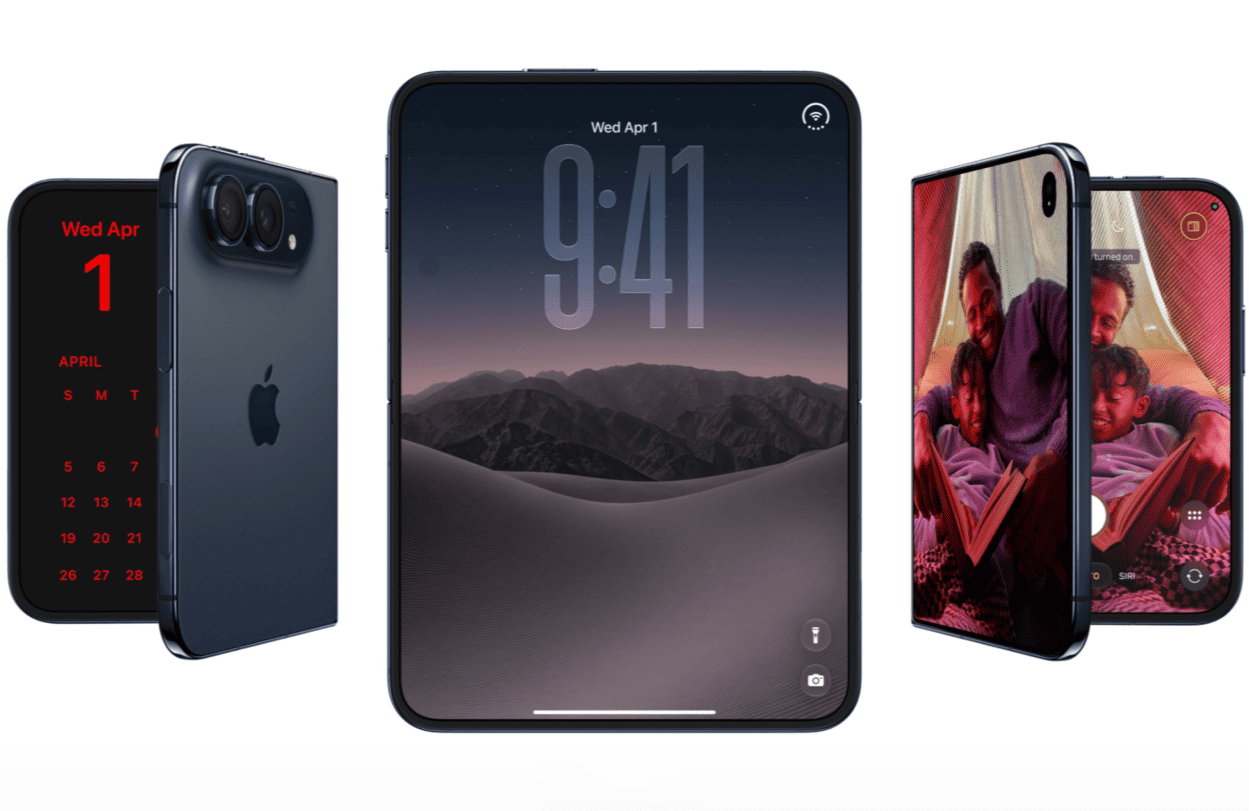
Image Source: Apple
The Manufacturing Advantages Behind Apple’s 3D Printed Components
One major advantage of metal 3D printing is its ability to create complex forms while reducing the need to remove large amounts of material.
Traditional manufacturing methods such as machining often begin with a larger piece of material and remove material to reach the final geometry. Additive manufacturing takes the opposite approach, building a component layer by layer from digital data. Apple has specifically connected its titanium 3D printing process with lower raw-material consumption.
It becomes especially valuable when working with titanium. Titanium offers an attractive combination of strength and low density, but machining titanium can be demanding and can generate significant material waste. Additive manufacturing allows manufacturers to use material more selectively, particularly when component geometry is complex.
Design freedom is another important advantage. Apple’s 3D printed hinge cover is part of a highly integrated folding mechanism, while the watch cases must combine structural performance with a refined exterior appearance. These are situations where manufacturing constraints can strongly influence product design.
3D printing also gives Apple greater flexibility in connecting digital product design, advanced materials, and manufacturing. Instead of treating manufacturing as a separate step after a design is completed, additive manufacturing can become part of the design process itself.

Image Source: Apple
From Prototyping to Production-Ready Components
For many years, 3D printing was closely associated with prototypes, design validation, and low-volume production. Apple’s approach demonstrates a broader role for the technology. In its 2025 discussion of 3D printed titanium Apple Watch cases, Apple described how its teams moved from experiments and proofs of concept toward production at scale. The company noted that it had previously struggled to manufacture cosmetic parts with 3D printing at scale, but continued development eventually made it possible to achieve the required cosmetic and structural quality.
That transition is significant.
A prototype can tolerate limitations that would be unacceptable in a commercial product. Production components require repeatable quality, reliable performance, controlled surface appearance, efficient material use, and a manufacturing process that can operate consistently at scale.
Apple’s latest products therefore illustrate a shift from “3D printing as a prototyping tool” to “3D printing as a production technology for selected final-use components.” The key change is not that Apple has started using 3D printing. It is that the company is increasingly using the technology for components that are functionally important, structurally relevant, or directly visible to consumers.
Apple’s Influence on the Future of Advanced Manufacturing
1. Accelerating 3D Printing in Consumer Electronics
Apple’s adoption of 3D printed components could encourage wider use of additive manufacturing in smartphones, smartwatches, laptops, cameras, drones, and other compact electronic products.
2. Expanding Design Possibilities for High-Tech Products
As electronic devices become thinner, lighter, and more integrated, manufacturers face increasingly demanding geometric and structural requirements. 3D printing gives product designers greater freedom to develop complex components that may be difficult to manufacture using conventional processes.
3. Increasing Demand for Advanced Materials
Apple’s continued use of 3D printed titanium also highlights the role of advanced materials in next-generation products. Titanium combines low density, high strength, and corrosion resistance, making it attractive for premium and performance-oriented applications.
4. Connecting Digital Design with Advanced Manufacturing
One of the broader changes is the closer integration of digital product development and manufacturing. With 3D printing, digital designs can move more directly into production while allowing manufacturers to create highly customized geometries.
5. Raising the Bar for Production-Scale Manufacturing
Apple’s use of 3D printing for final-use components demonstrates that additive manufacturing is moving beyond prototyping and limited production. As more high-tech companies pursue similar applications, requirements for quality, consistency, productivity, and material efficiency are likely to become increasingly important.
 0
0


COMMENTS
- Be the first to share your thoughts!