 English
  日本語
日本語  Deutsch


Metal binder jetting and selective laser melting (SLM) produce complex industrial metal components, but they form parts differently. Binder jetting bonds powder with liquid binder before furnace sintering, while SLM melts metal powder layer by layer with a laser. These differences affect mechanical properties, dimensional control, production planning, and cost. The right process depends on part requirements, geometry, order quantity, and finishing needs, not on one technology being universally better.
How Metal Binder Jetting and SLM Work
Metal Binder Jetting
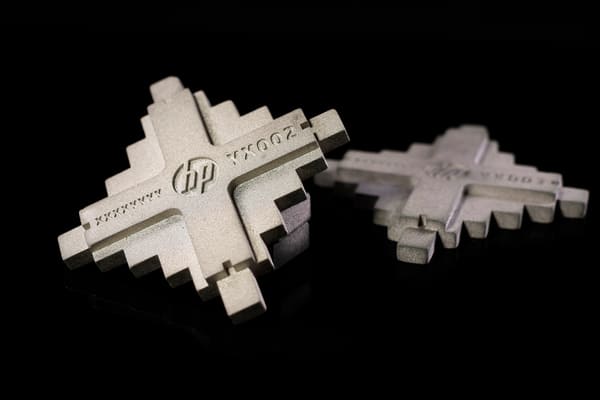
A printhead selectively deposits liquid binder onto layers of metal powder to create a fragile “green” part. After curing and depowdering, the part typically undergoes debinding when required and sintering, which bonds the metal particles and develops strength.
Because the metal is not laser-melted during printing, binder jetting generally avoids the same print-stage supports used in SLM. However, the part shrinks during sintering and may deform under gravity or contact with the furnace setter. Shrinkage compensation and sintering control are essential for meeting target dimensions.
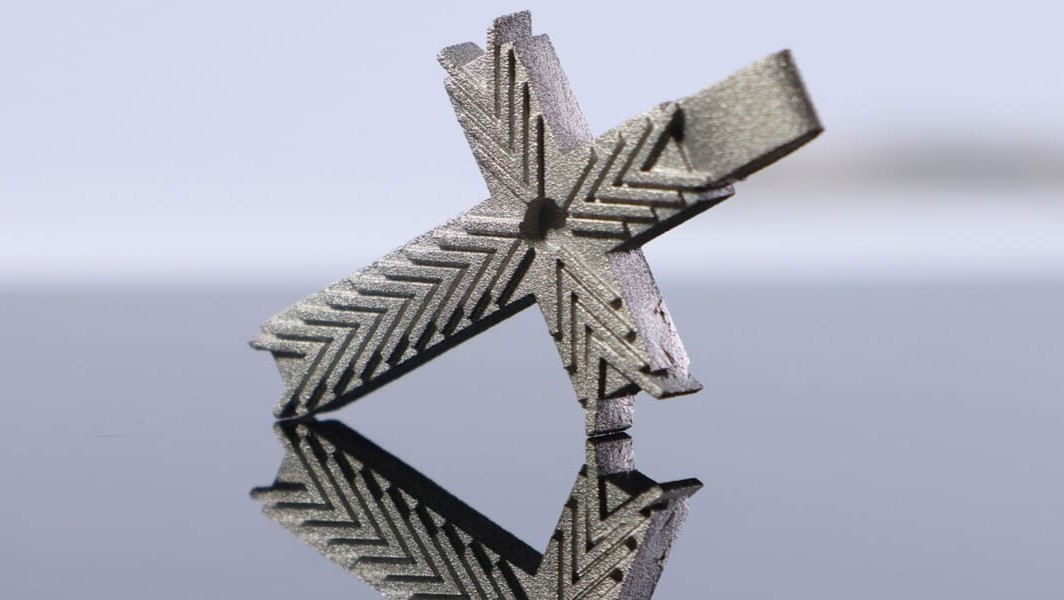
Image Source: Copyright © 3DSPRO. All rights reserved.
Selective Laser Melting (SLM)
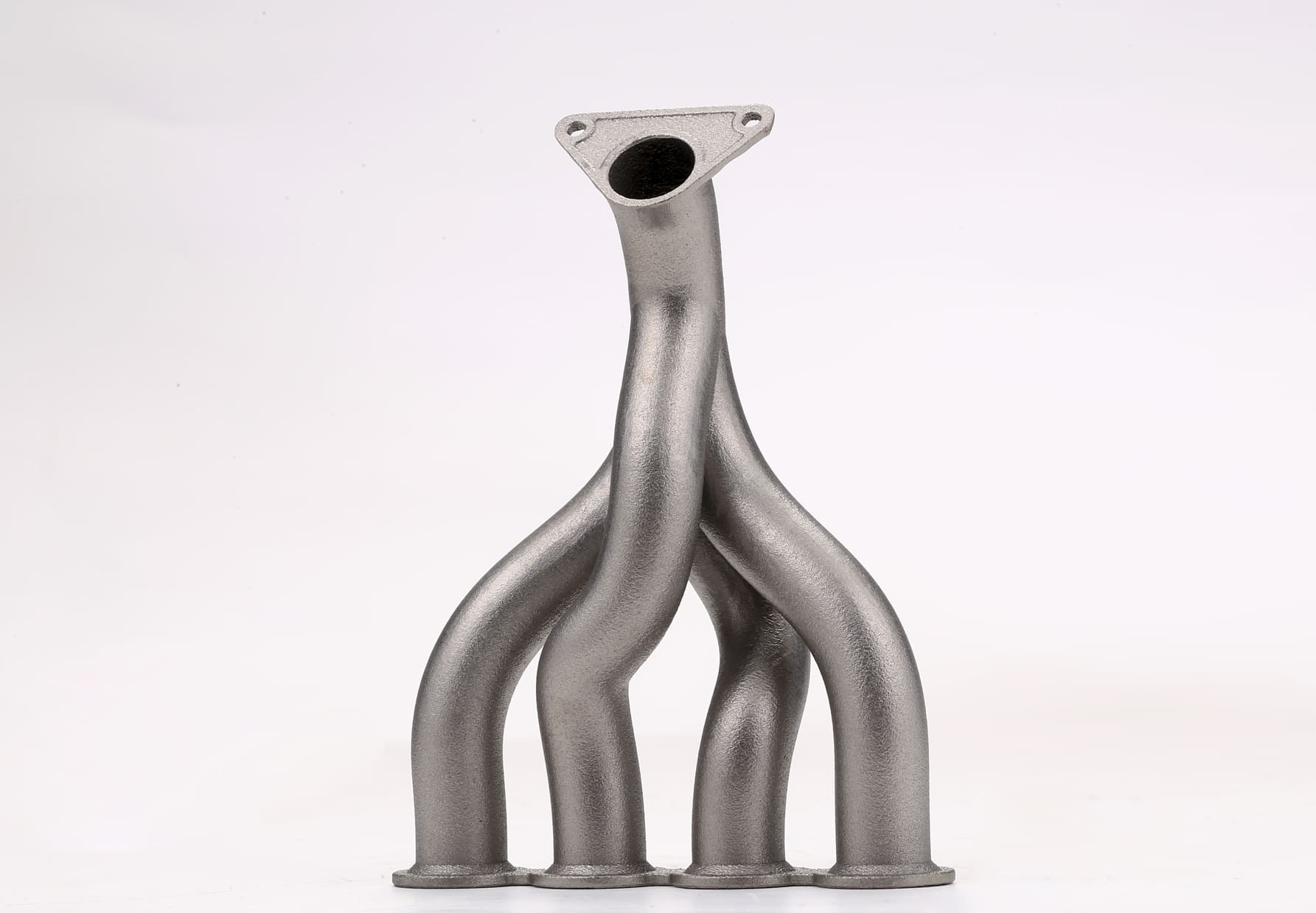
SLM, often grouped under laser powder bed fusion of metals, uses a high-energy laser to melt selected regions of a metal powder bed. The material solidifies as the build platform lowers and new powder layers are spread. Depending on the alloy, machine, and qualified parameters, SLM can produce dense parts with detailed features.
Supports may anchor overhangs, conduct heat, and reduce distortion. After printing, parts may need stress relief or other heat treatment, support removal, and CNC machining on critical surfaces. These steps add time and cost but can help meet functional and dimensional requirements.
Metal Binder Jetting vs. SLM: Key Differences at a Glance
|
Factor |
Metal Binder Jetting |
SLM |
|
Part Formation |
Binder bonds metal powder, followed by furnace sintering |
Laser melts metal powder layer by layer |
|
Production Fit |
Suitable for batches of multiple parts with efficient build packing |
Suitable for complex, customized, and lower-volume parts |
|
Density and Mechanical Properties |
Depend on powder, sintering, alloy, and process control |
Can achieve high density with qualified process parameters |
|
Support Structures |
Usually unnecessary during printing; supports may be needed during sintering |
Often required for anchoring and thermal control |
|
Dimensional Risks |
Sintering shrinkage and distortion |
Residual stress and thermal distortion |
|
Post-Processing |
Depowdering, sintering, and possible machining |
Heat treatment where required, support removal, and possible machining |
What Factors Matter Most When Choosing Between Binder Jetting and SLM?
Mechanical Performance and Density
For parts exposed to loads, vibration, impact, or fatigue, examine tensile strength, elongation, fatigue behavior, hardness, and density. SLM is often a strong candidate when high-density properties are essential, and the material and process are qualified. Binder-jetted parts can also serve functional uses, but properties depend on sintering and resulting porosity. Request data for the exact alloy, heat-treatment condition, and test orientation.
Production Volume and Lead Time
Binder jetting can suit batch production because a printhead deposits binder across selected areas without melting each part point by point. Multiple components can be arranged in one build, improving throughput when their geometry allows efficient packing. However, curing, depowdering, debinding where applicable, sintering, and inspection all add to total lead time.
SLM production time depends on laser exposure, layer count, geometry, build layout, supports, and post-processing. It can work well for specialized or customized parts, but complex builds and extensive finishing can extend delivery. Compare the complete production cycle, not just printer time.
Cost per Finished Part
The lowest printing cost does not always mean the lowest total cost. Binder jetting may reduce unit costs when many parts fit efficiently in a build and furnace processing is well utilized. Economics also depend on sintering yield, dimensional correction, inspection, and machining.
SLM costs are influenced by machine time, powder, support removal, heat treatment, and finishing. It may make better economic sense when performance requirements limit alternatives or only a few specialized parts are needed. Compare cost per accepted part, including scrap risk, post-processing, and quality documentation.
Accuracy, Surface Finish, and Materials
Neither process guarantees a specific tolerance or surface finish for every geometry. Binder jetting must account for shrinkage and sintering distortion; SLM must manage thermal stress and distortion. Critical bores, sealing faces, threads, and mating surfaces may need CNC machining with either process.
Material availability varies by machine and supplier. Confirm alloy options, qualification data, heat-treatment routes, and inspection capabilities, as well as requirements for operating temperature, corrosion, wear, or regulatory compliance.
When Should You Choose Metal Binder Jetting or SLM?
Consider metal binder jetting for batches of small or medium-sized components when the build volume can be used efficiently and the design can accommodate sintering-related controls. It may suit selected brackets, housings, tooling components, and industrial hardware when material data confirms the required properties. It is worth evaluating when batch throughput and cost per part are important.
Consider SLM for parts requiring demanding mechanical performance, high density, or complex geometry suited to laser powder bed fusion. Potential applications include functional prototypes, specialized tooling, lightweight structural brackets, and customized mechanical components. SLM is not automatically best for every high-performance part: alloy, post-processing, inspection, and qualification must match the application.
For either process, consider the whole manufacturing route. Tight-tolerance or safety-critical parts may need machining, heat treatment, testing, or certification regardless of the printing method.
Design Considerations Before Ordering Metal 3D Printed Parts
For binder jetting, account for shrinkage during design and production planning. Shrinkage can vary by direction and geometry, so compensation should follow the supplier’s validated process rather than a universal scale factor. Avoid fragile green-part features, provide openings for powder removal, and review thin walls, long overhangs, and slender sections for breakage or sintering deformation. Some geometries may need setters or supports during sintering.
For SLM, select build orientation with support access, surface quality, build time, and thermal distortion in mind. Review overhangs, thin walls, internal channels, and areas where supports may be difficult to remove. Allow for machining on precision features and plan inspection after support removal and heat treatment.
Before ordering, share the CAD model, alloy, quantity, critical dimensions, surface finish requirements, loading conditions, and inspection needs. Identify functionally critical features and those that can accept as-printed variation. An early design-for-manufacturing review can show whether changes to orientation, wall thickness, geometry, or process route could improve cost and reliability.
Metal binder jetting can suit cost-sensitive batches, while SLM is often favored for parts requiring high-density properties and demanding functional performance. Select by comparing the finished part, not just the printing stage. Review material data, geometry, order volume, tolerances, post-processing, and total cost before committing to a process.
 0
0


COMMENTS
- Be the first to share your thoughts!