English
 日本語
 Deutsch


Choosing the right material is an essential step in CNC machining. The material affects a part's strength, weight, dimensional stability, corrosion resistance, machinability, and overall manufacturing cost. A material that performs well in one application may be unnecessarily expensive or unsuitable for another.
CNC machining supports a wide range of metals and engineering plastics, giving designers flexibility when developing prototypes, functional components, and production parts. However, selecting the best option requires more than comparing material prices or strength values.
Key Factors to Consider When Choosing a CNC Machining Material
Before selecting a material, identify the essential requirements of the finished component. Prioritizing these requirements can narrow the available options and prevent unnecessary manufacturing expenses.
Mechanical properties are a primary consideration. Tensile strength, stiffness, hardness, impact resistance, and fatigue performance determine how a part responds to loads and repeated use. Components exposed to significant mechanical stress may require stronger alloys, while lightly loaded housings may work well with more economical materials.
Weight and density matter when reducing component weight is important. Aluminum and engineering plastics are often suitable for lightweight parts, while steel may be preferable when higher stiffness, strength, or wear resistance is needed.
Operating environment also influences selection. Moisture, chemicals, outdoor exposure, and temperature fluctuations can affect a material's durability and long-term performance. Consider corrosion resistance and thermal stability according to the actual service conditions.
Machinability affects production time, tooling requirements, and achievable surface quality. Materials that are easier to machine can often reduce manufacturing costs, although the result also depends on part geometry and tolerances.
Finally, consider material availability, finishing requirements, and total cost. The purchase price alone does not account for machining time, material waste, surface treatments, or inspection requirements.
Common CNC Machining Metals and How to Choose Them
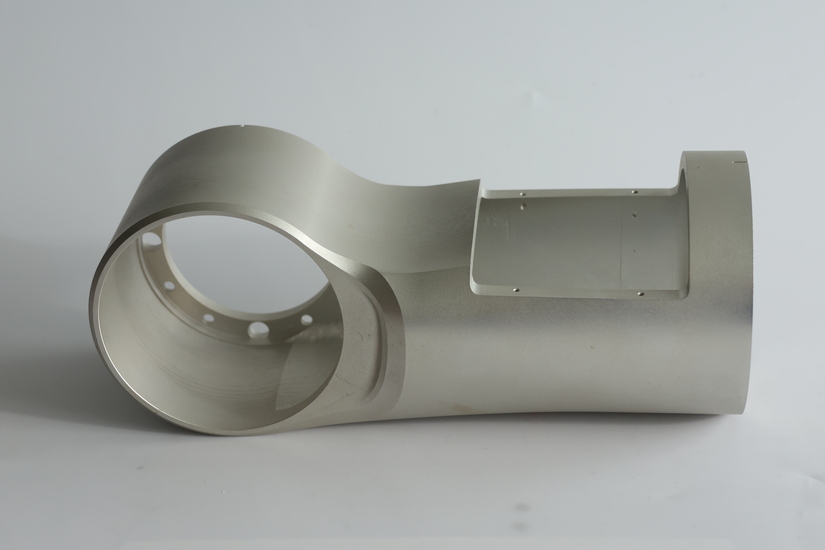
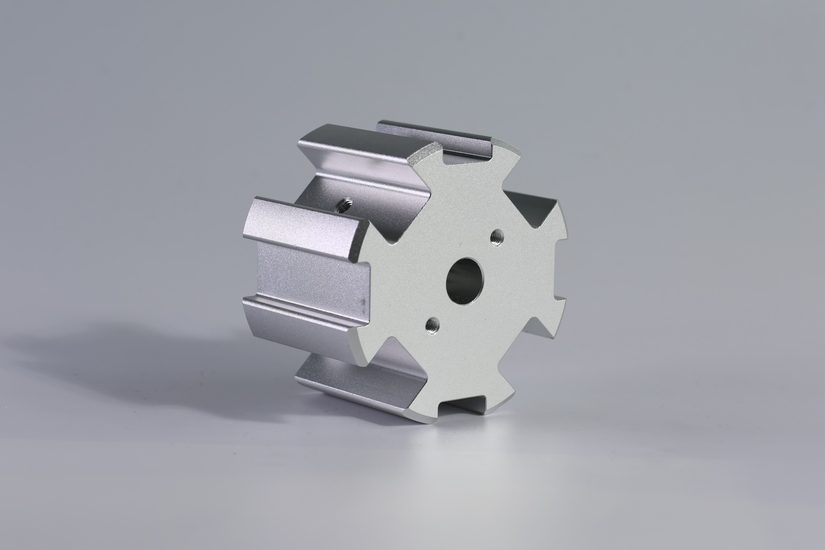
Metals are widely used in CNC machining when components require structural strength, durability, thermal performance, or electrical conductivity. The most suitable metal depends on the balance of these properties and the manufacturing requirements.
|
Metal |
Key Characteristics |
Typical Applications |
|
Lightweight, readily machinable, and available in different strength grades |
Housings, brackets, fixtures, and structural components |
|
|
Corrosion resistance and useful mechanical strength |
Industrial equipment, enclosures, and moisture-exposed parts |
|
|
Strength, toughness, and grade-dependent heat-treatment options |
Shafts, gears, and mechanical components |
|
|
Good machinability and corrosion resistance |
Fittings, connectors, and precision components |
|
|
High electrical and thermal conductivity |
Electrical parts and heat-transfer components |
|
|
High strength-to-weight ratio and excellent corrosion resistance in suitable environments |
Aerospace components and demanding engineering applications |
|
|
Hardness and wear resistance, depending on grade and heat treatment |
Dies, punches, and specialized tooling |
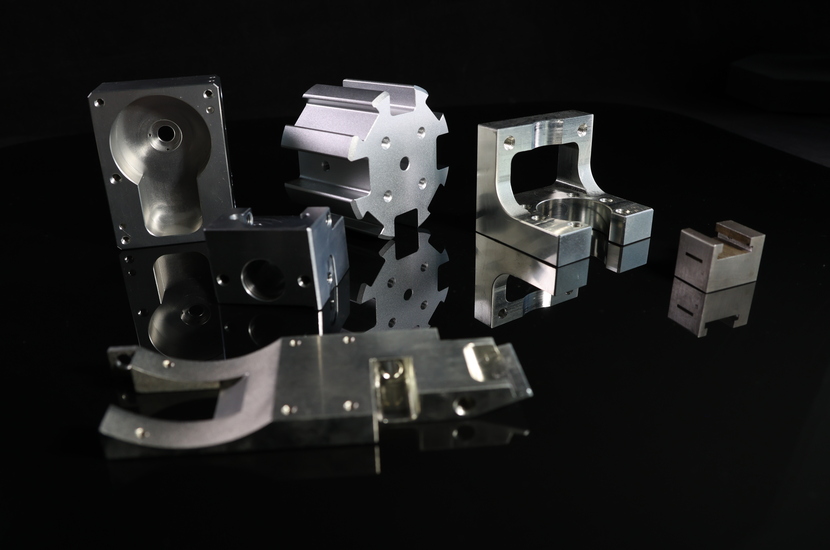
Image Copyright © 3DSPRO. All rights reserved.
Common CNC Machining Plastics and How to Choose Them
Engineering plastics can be good alternatives to metals when low weight, electrical insulation, chemical resistance, or low friction is more important than maximum stiffness. Their behavior under heat, load, and prolonged use must still be evaluated.
|
Plastic |
Key Characteristics |
Typical Applications |
|
Impact resistance and general-purpose machinability |
Housings, covers, and prototypes |
|
|
Good dimensional stability, low friction, and low moisture absorption |
Gears, bushings, and precision mechanical parts |
|
|
Strength and wear resistance; absorbs moisture |
Guides, wear parts, and mechanical components |
|
|
High impact resistance; transparent grades are available |
Protective covers and guards |
|
|
High-performance mechanical, thermal, and chemical properties |
Demanding industrial components |
|
|
Very low friction and broad chemical resistance |
Seals, sliding components, and chemical-handling parts |
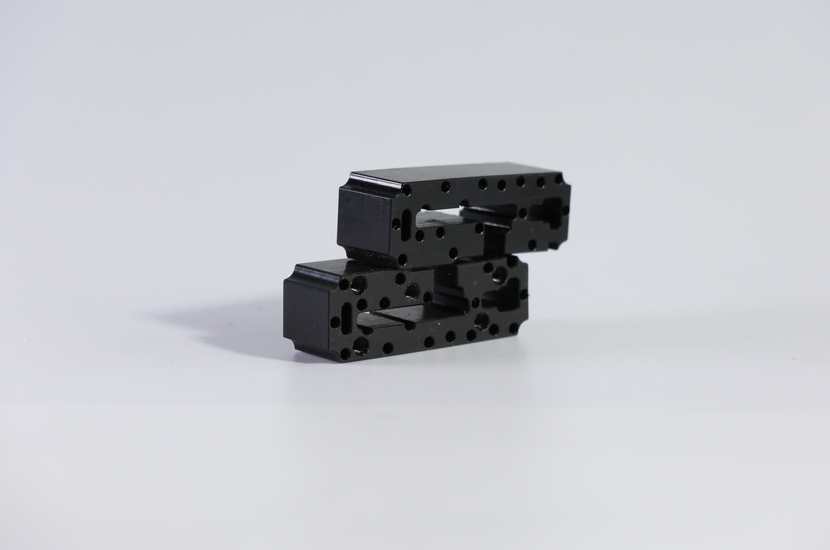
Image Copyright © 3DSPRO. All rights reserved.
How to Match CNC Materials to Your Application
Once you understand the available materials, use your component's actual operating requirements to narrow the options. The following examples provide a starting point for common engineering applications.
✅ Lightweight structural components: Consider aluminum alloys when you need a combination of low weight, useful strength, and efficient machining. Higher-strength grades may be appropriate for more demanding loads, but the additional cost and finishing requirements should be evaluated.
✅ Corrosion-exposed components: Stainless steel, suitable aluminum alloys, and engineering plastics may all be candidates, depending on the environment. Identify the specific chemicals, moisture levels, and temperatures involved before selecting a material.
✅ High-load mechanical parts: Alloy steel may be suitable when strength, toughness, or wear resistance is critical. High-strength aluminum alloys can be alternatives when reducing weight is also important. The final choice should account for fatigue, impact, and operating loads.
✅ Wear-resistant components: Acetal, nylon, selected hardened steels, and PEEK may be suitable for moving parts. Consider friction, lubrication, contact pressure, temperature, and moisture exposure when comparing options.
✅ Electrical and thermal components: Copper is a common choice for high electrical or thermal conductivity. Engineering plastics may be more appropriate for insulating components, depending on their dielectric and temperature requirements.
✅ Chemical-handling components: PTFE, PEEK, stainless steel, and other compatible materials may be considered based on the specific chemicals, concentration, temperature, and exposure duration. Always verify compatibility rather than assuming a material resists every chemical.
In practice, material selection often involves balancing competing requirements. A material with excellent strength may be difficult to machine or expensive, while an economical plastic may not maintain its dimensions under heat. Prototyping and testing can help validate the final choice when operating conditions are uncertain.
Choose the Right CNC Machining Material with 3DSPRO
Choosing a suitable CNC machining material begins with clearly defining your part's functional requirements, operating conditions, and budget. Comparing material properties alongside machinability, availability, and finishing requirements helps you make a more informed decision and avoid unnecessary production costs.
3DSPRO offers CNC machining services for a range of metals and engineering plastics, supporting applications from general-purpose mechanical components to specialized industrial parts. Our CNC machining capabilities include milling, turning, precision machining, and large-part CNC machining.
Before requesting a quote, prepare your CAD files or engineering drawings and specify your preferred material, quantity, critical dimensions, surface finishing requirements, and intended application. If you are unsure which material to choose, share the loads, temperatures, environmental conditions, and other performance requirements the part must meet.
Explore 3DSPRO's CNC Machining Materials to compare available options and find a suitable material for your custom-machined component.
 0


COMMENTS
- Be the first to share your thoughts!