English
 日本語
 Deutsch


A metal portrait relief turns a photograph or digital portrait into an artwork with raised and recessed facial features. The challenge is to preserve recognizable details while achieving an attractive surface at a practical cost. Selective laser melting (SLM), metal binder jetting, and laser engraving approach this task differently.
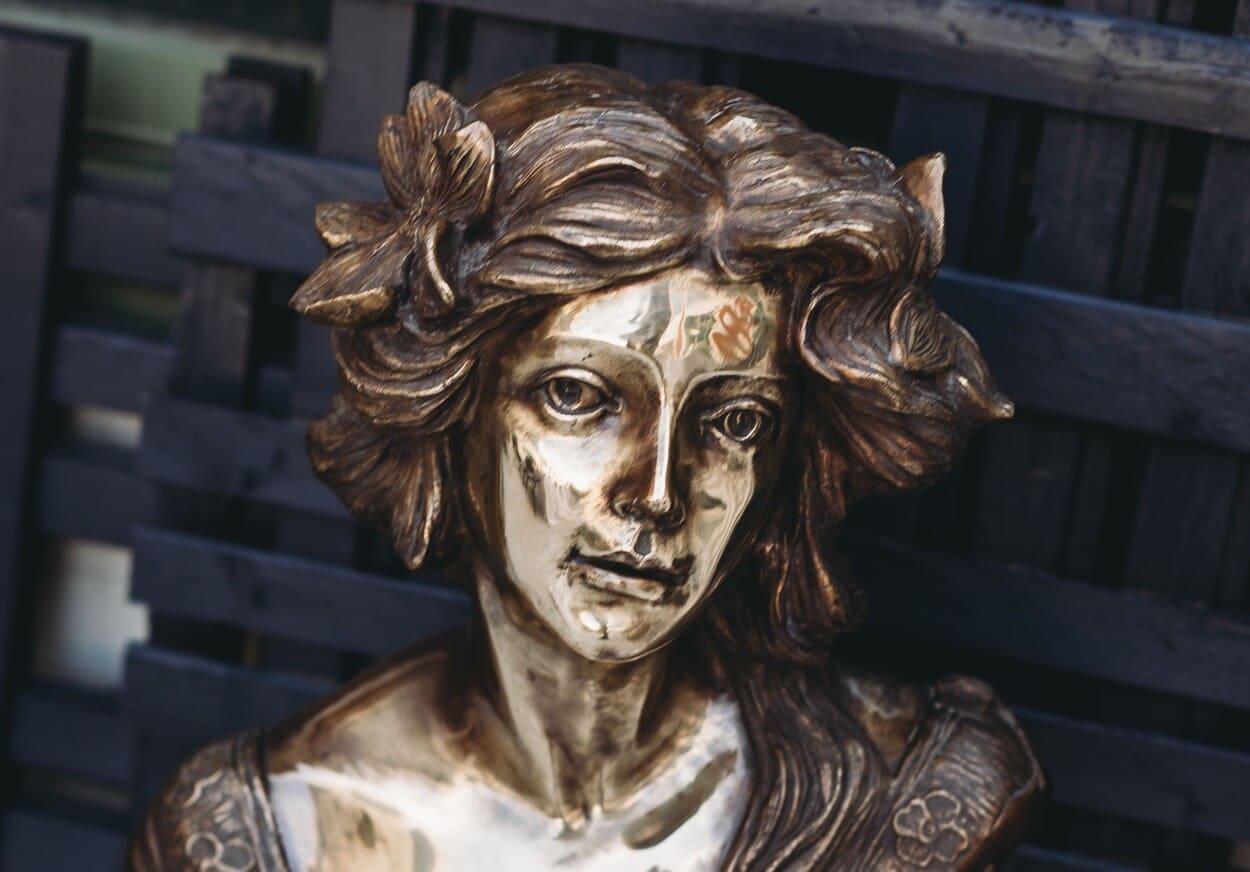
Image Source: Steven Van Elk
What Makes Metal Portrait Reliefs Difficult to Manufacture?
Facial Detail Preservation
Small features carry much of a portrait's identity. Eyelids, nostrils, lip edges, wrinkles, and hair strands can disappear if the model is too coarse or the part is too small. Exaggerating them can make the subject look unlike the original.
Converting 2D Images into 3D Geometry
A photo records light and shadow, not physical depth. A dark area under the nose may be a cast shadow, not a recess. Converting grayscale values directly into height can distort anatomy. A usable relief needs image cleanup, background separation, and a depth map or refined 3D model. Smooth cheek and forehead transitions help prevent a segmented appearance.
Surface Quality and Finishing
Visible powder texture, stair-stepping, machining marks, or excessive polishing can reduce fidelity. Metal color, lighting, contrast, and viewing angle also affect the result.
Three Manufacturing Methods for Metal Portrait Reliefs
1. Selective Laser Melting (SLM)
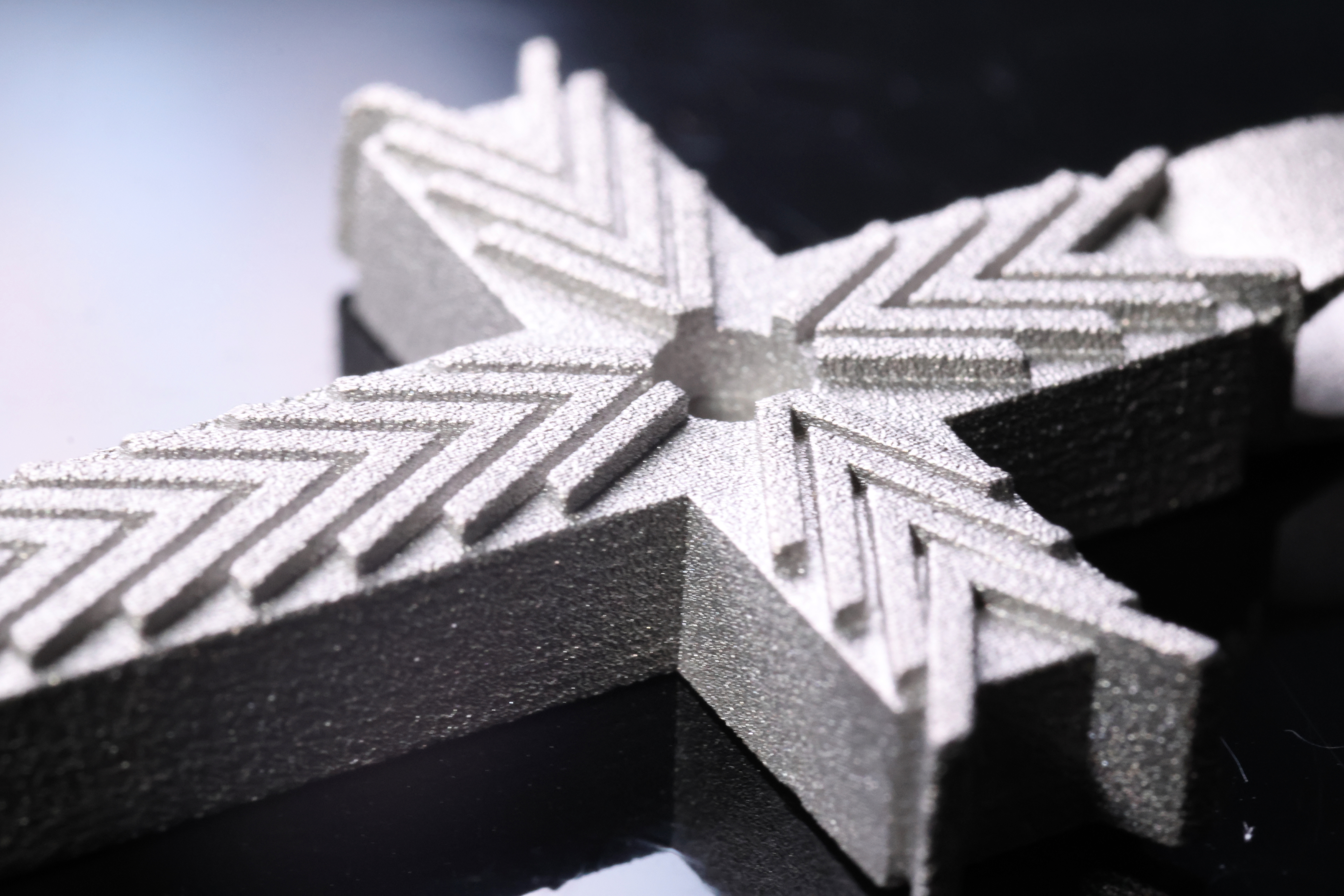
SLM, a laser powder bed fusion process, selectively melts and fuses metal powder in layers according to a 3D model. It produces genuine three-dimensional relief geometry, making it suitable when the portrait needs noticeable volume rather than a flat image.
Its main advantages are geometric freedom and tooling-free one-off production. Detail is limited by the machine, powder, layer thickness, orientation, and feature size. Down-facing areas may be rougher, and supports are often needed. Because the part is built layer by layer, shallow curves can show stair-step effects depending on orientation and layer height. After printing, the part may require stress relief, support removal, blasting, machining, or polishing; aggressive finishing may soften tiny features.
2. Metal Binder Jetting
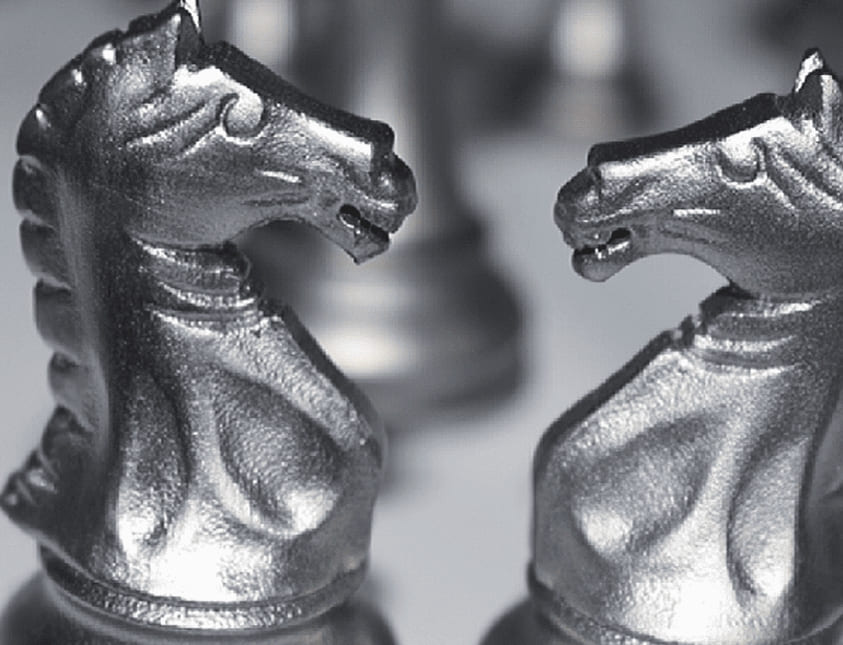
Metal binder jetting deposits liquid binder onto a powder bed to join particles layer by layer. The green part is depowdered, debound, and sintered to consolidate the metal. The surrounding powder supports many features during printing.
BJ can suit batch production and geometries compatible with its powder-bed process. However, the green part is fragile, and sintering causes shrinkage and possible distortion. Shrinkage depends on the material and process and must be compensated for and validated. Fine details depend on powder, binder delivery, and whether small features survive depowdering and sintering. The sintered surface can retain a powder-based texture, so finishing may still be needed. BJ avoids some laser-fusion-related support requirements during printing, but it does not eliminate the need to plan for distortion during furnace processing.
3. Laser Engraving
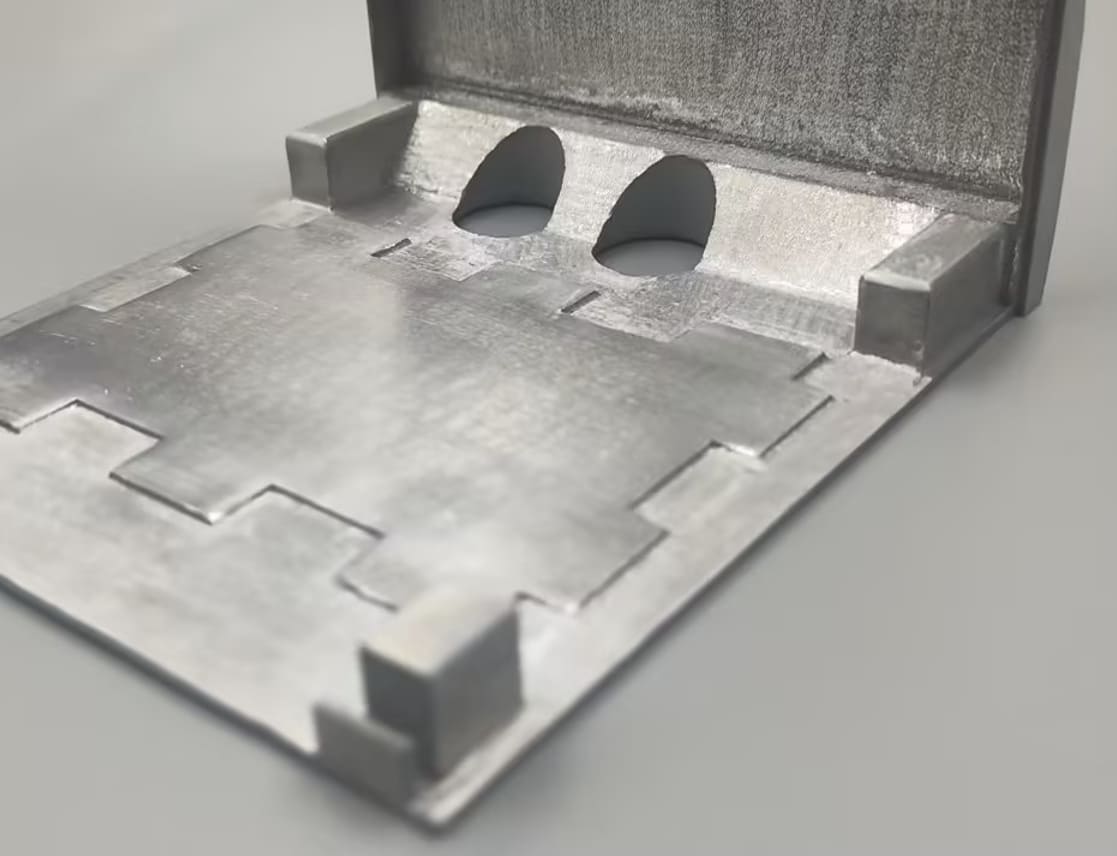
Laser engraving modifies an existing metal blank rather than building a 3D metal part. For a photo portrait, the image is converted into grayscale or a halftone pattern. Laser marking, or controlled surface removal, creates tonal contrast, making this a direct option for a flat commemorative plaque. The exact contrast depends on the metal, coating, laser type, and parameters; not every bare metal produces a full grayscale range.
3D or 2.5D relief engraving uses a depth map to assign different depths to image regions. The laser removes more material in some areas and less in others, creating shallow relief. This differs from photo engraving: a normal photograph does not contain reliable depth information. Relief engraving is limited by achievable depth, material response, processing time, and transition quality, so test it on the selected alloy.
SLM vs. Binder Jetting vs. Laser Engraving: A Detailed Comparison
|
Factor |
SLM |
Metal BJ |
Laser Engraving |
|
Type of result |
Full 3D metal geometry |
Full 3D metal geometry |
Surface image or shallow relief |
|
Facial detail |
Strong for modeled contours; limited by feature size and finish |
Can reproduce modeled contours; small features must survive sintering |
Strong front-view tonal detail; physical depth depends on the relief workflow |
|
Surface |
Often needs finishing to reduce build texture |
Powder-based texture; finishing may be required |
Depends on marking contrast, ablation, and substrate |
|
Design freedom |
High, with support and orientation constraints |
High, with green-part and sintering constraints |
Best on accessible surfaces; deep relief takes more work |
|
Post-processing |
Support removal and optional heat treatment and finishing |
Depowdering, debinding, sintering, and optional finishing |
Cleaning and optional surface finishing |
|
Cost drivers |
Metal powder, machine time, supports, and finishing |
Build utilization, powder, sintering, shrinkage control, and finishing |
Blank material, image preparation, laser time, depth, and number of passes |
SLM suits dimensional one-off reliefs, but support removal and finishing add cost. Binder Jetting may be economical when suitable parts can be nested in a batch, although sintering and dimensional control remain important. Laser engraving avoids building a full metal volume and is often economical for flat portraits; deep, multi-pass relief takes longer.
Which Manufacturing Method Should You Choose?
Choose SLM for Highly Detailed 3D Metal Portraits
SLM suits sculptural reliefs with distinct nose, cheek, brow, and lip geometry, especially for one-off or low-volume pieces. Review minimum feature size, build orientation, support access, and finishing allowance before production.
Choose Metal Binder Jetting for Batch Production
Evaluate BJ when multiple copies are required, and the geometry can accommodate shrinkage and sintering constraints. Ask the supplier to confirm details, dimensional variation, density, and finish for the alloy. A sample is useful for checking facial features after sintering.
Choose Laser Engraving for Photographic Plaques
For a photographic likeness on a flat metal plate, surface photo engraving is usually simpler. Choose depth-map-based relief engraving when shallow physical depth is important, but a fully built 3D part is unnecessary. Confirm whether the target is visual contrast or actual surface depth before requesting a quote.
Before choosing, define portrait size, viewing distance, relief depth, metal, quantity, and finish. Provide a high-resolution, well-lit image and a reference profile. A sample can show whether facial features remain clear after finishing. The best process is the one that delivers the required realism and depth, not simply the finest advertised resolution.
 0


COMMENTS
- Be the first to share your thoughts!