English
 日本語
 Deutsch


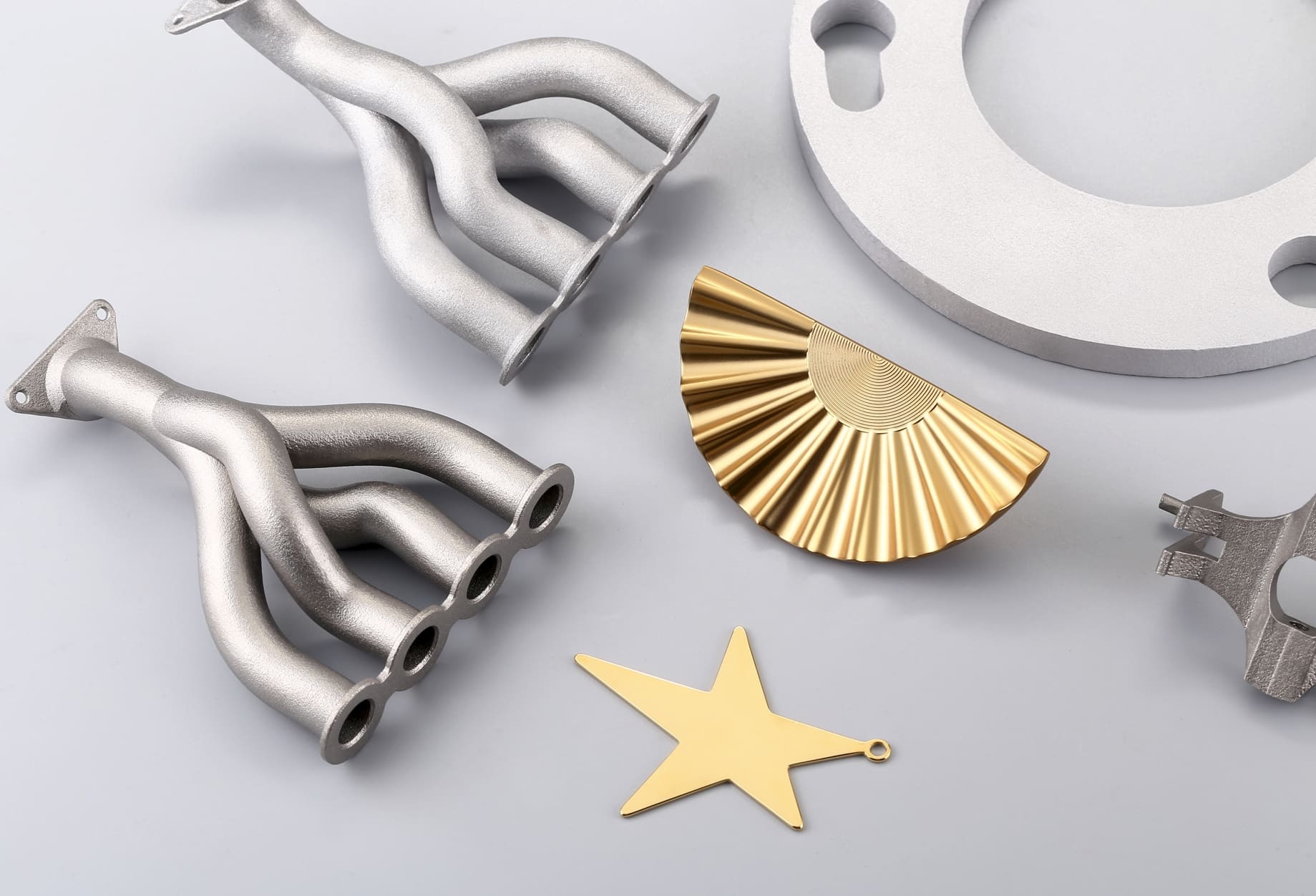
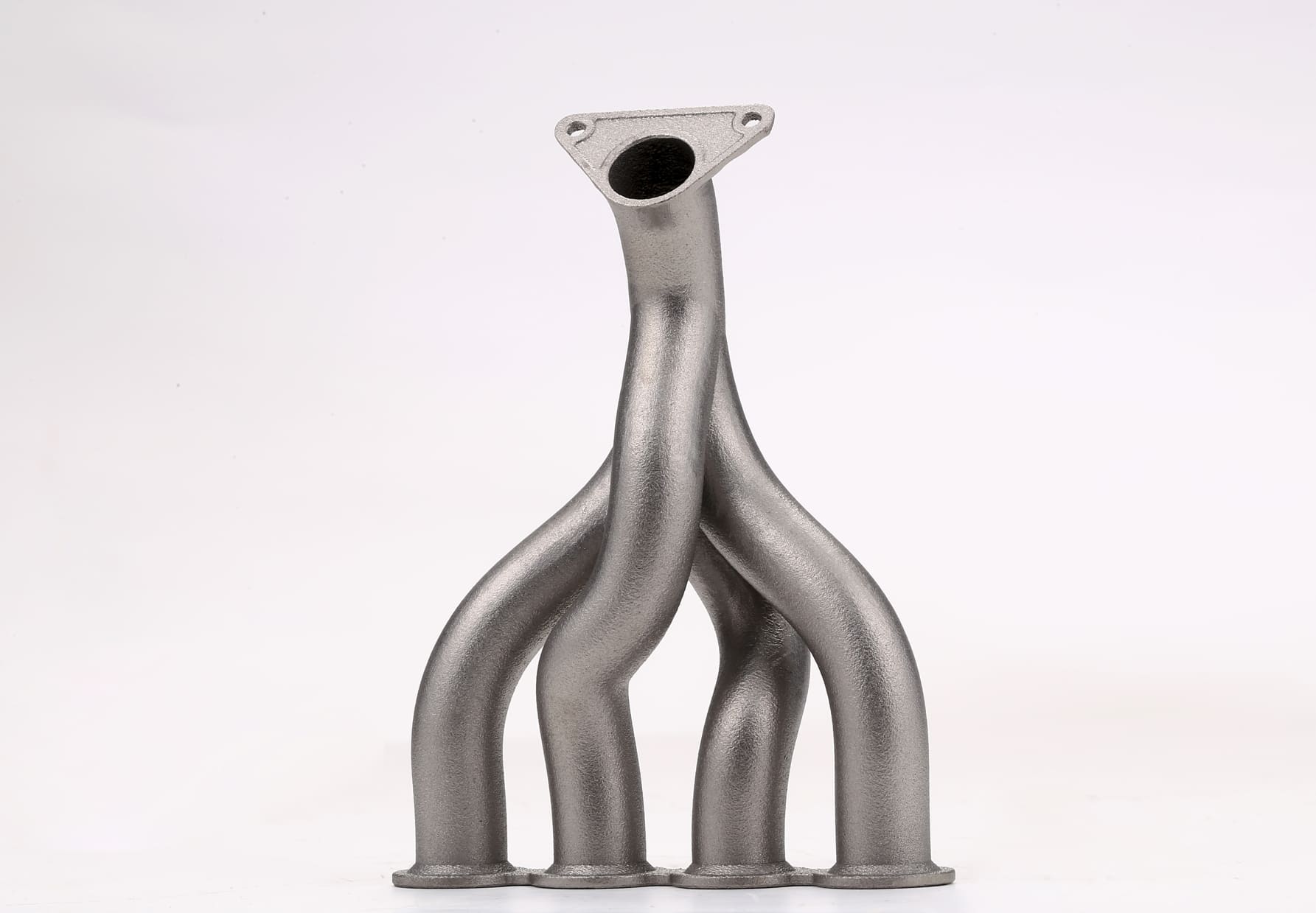
Metal 3D printing can produce decorative parts with intricate scrollwork, thin projections, sharp contours, and small raised details that are difficult to manufacture using conventional methods. These features can also make post-processing more demanding. In some cases, removing every support structure is not the safest way to finish a part. If supports are tightly connected to delicate details, cutting or breaking them away may damage the very features the customer wants to preserve.
A manufacturer may therefore recommend leaving selected supports attached when removal presents a greater risk than the benefit of a fully cleaned surface. This is a case-specific decision, not a substitute for proper post-processing.
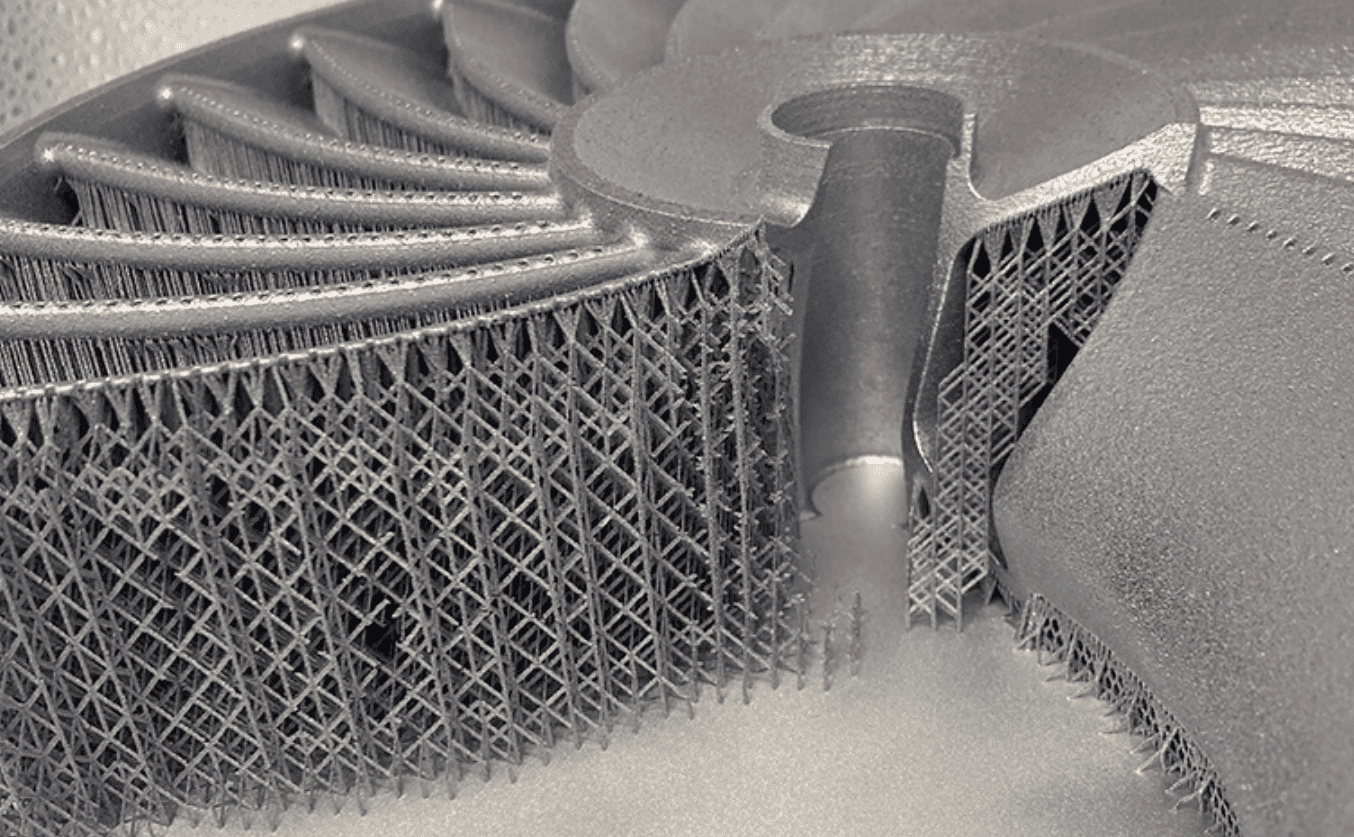
Image Source: Materialise
Why Metal Decorative Parts Require Extensive Support Structures
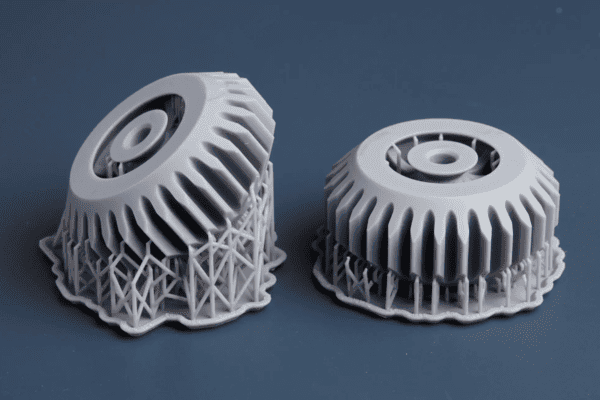
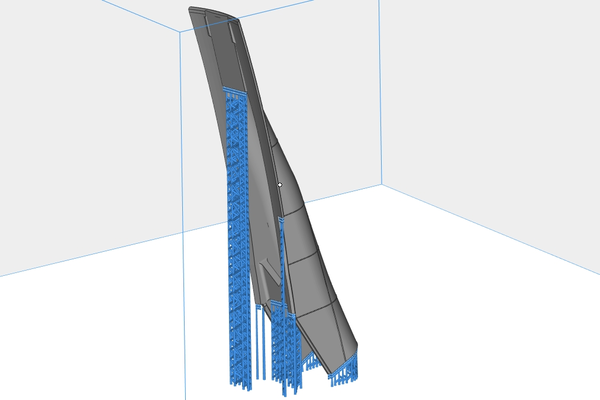
In metal powder bed fusion processes such as selective laser melting (SLM), a laser selectively melts metal powder layer by layer. As the part is built, each new layer needs a stable foundation. Downward-facing surfaces and overhangs may not have enough solid material beneath them to form reliably, so support structures are added where needed.
Supports do more than hold up overhanging features. In metal printing, they can also anchor the part to the build plate, limit movement caused by residual stress, and conduct heat away from the printed area. These functions help reduce distortion and support a stable build. Their placement depends on geometry, orientation, material, and process conditions.
Decorative parts can require a dense or complicated support layout because their geometry often contains many small, changing features. Consider an ornamental metal component with curled edges, floral patterns, relief lettering, narrow bridges, or repeated cutouts. Depending on its orientation, some of these features may create downward-facing surfaces or local overhangs that need support. A single design can have many separate areas that require support rather than one large, easy-to-access overhang.
The challenge is not just the number of supports, but also where they meet the part. Supports near fine edges, narrow details, or recessed patterns can be difficult to reach. In a compact design, there may be little room to cut or grip a support without touching a neighboring feature. A support layout that makes the part printable can make removal delicate.
Removing Supports Can Damage Fine Decorative Details
After printing, metal supports are normally removed during post-processing. Depending on the design and material, manufacturers may use hand tools, cutting, machining, or wire electrical discharge machining (EDM). The appropriate method depends on support geometry, access, material, and the required finish.
Supports are physically connected to the part at contact points, so separating them requires force or cutting. On a robust, accessible surface, the resulting mark may be straightforward to finish. On a thin decorative feature, the same operation carries greater risk.
Small projections, narrow ribs, pointed tips, and delicate filigree can have limited cross-sections. Applying force to remove a support may bend or fracture these features. A cutting tool may also be difficult to position precisely when supports are crowded around a detailed area. Even when the feature does not break, removal can leave a rough contact mark, a small notch, or a surface irregularity that requires additional grinding or polishing.
Grinding or polishing can improve a support contact, but it also removes material. On a broad surface, this may be manageable. On a tiny raised feature or thin edge, aggressive finishing can round a contour, soften a pattern, or reduce detail definition. The part may end up with fewer visible supports but less accurate decorative geometry.
When Leaving Supports in Place Is the Better Choice
If a support is difficult to access and is tightly connected to a fragile decorative feature, the production team needs to assess whether removing it is worth the risk. When removal could break, deform, or visibly alter an important detail, leaving selected supports attached may be the safer option.
This is a trade-off. Removing the support may improve the local appearance, but could permanently damage the part. Retaining it means accepting a visible support on the delivered component to reduce the risk to decorative geometry. When fine details matter more than a completely clean contact area, preserving the geometry may take priority.
This does not mean that all supports should be left in place, or that every decorative metal part should be shipped unfinished. The decision should be limited to specific supports that cannot be removed safely with the available access and finishing methods. Other supports that can be removed without putting critical features at risk should still be processed as planned.
The intended use also matters. A retained support may be unacceptable if it interferes with assembly, fit, movement, safety, or a required contact surface. It may also conflict with appearance expectations for a part displayed from every angle. In such cases, the team should review the design, build orientation, and support layout before printing.
When the geometry leaves no practical way to remove a particular support without risking a more serious defect, the manufacturer can explain the trade-off and recommend keeping it attached. The goal is to avoid a finishing operation that could cause irreversible damage.
What Customers Should Know About Metal 3D Printed Parts with Supports
Customers ordering metal decorative parts with intricate details should understand that complete support removal is not always achievable without risking damage. Communicating design priorities and finishing expectations before production helps manufacturers choose an appropriate support removal strategy.
1. Identify Detail-Critical Areas Before Production
Customers should highlight delicate features that require special protection, such as thin edges, small projections, intricate patterns, and raised decorative elements. Providing CAD files, technical drawings, or reference images can help manufacturers identify areas where support removal may be challenging.
2. Clarify Appearance and Functional Requirements
Different applications have different finishing priorities. For decorative parts, preserving intricate patterns and fine details may be more important than achieving a completely smooth surface in every area. For functional components, however, retained supports may interfere with assembly, fit, or operation. Customers should clarify which surfaces require a clean finish and which areas can accept minor support remnants.
3. Discuss Support Removal Options with the Manufacturer
Before production, customers should discuss potential support removal challenges with the manufacturing team. Based on the part's geometry, support locations, and accessibility, the manufacturer can evaluate whether conventional removal methods are suitable or whether removing certain supports could damage delicate features. Alternative build orientations and support arrangements may also be considered during production planning.
4. Confirm Retained Support Locations and Delivery Conditions
When complete support removal poses a high risk of damaging the part, the manufacturer may recommend retaining selected supports during delivery. Customers should confirm which supports will remain, where they are located, and whether their presence affects the intended application. This ensures that both parties agree on the expected delivery condition before manufacturing is completed.
 0


COMMENTS
- Be the first to share your thoughts!