 English
  日本語
日本語  Deutsch


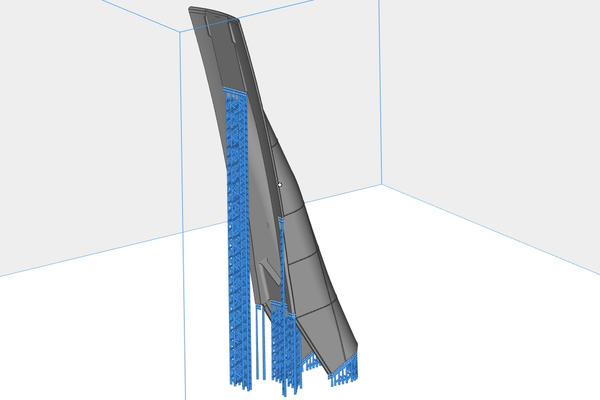
Support structures are essential for many 3D printing applications. They help maintain the shape of overhangs, bridges, and complex geometries during printing, preventing deformation or print failures. However, after printing, these supports need to be removed before parts can be used or moved to additional finishing processes.
While removing supports from open and accessible areas is usually straightforward, narrow gaps, deep cavities, and internal channels can create significant challenges. Limited access, poor visibility, and the risk of damaging delicate features can make support removal a time-consuming and costly process.
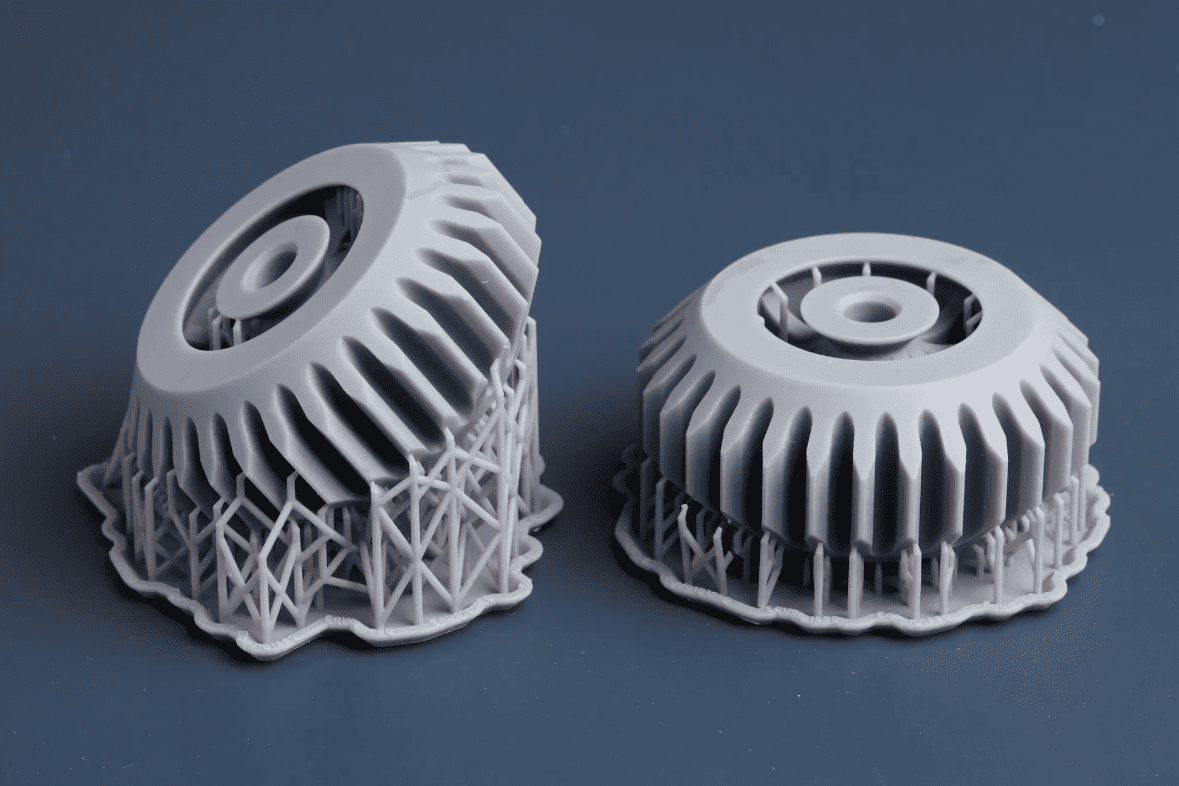
Image Source: Formlabs
Why Are Supports Difficult to Remove from Narrow Areas?
The main challenge with removing supports from narrow areas is accessibility. When support structures are located in tight spaces, operators may not have enough room to use common removal tools such as pliers, cutters, or abrasive tools. Even if the supports are physically reachable, removing them without affecting surrounding features can be difficult.
Limited Tool Access
Support removal often requires mechanical force, especially for technologies such as SLM metal 3D printing, where supports are printed from the same metal material as the part. In narrow areas, tools may not fit properly, making it difficult to cut, break, or grind away supports.
For example, internal channels, small openings, and enclosed cavities may prevent operators from reaching the support connection points. Applying too much force from an unsuitable angle can damage thin walls or small features around the support structures.
Poor Visibility During Post-Processing
Another challenge is that supports inside narrow areas are often difficult to inspect. Operators may not be able to clearly see whether all support materials have been removed, especially in deep holes or complex internal geometries.
Incomplete support removal can affect part performance. Remaining support fragments may interfere with assembly, fluid flow, movement of mechanical components, or the appearance of finished parts.
Risk of Damaging the Printed Part
Narrow features are often designed for specific functions, but they are also more vulnerable during post-processing. Thin walls, sharp edges, small tabs, and delicate structures can break if excessive force is applied during support removal.
How Narrow Areas Affect Support Removal Costs and Lead Times
Support removal is an important part of post-processing, and difficult-to-access areas can directly increase manufacturing costs and production time.
When supports are located in narrow areas, additional manual labor is often required. Operators may need to spend more time inspecting the part, selecting specialized tools, and carefully removing supports without damaging the final product.
Increased Labor and Processing Time
For simple geometries, support removal may only take a few minutes. However, parts with complex internal structures may require detailed manual processing. Operators may need to repeatedly check difficult areas to ensure all supports are removed properly.
This additional labor increases post-processing costs, especially for low-volume production or customized parts where automated removal methods are unavailable.
Higher Risk of Rework or Part Failure
Difficult support removal also increases the risk of part damage. If a critical feature breaks during post-processing, the entire part may need to be reprinted. This creates additional material costs, production delays, and engineering time.
For example, a metal 3D printed component with internal channels may require careful support removal to maintain dimensional accuracy. If the channel surface is damaged, additional machining or finishing steps may be needed.
Impact on 3D Printing Quotes and Delivery Time
When requesting a 3D printing quote, support accessibility is one factor that can affect pricing. Parts requiring extensive manual support removal usually involve higher post-processing costs compared with parts where supports are easy to access.
Lead times may also increase because complex support removal requires additional inspection and finishing time before shipment.
Common geometries that may increase support removal difficulty include deep holes and narrow channels, enclosed cavities, internal lattice structures, small gaps between moving components, and complex overhangs inside assemblies.
Design Considerations to Improve Support Accessibility
Increase Clearance Between Features
Extremely narrow gaps can trap support structures and make removal difficult. Increasing the distance between nearby features provides more space for tools and improves operator access.
For functional parts, designers should balance compactness with manufacturability. A small increase in clearance can greatly simplify support removal without affecting part performance.
Avoid Unnecessary Internal Supports
Designing features that require fewer supports can reduce post-processing work. For example, adjusting overhang angles, modifying wall geometry, or changing part orientation may help minimize support generation.
Reducing unnecessary supports not only lowers removal difficulty but can also decrease material usage and printing costs.
Consider Support Removal During Part Design
Support removal should be considered as early as the design stage, rather than after printing. Engineers should evaluate whether operators can access support locations and whether critical surfaces may be affected during removal.
When designing complex parts, it is helpful to discuss manufacturing requirements with a 3D printing service provider. Experienced engineers can recommend suitable orientations, printing technologies, and support strategies to improve production efficiency.
Choose the Right Manufacturing Approach
In some cases, changing the production method can reduce support-related challenges. Different technologies have different limitations regarding support structures.
For example, SLA may be suitable for detailed resin parts with accessible support locations, while SLM may require more careful planning due to stronger metal supports. Selecting the right process based on part geometry can help achieve better results.
Support structures are necessary for many 3D printed parts, but removing them from narrow areas can create additional challenges in manufacturing. Limited access, reduced visibility, and the risk of part damage can increase post-processing costs and extend lead times.
 0
0


COMMENTS
- Be the first to share your thoughts!