 English
  日本語
日本語  Deutsch


3D Printed Jewelry Can Be More Than Raw Metal
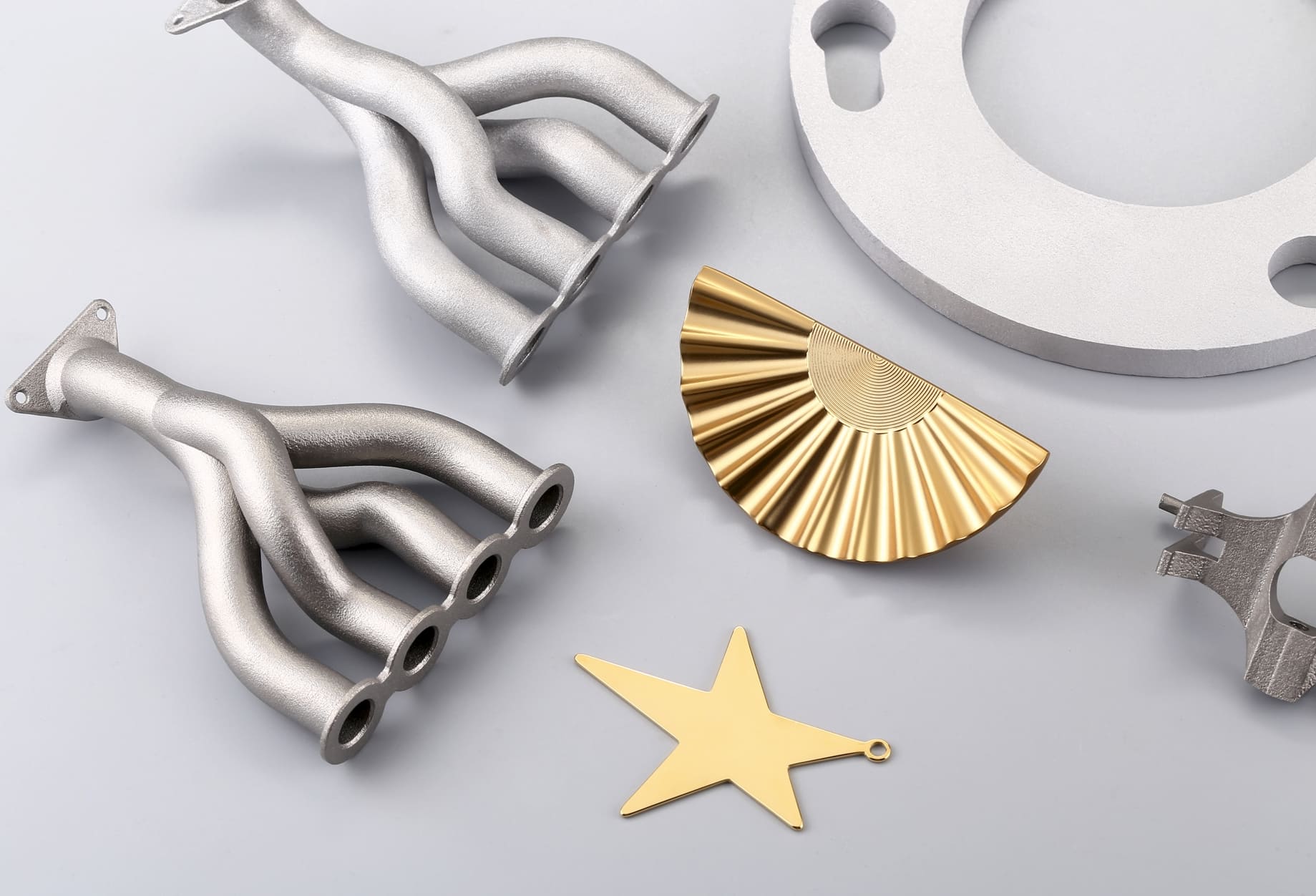
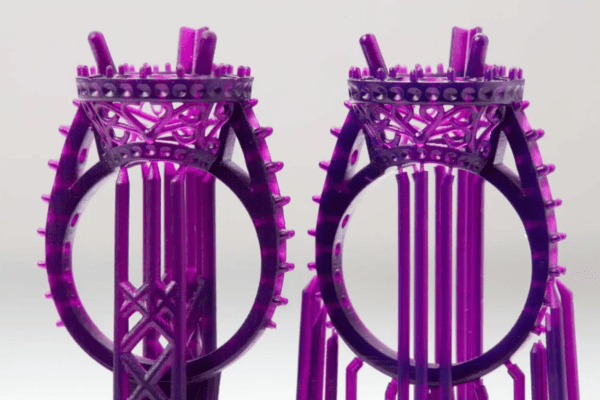
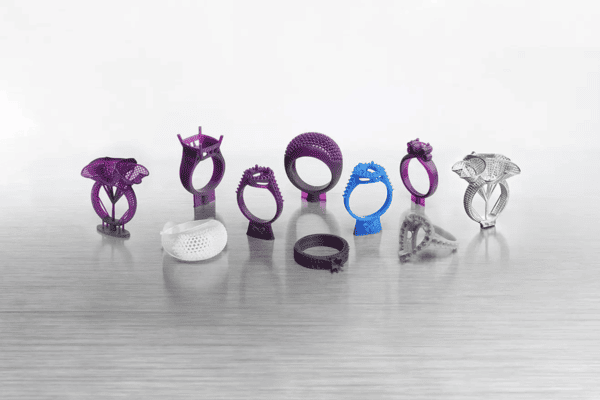
3D printed jewelry is not limited to the appearance of the metal straight off the printer. After printing, post-processing can change the color, gloss, texture, and overall character of a piece, turning a raw metal component into polished, colorful, or highly decorative jewelry.
For metal 3D printing, the as-printed surface may be relatively rough or grainy, particularly with powder-based processes such as Selective Laser Melting (SLM). Surface preparation therefore plays an important role in the final appearance.
It is also useful to distinguish color from metal finishing. Color refers to the visible hue of the jewelry, while metal finishing includes processes that change surface gloss, texture, reflectivity, or metallic appearance. In practice, the final look often comes from a combination of both.
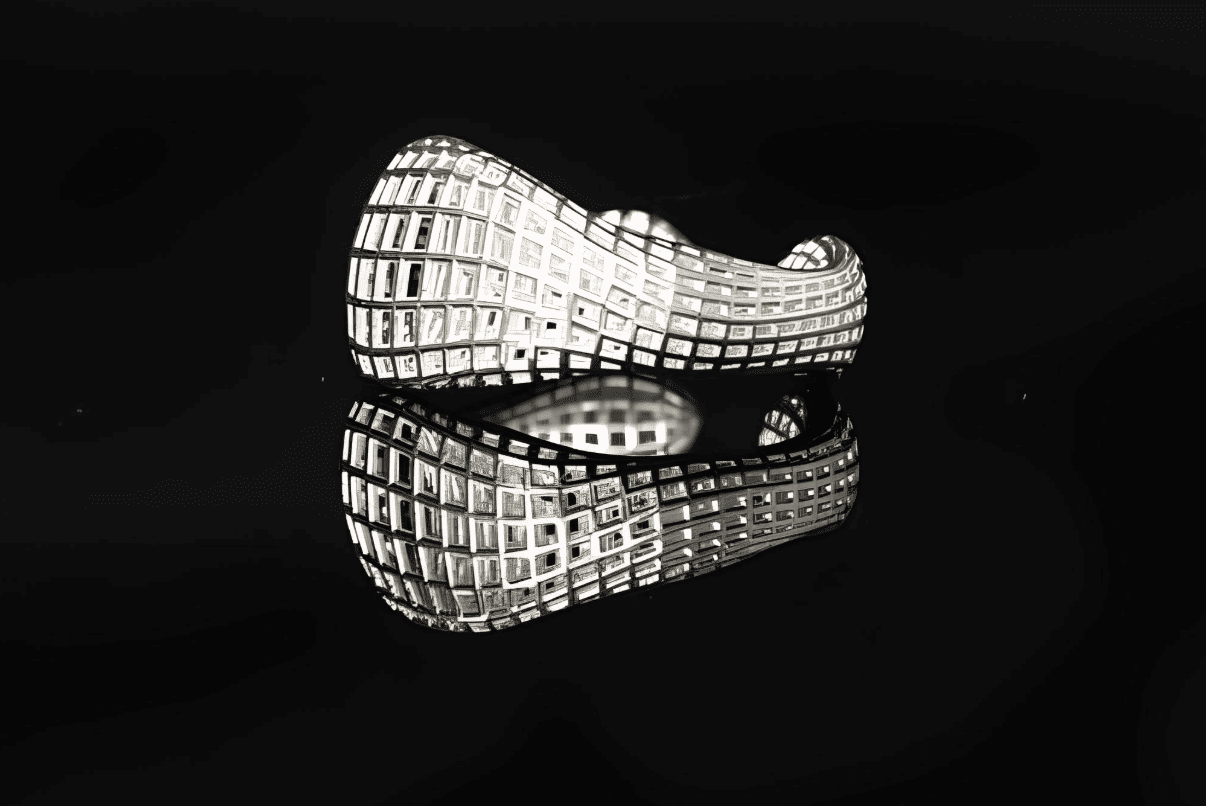
Image Copyright © 3DSPRO. All rights reserved.
How Can 3D Printed Jewelry Be Colored?
Spray Painting
Spray painting applies a colored coating to the surface. It offers one of the widest ranges of color options and is useful when the priority is a specific color rather than a natural metal appearance. 3DSPRO's spray painting service supports color matching based on Pantone references and can produce different visual effects such as matte, satin, or glossy surfaces.
For example, a 3D printed metal pendant can be finished in black, red, blue, or a gold-colored coating. However, painted gold should be understood as a gold-colored surface, not the same thing as a genuine gold metallic coating.
Electroplating
Electroplating deposits a thin metal layer onto the surface through an electrochemical process. It is widely used when the goal is a genuine metallic appearance rather than simply adding color. Gold, silver, nickel, copper, and other metal coatings can provide different visual effects.
For jewelry, electroplating can create a bright gold or silver appearance while also changing the surface character of the printed substrate.
PVD
Physical Vapor Deposition (PVD) forms a thin coating on the surface in a vacuum environment. Depending on the coating system, PVD can produce decorative colors such as gold or black while retaining a distinctly metallic appearance.
PVD is technically relevant to decorative jewelry finishing, but it should not automatically be treated as a standard service for every 3D printing provider. Material compatibility, surface preparation, and actual service availability all need to be confirmed.
Titanium Anodizing for Colorful Jewelry
Titanium anodizing is particularly interesting for colorful jewelry because it can produce vibrant colors while maintaining the visual character of titanium.
Unlike painting, anodizing does not simply apply a conventional colored paint layer. An electrochemical process changes the oxide layer on the titanium surface, and the resulting color is related to optical interference within that oxide layer.
Depending on the process conditions, titanium can produce colors such as blue, purple, gold, and other vivid tones. This makes anodizing attractive for jewelry that needs both color and metallic appearance.
However, titanium anodizing should not be confused with aluminum anodizing. The processes and resulting color mechanisms are material-specific. When ordering 3D printed titanium jewelry, the exact alloy and available finishing process should therefore be confirmed before production.
Metal Finishing That Changes Jewelry Appearance Without Adding Color
Polishing
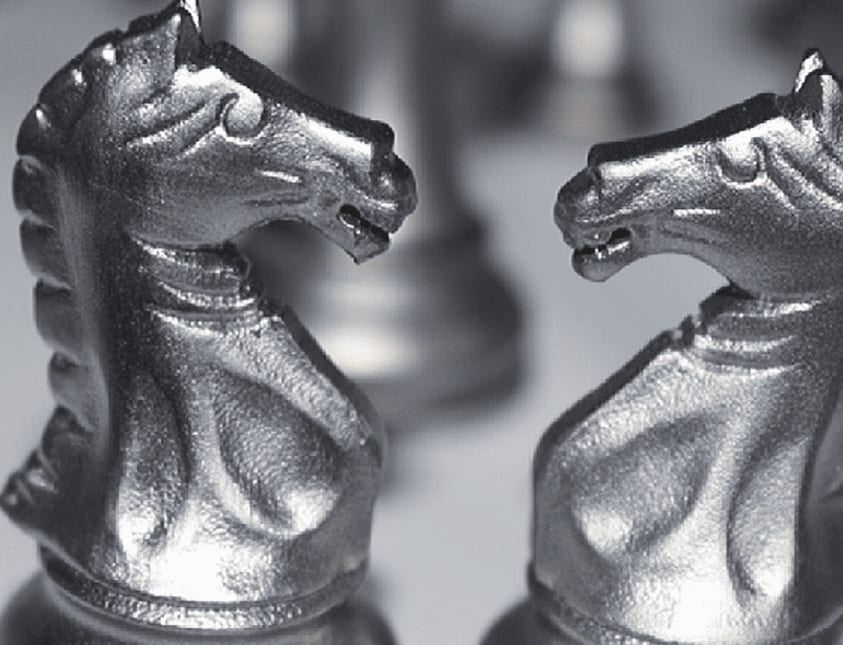
Polishing smooths the surface and increases its reflectivity. It can turn a relatively dull metal surface into a bright, highly reflective, or mirror-like finish.
For jewelry, polishing is particularly useful when a silver-toned or other metallic piece needs a brighter and more refined appearance. However, the achievable result depends on the original surface condition, geometry, and accessibility of the areas being polished.
Magnetic Polishing
Magnetic polishing, also known as magnetic abrasive finishing, uses magnetic force to move fine abrasive media across the surface of a metal part. It is particularly useful for small or intricate components where conventional polishing tools may have difficulty reaching narrow gaps, edges, or other hard-to-access areas.
For 3D printed jewelry with complex geometries, magnetic polishing can help smooth and refine accessible surfaces while producing a more consistent finish. It is primarily a surface-finishing process rather than a coloring process, so it is typically used to improve smoothness and surface appearance rather than change the base color.
Bead Blasting and Sandblasting
Bead blasting and sandblasting create a more uniform, low-reflection surface. Instead of a bright, mirror-like appearance, the result can be matte or satin.
These processes can also be used to prepare the surface for subsequent coatings or treatments. The final appearance depends on the blasting media, process parameters, and base material.
Therefore, even without changing the basic color, polishing, magnetic polishing, and blasting can significantly change how the same 3D printed jewelry design looks and feels.
Technically Possible vs. Currently Available
One of the most important considerations when choosing a finishing option is that technical possibility and service availability are not the same thing.
A process may be technically suitable for a particular metal but not offered as a standard option by a specific supplier. For example, 3DSPRO lists spray painting, electroplating, anodizing, polishing, bead blasting, sandblasting, and other 3D Plus™ finishing services.
PVD, however, is not listed among the standard services on the current 3D Plus™ service. Therefore, customers should not assume that a technically possible PVD finish is automatically available for a 3D printed jewelry order. The same principle applies to specialized titanium anodizing: the suitability and availability should be confirmed for the specific alloy and project.
This distinction helps avoid a common misunderstanding: “can be achieved in manufacturing” does not always mean “can be selected as an available online finishing option.”
3D Printed Jewelry Color and Finish Examples
|
Desired Jewelry Appearance |
Recommended Process |
Main Characteristic |
Key Consideration |
|
Gold-colored jewelry |
Spray painting |
Wide color flexibility |
More decorative than truly metallic |
|
Metallic gold jewelry |
Electroplating |
Real metal coating and strong metallic appearance |
Surface preparation is important |
|
Silver / bright metal |
Polishing or electroplating |
Bright and reflective |
Final gloss depends on surface preparation |
|
Matte black jewelry |
Spray painting or suitable coating |
Deep, controlled color |
Coating type affects durability and gloss |
|
Dark metallic jewelry |
PVD |
Thin decorative metallic coating |
Availability must be confirmed |
|
Blue or purple titanium jewelry |
Titanium anodizing |
Vibrant color with metallic appearance |
Suitable titanium alloy required |
|
Matte or satin metal |
Bead blasting / sandblasting |
Soft, low-reflection texture |
Changes texture more than color |
|
Mirror-like metal |
Polishing |
High reflectivity |
Original surface quality affects the result |
When choosing a finish, start with the desired appearance, not the process name. Decide whether you want colorful jewelry, a realistic metallic look, a glossy surface, or a soft matte texture. Then consider the base metal, surface condition, durability requirements, and actual service availability.
For custom 3D printed jewelry, it is also useful to provide a clear color reference rather than simply requesting “gold” or “blue.” A physical sample, image reference, or Pantone specification can make the intended result easier to communicate. 3DSPRO supports Pantone-based color selection for its spray painting service.
Ultimately, 3D printed jewelry can achieve much more than the raw appearance of printed metal. With the right combination of color and metal finishing, the same design can become polished, matte, metallic, black, gold-colored, or vividly colorful. The key is to match the desired visual effect with the appropriate finishing process, and then confirm that the chosen process is compatible with the material and actually available for your project.
 0
0


COMMENTS
- Be the first to share your thoughts!