 English
  日本語
日本語  Deutsch


As industries continue to demand lighter, stronger, and more heat-resistant components, high-performance thermoplastics have become increasingly important in 3D printing. Among these advanced materials, PEEK (Polyether Ether Ketone) stands out as one of the most capable engineering plastics available for 3D printing.
Known for its exceptional thermal stability, chemical resistance, and mechanical strength, PEEK can replace certain metal components in demanding applications. However, its outstanding performance also comes with unique processing requirements and higher costs compared with standard 3D printing materials.
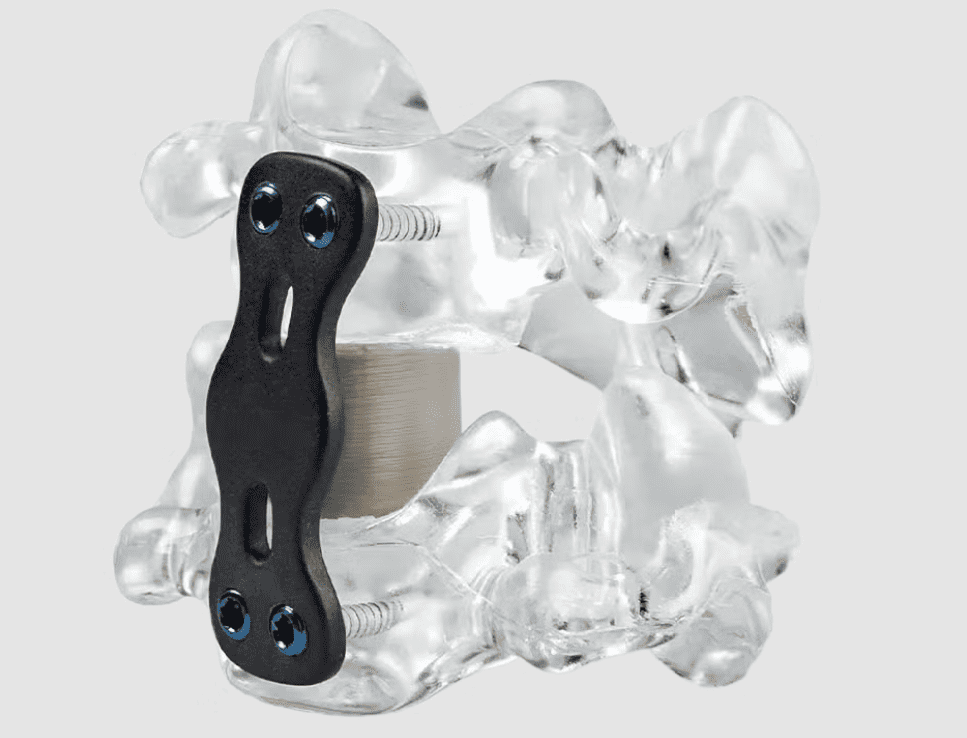
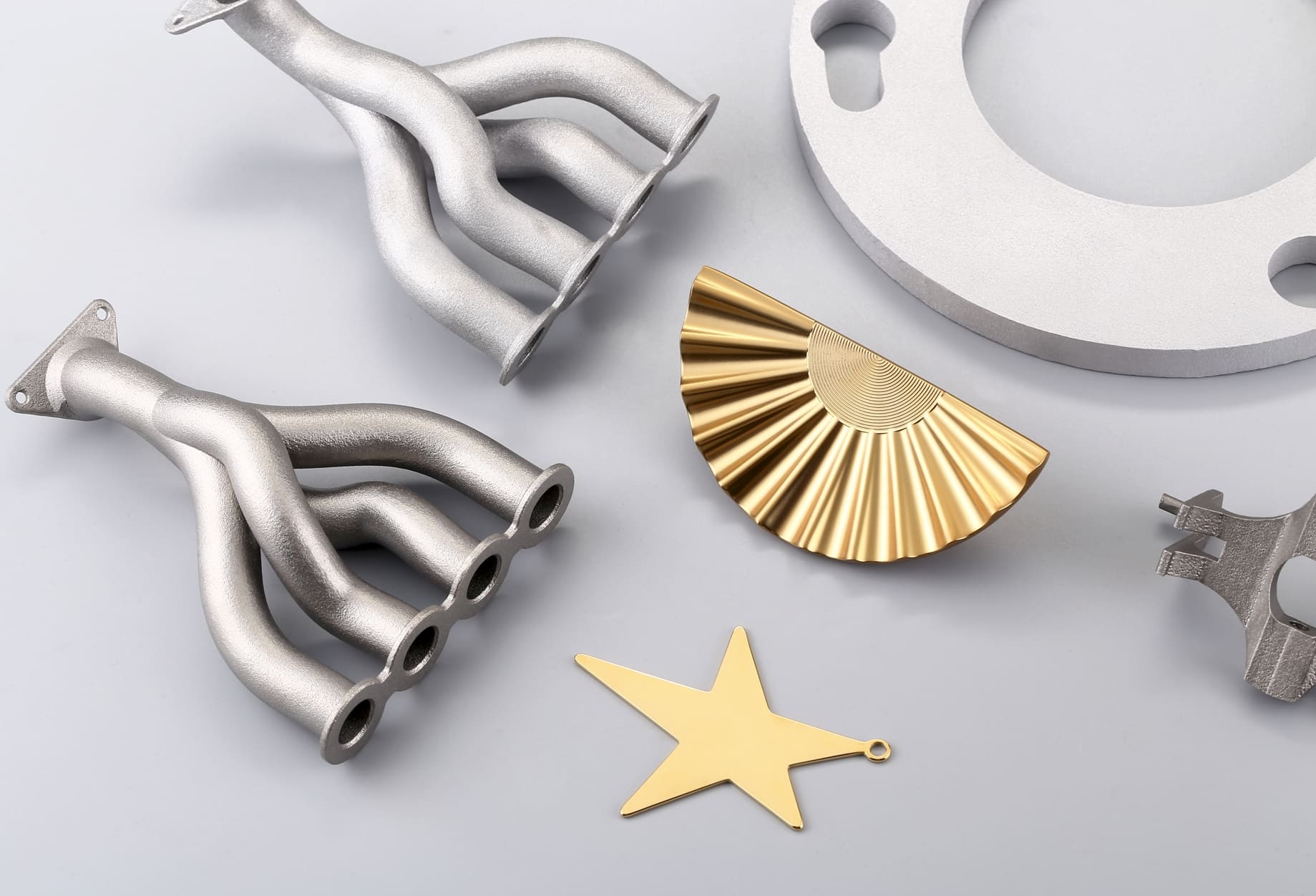
Image Source: 3D Systems
What Is PEEK?
PEEK (Polyether Ether Ketone) is a high-performance semi-crystalline thermoplastic belonging to the polyaryletherketone (PAEK) family. It is widely used in aerospace, automotive, medical, and industrial applications where traditional plastics cannot withstand extreme conditions.
Compared with common 3D printing materials such as PLA, ABS, or standard nylon, PEEK offers significantly higher temperature resistance and mechanical performance. It can maintain its properties under continuous exposure to high temperatures, aggressive chemicals, and mechanical stress.
PEEK is often selected as a lightweight alternative to metals such as aluminum or stainless steel. While it does not match metals in every mechanical category, its lower density, corrosion resistance, and design flexibility make it valuable for specialized applications.
For 3D printing, PEEK is mainly processed through high-temperature extrusion-based 3D printing methods. Due to its demanding processing requirements, it is typically used for functional parts rather than general-purpose prototypes.
Key Properties of 3D Printed PEEK
Excellent Heat Resistance
One of PEEK’s most notable advantages is its ability to withstand high temperatures. It has a continuous service temperature of approximately 250°C and a melting temperature above 340°C, which makes PEEK suitable for applications exposed to elevated temperatures where standard thermoplastics would soften, deform, or lose mechanical strength.
High Mechanical Strength
PEEK provides excellent tensile strength, stiffness, and fatigue resistance. Properly printed PEEK parts can maintain their mechanical properties even after long-term exposure to demanding operating conditions. For applications requiring repeated loading, vibration resistance, or structural performance, PEEK can outperform many conventional engineering plastics.
Outstanding Chemical Resistance
PEEK is highly resistant to many chemicals, including fuels, oils, solvents, and acids. This property allows it to perform reliably in harsh industrial environments. Unlike some plastics that degrade or become brittle after chemical exposure, PEEK maintains its stability in challenging conditions.
Excellent Wear and Friction Performance
PEEK has naturally low friction and good wear resistance, making it suitable for moving components such as bushings, seals, bearings, and other mechanical parts.
Electrical Insulation Properties
PEEK provides excellent electrical insulation and maintains stable performance across a wide temperature range. This makes it useful for electrical and electronic applications where reliability is critical.
PEEK 3D Printing Technologies
FDM/FFF 3D Printing
Fused Deposition Modeling (FDM), also known as Fused Filament Fabrication (FFF), is currently one of the most common methods for 3D printing PEEK.
Unlike standard FDM printing, PEEK requires specialized equipment, including:
• High-temperature extruders capable of reaching over 400°C
• Heated build chambers
• Heated build platforms
• Precise temperature control
These requirements help reduce warping and improve layer bonding. FDM PEEK printing is widely used for producing strong functional parts and customized components.
SLS 3D Printing
Selective Laser Sintering (SLS) uses a laser to fuse PEEK powder layer by layer. Since it does not require traditional support structures, SLS can produce complex geometries with greater design freedom.
SLS PEEK parts can achieve good mechanical performance and are suitable for applications requiring intricate designs. However, PEEK powder processing requires specialized equipment and careful control of temperature conditions.
Advanced PEEK Composite Printing
To further improve performance, PEEK can be reinforced with materials such as carbon fiber or glass fiber. These composites provide higher stiffness, improved dimensional stability, and better mechanical properties for demanding applications.
Challenges of 3D Printing PEEK
Although PEEK offers excellent performance, printing it successfully requires advanced manufacturing capabilities.
High Printing Temperature Requirements
PEEK has a very high melting temperature compared with common thermoplastics. Without suitable equipment, poor layer adhesion, deformation, or incomplete printing may occur.
Warping and Shrinkage
Because PEEK is semi-crystalline, it experiences significant shrinkage during cooling. Managing crystallization and thermal conditions is essential to achieve accurate dimensions.
Higher Material Cost
PEEK is considerably more expensive than commonly used 3D printing plastics such as PLA, ABS, or nylon. The specialized equipment and processing requirements also contribute to higher production costs.
Limited Availability
Not every 3D printing service provider can process PEEK. Manufacturers need specialized machines, experienced operators, and strict process control to produce reliable parts.
Post-Processing Considerations
PEEK parts may require additional finishing or machining operations depending on application requirements. Maintaining dimensional accuracy after processing requires careful planning.
Common Applications of PEEK
Due to its unique combination of strength, temperature resistance, and chemical stability, PEEK is used in many demanding industries.
Aerospace Components
PEEK is used for lightweight aerospace components, brackets, clips, and insulation parts where reducing weight while maintaining performance is important.
Automotive Parts
In automotive applications, PEEK can replace metal components exposed to heat, chemicals, and mechanical stress, such as engine-related parts and under-the-hood components.
Medical Devices
Medical-grade PEEK is widely used in healthcare applications due to its biocompatibility and sterilization resistance. It is commonly found in surgical instruments, medical devices, and implant-related applications.
Industrial Equipment
PEEK is suitable for gears, seals, bearings, and other mechanical components that require wear resistance and long service life.
Electrical and Semiconductor Applications
Because of its electrical insulation properties and thermal stability, PEEK is used in components for electronics manufacturing and semiconductor equipment.
Alternatives to PEEK for 3D Printing
Although PEEK provides outstanding performance, it may not always be the most practical choice. Depending on application requirements, several alternative materials may offer a better balance between performance and cost.
PEI, commonly known by the brand name ULTEM, provides excellent temperature resistance and mechanical strength at a lower cost than PEEK. It is often considered when high performance is required, but PEEK-level properties are unnecessary.
PPS
Polyphenylene Sulfide (PPS) offers excellent chemical resistance and dimensional stability. It is suitable for applications involving harsh chemicals and elevated temperatures.
Carbon fiber reinforced nylon provides improved stiffness and strength compared with standard nylon while remaining more affordable and easier to process than PEEK.
High-Temperature Engineering Plastics
Materials such as high-temperature PC and specialized polymer blends may be suitable for applications requiring moderate heat resistance without the cost and complexity of PEEK.
When selecting a material, consider operating temperature, mechanical requirements, chemical exposure, production volume, and budget. The highest-performance material is not always the most cost-effective solution.
 0
0


COMMENTS
- Be the first to share your thoughts!