 English
 日本語
 Deutsch


Computer numerical control (CNC) machining removes material from a workpiece using programmed tool paths. CNC milling, CNC turning, and CNC routing all rely on computer-controlled equipment, but they differ in how the workpiece and cutting tool move, the parts they are designed to produce, and the materials they commonly process. Understanding these differences helps engineers choose an appropriate process for a part’s geometry, material, and production requirements.
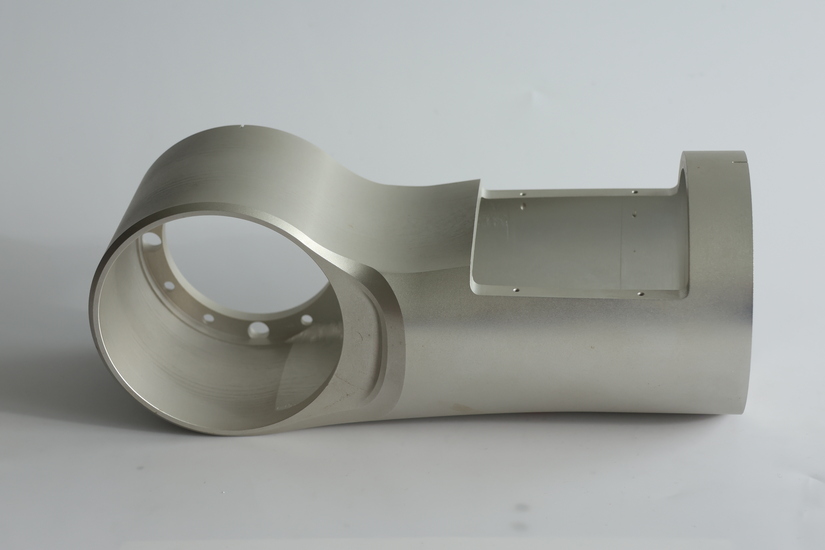
Image Copyright © 3DSPRO. All rights reserved.
CNC Milling
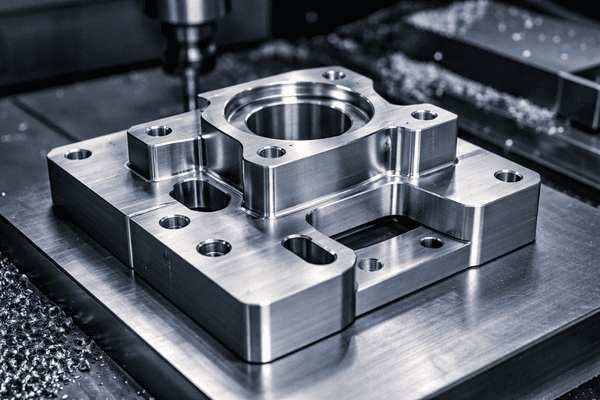
CNC milling uses a rotating, multi-point cutting tool to remove material from a workpiece held on a machine table or fixture. The machine moves the tool, the workpiece, or both along programmed axes to create the required geometry. Depending on the machine, milling can use three, four, or five axes of motion.
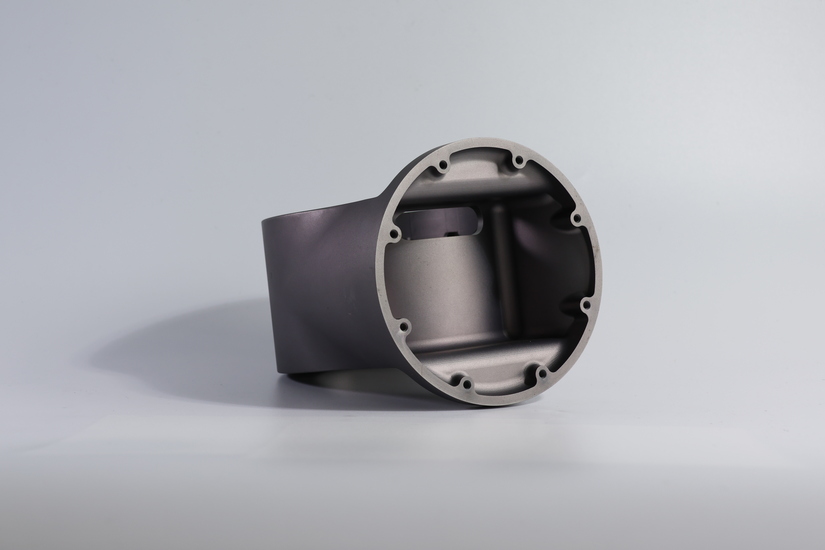
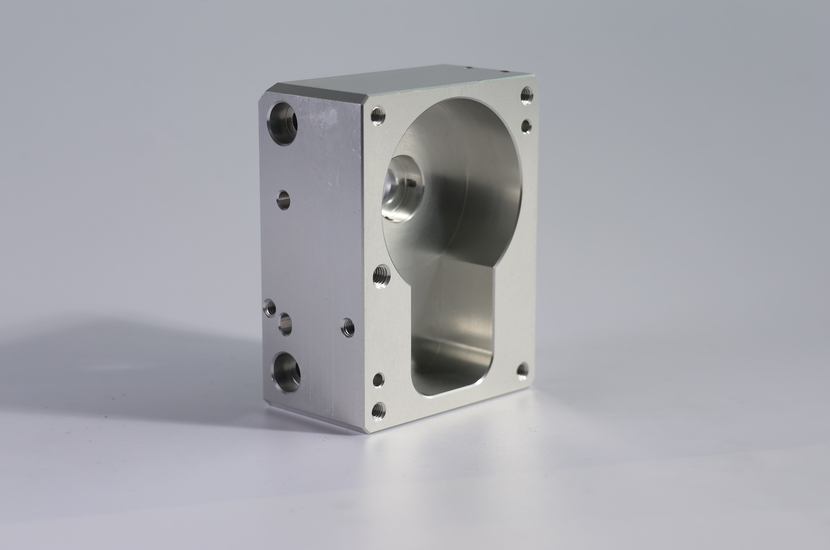
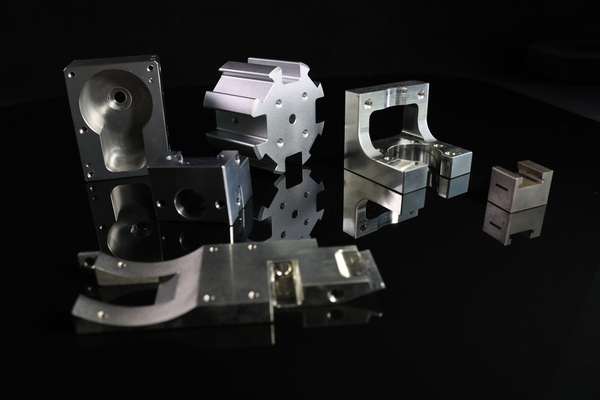
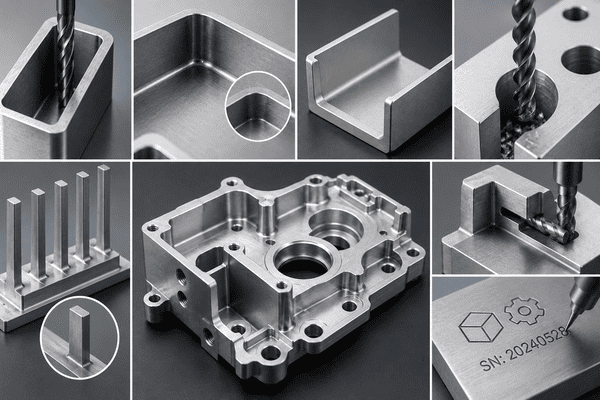
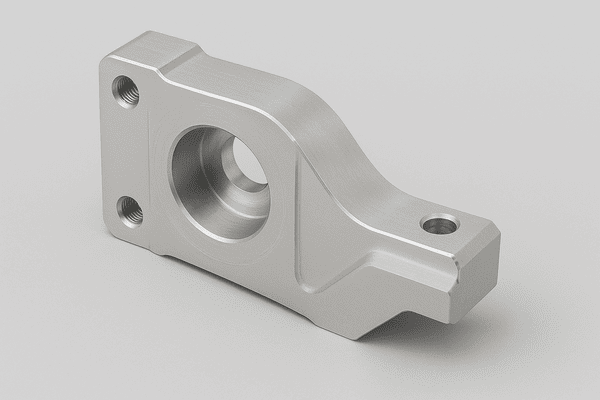
CNC milling process is suitable for parts with flat surfaces, pockets, slots, holes, contours, and more complex three-dimensional features. Common examples include brackets, machine components, housings, mounting plates, and mold components. It is widely used with metals such as aluminum, steel, brass, and titanium, as well as engineering plastics.
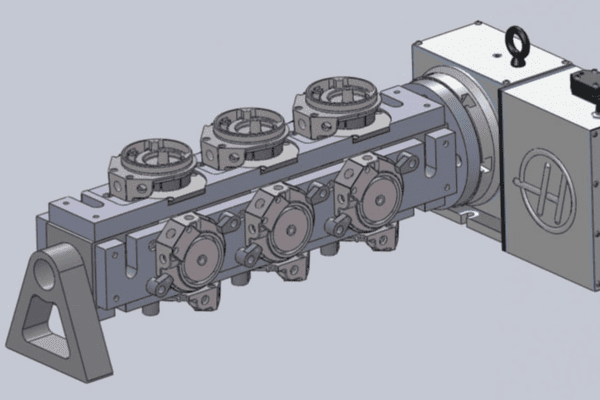
The machine’s rigidity, spindle capability, cutting tools, workholding, and number of axes affect what can be produced. Multi-axis milling can reach features from different directions and machine more complex surfaces, sometimes reducing the need for multiple setups. However, deep cavities, thin walls, and difficult-to-reach features still require careful design and process planning.
CNC Turning
CNC turning removes material by rotating the workpiece against a cutting tool. The workpiece is typically held in a chuck or collet and spun by the spindle, while a usually single-point tool moves along the part to produce the programmed shape. This operation is performed on a CNC lathe or turning center.
Turning is especially effective for rotationally symmetrical components, including shafts, pins, bushings, sleeves, collars, and threaded parts. It can create outside diameters, internal bores, grooves, tapers, and facing surfaces. Depending on the machine and tooling, turning centers may also perform drilling, tapping, and milling operations.
Metals and machinable plastics can both be turned. The process is often a practical choice when a part’s main features are concentric or cylindrical because the workpiece’s rotation generates those surfaces efficiently. Parts with substantial non-round features may need additional milling, live-tool operations, or a separate machining setup.
CNC Routing
CNC routing uses a high-speed rotating cutting tool, commonly called a router bit, to cut or shape material along programmed paths. The workpiece is usually secured to a table, while the spindle and cutting tool move across it. Many CNC routers use a gantry-style structure and are designed to process sheets, panels, and relatively large workpieces.
Routing is commonly used for wood, plastics, foam, and composite materials. Depending on the router’s construction, tooling, and workholding, some machines can also process non-ferrous metals such as aluminum. Typical applications include signs, furniture components, plastic panels, templates, and enclosure panels. CNC routers can cut profiles, openings, and pockets, and can also create selected three-dimensional contours or relief features.
CNC routing and milling share the same basic principle: a rotating tool removes material from a secured workpiece. In many manufacturing environments, the distinction is practical rather than absolute. CNC routers are often optimized for larger work areas, high-speed cutting, and sheet or panel processing, while conventional CNC milling machines are generally built with greater rigidity for a wider range of precision machining tasks, particularly in metals. Actual capabilities vary by machine.
Key Differences Between CNC Milling, CNC Turning, and CNC Routing
|
Comparison Factor |
CNC Milling |
CNC Turning |
CNC Routing |
|
Primary motion |
Rotating cutting tool moves relative to the workpiece |
Workpiece rotates against the cutting tool |
High-speed rotating router bit moves relative to the workpiece |
|
Typical part geometry |
Prismatic parts, pockets, slots, and 3D contours |
Cylindrical and rotationally symmetrical parts |
Sheets, panels, profiles, and selected 3D contours |
|
Common materials |
Metals and engineering plastics |
Metals and machinable plastics |
Wood, plastics, foam, composites, and some non-ferrous metals |
|
Typical equipment |
CNC milling machine or machining center |
CNC lathe or turning center |
CNC router |
|
Typical applications |
Brackets, housings, plates, and precision components |
Shafts, bushings, pins, and threaded components |
Panels, signs, furniture parts, and templates |
The main difference is the relationship between the cutting tool and the workpiece. In milling and routing, the tool rotates and travels along the workpiece. In turning, the workpiece rotates while the cutting tool engages it. Milling and routing therefore suit many prismatic, flat, or contoured features, while turning is particularly suited to round, concentric geometry.
How to Choose Between CNC Milling, CNC Turning, and CNC Routing?
Start with the part’s geometry.
✅ If the component is mainly cylindrical or has concentric diameters, grooves, or threads, CNC turning is often a suitable starting point.
✅ If it contains pockets, slots, precise holes, flat faces, or complex three-dimensional features, CNC milling may be more appropriate.
✅ For large sheet-based parts, cutout profiles, and panel components, CNC routing may offer an efficient solution.
Next, consider the material and the machine’s capabilities. A process that works well for wood or plastic panels may not be suitable for a thick steel component. Confirm that the machine has the required rigidity, spindle capacity, cutting tools, and workholding for the material and stock size. Routing non-ferrous metal, for example, depends on having a router and tooling designed for that operation.
Precision and surface-finish requirements also matter. Review critical dimensions, tolerances, surface finishes, and feature accessibility before choosing a process. Do not assume that one process always delivers a particular tolerance or finish; results depend on the equipment, material, geometry, setup, and inspection requirements.
Finally, consider part size, quantity, setup complexity, and total manufacturing cost. Some components require more than one process. A turned shaft may need milled flats or cross-holes, while a milled housing may include turned features. Combining operations can be the most practical way to produce a part accurately and efficiently.
CNC Machining Services at 3DSPRO
Selecting a CNC process involves more than matching a part to a machine category. Material, geometry, tolerances, surface requirements, and production quantity all influence the manufacturing plan.
3DSPRO provides CNC machining services that include CNC milling, CNC turning, CNC routing, precision machining, and large-part machining. Share your 3D CAD model and engineering requirements to begin the quotation process. Our Customer Success Team can review the project details and help identify a suitable manufacturing approach for your parts. Whether you need a machined metal component, a turned cylindrical part, or a routed panel, choosing the process according to the part’s actual requirements helps balance manufacturability, quality, and cost.
 0


COMMENTS
- Be the first to share your thoughts!