English
 日本語
 Deutsch


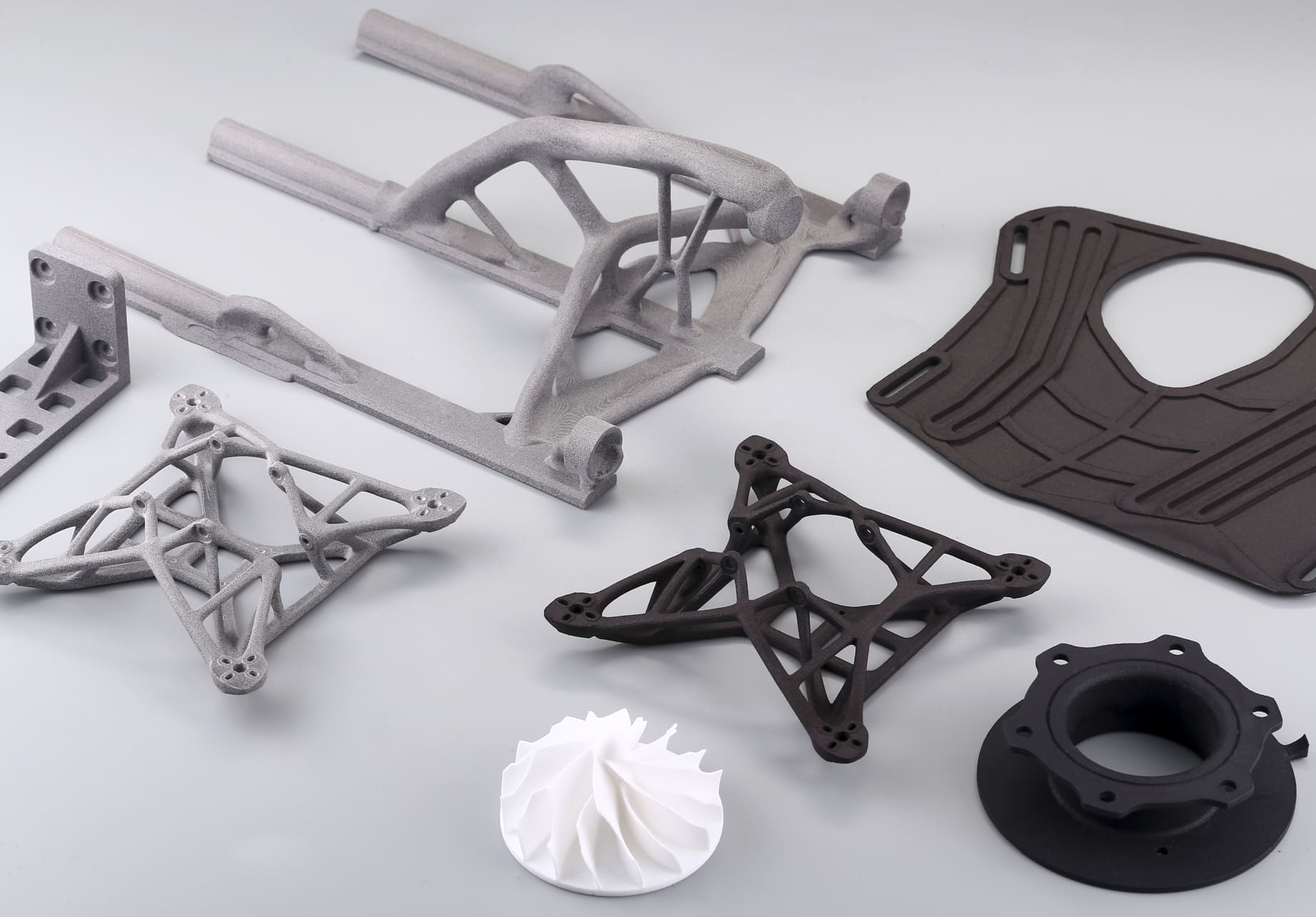
Black is a popular finish for SLS PA 12 parts used in product housings, electronic enclosures, fixtures, and other visible components. However, parts made from the same material designation do not always look identical. Slight differences in shade can appear between machines, build jobs, or production batches. These variations may be acceptable for internal functional parts, but they become more noticeable when components sit side by side or form part of a finished product.
For applications where appearance matters, black dyeing is a practical post-processing option. It adds color after printing and can help reduce the visual differences caused by variations in the original part surface.
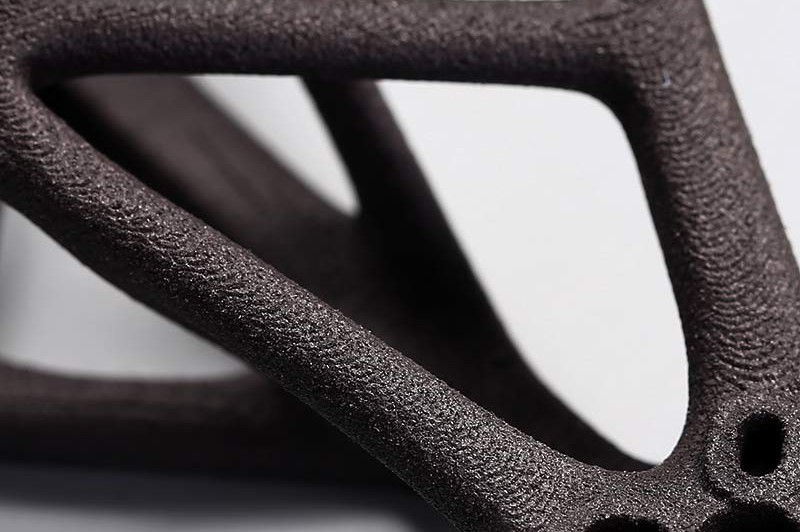
Image Copyright © 3DSPRO. All rights reserved.
Why Black SLS PA 12 Parts May Have Different Shades
SLS uses a laser to fuse polymer powder layer by layer. The final appearance depends on more than the material name printed on a datasheet. Different machines, powder systems, build conditions, and finishing steps can produce subtle changes in surface color and texture.
Machine and process conditions. Equipment may differ in temperature control, laser settings, calibration, and powder management. These factors influence the thermal history of the powder and the surface condition of the finished part. When parts are produced on different machines or in separate build jobs, the base shade may not be perfectly identical. This does not automatically indicate a defect or a change in mechanical performance; it is primarily an appearance consideration.
Material and powder variation. PA 12 powders can differ by supplier, grade, formulation, and production batch. Powder refresh ratios and reuse history may also affect the starting material condition. If the base powder color or its processing history changes, the printed parts may show differences in their natural shade. It is therefore important to compare parts made with the same material grade and a controlled powder supply when color is critical.
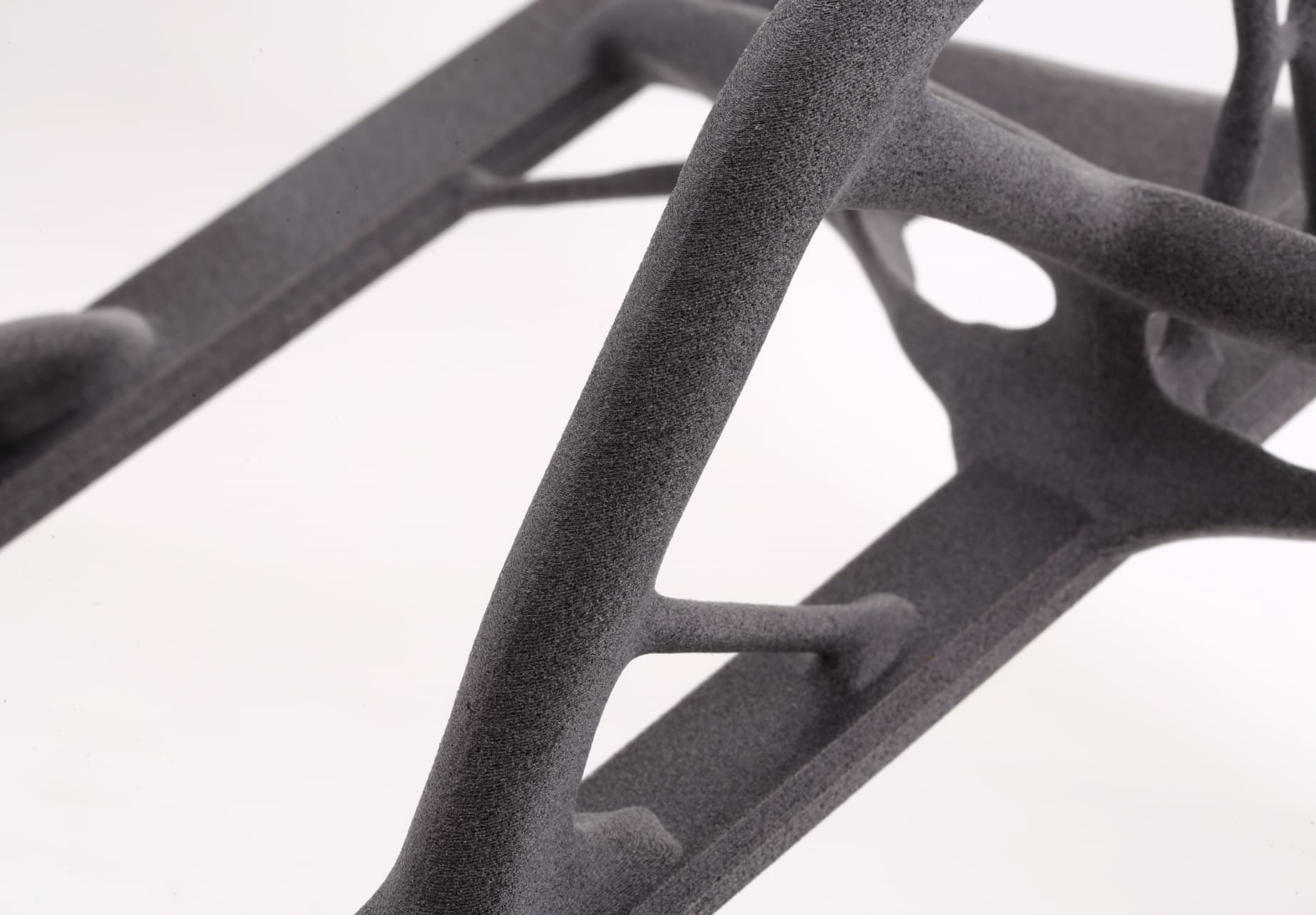
Surface texture and finishing. SLS parts typically have a matte, slightly grainy surface. Differences in blasting, polishing, cleaning, or other finishing operations can change how the surface reflects light. Two parts with similar pigments may consequently appear to have different shades or levels of darkness. Deep recesses and complex geometries can also be harder to finish uniformly.
These variables can overlap. Color differences should not be attributed to the printer alone without checking the material, build, and finishing history.
How Black Dyeing Works for SLS PA 12 Parts
Black dyeing is a post-processing method in which a printed part is immersed in a heated dye solution. Nylon is suitable for this process because the dye can penetrate its outer surface rather than forming only a separate film on top. The result is a colored surface that generally retains the part's original dimensions more effectively than a thick paint layer.
A typical workflow includes several steps:
1. Cleaning and preparation: Loose powder and surface residue are removed. This step is important because remaining powder can absorb dye differently and create uneven patches.
2. Dye-bath preparation: The dye solution is prepared for the selected nylon grade. Temperature, dye concentration, and bath conditions need to be controlled.
3. Immersion: Parts are submerged for a controlled period. Time, temperature, and solution circulation influence color depth and uniformity.
4. Rinsing and drying: Excess dye is washed away, and parts are dried thoroughly to reduce the risk of stains or residue.
The starting color of the PA 12 matters. A white or light base and a gray or dark base will not produce the same black under identical dyeing conditions. A darker substrate may make it easier to reach a deep black, while a light substrate can require more careful process development. For this reason, the material grade and dyeing route should be confirmed together rather than treating PA 12 as a single universal color base.
Dyeing is also different from spray painting. Paint forms a coating on the surface, while dye penetrates the outer material layer. Dyeing is less likely to chip or flake like a surface coating and is useful for coloring complex shapes. However, it is not a guarantee of perfect color matching, and it does not create a glossy finish by itself.
Black Dyeing Improves Color Consistency
The main advantage of black dyeing is that it provides a controlled finishing step after printing. Instead of relying only on the initial shade produced by each machine or build, the parts go through a common coloring process. This can reduce visible differences in the base material and create a more unified appearance across a batch.
For multi-part assemblies, this is especially useful. A product may contain several covers, brackets, clips, or internal components that are visible after assembly. If these parts are printed in separate jobs, even small shade differences can become obvious when they are installed next to one another. Applying the same dyeing specification and, where practical, processing matching components in the same batch helps improve visual consistency.
Dyeing can also color recessed details and complex geometries that may be difficult to cover evenly with spray painting. Because it does not rely on building up a thick coating, it is generally suitable for parts with fine details and dimensional interfaces. Nevertheless, designers should avoid assuming every internal channel or tight cavity will receive exactly the same amount of dye. Geometry, drainage, surface condition, and solution circulation can affect the result.
For the best outcome, standardize the material grade, surface preparation, dye type, bath conditions, and inspection criteria. If color matching is important, evaluate a physical sample under consistent lighting before approving production. For repeat orders, retain an approved reference sample and communicate the acceptable shade range to the supplier. A digital image or screen color alone is not a reliable color standard.
SLS 3D Printing + Dyeing Service at 3DSPRO
3DSPRO provides SLS 3D printing with Nylon PA 12 Black options and offers dyeing as part of its 3D Plus™ post-processing services. Customers can consider material selection and surface finishing as part of one manufacturing plan.
For parts with cosmetic requirements, customers can share the intended color, the visible surfaces, and whether multiple components must match. It is also helpful to identify which parts will be produced together and whether future batches need to match the first order. These details help the manufacturing team assess the material and finishing route and recommend whether a sample or additional color approval step is needed.
Our dyeing quality checks include visual inspection for color consistency, dimensional measurement, flatness and warpage checks, foreign-object-debris inspection, and color-fastness evaluation. These checks help assess both appearance and the condition of the finished parts. For demanding applications, the acceptance criteria should be agreed upon before production rather than relying on the phrase black alone.
When black is a key part of the product's appearance, specify it as a finish requirement, not just a material color. Combining SLS PA 12 printing with a controlled black-dyeing process can help produce a more consistent, professional look across visible components and assembled products.
 0


COMMENTS
- Be the first to share your thoughts!