 English
  日本語
日本語  Deutsch


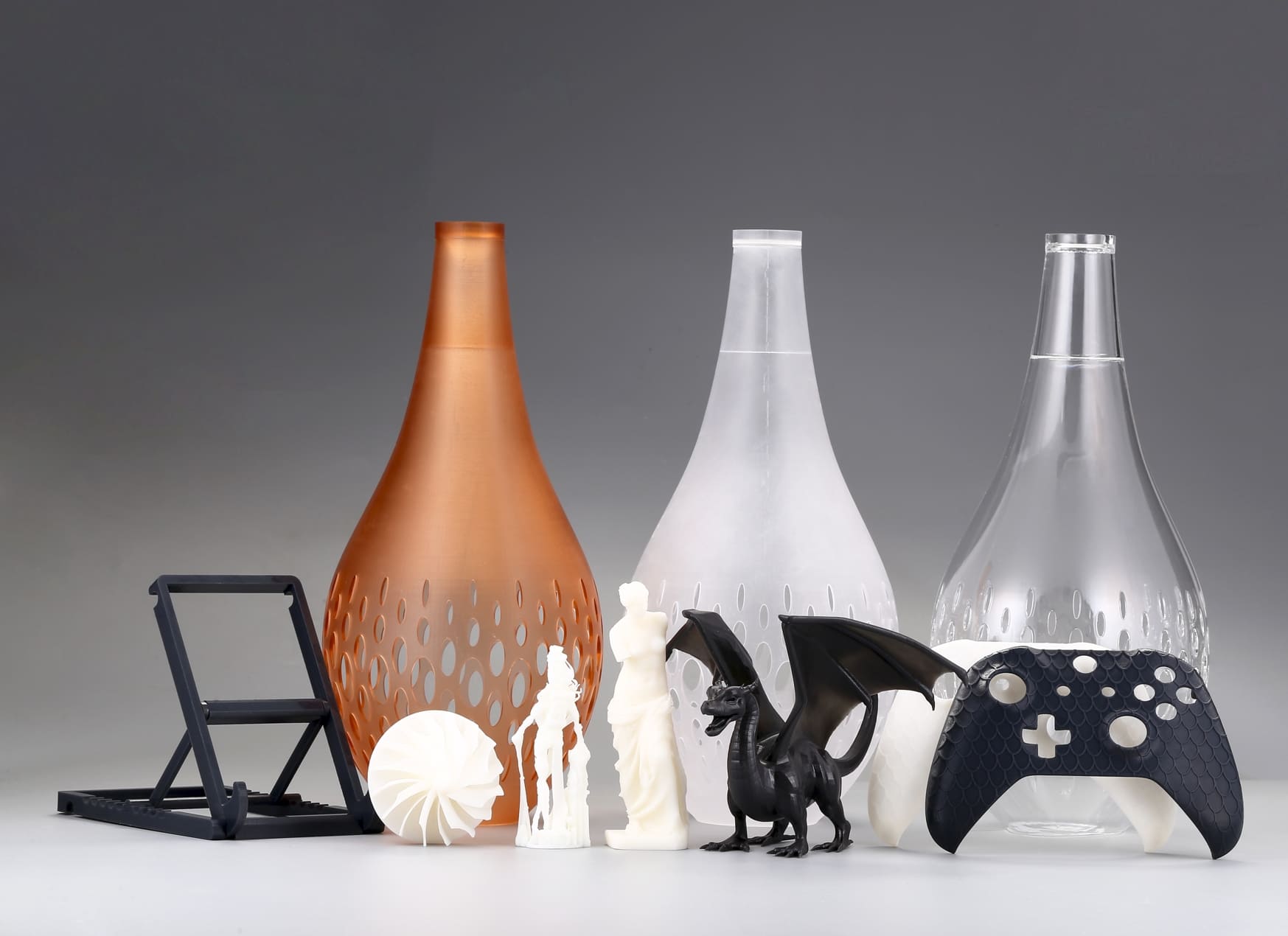
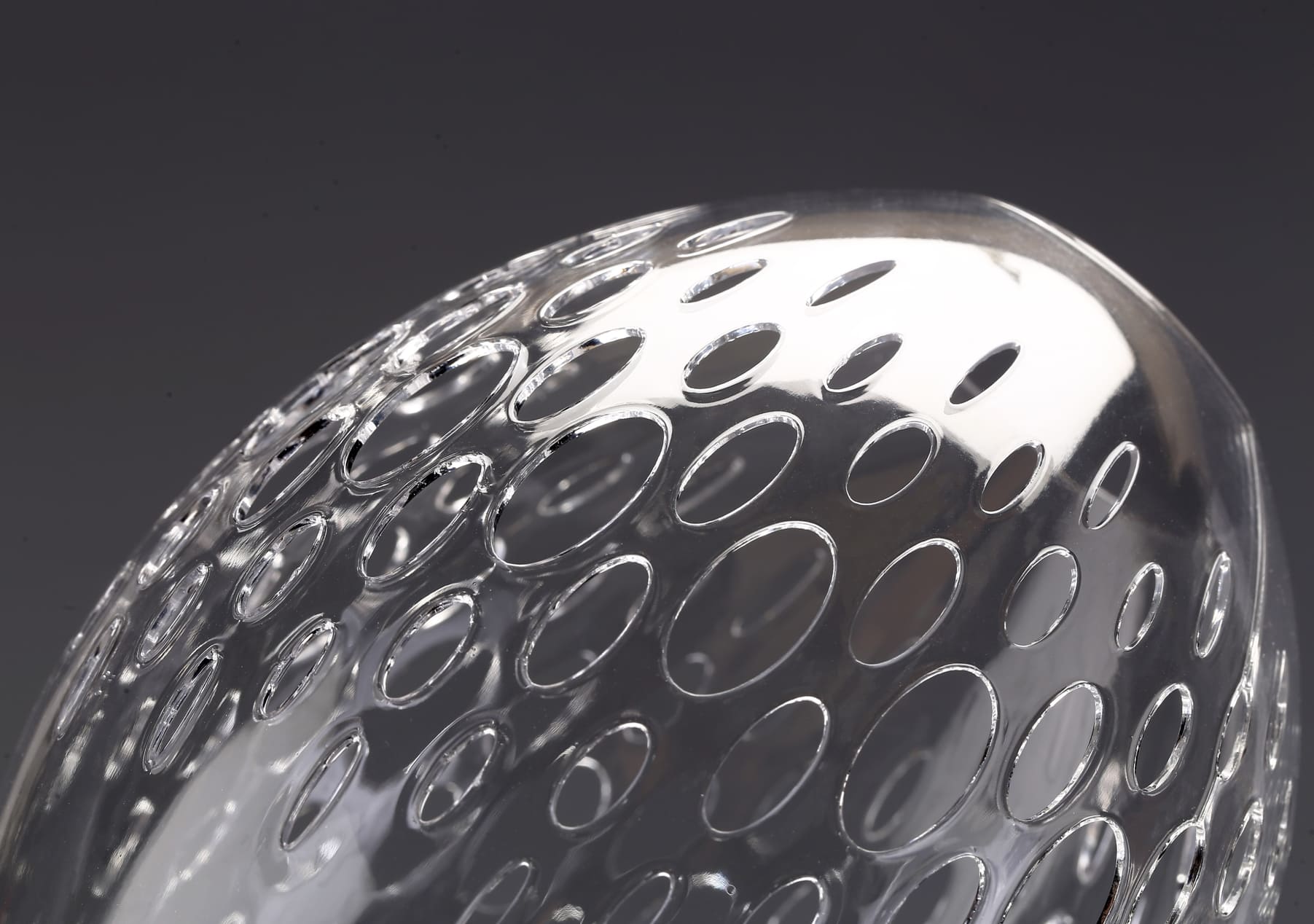
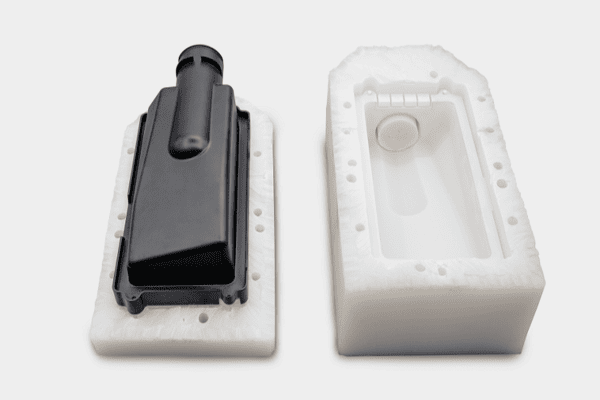
Resin 3D printing has become a practical option for producing molds, mold inserts, and master patterns, especially when speed, detail, and design flexibility matter more than long tool life. Compared with conventionally machined metal tooling, resin 3D printed tooling can significantly reduce the time and upfront cost required to prepare a mold for prototypes and small production runs. SLA and other resin-based processes are particularly useful for reproducing fine features and smooth surfaces.
However, resin 3D printing is not a universal replacement for metal tooling. The appropriate resin, mold design, molding process, and expected production volume all determine whether a printed mold will perform reliably.
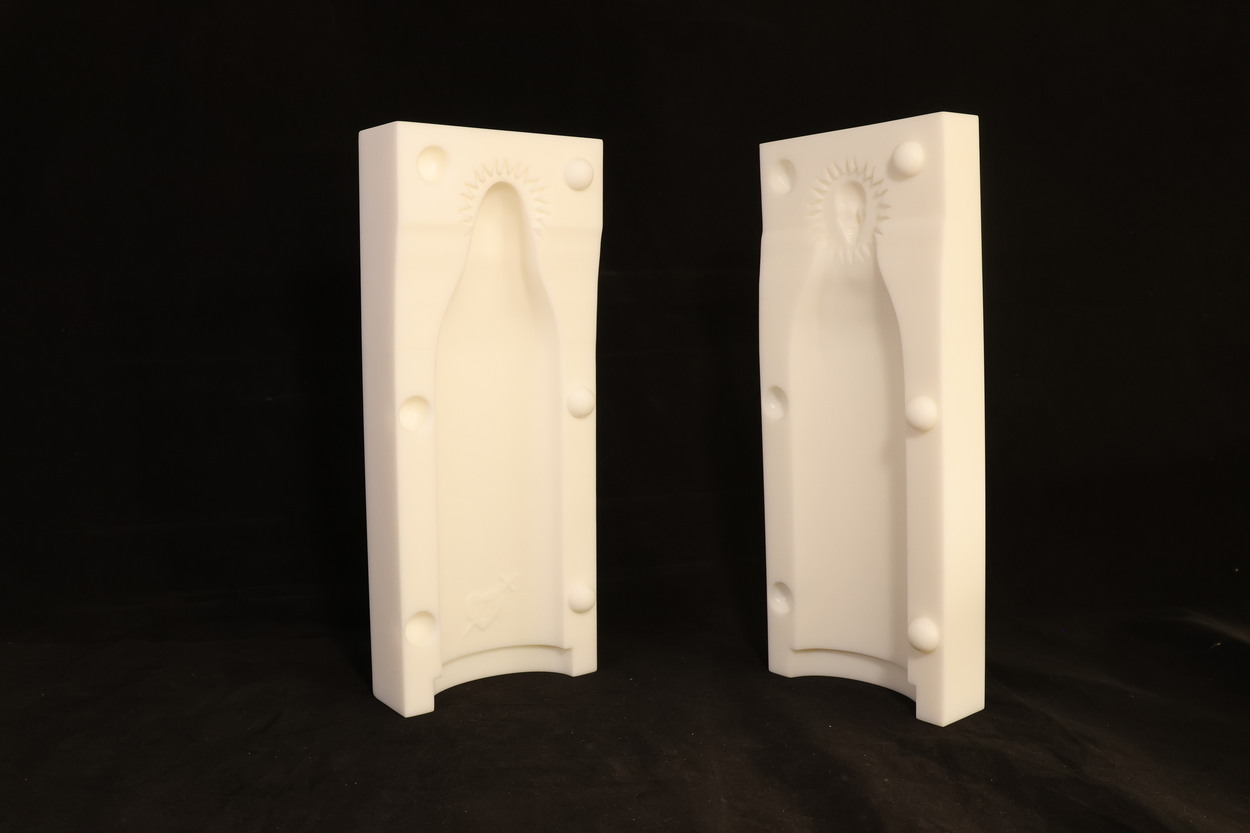
Image Copyright © 3DSPRO. All rights reserved.
Resin 3D Printing in Mold Making
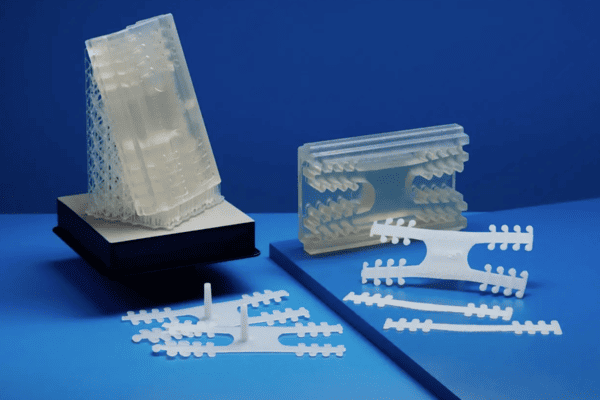
Resin 3D printing can be used in two fundamentally different ways in mold making. First, a printed part can serve as a master pattern from which a secondary mold, such as a silicone mold, is created. Second, the printed resin part can function directly as a mold or mold insert for processes such as low-volume injection molding or thermoforming.
The first approach is particularly common when the goal is to reproduce a complex shape. A resin 3D printed master can provide fine details and a relatively smooth surface, while the silicone mold provides the flexibility needed for demolding. In this workflow, the printed resin pattern does not have to withstand molding temperatures or pressures because it is only used to create the mold cavity.
Directly printed molds require more careful material selection. They must withstand the temperature, pressure, mechanical loads, and repeated cycles associated with the molding process. Specialized engineering or high-temperature resins are therefore much more appropriate than general-purpose materials for demanding tooling applications.
Mold-Making Applications of Resin 3D Printing
Resin 3D printing supports several mold-making applications:
Master Patterns for Silicone Molds
A detailed resin master can be used to create one- or two-part silicone molds for casting prototypes, decorative components, and small production quantities.
Low-Volume Injection Molding
Specially selected resins can be printed directly into mold halves or inserts for producing functional plastic parts. These molds are most suitable for short runs because polymer tooling does not provide the same durability or thermal conductivity as metal molds.
Thermoforming Molds
Resin molds can also be used for thermoforming applications when the selected material can withstand the required forming temperature and mechanical loading.
Investment Casting Patterns
Resin printing can also eliminate the need for traditional tooling used to produce casting patterns. Specialized casting resins are designed to burn out with low ash and controlled thermal expansion, making them suitable for investment casting rather than functioning as reusable molds.
This distinction is important: not every resin printed “mold” is a reusable mold. Some printed parts are actually sacrificial patterns used to create a secondary mold or casting shell.
Resin 3D Printing Mold-Making Process
A typical resin 3D printed mold workflow begins with preparing the mold geometry in CAD. The design should account for parting lines, draft angles, wall thickness, demolding, support placement, and expected molding conditions.
The next step is selecting the resin according to the application. Standard resins may be sufficient for master patterns, while high-temperature or highly rigid materials are generally more appropriate for direct molding applications.
After printing, the part must be washed to remove uncured resin and then properly post-cured. For tooling applications, insufficient post-curing can compromise dimensional and mechanical performance. Depending on the required surface quality, the mold may then be sanded, polished, or otherwise finished.
Finally, the mold is assembled and tested under controlled conditions. For injection molding, reducing clamping and injection pressure can help extend mold life. Cooling is another consideration because polymer molds transfer heat more slowly than metal molds, which can increase cycle times.
Benefits of Resin 3D Printed Molds
The main advantage of resin 3D printed molds is speed. A mold or pattern can be manufactured directly from digital data without waiting for extensive CNC machining or conventional tooling fabrication. This makes resin printing especially useful when several design iterations are expected.
Cost is another advantage for prototypes and small batches. Traditional metal tooling requires a relatively high initial investment, which may not be justified when only a limited number of parts are needed. 3D printed molds can lower this initial tooling cost and make rapid tooling more accessible.
Resin 3D printing also offers excellent geometric flexibility. Fine details, complex contours, undercuts, and other features that can be difficult or expensive to machine can often be incorporated into the printed pattern or mold.
Surface quality is another strength. Resin-based processes can produce smoother surfaces and finer details than many extrusion-based 3D printing methods, reducing the amount of finishing required for some applications.
Most importantly, the digital workflow makes tooling modifications relatively straightforward. A revised CAD model can be printed as a new mold or insert without redesigning an entire conventional tooling system.
Limitations of Resin 3D Printed Molds
Despite these advantages, resin molds have important limitations.
The first is tool life. A polymer mold generally cannot match the durability of a machined steel or aluminum mold, particularly under high molding pressures and temperatures. Depending on the design and process conditions, cracking, deformation, or surface damage can eventually occur.
Heat transfer is another limitation. Resin has much lower thermal conductivity than metal, so molded parts generally take longer to cool. This can increase cycle time and reduce production efficiency.
Dimensional stability may also become a concern during repeated heating and cooling. Mold design therefore needs to consider thermal expansion, pressure, and the mechanical strength of the selected resin.
Finally, not every resin is suitable for direct mold making. A material that produces an excellent prototype may perform poorly when exposed to injection pressure or elevated temperatures. Material selection must therefore be based on the actual molding conditions rather than surface appearance alone.
Resin Selection for Mold Making
|
Resin Type |
Main Characteristics |
Mold-Making Suitability |
Typical Applications |
|
Good detail, smooth surfaces, economical |
Best for patterns rather than demanding direct molds |
Master patterns, silicone mold patterns, visual prototypes |
|
|
Higher toughness and impact resistance |
Useful where the pattern or mold needs better mechanical durability |
Master patterns, prototype molds, selected low-volume tooling |
|
|
High thermal stability and heat resistance |
Suitable for temperature-sensitive tooling applications when pressure is controlled |
Injection mold inserts, thermoforming molds, heat-resistant tooling |
|
|
Fine feature reproduction and smooth surfaces |
Best where dimensional detail and appearance are priorities |
Small master patterns, detailed mold components |
|
|
Flexible and elastomeric behavior |
More suitable for flexible patterns or specialized casting applications than rigid injection molds |
Flexible tooling concepts, soft patterns, specialized casting |
|
|
Very high flexibility and elongation |
Generally unsuitable for rigid injection molds but useful for flexible components and experimental mold concepts |
Flexible patterns, soft tooling, prototypes |
|
|
Ceramic-filled or ceramic-like characteristics depending on formulation |
Application-specific; should not be assumed to provide conventional ceramic tooling performance |
Specialized patterns, ceramic-style prototypes, selected casting applications |
Suitable Production Scenarios
Resin 3D printed molds are most valuable when low tooling cost, fast turnaround, and design flexibility are more important than maximum tool life.
They are particularly well suited to product development, functional prototyping, mold validation, bridge tooling, customized parts, and low-volume production. In one documented application, 3D printed injection molds were used to produce hundreds of parts, while specialized processes have demonstrated even higher quantities under carefully controlled conditions.
For mass production, however, conventional metal tooling remains the more appropriate choice in most cases because of its durability, thermal conductivity, and ability to withstand repeated molding cycles.
Ultimately, resin 3D printing works best as a rapid tooling solution rather than a universal replacement for traditional molds. By selecting the right resin and matching the mold design to the production requirements, manufacturers can use resin 3D printing to shorten tooling lead times, reduce initial costs, and accelerate product development.
 0
0


COMMENTS
- Be the first to share your thoughts!