English
 日本語
 Deutsch


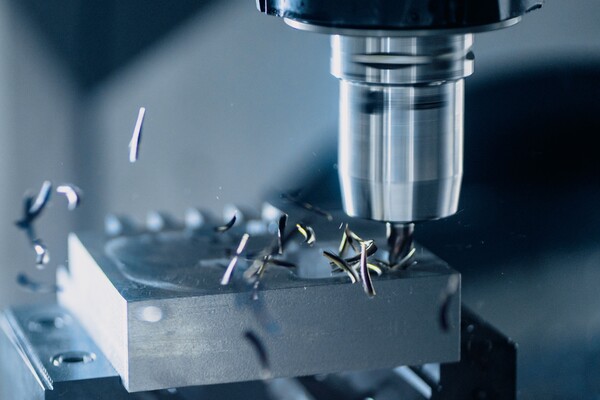
CNC machining uses a wide range of cutting tools to produce flats, pockets, slots, holes, threads, grooves, and complex profiles. Each tool is designed for a particular cutting action or feature. A single part may require several tools in sequence, such as drilling a hole, enlarging it with a boring tool, and finishing it with a reamer.
The tables below group common tools by machining operation and summarize their main functions and typical applications. Some tools can be used across more than one machine type, and classification may vary by manufacturer.
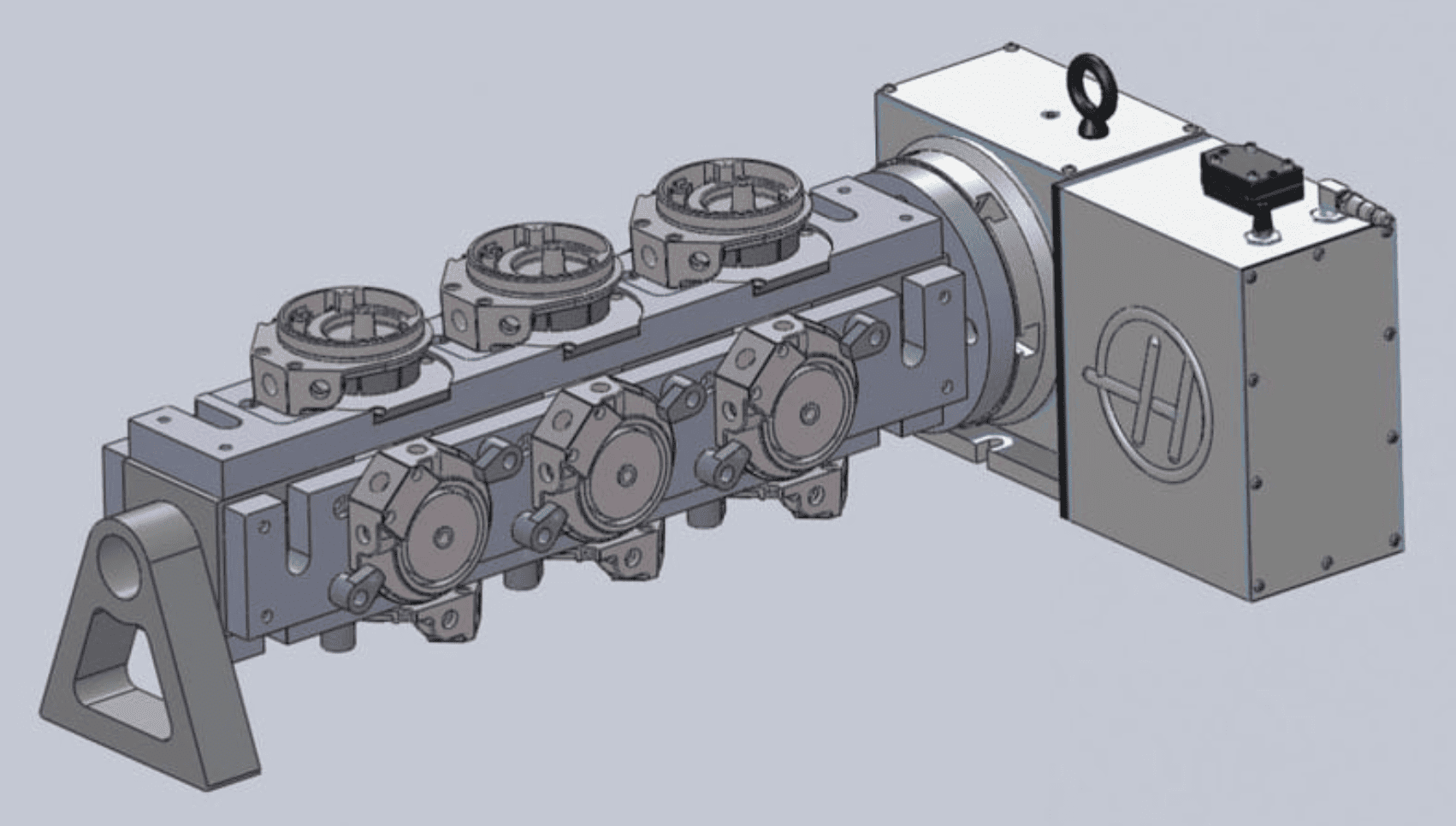
Image Source: Pixabay
CNC Milling Cutting Tools
Milling cutters rotate as they remove material from a stationary or moving workpiece. They are used for flat surfaces, pockets, shoulders, slots, and 3D contours.
|
Cutting Tool |
Main Function |
Typical Applications |
|
Flat / Square End Mills |
Mill flat bottoms and vertical walls |
Pockets, slots, shoulders |
|
Ball Nose End Mills |
Cut curved surfaces and 3D contours |
Molds, sculpted surfaces |
|
Corner Radius End Mills |
Machine profiles with rounded internal corners |
Pockets, profiles, stronger edges |
|
Roughing End Mills |
Remove material rapidly with chip-breaking geometry |
Bulk stock removal |
|
Tapered End Mills |
Mill angled walls and tapered features |
Draft angles, deep cavities |
|
Long-Neck End Mills |
Reach deep or recessed features |
Deep pockets, narrow cavities |
|
Micro End Mills |
Machine very small features |
Miniature parts, fine details |
|
Face Mills |
Machine broad, flat surfaces |
Facing and stock leveling |
|
Shoulder Mills |
Mill a face and an adjacent wall |
Square shoulders, steps |
|
High-Feed Mills |
Remove material at high feed rates and shallow depths |
High-efficiency roughing |
|
Slotting Cutters |
Cut narrow slots and channels |
Straight slots, keyseats |
|
Side-and-Face Cutters |
Cut with peripheral and side teeth |
Deep slots, side milling |
|
Chamfer Mills |
Produce angled edges and countersinks |
Edge breaks, chamfers |
|
Dovetail Cutters |
Machine angled undercuts |
Dovetail grooves and joints |
|
T-Slot Cutters |
Cut a T-shaped slot after a starter slot |
Machine tables, fixtures |
|
Woodruff Keyseat Cutters |
Cut semicircular keyseats |
Shaft keyways |
|
Form Milling Cutters |
Reproduce a shaped cutting profile |
Special contours and grooves |
|
Slitting Saws |
Cut narrow kerfs or separate material |
Slitting, narrow cuts |
|
Fly Cutters |
Machine a surface with a single-point cutter |
Broad facing, fine flat surfaces |
CNC Turning Cutting Tools
In CNC turning, the workpiece rotates while a cutting tool advances along or across it. Many CNC lathe tools use replaceable inserts held in a toolholder.
|
Cutting Tool |
Main Function |
Typical Applications |
|
External Turning Tools |
Reduce the outside diameter |
Shafts, cylindrical parts |
|
Internal Turning Tools / Boring Bars |
Machine and enlarge internal diameters |
Bores, internal profiles |
|
Facing Tools |
Cut a flat surface across the workpiece end |
End faces, reference surfaces |
|
Profiling Tools |
Follow a programmed contour |
Radii, tapers, shaped profiles |
|
Grooving Tools |
Cut grooves on outside or inside diameters |
Retaining-ring and seal grooves |
|
Face Grooving Tools |
Cut grooves across an end face |
Face grooves, recessed features |
|
Parting / Cut-Off Tools |
Separate a component from bar stock |
Part cutoff |
|
Thread Turning Tools |
Cut helical thread profiles |
External and internal threads |
|
Undercutting Tools |
Machine reliefs behind shoulders or features |
Relief grooves, clearances |
CNC Drilling and Hole-Making Tools
Holemaking includes tools for locating, producing, enlarging, and finishing holes. The correct sequence depends on the required diameter, depth, tolerance, and surface finish.
|
Cutting Tool |
Main Function |
Typical Applications |
|
Center Drills |
Produce a center hole for location or support |
Lathe centers, starting features |
|
Spot Drills |
Create a precise drill starting point |
Hole positioning |
|
Twist Drills |
Produce standard cylindrical holes |
General-purpose drilling |
|
Straight-Flute Drills |
Drill with straight chip channels |
Short-chipping materials, selected conditions |
|
Parabolic-Flute Drills |
Improve chip space and evacuation |
Deeper holes |
|
Indexable Drills |
Drill using replaceable cutting inserts |
Medium and larger holes |
|
Spade Drills |
Drill larger-diameter holes with replaceable blades |
Large-diameter holemaking |
|
Gun Drills |
Produce deep, straight holes with directed coolant |
Precision deep holes |
|
Ejector Drills |
Use a double-tube system to circulate coolant and evacuate chips |
Deep-hole drilling |
|
Step Drills |
Produce multiple diameters in one tool pass |
Stepped holes |
|
Core Drills |
Enlarge or finish an existing hole or cored opening |
Hole enlargement |
|
Straight-Flute Reamers |
Improve hole size and surface finish |
Precision hole finishing |
|
Spiral-Flute Reamers |
Finish holes while helping move chips |
Blind or interrupted hole finishing |
|
Adjustable Reamers |
Allow limited adjustment of the finishing diameter |
Repair and size adjustment |
|
Boring Heads |
Precisely enlarge and adjust an existing hole |
Accurate bores on milling machines |
|
Counterbore Tools |
Produce a flat-bottomed cylindrical recess |
Socket-head fastener seats |
|
Countersink Tools |
Produce a conical recess around a hole |
Flat-head screw seats, edge breaks |
|
Spotfacing Tools |
Machine a flat seating area around a hole |
Bolt and washer contact surfaces |
CNC Threading Tools
Threading tools create helical profiles for fasteners and threaded connections. Taps and thread mills are commonly used for internal threads, while single-point tools are common on CNC lathes.
|
Cutting Tool |
Main Function |
Typical Applications |
|
Straight-Flute Taps |
Cut internal threads with straight flutes |
General-purpose tapping |
|
Spiral-Point Taps |
Push chips ahead of the tap |
Through-hole threads |
|
Spiral-Flute Taps |
Pull chips back toward the tap entry |
Blind-hole threads |
|
Forming / Roll Taps |
Form threads by displacing material |
Chip-free internal threading in suitable ductile materials |
|
Single-Profile Thread Mills |
Mill a thread with one thread-form profile |
Internal and external threads |
|
Multi-Profile Thread Mills |
Cut several thread turns per pass |
Faster production of compatible thread forms |
|
External Threading Inserts |
Cut external threads on a rotating workpiece |
Threaded shafts and studs |
|
Internal Threading Inserts |
Cut threads inside a pre-machined bore |
Threaded holes on CNC lathes |
Special-Purpose CNC Cutting Tools
Special-purpose cutters produce features that may be difficult or inefficient to make with general-purpose tools. Some require dedicated CNC equipment rather than a standard machining center.
|
Cutting Tool |
Main Function |
Typical Applications |
|
Broaching Tools |
Remove material progressively with multiple teeth |
Internal profiles and keyways |
|
Keyway and Spline Broaches |
Form keyways or spline profiles |
Shafts, hubs, drive components |
|
Rotary Broaches |
Form polygonal profiles through a rocking cutting action |
Hexagonal and square sockets |
|
Gear Hobs |
Generate gear teeth through synchronized rotation and feed |
Spur and helical gears |
|
Gear Shaper Cutters |
Generate gear teeth with reciprocating cutting motion |
Internal and external gears |
|
Gear Milling Cutters |
Mill individual tooth spaces |
Low-volume or special gear cutting |
|
Power Skiving Cutters |
Generate gear teeth with synchronized rotary cutting |
Internal and external gears |
|
Gear Chamfering Cutters |
Remove burrs and sharp edges from gear teeth |
Gear edge finishing |
|
Serration Cutters |
Produce repeated tooth-like profiles |
Serrated shafts and components |
Tool selection starts with the feature to be machined, then considers workpiece material, tool access, hole or slot depth, required tolerances, surface finish, and machine rigidity. Cutting speed, feed rate, coolant delivery, and tool overhang also affect performance. A tool that works well for aluminum may not be suitable for hardened steel or stainless steel.
For many parts, several tools are used in sequence rather than relying on one cutter to complete every feature. Matching each tool to the operation helps control machining time, tool wear, and part quality. At 3DSPRO, CNC machining requirements can be evaluated in relation to the part's material, geometry, dimensional requirements, and finishing needs.
Understanding the available cutting tools makes it easier to interpret machining plans and select an appropriate manufacturing process for a CNC-machined component.
 0


COMMENTS
- Be the first to share your thoughts!