 English
  日本語
日本語  Deutsch


When a replacement part breaks, the original manufacturer may no longer produce it, or ordering a new part may take too long. It is especially common for older equipment, discontinued products, machines with low-volume components, and custom assemblies. In these situations, 3D printing can provide a practical way to produce replacement parts and spare parts on demand.
Unlike traditional manufacturing, 3D printing does not require dedicated molds or tooling for every new component. A digital model can be used to produce a single replacement part or a small batch, making 3D printing particularly useful when demand is low or unpredictable.
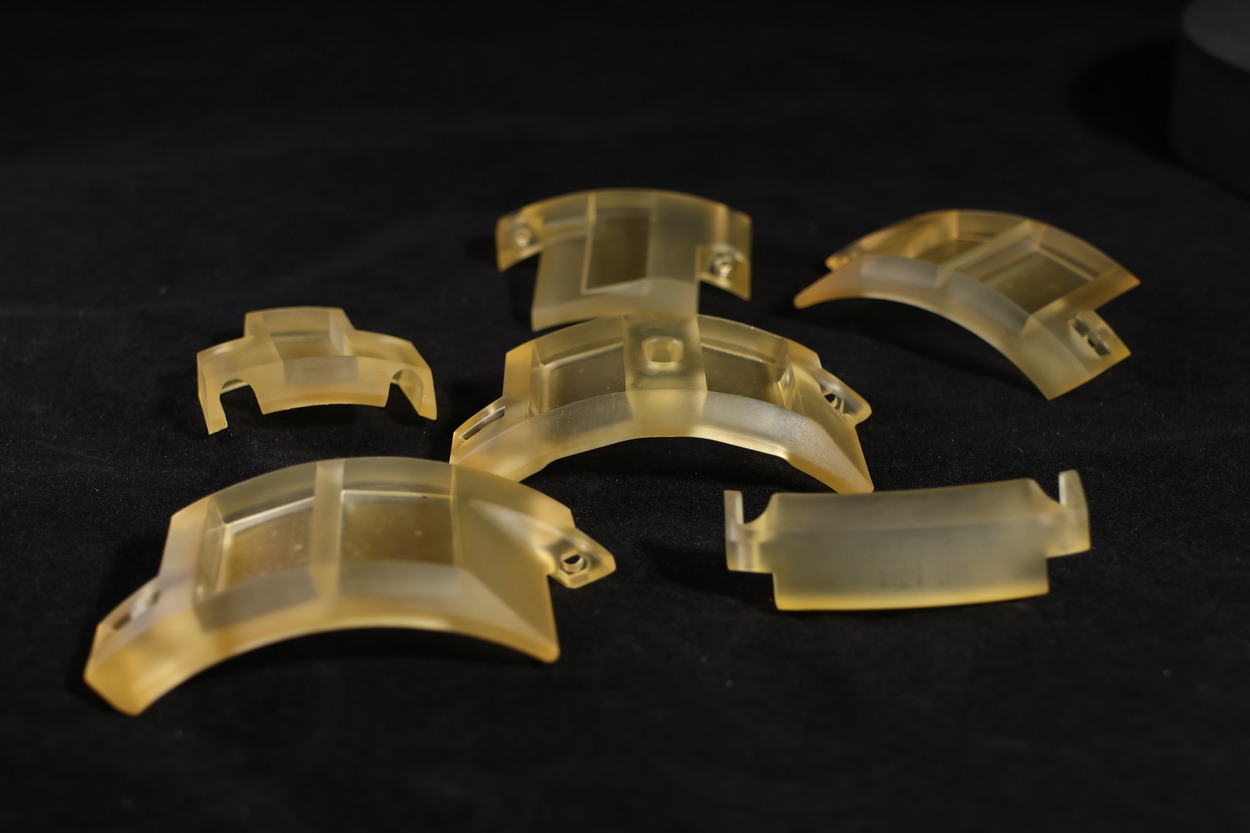
Image Copyright © 3DSPRO. All rights reserved.
Why 3D Printing Is Useful for Replacement Parts?
The biggest advantage of 3D printing for replacement parts is flexibility. Traditional manufacturing methods are often economical for large production runs, but they can become expensive when only a few parts are required. 3D printing eliminates much of the upfront tooling investment and is therefore suitable for one-off and low-volume replacement parts.
Another advantage is shorter sourcing time. When an original component is unavailable, businesses may otherwise need to wait for overseas shipments, minimum-order production, or a supplier to restart production. With an existing CAD model, the replacement part can be manufactured locally or on demand.
3D printing also helps with legacy equipment. Many older machines and products remain functional even when their replacement parts are no longer commercially available. A replacement component can be recreated from an existing CAD file, technical drawing, or physical reference part.
Customization is another benefit. A replacement part does not always need to be an exact copy. It can be slightly modified to improve strength, fit, durability, or manufacturability while maintaining compatibility with the original assembly.
Which Replacement Parts Are Suitable for 3D Printing?
Not every spare part is a good candidate for 3D printing. The best candidates are generally parts with relatively simple geometries, low production volumes, limited demand, or long procurement times.
Common examples include:
• Covers, caps, housings, and protective components
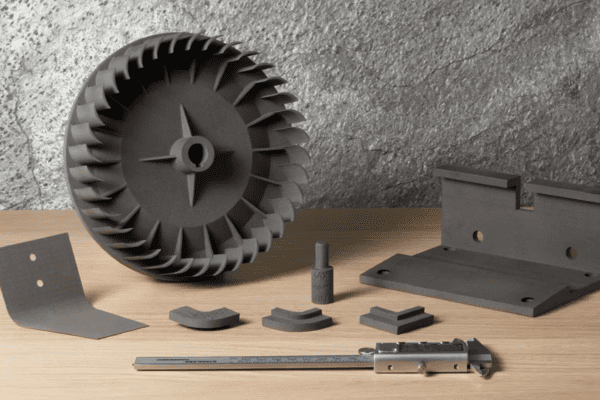
• Brackets, mounts, clips, and guides
• Knobs, handles, spacers, and cable management parts
• Fixtures, jigs, and tooling components
• Enclosures and custom adapters
• Non-critical mechanical components
• Replacement parts for discontinued products
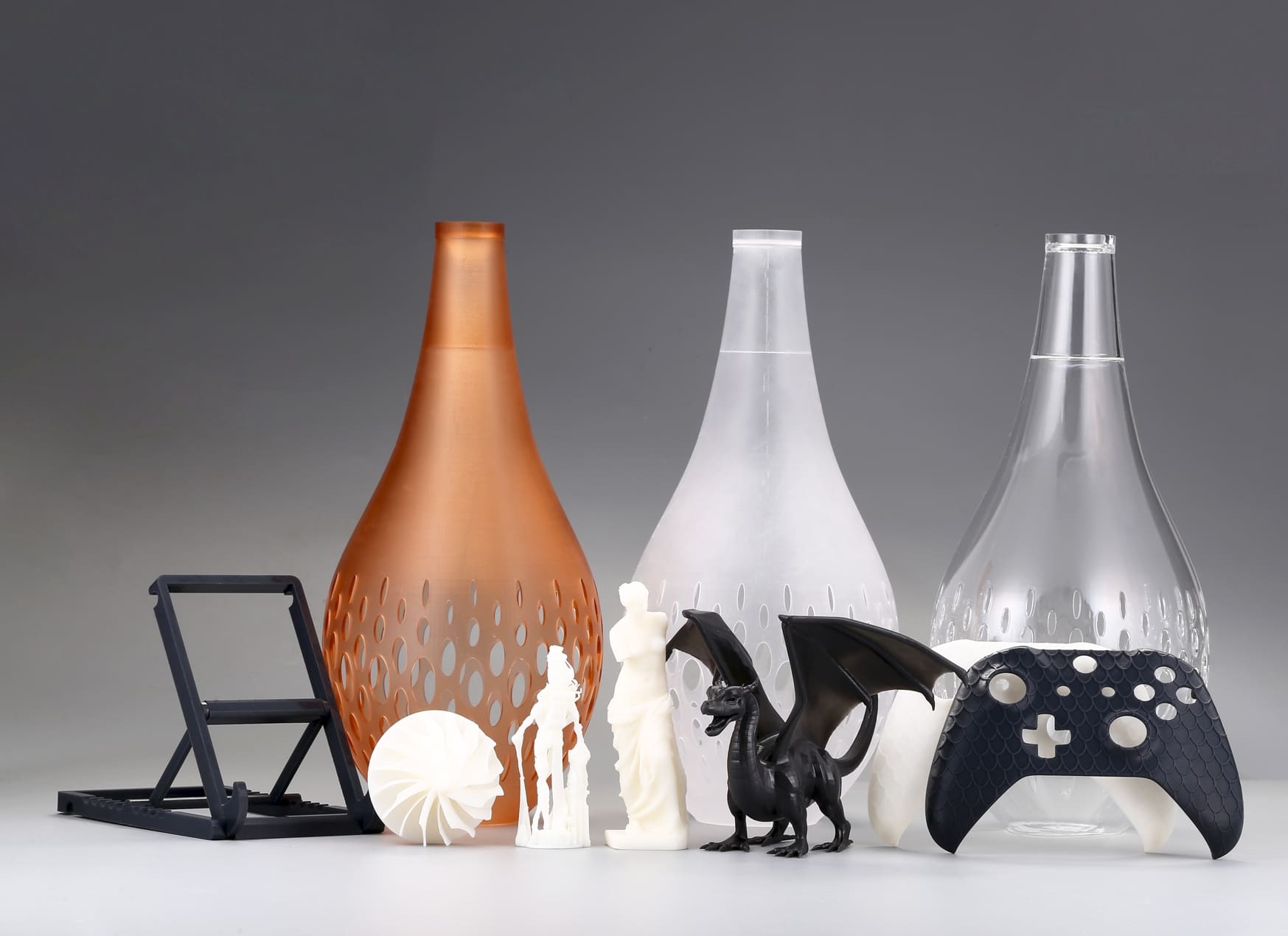
3D printing is especially useful for plastic replacement parts. Technologies such as SLA, SLS, MJF, FDM, and DLP can produce components from a wide range of polymers with different levels of strength, flexibility, surface quality, and dimensional performance.
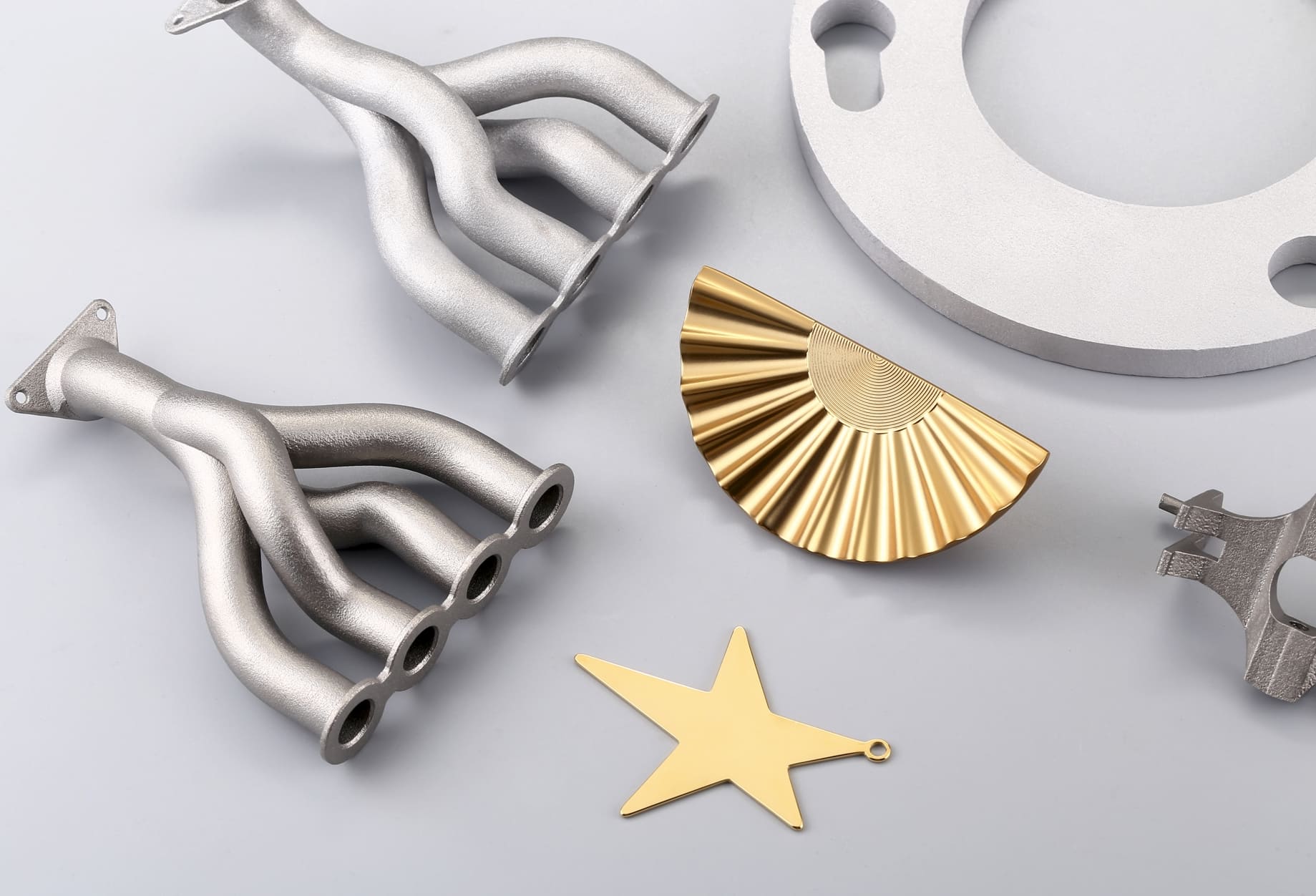
Metal 3D printing can also be used for replacement parts when higher mechanical performance or temperature resistance is required. For example, metal 3D printing can produce brackets, housings, mechanical components, and other low-volume industrial parts that would otherwise require machining or casting.
However, the suitability of a part depends on its operating conditions rather than its appearance alone. A small plastic clip may be an excellent candidate, while another visually similar component may fail because it experiences continuous heat, high loads, chemical exposure, or repeated fatigue.
What Should You Check Before 3D Printing a Replacement Part?
Before manufacturing a replacement part, first determine what the component needs to do. Its function should guide the choice of material, printing process, and design.
The first consideration is dimensional fit. Check critical dimensions such as hole diameters, wall thicknesses, mounting locations, mating surfaces, and overall tolerances. A replacement part that looks correct but does not fit properly can create additional assembly problems.
Next, evaluate the loads applied to the part. Consider whether it experiences tension, compression, bending, impact, vibration, friction, or repeated movement. These factors determine whether a standard polymer is sufficient or whether a stronger engineering material is needed.
Operating temperature is also important. Materials behave differently at elevated or low temperatures, and a component that works well at room temperature may deform or lose strength in a hotter environment.
Environmental exposure should also be reviewed. Consider moisture, UV exposure, oils, solvents, chemicals, and outdoor conditions. Material selection should be based on the actual service environment rather than simply choosing the material that is easiest to print.
Finally, inspect the original part for signs of failure. If the original component consistently cracks, wears out, or deforms, reproducing exactly the same geometry may reproduce the same problem. In some cases, the replacement part should be slightly reinforced or redesigned to address the original failure point.
Which 3D Printing Processes Work Best for Replacement Parts?
|
3D Printing Process |
Best For Replacement Parts |
Key Advantages |
Typical Materials |
|
Large, simple, and functional plastic parts such as brackets, covers, housings, and fixtures |
Cost-effective, wide material selection, suitable for larger parts |
ABS, ASA, Nylon, PETG, TPU |
|
|
Complex functional parts with intricate geometries and internal features |
No conventional support structures, good durability, suitable for low-volume production |
PA 12, PA 11, TPU |
|
|
Small to medium batches of functional plastic spare parts |
Consistent mechanical properties, efficient batch production, good dimensional performance |
PA 12, PA 11, TPU |
|
|
Small replacement parts requiring fine details, smooth surfaces, or precise features |
High detail, smooth surface finish, good dimensional precision |
Standard Resin, Tough Resin, Engineering Resin |
|
|
Metal replacement parts requiring high strength, heat resistance, or wear resistance |
Produces complex metal geometries and high-performance components |
Stainless Steel, Aluminum, Titanium, Inconel |
|
|
Low-to-medium volume metal spare parts with less demanding geometries |
Efficient batch production and reduced need for support structures |
Stainless Steel, Tool Steel, Other Metal Alloys |
Limitations of 3D Printed Spare Parts
Although 3D printing offers major advantages for replacement parts, it also has limitations.
One limitation is material performance. A 3D printed polymer component may not match the strength, temperature resistance, wear resistance, or long-term durability of an injection molded or machined original. The printing process itself can also influence mechanical properties through layer bonding, build orientation, and post-processing.
Dimensional accuracy can be another challenge. Tight-tolerance components may require machining or other secondary operations after printing. Critical mating surfaces, threads, holes, and bearing interfaces may need additional finishing to achieve the required fit.
Surface finish may also differ from the original manufacturing method. Depending on the printing technology, visible layer lines, stair-stepping, or texture may remain on the part. Additional finishing can improve appearance and functionality but adds cost and processing time.
Most importantly, not every spare part should be 3D printed. Components used in safety-critical, high-load, high-temperature, or highly regulated applications may require certified materials, validated manufacturing processes, or conventional production methods.
3D printing is therefore best viewed as a flexible replacement-part manufacturing solution rather than a universal substitute for traditional manufacturing. When the required material, process, accuracy, and performance are properly evaluated, it can significantly reduce sourcing challenges and make low-volume spare parts much easier to produce.
 0
0


COMMENTS
- Be the first to share your thoughts!