 English
  日本語
日本語  Deutsch


When designing parts that need to fit together, engineers usually focus on CAD dimensions, manufacturing tolerances, and assembly requirements. However, the final dimensions of a part are not always the same as the original manufactured dimensions. Post-processing operations such as electroplating, painting, and protective coatings can add material to the surface and change the overall size of the component.
For 3D printed parts that require electroplating or coatings, ignoring finishing thickness can lead to unexpected assembly problems. Components that fit perfectly before finishing may become too tight, interfere with each other, or fail to assemble after surface treatment.
To avoid these issues, designers should consider coating thickness during the design stage and reserve enough clearance for finished dimensions. Understanding how finishing processes affect part geometry helps ensure better fit, function, and production success.
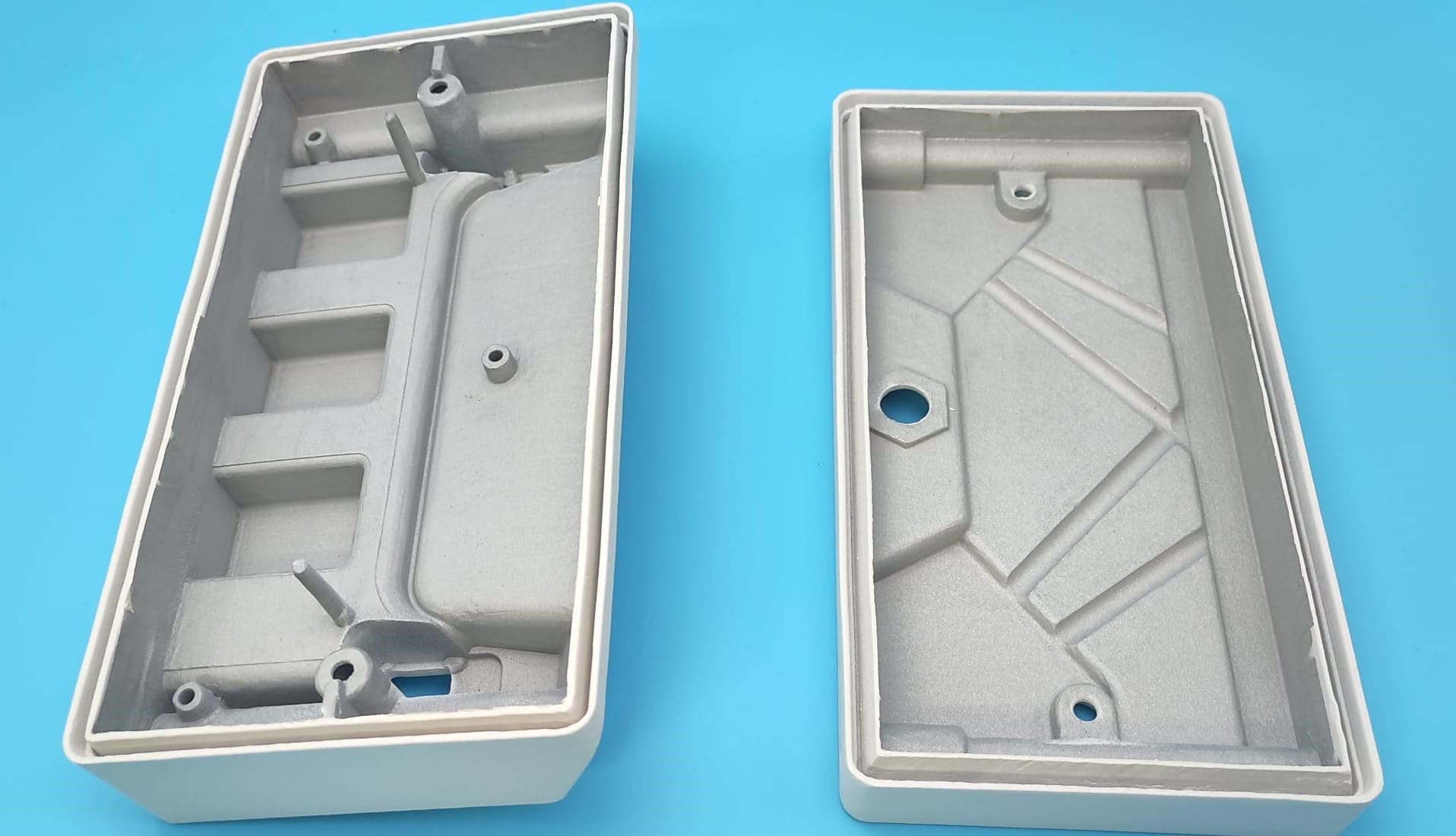
Image Copyright © 3DSPRO. All rights reserved.
Surface Finishing Adds Material and Changes Part Dimensions
Surface finishing is often considered the final step after manufacturing, but it can directly affect part dimensions and performance. Unlike machining, which removes material, processes such as electroplating and coating add material to the external surfaces of a part.
For example, electroplating deposits a thin metallic layer onto the surface to improve appearance, corrosion resistance, electrical conductivity, or wear performance. Before electroplating, some 3D printed parts may also require surface preparation and conductive primer application. These additional layers contribute to the final thickness of the part.
Even small dimensional changes can become significant when parts are designed with tight assembly tolerances. A coating thickness of only a fraction of a millimeter may affect:
• the fit between two mating components
• the clearance of moving parts
• the size of holes and slots
• the installation of screws or inserts
• the performance of snap-fit connections
The impact of finishing depends on several factors, including coating type, required thickness, surface geometry, and process control. Large flat surfaces may experience relatively predictable buildup, while complex geometries with corners, recesses, and internal features can be more difficult to control.
Why Electroplated Parts Need Additional Assembly Clearance
Electroplating is widely used for 3D printed parts that require a premium appearance or improved surface performance. It can transform plastic or resin parts into components with a metallic finish while maintaining the advantages of additive manufacturing.
However, electroplating also changes the surface dimensions.
A typical electroplating process for non-metal 3D printed parts may include surface cleaning and preparation, application of a conductive primer layer, electroplating of the metal coating, and final inspection and finishing.
Among these steps, the primer layer is especially important for dimension considerations. In many applications, the primer can add approximately 0.1 mm thickness to the surface. When combined with additional metal plating, the total buildup may become enough to affect assembly.
For example, imagine two components designed with only 0.15 mm clearance between them. Before finishing, the parts may assemble correctly. After applying primer and electroplating, the added thickness on both mating surfaces can significantly reduce the available gap.
This issue is especially common in parts designed with minimal clearance. Engineers should therefore include finishing allowances in the original CAD model instead of adjusting dimensions after production.
Design Features That Require Extra Clearance
Mating Surfaces
Surfaces where two components contact each other should always be reviewed before electroplating. Additional coating buildup can reduce the designed gap and create unwanted interference. For assemblies with multiple finished components, designers should consider the combined effect of coating thickness on both surfaces.
Holes and Slots
Internal features such as holes, channels, and slots can become smaller after coating. This may affect alignment pins, mounting holes, inserts, and sliding mechanisms. For precision holes, designers may need to increase the original diameter or consider masking the area before finishing.
Threads and Fasteners
Threaded features are highly sensitive to surface buildup. Electroplating inside threads can reduce clearance between the screw and threaded hole, making installation difficult. For critical threaded connections, possible solutions include increasing thread clearance, masking threads during finishing, and adding secondary machining after coating.
Snap-Fit and Moving Components
Snap-fit joints and moving mechanisms depend on carefully controlled gaps and flexibility. Additional coating thickness may reduce movement space, making clips harder to install or preventing parts from operating smoothly.
Communicate Finishing Requirements Before Production
Many assembly problems happen because finishing requirements are considered too late in the manufacturing process. A design that works for an unfinished prototype may not work after electroplating or coating.
Before production begins, designers should communicate important finishing requirements, including required coating type, expected coating thickness, critical dimensions, assembly tolerances, surfaces that must remain unchanged, and areas that require masking.
Identifying critical surfaces early helps manufacturers determine the best finishing approach. For example, cosmetic exterior surfaces may require full electroplating, while precision mating areas may need protection from coating buildup.
Early communication also allows engineers to make design adjustments before production starts, reducing the risk of costly modifications or rejected parts.
A successful workflow considers manufacturing, finishing, and assembly as connected stages rather than separate processes.
How 3DSPRO Helps Design Parts for Electroplating and Coatings
At 3DSPRO, surface finishing is considered an important part of the manufacturing process, not simply an after-production service. When customers require electroplating or coating for 3D printed parts, understanding the final application helps achieve better results.
3DSPRO can help customers evaluate:
• Whether the design requires additional assembly clearance
• Which surfaces may be affected by coating buildup
• Whether masking is needed for critical areas
• Which finishing method is suitable for the application
Through 3D Plus™ finishing services, 3DSPRO provides options such as electroplating, coating, painting, and other surface treatments to improve part appearance and performance.
For assembly components, engineers can work with 3DSPRO before production to identify potential issues caused by finishing thickness. This proactive approach helps reduce redesign cycles, improve assembly reliability, and ensure that finished parts meet functional requirements.
 0
0


COMMENTS
- Be the first to share your thoughts!